
Do you miss the days when prime-time television brought classic frontier adventures and cozy Southern charm straight into your living room? Take a nostalgic trip down memory lane and discover which beloved Western and country shows made our definitive ranking!
"Gunsmoke" - Groundbreaking Characters and Moral Dilemmas
When "Gunsmoke" debuted on television in 1955, it transformed weekly Western drama across 20 seasons on CBS. James Arness portrayed Marshal Matt Dillon, a lawman protecting Dodge City, Kansas, with steady judgment. Audiences tuned in for 635 episodes until 1975 to watch complex narrative arcs rather than simple gunfights. Dennis Weaver played Chester Goode, while Amanda Blake portrayed Miss Kitty Russell, the resilient owner of the Long Branch Saloon. Milburn Stone earned recognition as Doc Adams, adding warmth to the ensemble cast.
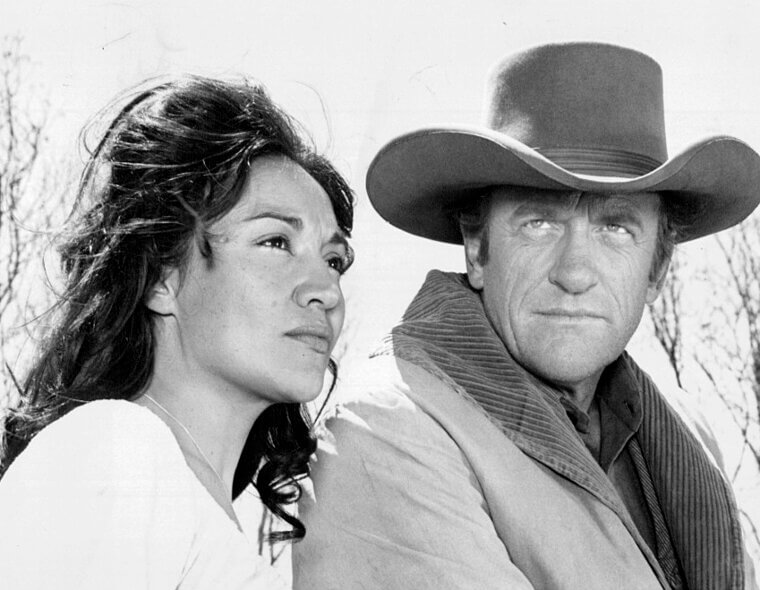
The series ranked as the number 1 show on American television from 1957 to 1961. It earned 5 Primetime Emmy Awards during its run and set a standard for long-running prime-time scripted television. The production established a blueprint that many subsequent frontier narratives attempted to replicate, leaving an undeniable impact on the genre.
"Bonanza" - Family Loyalty on the Ponderosa
Set near Lake Tahoe during the 1860s, "Bonanza" focused on the Cartwright family and their vast timber ranch. Lorne Greene starred as Ben Cartwright, a widowed patriarch guiding his 3 distinct sons across 14 seasons from 1959 to 1973. Pernell Roberts played Adam, Dan Blocker portrayed Hoss, and Michael Landon starred as Little Joe. The network broadcast the series in vivid color starting in 1959, which helped boost consumer sales of color television sets nationwide.
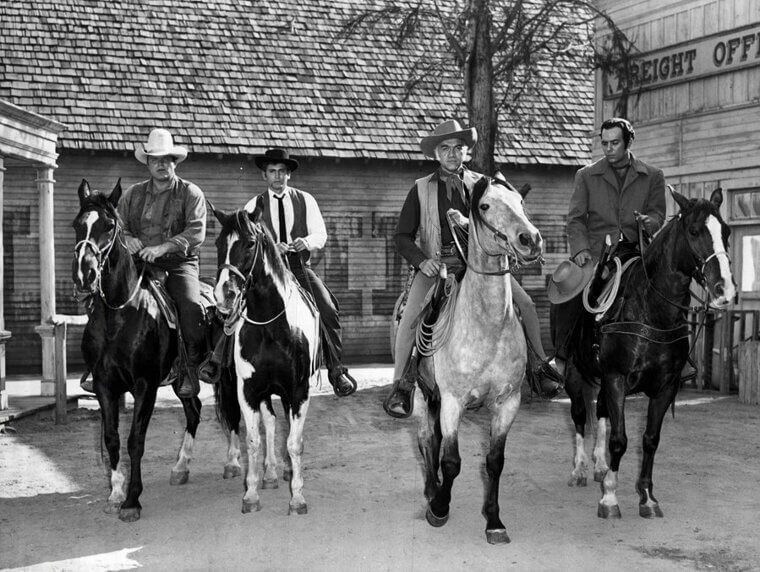
NBC aired 431 episodes, blending family drama with social issues like racial tolerance and land preservation. The show remained in the top 10 prime-time ratings for 10 consecutive years, securing 3 Primetime Emmy Awards during its run. The Cartwright clan became cultural icons, representing enduring familial support against the backdrop of the rapidly changing Nevada territory.
"The Rifleman" - Single Parenting and Rapid Action
Chuck Connors brought physical intensity to "The Rifleman" as Lucas McCain, a Union veteran raising his son in 1880s New Mexico Territory. Johnny Crawford co-starred as Mark McCain, forming an authentic father-son dynamic that anchored the series. Created by Sam Peckinpah, the show ran for 5 seasons from 1958 to 1963, producing 168 episodes on ABC. Lucas operated a custom modified Winchester rifle capable of firing multiple rounds in under 5 seconds, an iconic element featured in the opening credits.
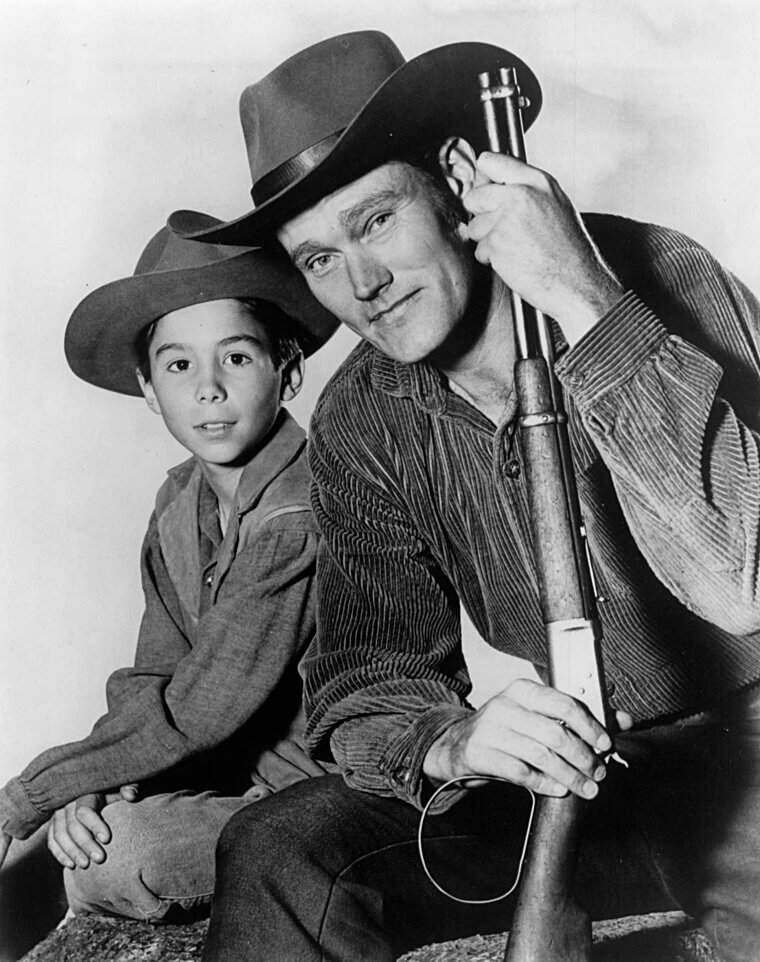
Guest stars included future screen icons like Dennis Hopper, Sammy Davis Jr., and Robert Culp. The program addressed themes of forgiveness, personal discipline, and civic responsibility, making it a prominent favorite among family audiences. The depiction of a single father raising a child brought a unique emotional core to the era's prime-time lineup.
"Rawhide" - Authentic Cattle Drives and Star Power
Following a relentless cattle drive along the Sedalia Trail, "Rawhide" captured the demanding reality of 19th-century drovers moving livestock across dangerous terrain. Eric Fleming starred as Trail Boss Gil Favor, managing his crew through harsh environmental conditions and unpredictable conflicts across 8 seasons on CBS. Clint Eastwood played Rowdy Yates, a role that launched his career into international stardom. Running from 1959 to 1965 with 217 episodes, the series relied on suspenseful storytelling rather than sensationalized violence.
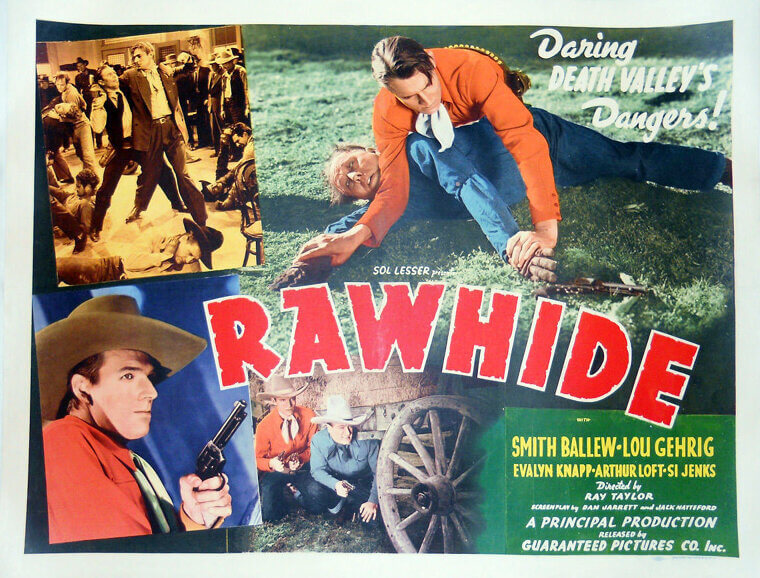
Frankie Laine recorded the famous theme song, which became a pop culture standard. Directors like Ted Post brought realistic filming techniques to the production, showcasing genuine livestock handling and rustic rural locations. Fans appreciated the gritty aesthetic and grounded narratives that felt distinct from other polished prime-time cowboys of that specific era.
"The Virginian" - Feature Length Storytelling and Ensemble Casts
"The Virginian" broke network television traditions in 1962 by introducing a 90-minute broadcast format for a weekly Western series. James Drury played the title character, an enigmatic foreman overseeing Shiloh Ranch in Wyoming Territory during the 1890s. Doug McClure co-starred as Trampas, bringing lighthearted energy to complement Drury's stoic leadership across 9 seasons. NBC aired 249 color episodes until 1971, allowing writers time to build rich character development and intricate plots. Filmed at Universal Studios, the program brought cinematic production values to small screens.
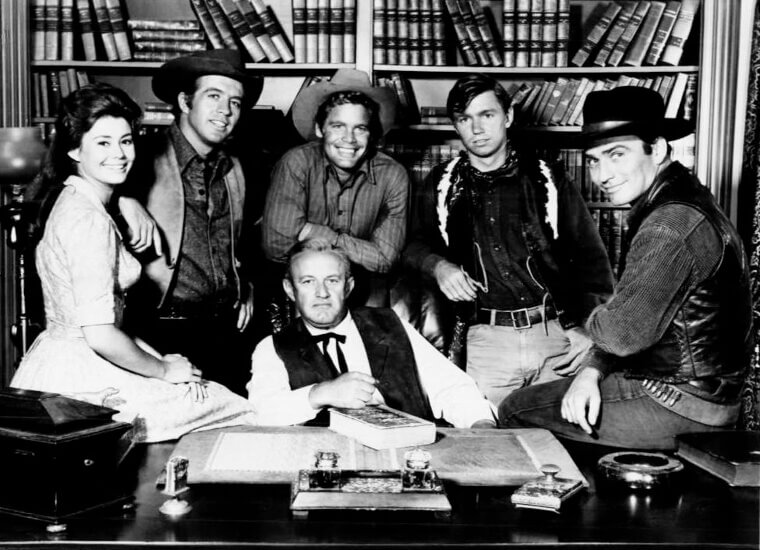
Notable guest performers included Bette Davis, Joan Crawford, and Harrison Ford, solidifying its place in prime-time entertainment history. The extended runtime provided directors with the flexibility to craft mini-movies every week, resulting in memorable performances and sprawling frontier landscapes that captivated dedicated viewers for nearly a decade.
"Have Gun – Will Travel" - Philosophical Protagonists and Strategic Wit
Paladin was unlike standard TV cowboys of his era, living as a refined gentleman at the Hotel Carlton in San Francisco when not working as a hired gun for $1,000 per assignment. Richard Boone starred in "Have Gun – Will Travel," carrying a distinctive chess knight logo on his business card and holster. The series broadcast 225 episodes on CBS from 1957 to 1963, consistently ranking in the top 4 network ratings for 4 straight seasons.
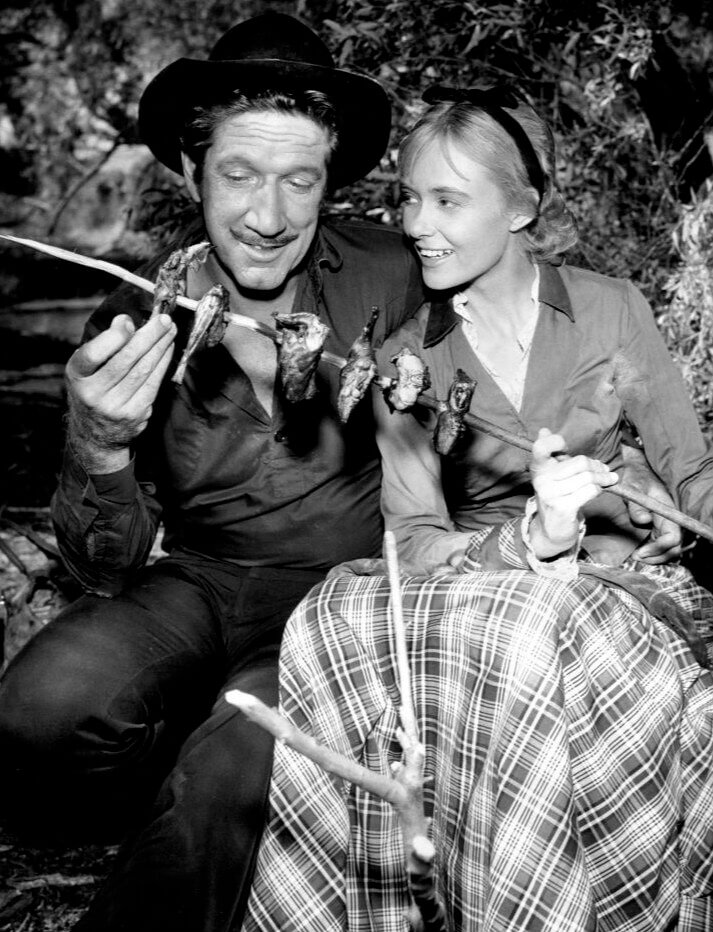
Writers like Gene Roddenberry contributed scripts that emphasized conflict resolution through diplomacy, philosophy, and classical literature before resorting to firearms. Kam Tong co-starred as Hey Boy, adding to the hotel setting that framed each mission. The show presented an intellectual approach to frontier justice, paving the way for more sophisticated storytelling in episodic drama.
"Maverick" - Charismatic Gamblers and Clever Humor
Debuting in 1957 on ABC, "Maverick" introduced a witty alternative to traditional Western tropes by featuring protagonists who preferred card tables over gunfights. James Garner starred as Bret Maverick, a traveling poker player who relied on quick humor and psychological tricks to outsmart adversaries. Jack Kelly joined the cast as his brother Bart Maverick, allowing the production team to shoot 2 episodes simultaneously to maintain a demanding 5-season schedule. The show produced 124 episodes through 1962, earning a Primetime Emmy Award for Best Western Series in 1959.
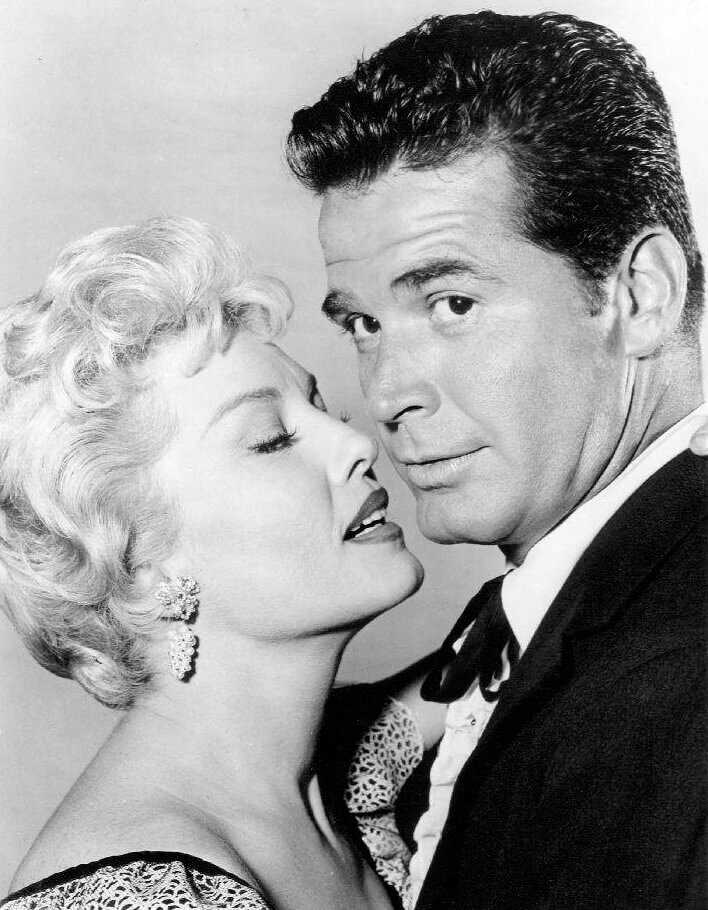
Roger Moore later appeared as cousin Beau Maverick, maintaining the lighthearted tone that subverted classic hero archetype expectations. Viewers loved watching these charming antiheroes navigate complex schemes, making the program a standout comedy-drama that broke the mold of standard frontier television broadcasts.
"The Big Valley" - A Powerful Matriarch and Family Drama
Barbara Stanwyck commanded the screen in "The Big Valley" as Victoria Barkley, the formidable matriarch of a wealthy agricultural family in 1870s California. Running for 4 seasons on ABC from 1965 to 1969, the series produced 112 color episodes. The ensemble cast featured Lee Majors as Heath, Richard Long as Jarrod, Peter Breck as Nick, and Linda Evans as Audra. Victoria Barkley actively defended her ranch from land grabbers and rustlers, presenting a resilient female lead uncommon in 1960s television.
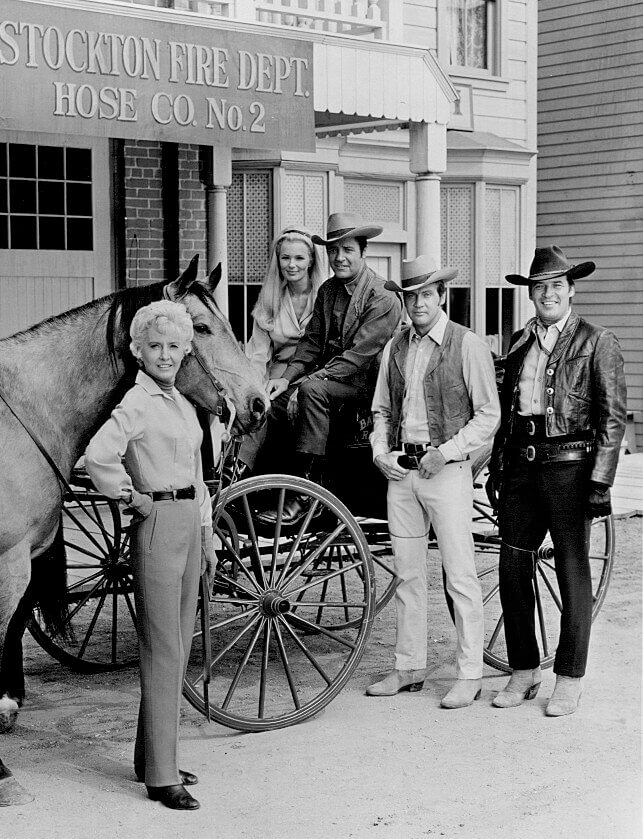
Stanwyck earned an Emmy Award in 1966 for her performance. The show blended traditional action elements with emotional family narratives that resonated with millions of weekly viewers. The Barkley clan provided audiences with an inspiring dynamic, emphasizing unity, perseverance, and strong moral convictions while battling wealthy tycoons and dangerous outlaws.
"The Wild Wild West" - Secret Agents and Frontier Gadgetry
Combining Victorian science fiction with Western action, "The Wild Wild West" offered a unique television experience from 1965 to 1969. Robert Conrad starred as Secret Service agent James West, using physical martial arts skills and customized weaponry concealed in his clothing. Ross Martin co-starred as Artemus Gordon, a master of disguise and inventive gadgets who traveled alongside West in a specially equipped train car. CBS aired 104 episodes over 4 seasons, creating a memorable mix of espionage and frontier adventure.
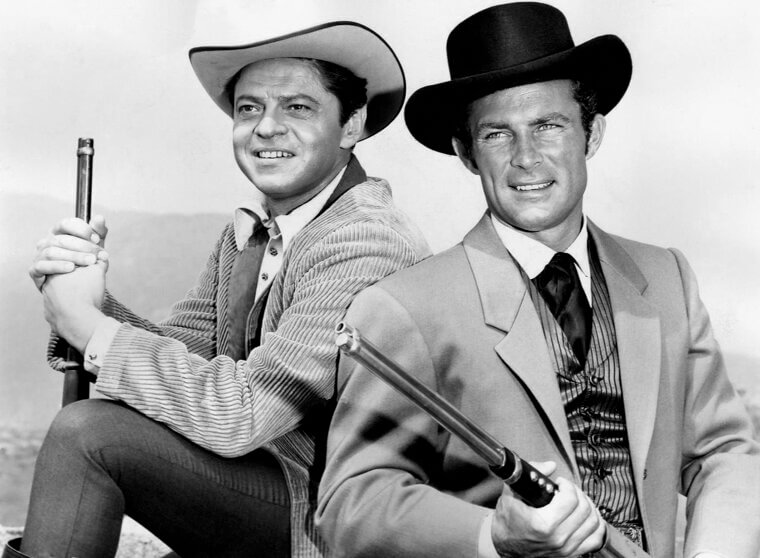
Michael Dunn appeared repeatedly as the villainous Dr. Miguelito Loveless. The series achieved strong ratings while influencing future crossover action genres. Viewers eagerly anticipated the imaginative steam-powered inventions and eccentric villains that set the program apart from traditional cowboy narratives, forging a bold path for speculative fiction.
"Daniel Boone" - Frontier Exploration and Historical Heritage
Fess Parker starred as historical frontiersman Daniel Boone in this 1960s adventure series detailing the settlement of 1770s Kentucky. Airing on NBC for 6 seasons from 1964 to 1970, the program produced 165 episodes. Ed Ames co-starred as Mingo, a Cherokee scholar educated in England, providing an intellectual companion to Boone on his wilderness journeys. Patricia Blair played Boone's wife Rebecca, while Darby Hinton portrayed his young son Israel. The show featured historical figures like George Washington and Benjamin Franklin in dramatic storylines.
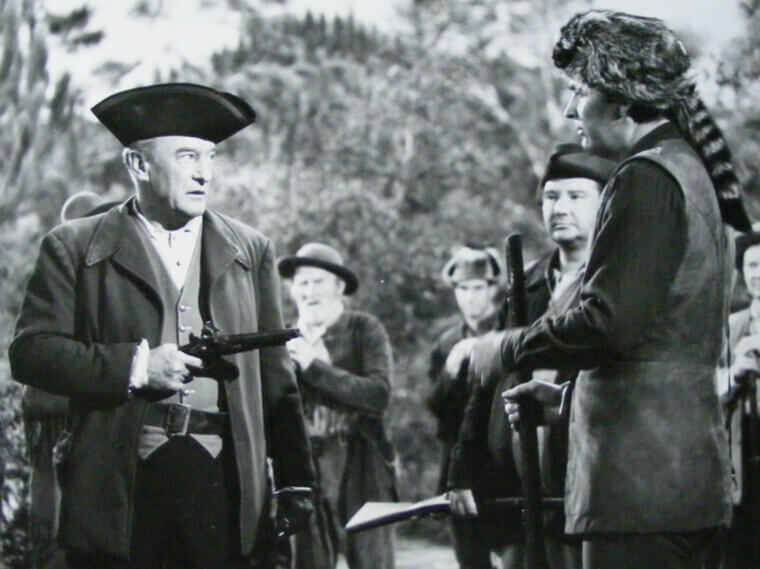
Parker's portrayal emphasized community leadership, family values, and diplomacy between European settlers and Native American tribes. Families tuned in every week to learn about early colonial expansion, making the show a cultural staple that sparked widespread interest in coonskin caps and rustic pioneer survival skills.
"Little House on the Prairie" - Rural Family Resilience and Emotional Depth
Based on the autobiographical books by Laura Ingalls Wilder, "Little House on the Prairie" captured rural life in 1870s Walnut Grove, Minnesota. Michael Landon produced, directed, and starred as Charles Ingalls, working alongside Karen Grassle as Caroline and Melissa Gilbert as Laura. The series ran for 9 seasons on NBC from 1974 to 1983, airing 204 episodes. The narrative tackled tough subjects including poverty, illness, adoption, and community prejudice with emotional sensitivity. David Rose composed the recognizable orchestral score that opened each episode.
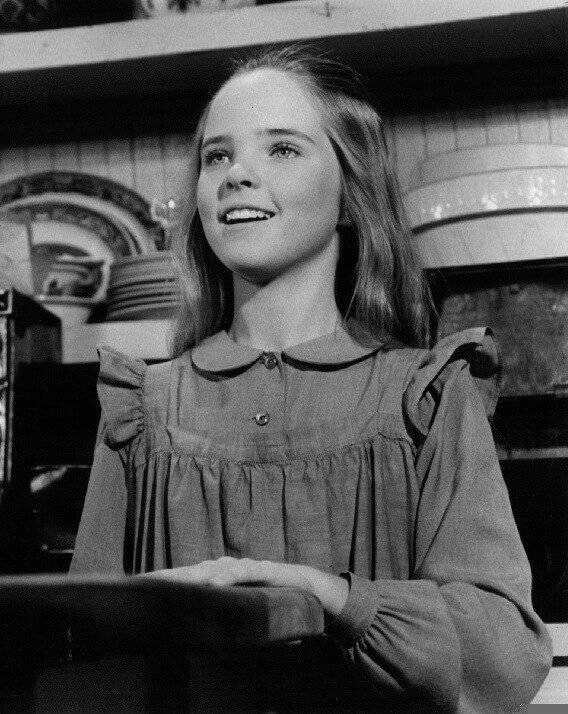
The show earned 4 Primetime Emmy Awards and remained a central pillar of family television during the 1970s and 1980s. The Ingalls family showcased remarkable strength in the face of natural disasters and personal tragedies, cementing their legacy as iconic figures in prime-time broadcasting history.
"The Dukes of Hazzard" - High-Flying Car Stunts and Southern Charm
Set in fictional Hazzard County, Georgia, "The Dukes of Hazzard" delivered lighthearted Southern comedy and automotive action on CBS. Tom Wopat and John Schneider starred as cousins Luke and Bo Duke, driving their 1969 Dodge Charger named the General Lee across 7 seasons from 1979 to 1985. Catherine Bach played Daisy Duke, while Denver Pyle portrayed Uncle Jesse. Sorrell Booke entertained audiences as corrupt commissioner Boss Hogg, constantly pursuing the boys alongside James Best as Sheriff Rosco P.
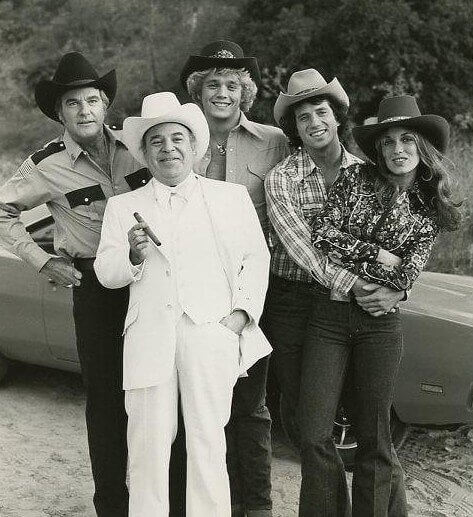
Coltrane. Waylon Jennings provided narration and recorded the hit theme song. The show generated 147 episodes and spawned a massive merchandise line including die-cast cars and apparel. The spectacular vehicle jumps and witty backwoods dialogue turned the production into an unforgettable piece of 1980s pop culture that still enjoys strong syndication.
"Dallas" - High-Stakes Oil Dynasties and Cliffhangers
"Dallas" revolutionized prime-time serial drama by following the wealthy Ewing family and their Texas oil empire. Larry Hagman starred as J.R. Ewing, a scheming tycoon whose ruthless business tactics drove 14 seasons from 1978 to 1991 on CBS. Patrick Duffy played his brother Bobby, while Linda Gray portrayed Sue Ellen. The 1980 episode addressing who shot J.R. set international viewing records, drawing over 83,000,000 viewers in the United States alone. The show produced 357 episodes, earning 4 Primetime Emmy Awards and establishing cliffhangers as a standard television tool.
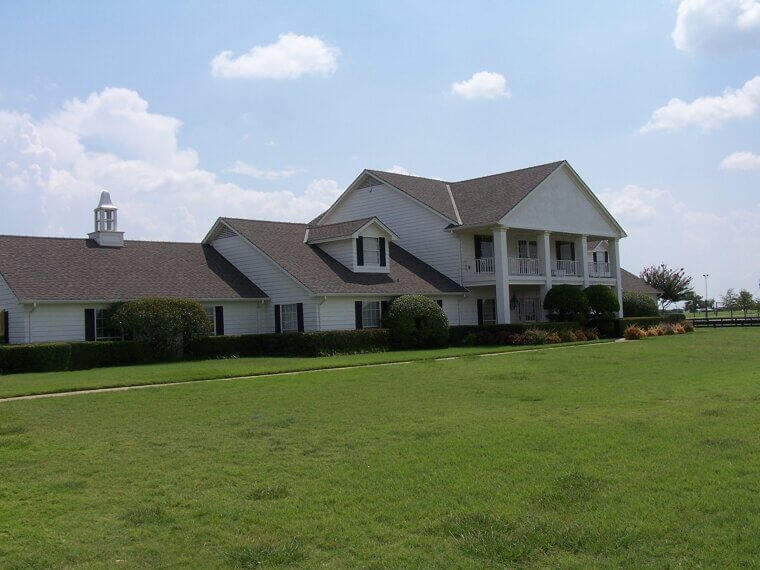
Its depiction of Texas excess, family rivalry, and corporate combat captivated global audiences for over a decade. The lavish wardrobes and extravagant lifestyles presented a glamorous modernization of the traditional Southern setting, inspiring countless nighttime soap operas in the process.
"The Waltons" - Warm Appalachian Traditions and Family Kinship
Set in rural Virginia during the Great Depression and World War 2, "The Waltons" presented a heartfelt portrait of 3 generations living under 1 roof. Richard Thomas starred as John-Boy Walton, an aspiring writer whose voice guided the narrative across 9 seasons on CBS from 1972 to 1981. Ralph Waite and Miss Michael Learned played his parents, while Will Geer and Ellen Corby portrayed his grandparents. The show broadcast 221 episodes, winning 13 Primetime Emmy Awards and a Peabody Award for its realistic depictions of family devotion and economic hardship.
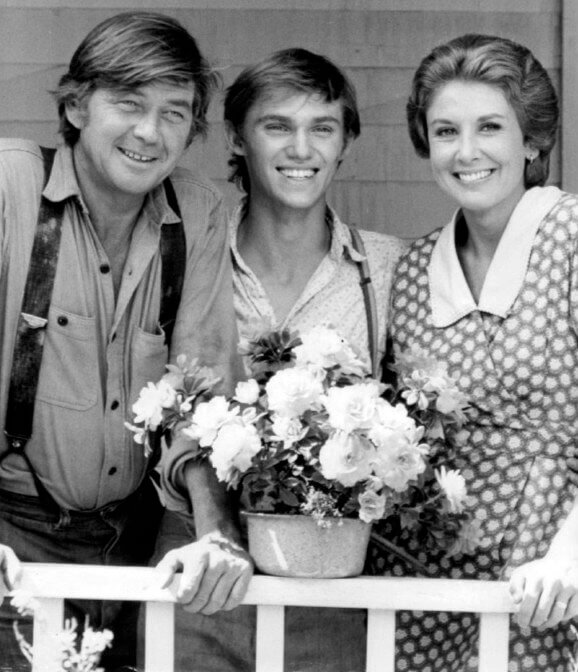
Each episode concluded with the iconic nighttime sign-off between family members, creating an enduring legacy in television history. Audiences resonated with the authentic struggles and triumphs of the mountain community, finding comfort in the show's emphasis on moral integrity and simple living.
"Dr. Quinn, Medicine Woman" - Frontier Medicine and Progressive Themes
Jane Seymour starred as Dr. Michaela Quinn, an independent female physician establishing a medical practice in 1860s Colorado Springs, Colorado. Airing on CBS from 1993 to 1998 across 6 seasons, the series produced 150 episodes. Joe Lando co-starred as Byron Sully, an outdoorsman who became her trusted partner and husband. The drama addressed complex historical issues including women's rights, cultural tolerance with Native American nations, and medical developments during the post-Civil War era. Filmed on location at Paramount Ranch in California, the series earned 4 Primetime Emmy Awards.
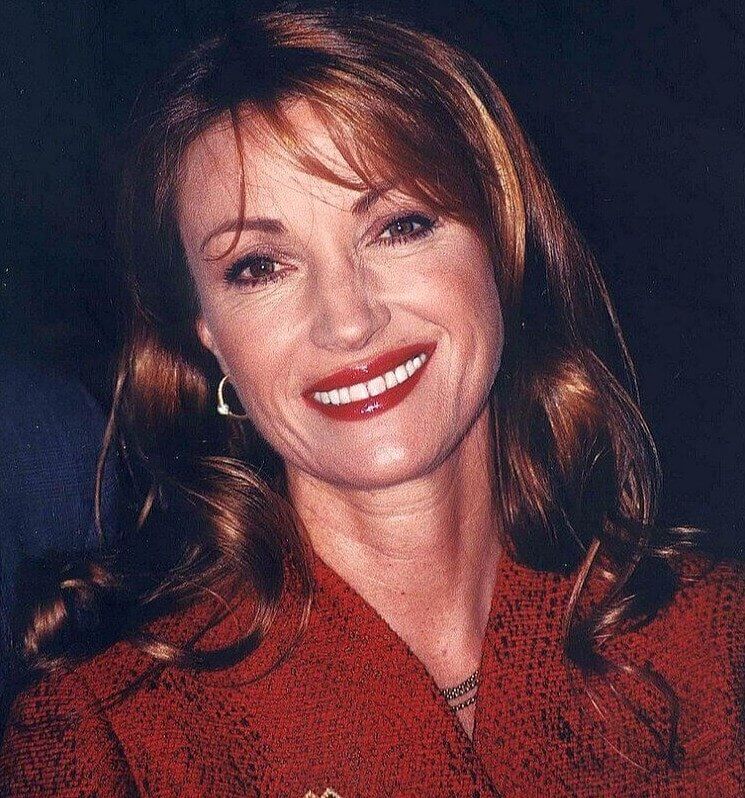
It attracted a devoted international audience that appreciated its mix of romance, history, and humanitarian themes. The compelling character arcs demonstrated that family-oriented programming could successfully tackle challenging social discussions without sacrificing mainstream entertainment value or period authenticity.
"Walker, Texas Ranger" - Martial Arts Precision and Frontier Justice
Chuck Norris brought martial arts action and traditional law enforcement values to "Walker, Texas Ranger" on CBS. Running from 1993 to 2001, the series produced 201 episodes over 8 seasons. Norris played Cordell Walker, a former Marine and senior Texas Ranger who relied on martial arts skills to fight crime in Dallas and surrounding regions. Clarence Gilyard Jr. co-starred as his partner James Trivette, while Sheree J. Wilson portrayed prosecutor Alex Cahill. Noble Willingham played retired Ranger C.D.
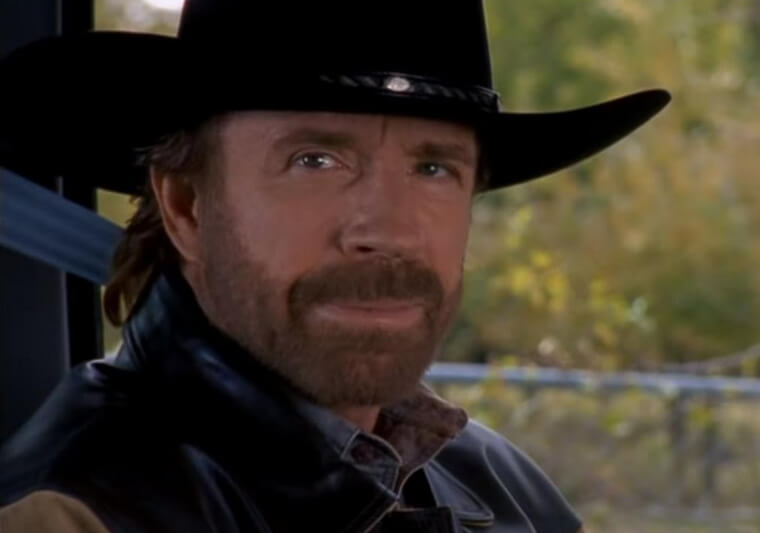
Parker. The show combined modern crime investigations with classic Western morality, regularly drawing strong weekend ratings throughout the 1990s. The production frequently highlighted positive messages about youth mentorship, community safety, and personal discipline, allowing the show to remain a staple in syndication for years after its original television broadcast concluded.
"Lonesome Dove" - Epic Cinematography and Western Realism
Adapted from Larry McMurtry's Pulitzer Prize-winning novel, "Lonesome Dove" redefined televised Westerns when it aired on CBS in 1989. Robert Duvall starred as Augustus "Gus" McCrae and Tommy Lee Jones played Woodrow F. Call, 2 retired Texas Rangers leading a cattle drive from Texas to Montana. The 4-part miniseries featured an star-studded ensemble including Danny Glover, Diane Lane, Anjelica Huston, and Ricky Schroder. Basil Poledouris composed a sweeping musical score that earned critical acclaim. The production won 7 Primetime Emmy Awards and 2 Golden Globes, proving that audiences remained hungry for authentic, character-driven Western epics.
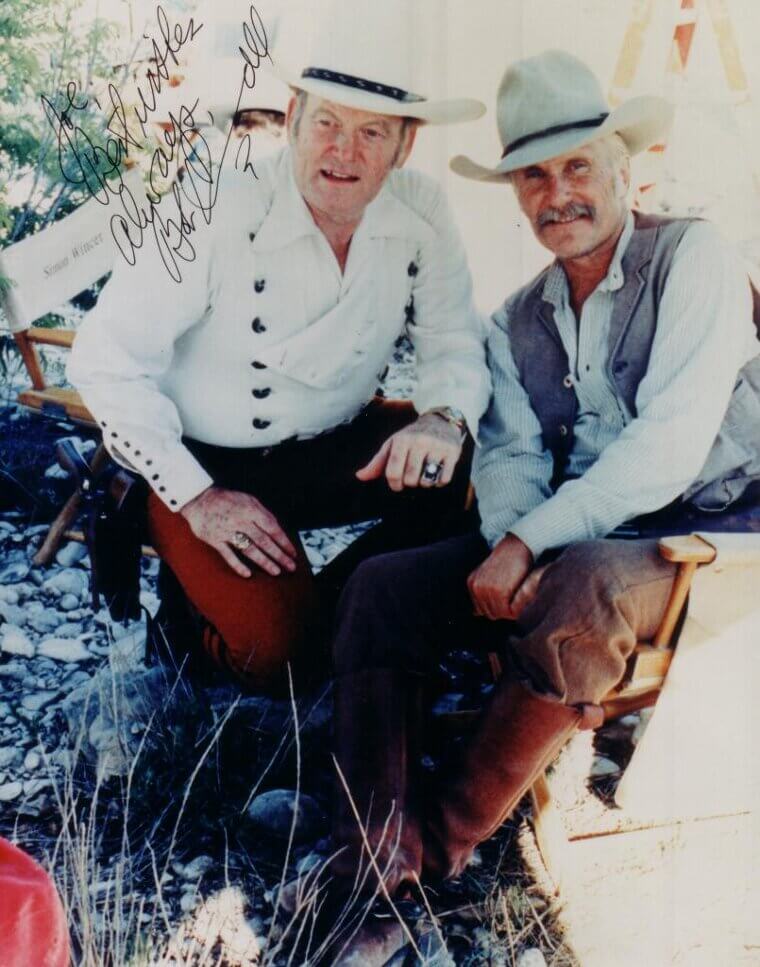
Its uncompromising portrayal of frontier hardships, complex friendships, and tragic romance set a towering benchmark, elevating the entire genre and inspiring numerous subsequent television projects focused on the rigorous pioneer experience.
"The High Chaparral" - Arizona Territory Battles and Cultural Alliances
Created by David Dortort, who also created "Bonanza," "The High Chaparral" focused on the Cannon family as they established a ranch in 1870s Arizona Territory. Leif Erickson starred as John Cannon, alongside Cameron Mitchell as his brother Buck. Linda Cristal portrayed Victoria Montoya, bridging cultural ties with her wealthy Mexican landowner family, played by Frank Silvera and Henry Darrow as Manolito. Airing for 4 seasons on NBC from 1967 to 1971, the series produced 98 episodes.
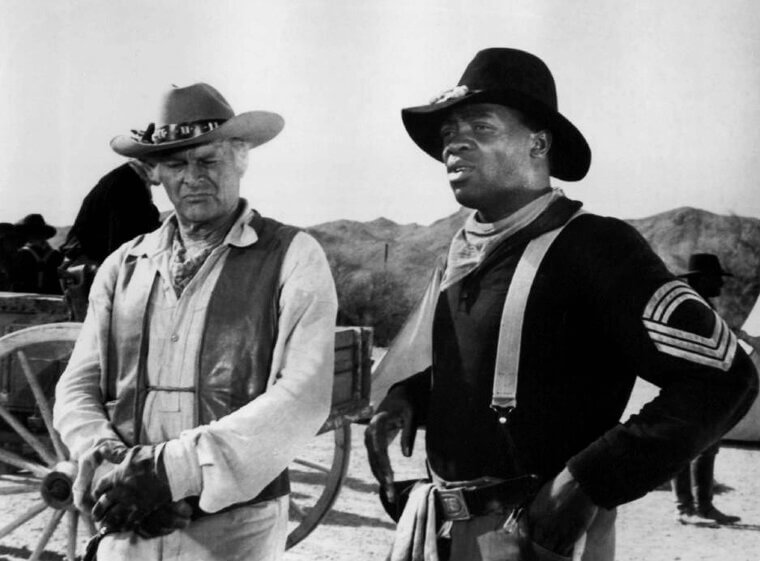
Filmed partly at Old Tucson Studios, the show was praised for its realistic set design, harsh desert environments, and multi-layered portrayals of Hispanic and Native American figures. The narrative tackled the brutal realities of Apache conflicts and border disputes, presenting a nuanced look at the dangerous alliances required for survival in the unforgiving Southwest.
"Kung Fu" - Eastern Philosophy Meets the Old West
David Carradine starred as Kwai Chang Caine, a Shaolin monk traveling through the American 1870s West in search of his half-brother. Airing on ABC for 3 seasons from 1972 to 1975, "Kung Fu" produced 63 episodes. The series blended Eastern philosophy with traditional Western action, utilizing slow-motion martial arts sequences and flashback scenes featuring Keye Luke as Master Po and Philip Ahn as Master Kan. Caine avoided violence whenever possible, using spiritual wisdom to resolve conflicts.
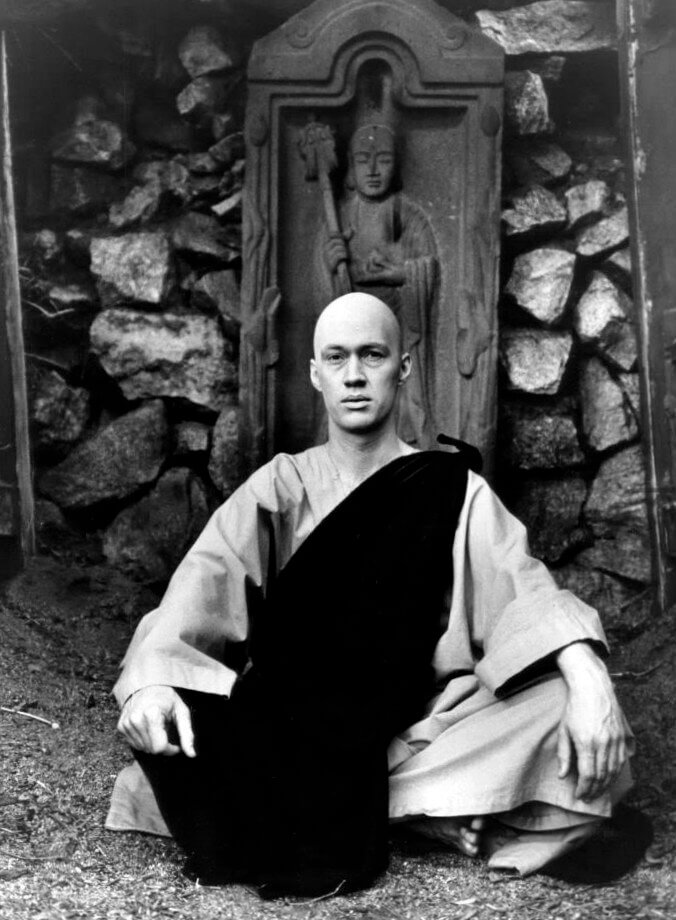
The innovative format earned 2 Primetime Emmy Awards and inspired future generations of action filmmakers who merged martial arts choreography with American genre storytelling. The program introduced prime-time audiences to concepts of mindfulness and non-lethal defense, proving that quiet contemplation could be just as compelling as a traditional high-noon shootout.
"Alias Smith and Jones" - Quick Wits and Outlaw Redemption
Inspired by the success of "Butch Cassidy and the Sundance Kid," "Alias Smith and Jones" followed 2 reformed outlaws attempting to earn an official amnesty from the governor. Pete Duel played Hannibal Heyes (alias Joshua Smith) and Ben Murphy starred as Kid Curry (alias Thaddeus Jones). The series ran on ABC for 3 seasons from 1971 to 1973, completing 50 episodes. Roger Davis narrated the opening sequence and later took over the role of Heyes following Duel's death in late 1971.
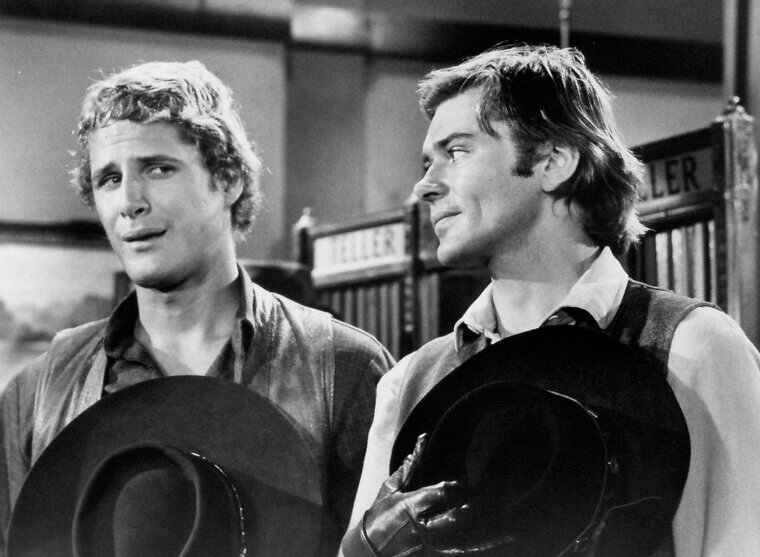
The show relied on clever disguises, poker games, and humorous strategy rather than lethal gunplay, establishing a distinct lighthearted tone during the early 1970s. Fans enjoyed the undeniable chemistry between the lead characters as they continually outsmarted bounty hunters and corrupt officials while trying to stay on the correct side of the law.
"F Troop" - Frontier Parody and Slapstick Comedy
Satirizing 19th-century military life, "F Troop" delivered slapstick comedy across 2 seasons on ABC from 1965 to 1967. Ken Berry starred as the accidental war hero Captain Wilton Parmenter, stationed at Fort Courage in Kansas. Forrest Tucker played the scheming Sergeant O'Rourke, while Larry Storch portrayed Corporal Agarn, both running illegal business ventures through the O'Rourke Enterprises outfit. Melody Patterson co-starred as Wrangell Jane, and Frank de Kova played Chief Wild Eagle of the Hekawi tribe.
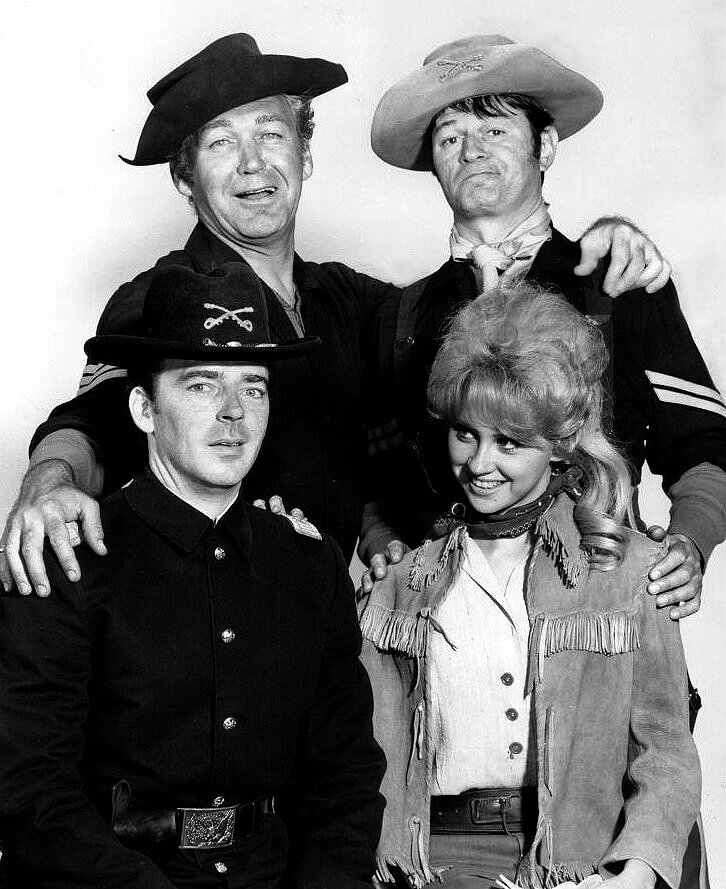
Producing 65 episodes, the 1st season aired in black-and-white while the 2nd season expanded into bright color. The fast-paced physical comedy made it a syndicated favorite for decades. The ridiculous scenarios, visual gags, and catchy theme song offered viewers a hilarious escape from the more serious prime-time dramas airing during that television era.
"The Young Riders" - Pony Express Adventures and Youthful Energy
"The Young Riders" brought modern youth energy to the Western genre on ABC, running for 3 seasons from 1989 to 1992. The show focused on a fictional group of Pony Express riders stationed at Sweetwater, Kansas, prior to the American Civil War. Ty Miller played Billy the Kid, Stephen Baldwin portrayed William F. Cody, and Josh Brolin starred as James Butler Hickok. Anthony Zerbe played station master Teaspoon Hunter, while Melissa Leo co-starred as Emma Shannon.
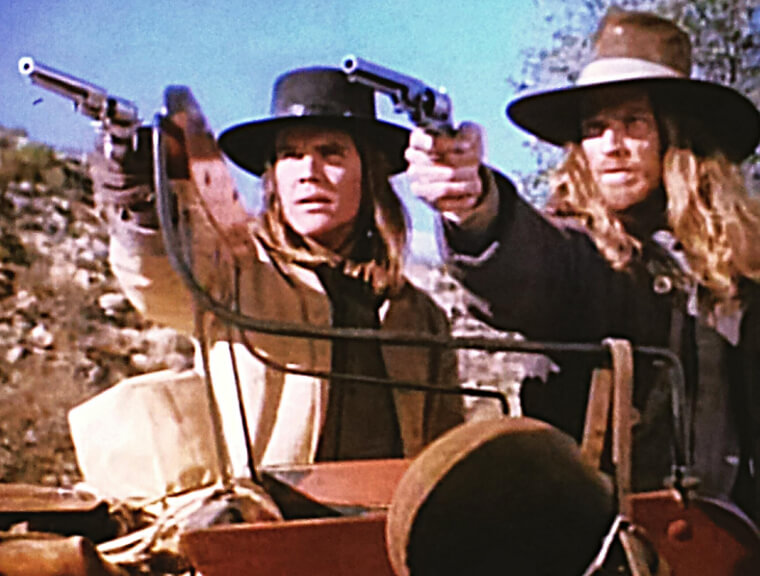
The series produced 67 episodes, earning 2 Primetime Emmy Awards for music composition and costume design. It appealed to younger viewers by blending historical figures with fast action and ensemble drama. The production tackled serious topics like abolitionism and coming-of-age challenges, ensuring the historical fiction remained emotionally engaging for its dedicated weekend audience.
"How the West Was Won" - Settler Struggles and Western Expansion
Expanding on the 1962 feature film of the same name, "How the West Was Won" captured the migration of the Macahan family as they moved westward from Virginia. James Arness starred as frontiersman Zeb Macahan, marking his major return to television following "Gunsmoke." Fionnula Flanagan played Molly Culhane, overseeing the family children through dangerous frontier encounters across 3 seasons on ABC from 1976 to 1979. The epic broadcast 29 episodes, filmed across scenic wilderness locations in Utah, Arizona, and California.
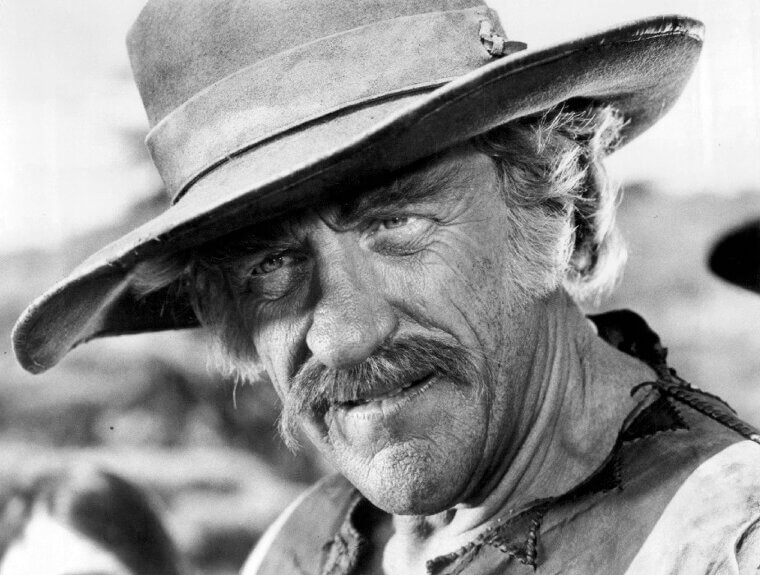
Bruce Boxleitner co-starred as Seth Macahan. The miniseries format permitted sprawling storylines involving Native American alliances, military skirmishes, and pioneer survival. The detailed costume designs and massive outdoor filming sets provided an incredible visual experience that rivaled theatrical releases, cementing its status as a premium network television event.
"Centennial" - Sprawling Historical Sagas across Centuries
Based on James A. Michener's massive historical novel, "Centennial" presented a 26-hour television event on NBC from 1978 to 1979. The 12-chapter miniseries detailed the creation of a fictional town in eastern Colorado across 2 centuries, starting in the late 1700s. An ensemble cast included Robert Conrad, Raymond Burr, Richard Chamberlain, Barbara Carrera, and Dennis Weaver. The narrative traced trappers, Native American tribes, cattle ranchers, and modern developers as they shaped the Western landscape. Nominated for 2 Golden Globe Awards, the ambitious project stood out for its historical detail, grand orchestral score by John Addison, and expansive chronological scope.
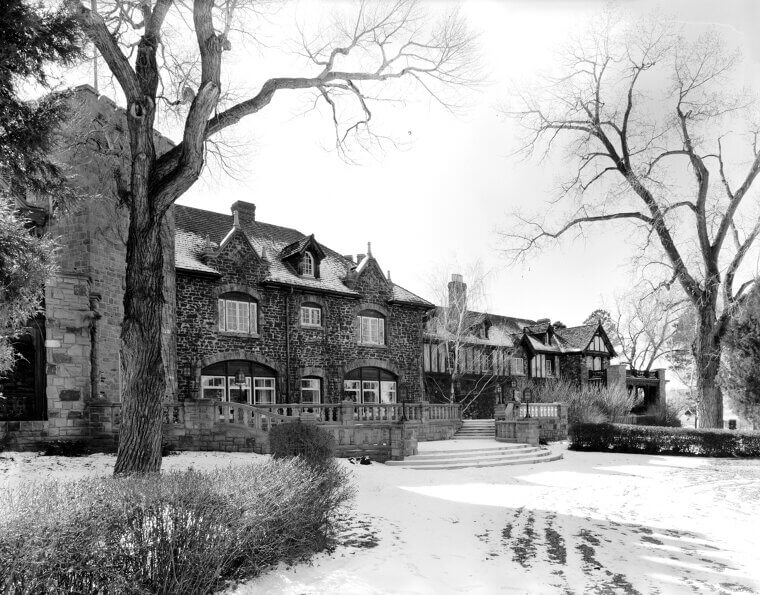
The sheer scale of the storytelling allowed audiences to witness generations of characters passing the torch, leaving a profound impact on how networks approached long-form historical fiction in subsequent decades.
"Cheyenne" - Lone Wanderer Stories and Early TV Western Leadership
"Cheyenne" made history in 1955 as the 1st hour-long dramatic Western series produced by a major Hollywood studio, Warner Bros. Clint Walker starred as Cheyenne Bodie, a massive, gentle wanderer who traveled the post-Civil War frontier taking on jobs as a scout, deputy, and trail boss. The series broadcast 108 episodes across 7 seasons on ABC, ending its run in 1963. Walker's quiet dignity and impressive physical stature made him an instant star. The show set a standard for hour-long anthology-style Westerns, using revolving settings and guest casts to explore different aspects of frontier expansion every week.
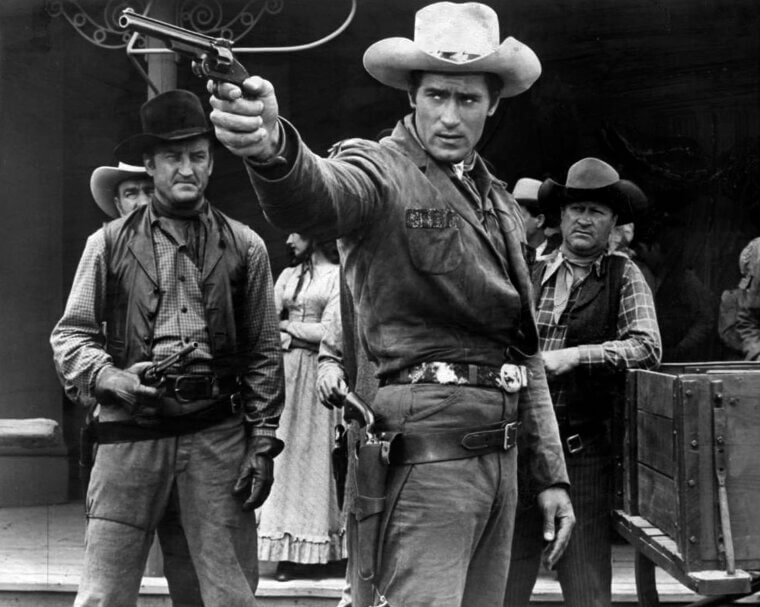
Fans admired his moral compass and willingness to defend vulnerable settlers, traits that defined the archetype of the righteous cowboy hero for the remainder of the 1950s and beyond.
"Wagon Train" - Anthological Frontier Journeys and Guest Stars
Depicting the journey of a overland wagon train travelling from Missouri to California, "Wagon Train" aired from 1957 to 1965 across 8 seasons. Ward Bond starred as Wagonmaster Seth Adams during early seasons, with John McIntire taking over leadership as Chris Hale in later episodes. Robert Horton co-starred as scout Flint McCullough. Broadcasting 284 episodes on NBC and ABC, the series became the number 1 show on television in 1961. Each episode functioned like a standalone movie, centering on individual passengers played by guest stars like Ernest Borgnine, Bette Davis, and Ronald Reagan as they faced personal and environmental trials.
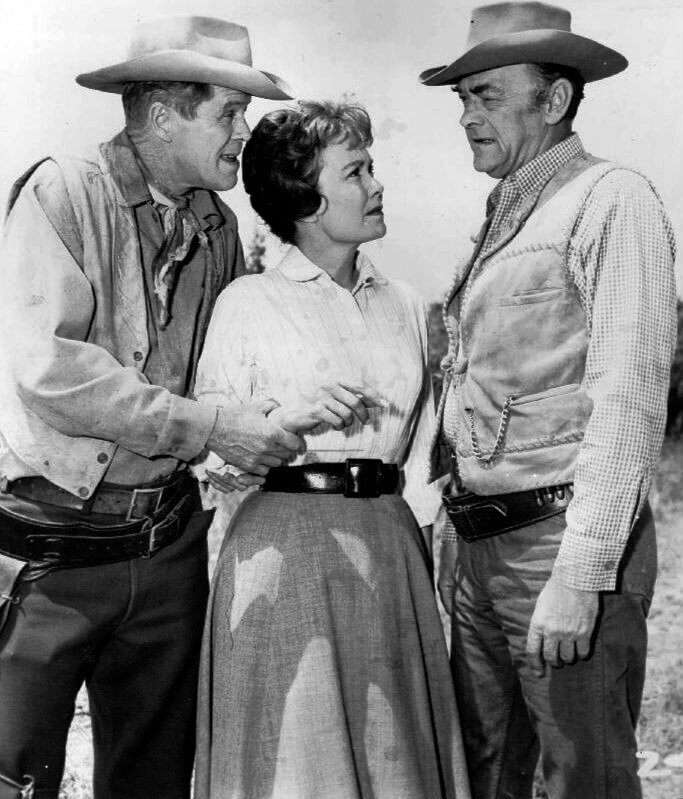
This structure allowed writers to explore diverse genres within a single series, ranging from psychological thrillers to lighthearted comedies, keeping the viewing public eagerly engaged week after week.
"The Life and Legend of Wyatt Earp" - Historical Lawmen and Buntline Specials
Hugh O'Brian starred as real-life frontier lawman Wyatt Earp in "The Life and Legend of Wyatt Earp," running for 6 seasons on ABC from 1955 to 1961. The show produced 226 episodes, following Earp's career through Ellsworth and Dodge City, Kansas, before concluding with the infamous gunfight near the O.K. Corral in Tombstone, Arizona. O'Brian carried a custom long-barreled Colt single-action revolver known as the Buntline Special. The series was credited with starting the adult Western TV trend in the mid-1950s, emphasizing authentic historical figures and dramatic tension over simplistic action.
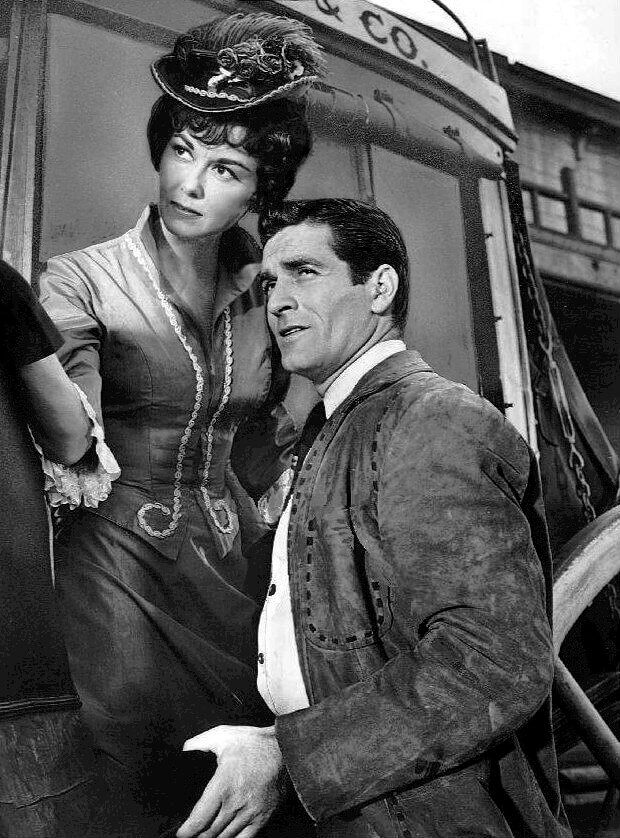
The production team reportedly consulted historical records to ensure accuracy regarding the major milestones of Earp's career, giving viewers an educational yet highly entertaining glimpse into the brutal reality of territorial law enforcement during the late 1800s.
"Bat Masterson" - Stylish Dandy Lawmen and Cane Defense
Gene Barry brought charm and tailored fashion to "Bat Masterson" as the real-life gambler, lawman, and sports writer William Barclay "Bat" Masterson. Airing on NBC for 3 seasons from 1958 to 1961, the series produced 108 episodes. Masterson stood out from traditional TV cowboys by wearing a derby hat and carrying a custom gold-topped cane, which he frequently used to disarm adversaries without firing his gun. The popular theme song highlighted his reputation as a gentleman lawman across the West.
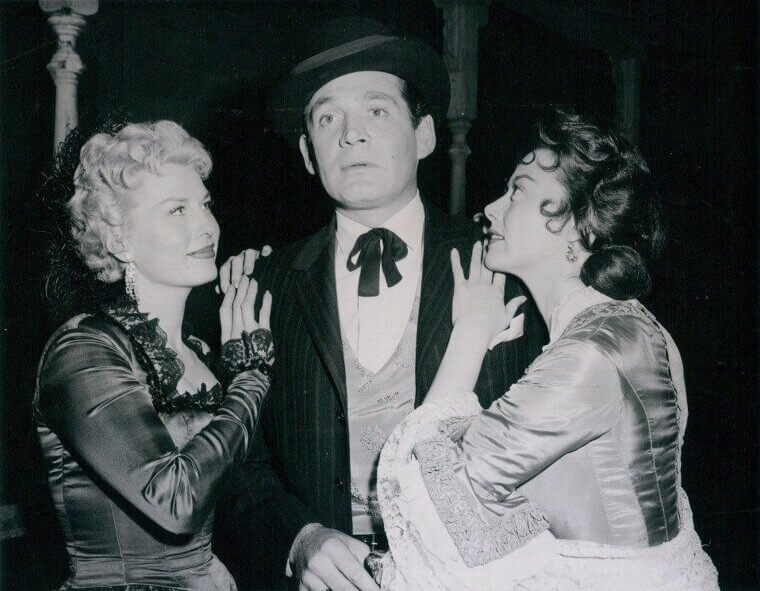
The show combined humor, quick diplomacy, and stylish action, making it a favorite entry in the era's Western lineup. Barry's charismatic performance proved that heroes did not always need to rely on brute force, charming audiences with sophisticated dialogue and clever maneuvers that outwitted the most dangerous outlaws.
"Laramie" - Wyoming Territory Ranching and Defense
Set in 1870s Wyoming Territory, "Laramie" followed 2 brothers and their allies running a stagecoach station and ranch near Laramie. John Smith starred as Slim Sherman, while Robert Fuller played ex-gunfighter Jess Harper across 4 seasons on NBC from 1959 to 1963. Hoagy Carmichael co-starred as Jonesy during the 1st season, contributing musical interludes to the episodes. The show broadcast 124 episodes, transitioning into full color for its final 2 seasons. The narrative focused on loyalty, hardship, and community building, with Slim and Jess repeatedly defending their property and travelers from outlaws passing through the territory.
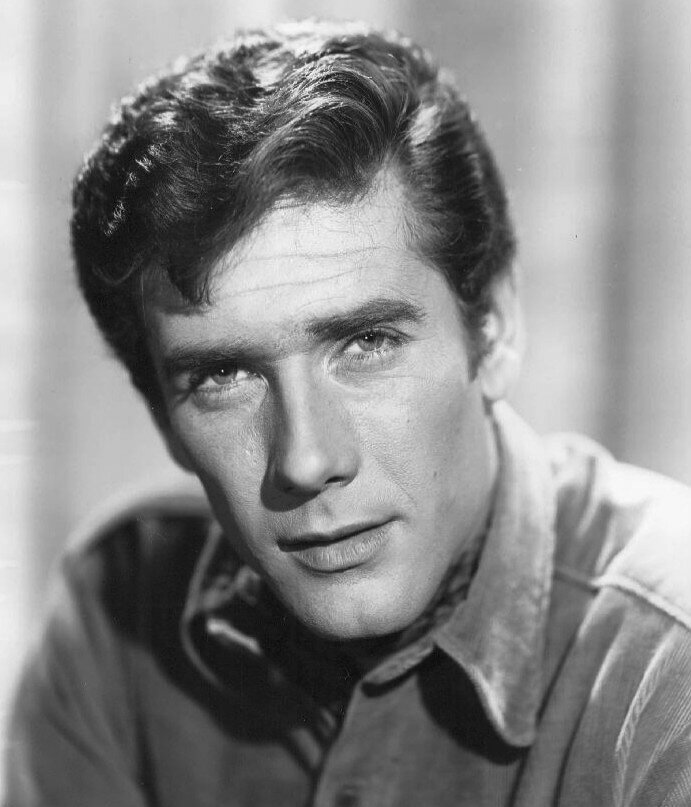
The deep bond between the 2 main characters served as the emotional anchor, providing a compelling portrayal of surrogate brotherhood and mutual respect amid the harsh challenges of pioneer existence.
"Here Come the Brides" - Frontier Romance and Seattle Settlers
Loosely based on historical Mercer Girls, "Here Come the Brides" brought comedy and pioneer romance to ABC from 1968 to 1970. Robert Brown starred as Jason Bolt, a logging camp boss in 1860s Seattle who arranged for 100 eligible women from Massachusetts to travel west to boost worker morale. Bobby Sherman co-starred as Jeremy Bolt, while David Soul played Joshua Bolt. The series aired 52 episodes over 2 seasons, generating popular hit records for its cast members and launching Soul and Sherman into teen idol status.
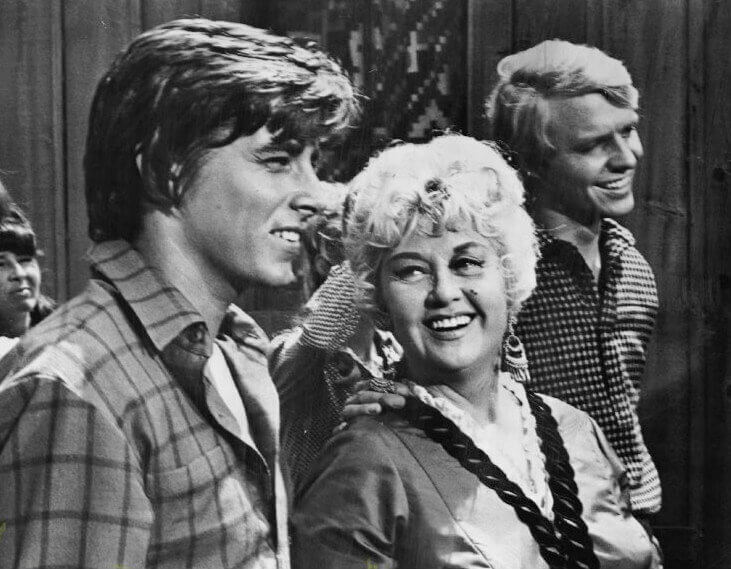
The show highlighted themes of community building, humor, and romantic comedy in the Pacific Northwest frontier. Fans appreciated the upbeat musical sequences and the focus on civilian enterprise rather than typical cowboy gunfights, offering a refreshing take on historical television programming.
"The Beverly Hillbillies" - Country Humor and Culture Clash
"The Beverly Hillbillies" captured rural Southern humor when an Ozark family struck crude oil and relocated to a mansion in California. Buddy Ebsen starred as Jed Clampett, alongside Irene Ryan as Granny, Donna Douglas as Elly May, and Max Baer Jr. as Jethro Bodine. Airing on CBS for 9 seasons from 1962 to 1971, the series produced 274 episodes. The show held the number 1 spot in national ratings for its 1st 2 seasons and earned 7 Primetime Emmy Award nominations.
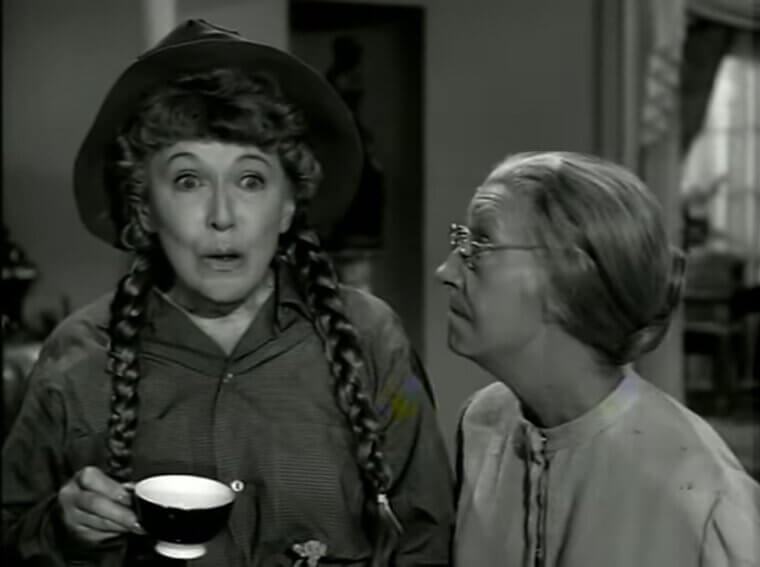
Earl Scruggs and Lester Flatt recorded the iconic bluegrass theme song. Its lighthearted culture-clash comedy made it 1 of the most watched sitcoms in television history. The sharp comedic writing constantly poked fun at wealthy elites, demonstrating that simple country wisdom often triumphed over superficial high-society manners.
"The Andy Griffith Show" - Small-Town Southern Charm and Folk Wisdom
Set in the fictional community of Mayberry, North Carolina, "The Andy Griffith Show" presented enduring Southern warmth across 8 seasons on CBS from 1960 to 1968. Andy Griffith starred as Sheriff Andy Taylor, a widowed father using patience and common sense rather than a firearm to maintain local peace. Don Knotts played nervous deputy Barney Fife, a performance that earned him 5 Primetime Emmy Awards. Frances Bavier starred as Aunt Bee, while Ron Howard played young Opie.
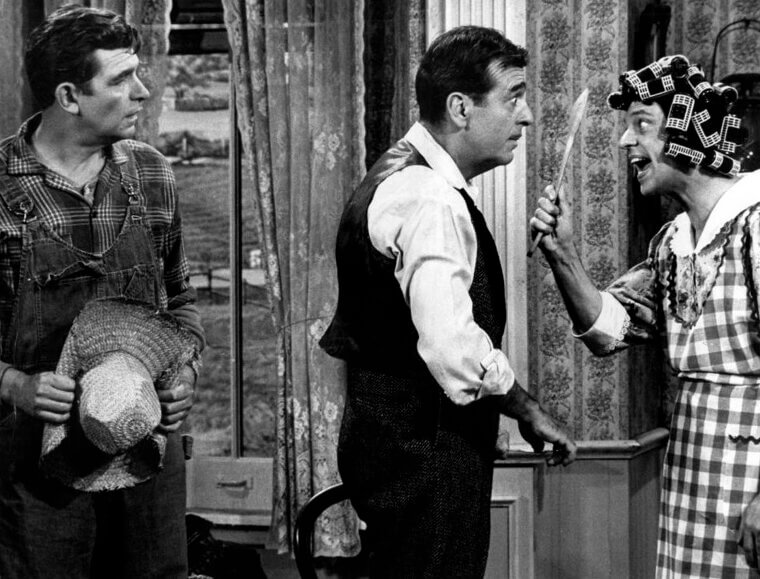
The show broadcast 249 episodes and famously finished its final season as the number 1 ranked show in the United States, leaving a permanent mark on classic American television. The idyllic setting and focus on interpersonal relationships created a comforting nostalgic retreat that viewers continue to cherish in modern reruns.
"Petticoat Junction" - Rural Hotel Mischief and Railroad Nostalgia
Created by Paul Henning, "Petticoat Junction" centered on the Shady Rest Hotel along the Hooterville Cannonball steam railroad line. Bea Benaderet starred as Kate Bradley, a widowed mother managing the country hotel alongside her 3 daughters, played across seasons by Linda Kaye Henning, Jeannine Riley, Pat Woodell, Lori Saunders, and Meredith MacRae. Edgar Buchanan co-starred as lazy Uncle Joe Carson. Airing on CBS from 1963 to 1970 for 7 seasons, the sitcom produced 222 episodes.
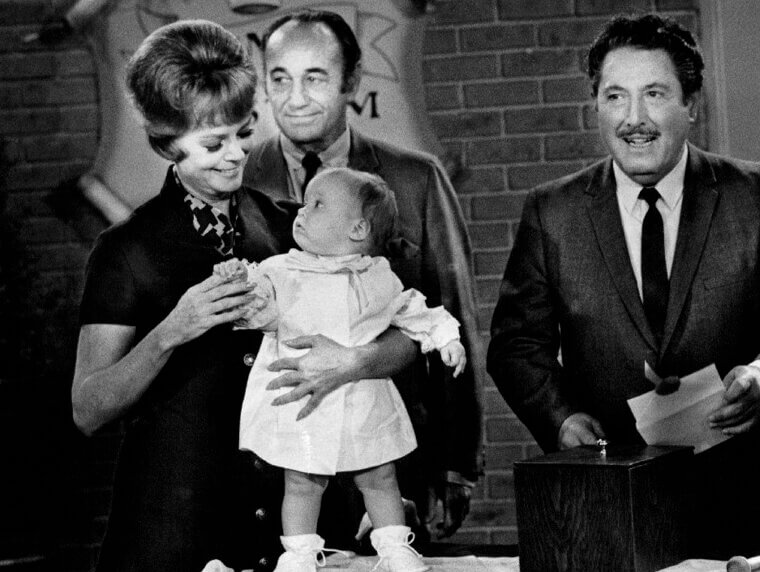
The series blended catchy musical theme songs, wholesome small-town storylines, and rural humor, forming a central part of CBS's popular 1960s rural comedy programming block. The lighthearted misadventures surrounding the hotel guests and the beloved train line created an inviting atmosphere that kept families returning to their living rooms every week.
"Green Acres" - City Executives in Rural Country Settings
"Green Acres" brought surreal comedy to rural TV when a successful Manhattan lawyer moved his socialite wife to a rundown farm in Hooterville. Eddie Albert starred as Oliver Wendell Holmes, while Eva Gabor played Lisa Holmes across 6 seasons on CBS from 1965 to 1971. The show produced 170 episodes, featuring memorable supporting characters like Pat Buttram as dishonest salesman Mr. Haney, Hank Patterson as Fred Ziffel, and Arnold the Pig. Created by Jay Somers, the sitcom utilized breaking of the 4th wall, visual gags, and absurd humor.
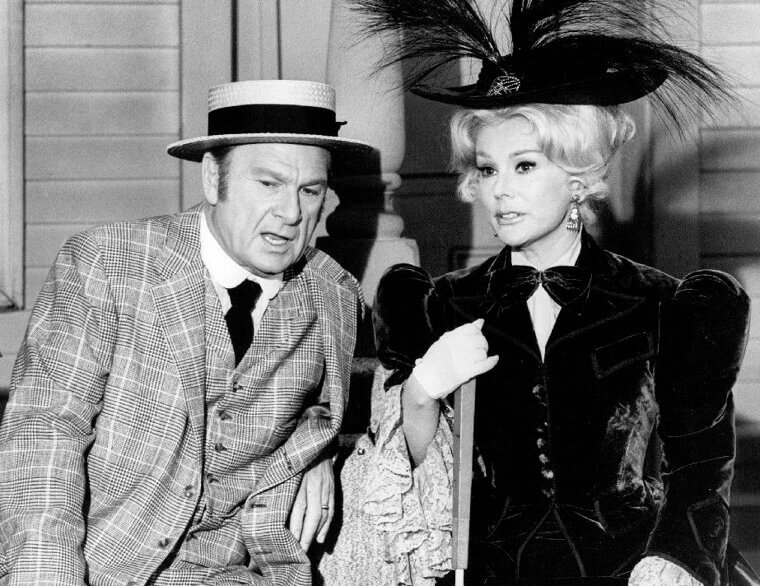
It shared characters with "Petticoat Junction," creating an early interconnected television universe that delighted country audiences. The sharp contrast between Oliver's serious farming ambitions and the bizarre behavior of the local townsfolk provided endless comedic material for prime-time broadcasting.
"In the Heat of the Night" - Southern Law Enforcement and Social Issues
Based on the 1967 film and novel, "In the Heat of the Night" brought Southern crime drama to television screens from 1988 to 1995. Carroll O'Connor starred as Police Chief Bill Gillespie in fictional Sparta, Mississippi, while Howard Rollins played Detective Virgil Tibbs. The series broadcast 146 episodes across 8 seasons on NBC and CBS. The program addressed complex racial dynamics, local politics, and modern law enforcement challenges in the American South. O'Connor earned a Primetime Emmy Award in 1989 for his commanding performance.
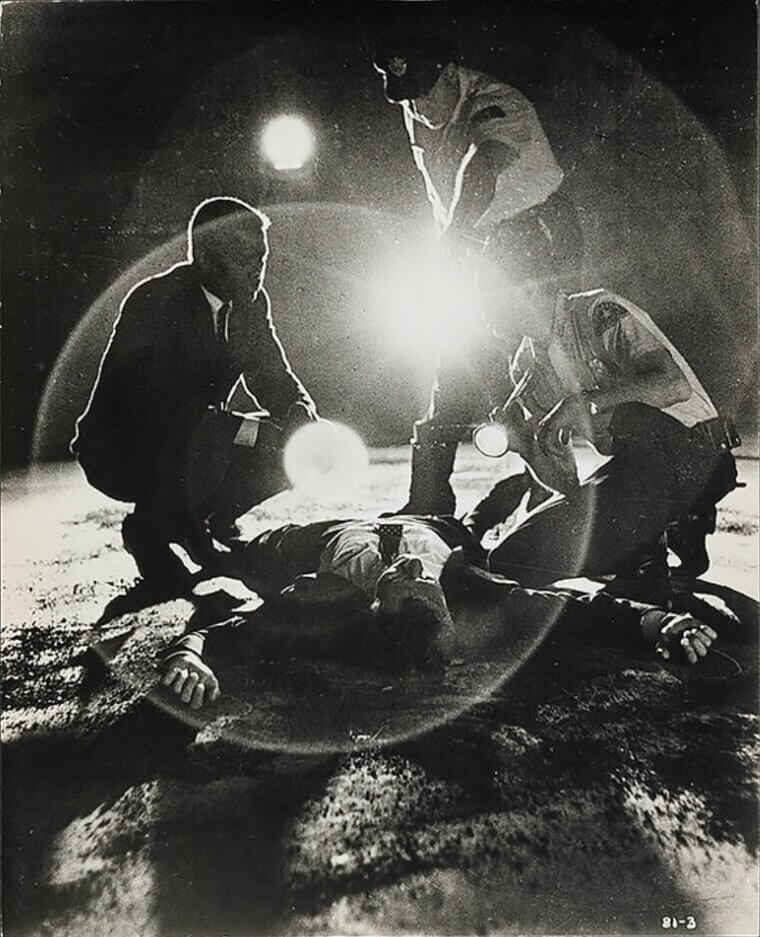
The series combined intense police investigations with human drama, proving a ratings winner throughout the late 1980s and 1990s. Writers skillfully balanced gripping criminal procedural elements with profound character studies, allowing the ensemble cast to explore the evolving cultural landscape of small-town America.