
Are you curious about the soundtrack that ruled the airwaves the year you were born? We've rounded up the absolute greatest country hits from 1945 to 1980 to take you on a nostalgic trip back in time. Scroll down to find your birth year and discover the legendary song that defines it!
1945: "Guitar Polka" by Al Dexter
Al Dexter delivered a massive hit in 1945 with this instrumental track that spent a staggering 16 weeks at the top of the jukebox charts. During a period when vocalists dominated the airwaves, an instrumental finding such immense success was relatively rare and showcased his exceptional musicianship. The tune blended traditional polka rhythms with Western swing, creating a lively sound that captivated listeners everywhere. Dexter reportedly recorded the track multiple times to get the precise energy he envisioned, though this detail remains largely unconfirmed by official studio logs. His innovative approach paved the way for future guitar-led compositions in the genre.
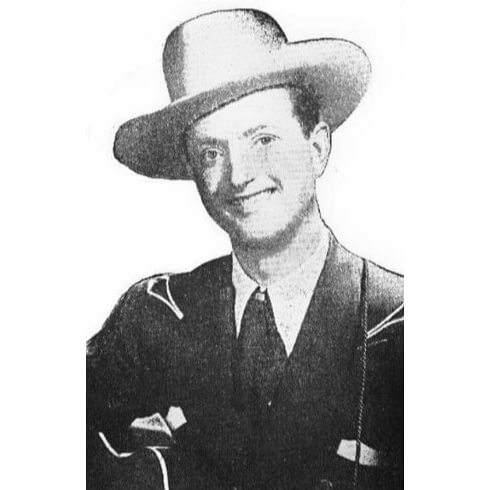
Fans flocked to dance halls just to hear bands replicate this energetic melody. It stands as a testament to the enduring appeal of upbeat string performances and his lasting impact on the music industry as a whole.
1946: "New Spanish Two Step" by Bob Wills and His Texas Playboys
Bob Wills and His Texas Playboys dominated 1946 with a track that spent 16 weeks at number 1 on the folk chart. This composition perfectly encapsulated the Western swing movement, combining jazz improvisation with traditional string band elements. Wills brought a vibrant, infectious energy to the recording, which resonated strongly with postwar audiences looking for entertainment and escapism. The group featured some of the most talented instrumentalists of the era, and their collaborative synergy shines through every measure. Many critics at the time allegedly cited this specific record as the peak of the Texas Playboy sound.
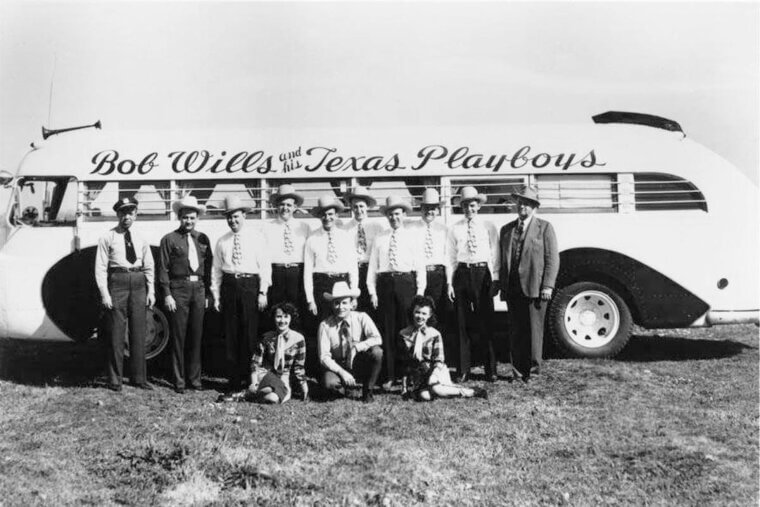
This track secured Wills a permanent place in the pantheon of country music pioneers. Its influence can still be heard in modern swing revivals today, inspiring new generations of energetic string musicians.
1947: "Smoke! Smoke! Smoke! (That Cigarette)" by Tex Williams
Tex Williams achieved incredible success with this novelty talking blues track that captured the number 1 spot for 16 weeks in 1947. Written by Merle Travis, the song cleverly addressed the pervasive habit of smoking with a healthy dose of humor and wit. Williams delivered the lyrics with a smooth, effortless vocal style that made the comedic timing land perfectly. The track was Capitol Records' first million-selling single, a monumental achievement that solidified the label's standing in the music industry. Listeners gravitated toward the relatable frustrations expressed in the lyrics about craving a smoke break.
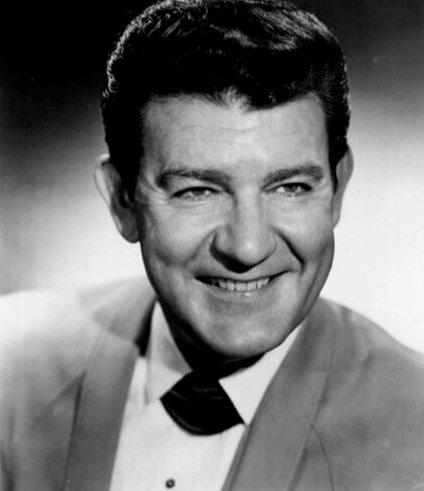
The song remains a fascinating cultural artifact of the late 1940s. It proves that a great sense of humor often translates into massive commercial triumph when paired with a talented and charismatic performer.
1948: "Bouquet of Roses" by Eddy Arnold
Eddy Arnold, known affectionately as the Tennessee Plowboy, commanded the airwaves in 1948 with this smooth, sophisticated ballad. Spending 19 weeks at the pinnacle of the charts, the song demonstrated Arnold's shift toward a more refined, crossover-friendly sound. His warm baritone voice wrapped around the lyrics with a gentle sincerity that appealed to both rural and urban listeners alike. The orchestration featured subtle, sweeping elements that moved away from the raw edge of earlier honky-tonk styles. This recording reportedly set the template for the Nashville Sound that would emerge more fully in the following decade.
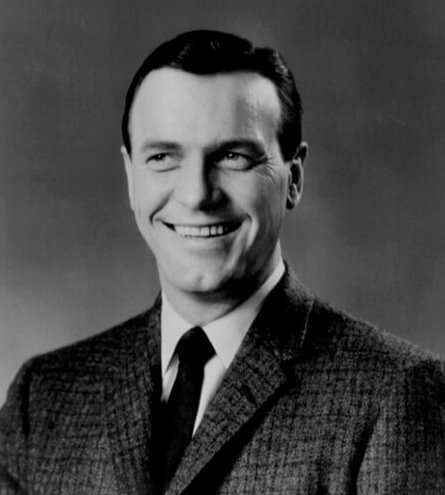
By bridging the gap between pop and country, Arnold expanded the genre's audience significantly. This classic continues to be revered for its polished elegance and its important role in changing radio formats.
1949: "Lovesick Blues" by Hank Williams
Hank Williams propelled himself into superstardom in 1949 with this dynamic track, which topped the charts for 15 consecutive weeks. Originally a show tune from the 1920s, Williams transformed the composition by injecting it with his signature yodel and raw emotional delivery. His performance at the Grand Ole Opry allegedly resulted in 6 encores, a nearly unprecedented reaction from the notoriously strict audience. The driving rhythm and prominent steel guitar created a sound that felt both modern and deeply rooted in tradition. Williams possessed a unique ability to convey profound heartache while keeping the tempo upbeat.
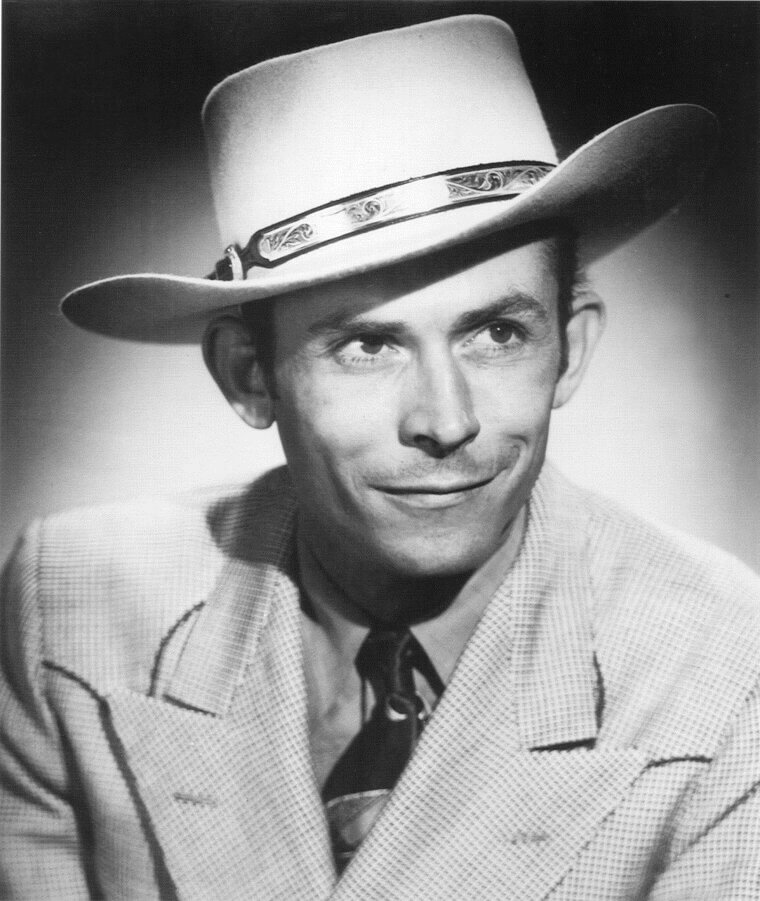
This legendary recording established him as an icon of American music. Its cultural impact remains unmatched, defining the honky-tonk sound for generations to come and inspiring countless aspiring musicians across the nation.
1950: "I'm Movin' On" by Hank Snow
Hank Snow created a defining anthem for travelers and wanderers in 1950, holding the number 1 position for 21 remarkable weeks. The steady, chugging rhythm perfectly mimicked the sound of a rolling train, matching the lyrical theme of leaving a stagnant relationship behind. Snow delivered the lyrics with a rapid-fire precision that showcased his exceptional breath control and vocal dexterity. The track established him as a premier talent in the industry and became his signature song. It reportedly inspired countless other artists to adopt a similar upbeat, locomotive-style tempo in their own recordings.
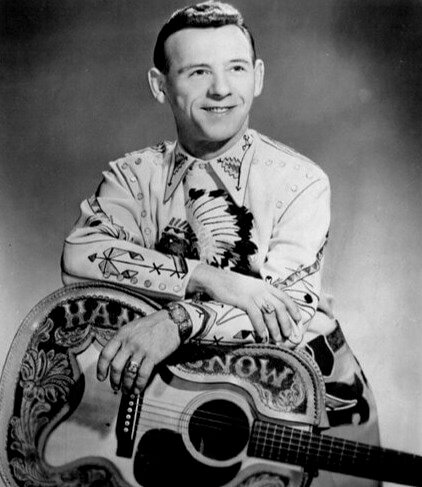
His masterful guitar playing added another layer of brilliance to the track. It stands as an enduring classic of mid-century musical storytelling that listeners still find incredibly engaging and musically impressive today.
1951: "Cold, Cold Heart" by Hank Williams
Returning to the forefront in 1951, Hank Williams released a devastatingly beautiful ballad that resonated deeply with fans across the country. The poignant lyrics explore the pain of loving someone who remains emotionally distant due to past heartbreak. Williams sang with a haunting vulnerability that made the listener feel every ounce of his sorrow. The melody was simple yet profoundly effective, allowing the powerful narrative to take center stage. Tony Bennett later covered the track, turning it into a massive pop hit and proving the universal appeal of Williams' incredible songwriting abilities.
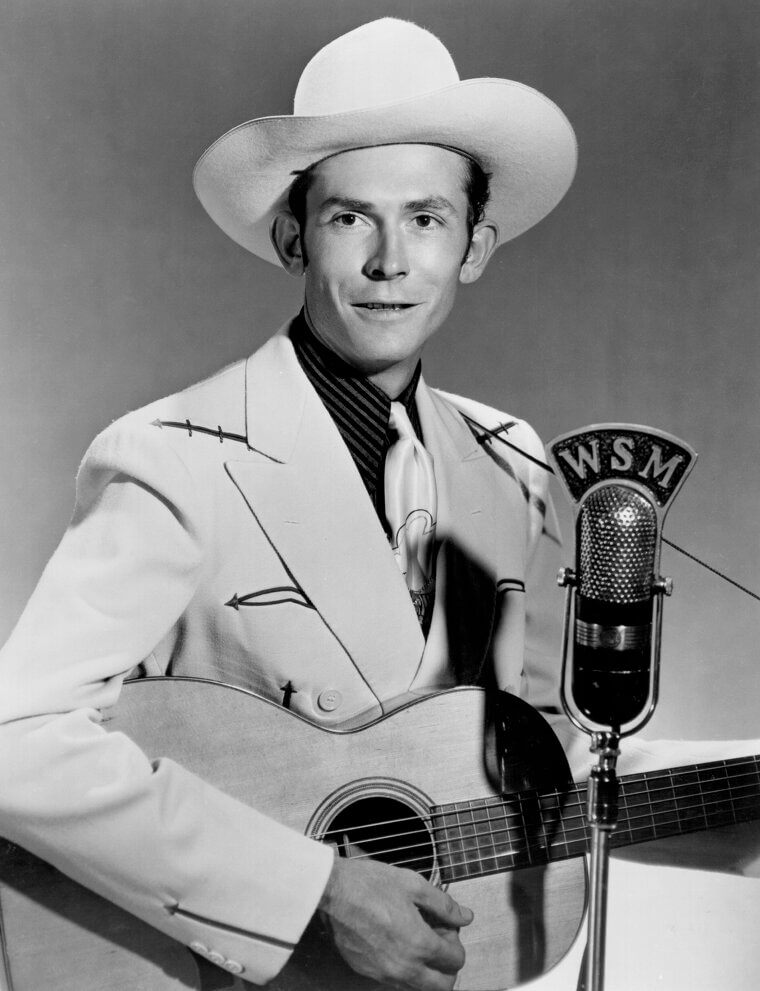
The raw honesty of this recording cements its status as a timeless masterpiece. It perfectly captures the profound complexities of human relationships in a way that continues to move modern audiences to tears.
1952: "The Wild Side of Life" by Hank Thompson
Hank Thompson scored a massive 15-week number 1 hit in 1952 with a track that tackled themes of temptation and nightlife. The melody was adapted from a traditional folk tune, giving the recording a familiar, comforting feel despite the slightly controversial subject matter. Thompson's rich, authoritative voice commanded attention, making the cautionary tale feel genuine and compelling. The song was so impactful that it allegedly prompted an answer song by Kitty Wells, which also became a massive hit and changed the landscape for female artists. The rich steel guitar work exemplifies the classic Texas honky-tonk style.
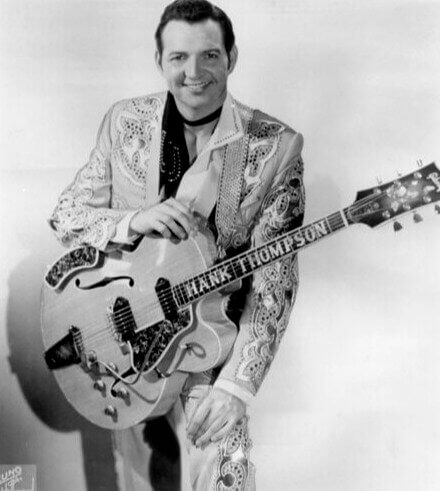
Its cultural footprint extends far beyond its initial chart success. This iconic track remains a vital piece of 1950s musical history, highlighting the era's fascinating interplay between traditional morals and evolving social habits.
1953: "Kaw-Liga" by Hank Williams
Released posthumously in 1953, this unique narrative track spent 14 weeks at the top of the charts, cementing Hank Williams' lasting legacy. The song tells the fictional, tragic love story of a wooden Indian statue who silently pines for a female antique across the store. Driven by a distinct, rhythmic drumbeat that mimicked Native American musical motifs, the recording sounded quite different from his usual honky-tonk fare. Williams co-wrote the piece with Fred Rose, and they reportedly drew inspiration from a real wooden statue they saw while vacationing. The clever lyrics mix humor with genuine pathos.
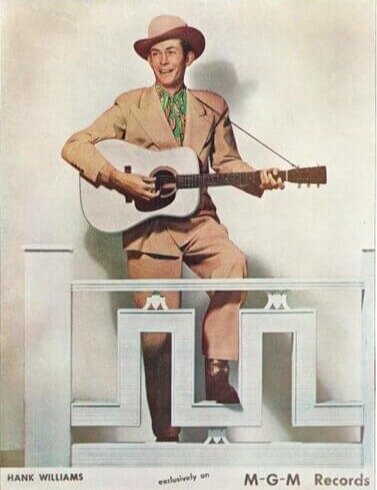
Even after his untimely passing, his ability to captivate audiences remained undiminished. The creative storytelling continues to charm new generations of listeners, serving as a reminder of his boundless and versatile imagination.
1954: "I Don't Hurt Anymore" by Hank Snow
Hank Snow dominated 1954 with a resilient breakup anthem that maintained the number 1 position for an impressive 20 weeks. Unlike many sorrowful ballads of the time, this track focused on the liberating feeling of finally moving past a painful heartbreak. Snow's smooth, confident vocal delivery perfectly matched the optimistic tone of the lyrics. The instrumentation featured a steady, shuffling beat that encouraged listeners to tap their feet and look toward a brighter future. Fans appreciated the empowering message, which provided a refreshing contrast to the typical tearjerkers that usually flooded the radio waves.
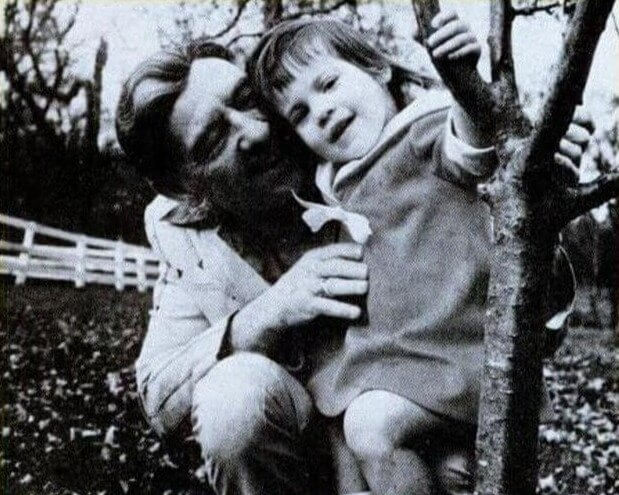
The song's enduring popularity speaks to its universal theme of emotional recovery. It solidified Snow's reputation as a versatile and compelling performer who understood exactly what the record-buying public wanted to hear.
1955: "In the Jailhouse Now" by Webb Pierce
Webb Pierce revived a classic Jimmie Rodgers tune in 1955, turning it into a monstrous 21-week number 1 hit that defined the year. The track features a bouncy, infectious rhythm and showcases Pierce's incredibly distinct, piercing tenor voice. He injected the humorous tale of a man getting into trouble with a vibrant, modern energy that resonated with mid-50s audiences. The prominent use of the pedal steel guitar gave the recording a slick, polished feel that characterized the era's emerging commercial sound. Pierce allegedly considered this specific recording his finest vocal performance, a sentiment echoed by many contemporary critics.
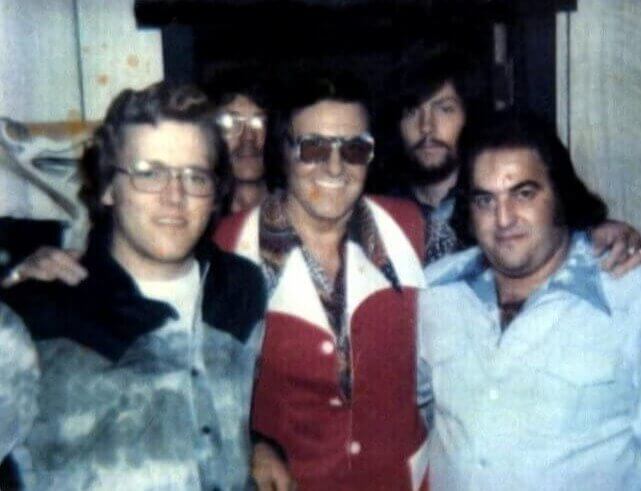
The song remains a brilliant example of updating a classic for a new era. It perfectly highlights his charismatic and confident performing style, ensuring his legacy as a titan of the genre.
1956: "Crazy Arms" by Ray Price
Ray Price revolutionized the genre in 1956 with a massive 20-week number 1 hit that introduced a brand new rhythmic style. The track featured a heavy, walking 4/4 bassline that became famously known as the Ray Price Shuffle. This driving tempo made the song incredibly popular in dance halls, as it was perfect for the two-step. Price delivered the heartbroken lyrics with a soaring, robust vocal performance that cut right through the dynamic instrumentation. The prominent fiddle and pedal steel interplay created a lush, textured soundscape that influenced countless future artists.
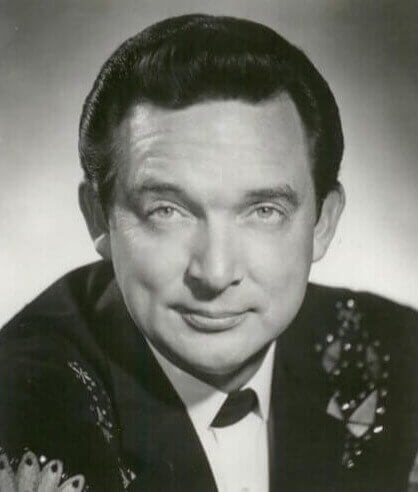
By changing the foundational rhythm of honky-tonk, he altered the course of the genre forever. This timeless classic is still widely celebrated today as a pivotal turning point in American musical development.
1957: "Gone" by Ferlin Husky
Ferlin Husky crossed over into massive pop success in 1957 with a lush, emotionally charged ballad that spent 10 weeks at number 1. The recording is notable for being one of the earliest examples of the Nashville Sound, featuring background vocals by the Jordanaires and a noticeably absent fiddle or steel guitar. Husky delivered a dramatic, spoken-word bridge that heightened the theatricality and emotional weight of the performance. The smooth, polished production appealed to a broader audience, helping to bring country music into mainstream suburban homes. Fans were captivated by the sweeping orchestration and sincere vocal delivery.
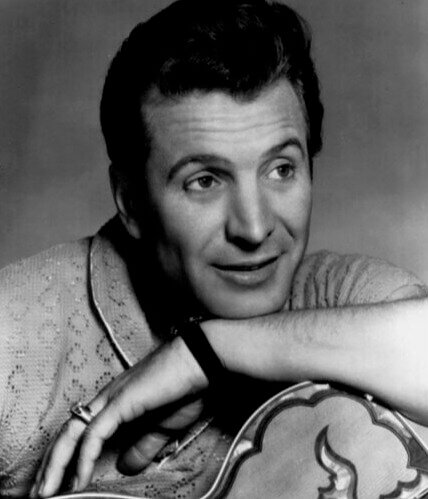
The track paved the way for future crossover artists to achieve similar success. Its sophisticated arrangement remains a benchmark of late 50s production, reflecting the rapidly changing tastes of the listening public.
1958: "Oh Lonesome Me" by Don Gibson
Don Gibson revolutionized the music industry in 1958 by bringing a fresh, pop-infused sensibility to his 8-week number 1 hit. He wrote the track during a period of intense personal despair, yet paired the sorrowful lyrics with a surprisingly upbeat, bouncing melody. The recording featured a distinctive guitar sound, achieved by muting the strings, which gave the rhythm a percussive, driving feel. Gibson famously removed traditional country instruments like the fiddle to create a more modern, streamlined aesthetic. His innovative production choices reportedly met with initial resistance from label executives before becoming a massive commercial triumph.
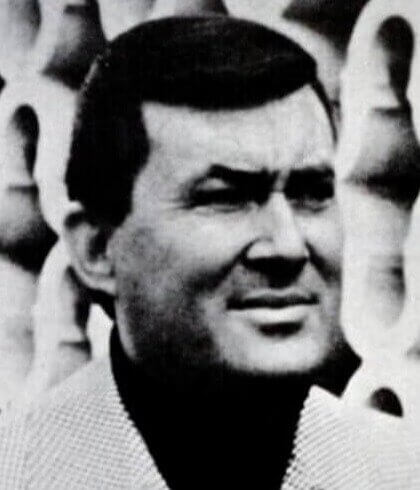
The juxtaposition of sad lyrics and happy music created a brilliant, dynamic tension. It remains an absolute masterpiece of songwriting and studio arrangement that opened doors for countless creative experimentation later.
1959: "The Battle of New Orleans" by Johnny Horton
Johnny Horton captured the nation's imagination in 1959 with a historical saga that spent 10 weeks at the top of the charts. Based on a real military conflict from the War of 1812, the song utilized a traditional fiddle tune melody for its framework. Horton sang with a spirited, enthusiastic energy that made the history lesson incredibly entertaining and accessible. The track crossed over to become a massive pop hit, appealing to listeners of all ages with its catchy chorus and marching rhythm. Educators allegedly used the record in classrooms to spark interest in American history among students.
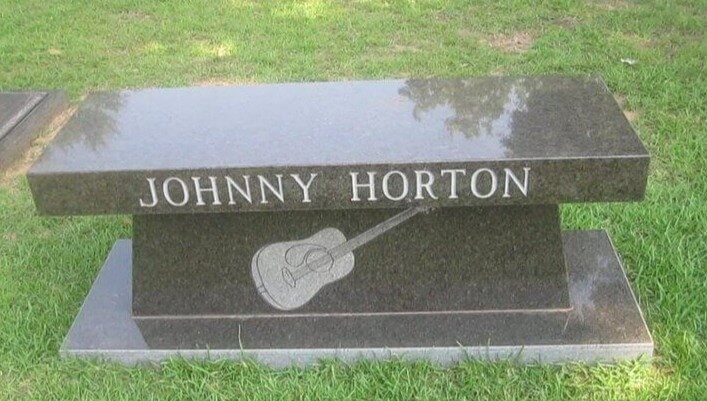
The unique blend of education and entertainment made it a monumental success. It stands as one of the most famous story-songs ever recorded, demonstrating the power of narrative flair and rhythmic drive.
1960: "He'll Have to Go" by Jim Reeves
Jim Reeves defined 1960 with an incredibly smooth, intimate ballad that spent 14 weeks at the number 1 position. Utilizing a vocal technique where he sang softly and closely into the microphone, Reeves created a warm, personal atmosphere that made listeners feel he was singing directly to them. The lush vibraphone and subtle piano accompaniment typified the sophisticated Nashville Sound of the era. The lyrics depict a late-night phone call to a lover who is with another man, creating a tense yet romantic narrative. This track solidified his status as an international superstar with widespread crossover appeal.
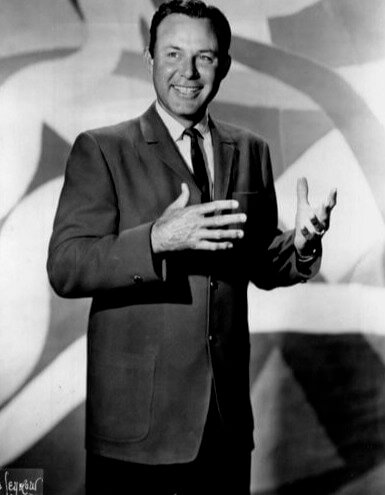
His velvet voice turned a simple story into an unforgettable listening experience. The recording remains a stunning example of understated, elegant artistry that profoundly influenced the direction of popular romantic ballads.
1961: "I Fall to Pieces" by Patsy Cline
Patsy Cline achieved legendary status in 1961 with a heartbreaking ballad that perfectly showcased her immense vocal talent. The song seamlessly blended traditional country elements with smooth pop orchestration, featuring the renowned background vocals of the Jordanaires. Cline initially reportedly disliked the arrangement, finding it too pop-leaning, but she eventually delivered a vocal performance of unparalleled depth and emotion. Her ability to convey nuanced sorrow and vulnerability without over-singing made the track an instant classic. The song slowly climbed the charts before cementing itself as a massive crossover hit across multiple radio formats.
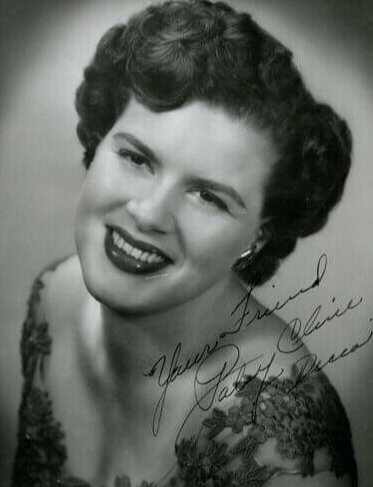
Her timeless interpretation of heartbreak continues to resonate deeply with listeners. It firmly established her as one of the greatest vocalists in music history, leaving an indelible mark on the industry.
1962: "Wolverton Mountain" by Claude King
Claude King enchanted audiences in 1962 with a vivid, narrative-driven hit that stayed at number 1 for 9 consecutive weeks. The song tells the compelling story of a man determined to win the heart of a girl guarded by her formidable, bear-wrestling father. Written by Merle Kilgore, the lyrics were based on a real person who lived in Arkansas, adding a fascinating layer of authenticity to the tall tale. King's smooth vocal delivery and the bouncy, melodic instrumentation made the track incredibly catchy. It crossed over to the pop charts, introducing country storytelling to a much wider demographic.
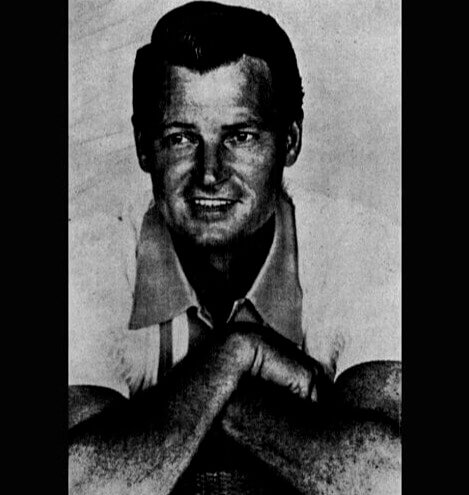
The whimsical narrative captured the public's imagination and became a cultural touchstone. It perfectly showcases the charm of mid-century musical folklore and remains a beloved favorite among fans of classic hits.
1963: "Ring of Fire" by Johnny Cash
Johnny Cash released an absolute powerhouse in 1963, creating an iconic track that dominated the charts and defined his career. Co-written by June Carter and Merle Kilgore, the song masterfully describes the overwhelming, sometimes destructive power of falling in love. Cash reportedly dreamed of adding mariachi-style horns to the arrangement, a bold creative decision that gave the record its distinct, triumphant sound. His booming bass-baritone voice provided a grounding anchor to the bright, blaring trumpets, creating a phenomenal sonic contrast. The track became a massive crossover success and a staple of his live performances.
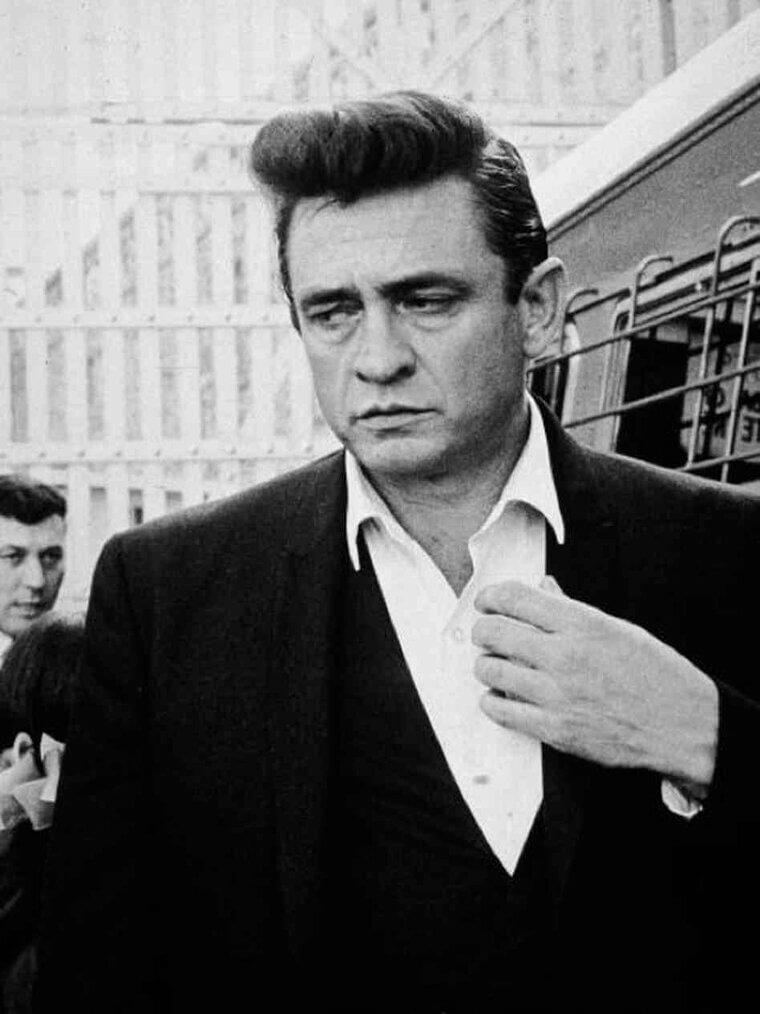
The intense passion of the delivery matches the vivid imagery of the lyrics. It remains one of the most recognizable and beloved songs globally, symbolizing his fearless approach to artistic innovation.
1964: "Dang Me" by Roger Miller
Roger Miller injected a brilliant dose of humor into 1964 with this wildly inventive and quirky chart-topper. The song features a rapid-fire delivery of clever, self-deprecating lyrics about a man scolding himself for spending his money at a tavern. Miller utilized a unique scat-singing technique and playful vocal inflections that set him apart from every other artist on the radio. The sparse, bouncy acoustic arrangement allowed his comedic timing and lyrical genius to take the spotlight. He reportedly wrote the track in just a few minutes while sitting in a hotel room, showcasing his natural, spontaneous creativity.
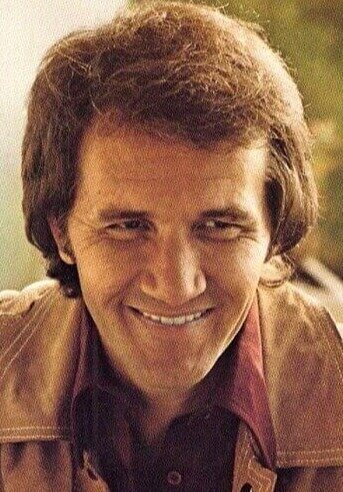
The overwhelming success of this track won him multiple Grammy Awards. It highlighted a refreshing, lighthearted side of the genre during a serious era and established him as a singular comedic genius.
1965: "King of the Road" by Roger Miller
Roger Miller struck gold again in 1965 with a laid-back, jazzy anthem celebrating the carefree lifestyle of a wandering hobo. The track is instantly recognizable thanks to its iconic finger-snapping rhythm and sparse, walking bassline. Miller's relaxed, effortless vocal delivery perfectly captured the essence of the protagonist, who lacks material wealth but enjoys boundless freedom. The clever lyrics are packed with vivid imagery, detailing the simple pleasures of riding trains and smoking discarded cigars. The song enjoyed massive international success, crossing over to top pop and easy-listening charts around the globe.
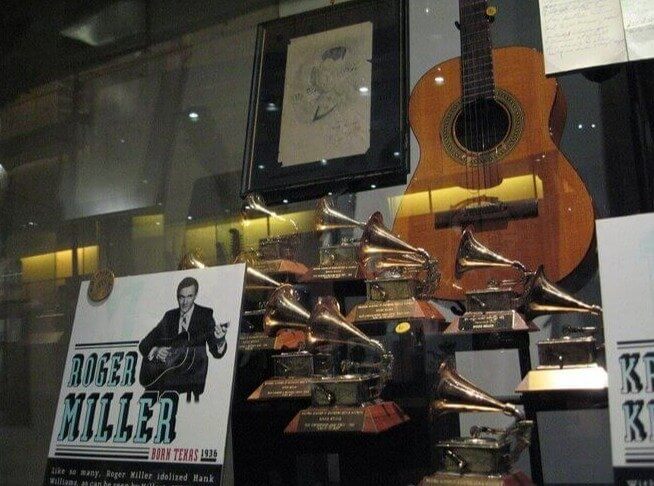
This masterpiece solidified his reputation as a premier songwriter and entertainer. Its breezy charm continues to delight audiences more than half a century later, proving the timeless nature of exceptional lyricism.
1966: "Almost Persuaded" by David Houston
David Houston captivated listeners in 1966 with a dramatic, tension-filled ballad that spent 9 weeks at number 1. The narrative follows a married man in a tavern who is tempted to stray, only to be stopped by the sight of a wedding band in a mirror. Houston's soaring, operatic tenor voice conveyed the intense inner turmoil and eventual relief of the protagonist with incredible skill. The lush instrumentation, complete with a sweeping steel guitar, amplified the emotional stakes of the story. The track dominated the Grammy Awards that year, sweeping all the major categories for the genre.
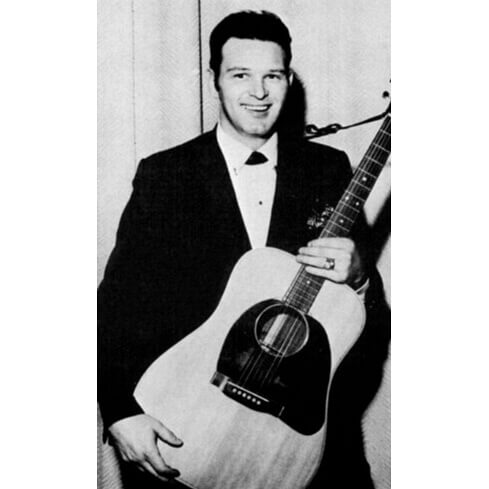
The compelling moral dilemma resonated deeply with a mature audience. It stands as a prime example of the sophisticated storytelling prevalent in the 60s, offering a powerful look at human temptation.
1967: "There Goes My Everything" by Jack Greene
Jack Greene delivered a towering vocal performance in 1967 with a heartbreak ballad that held the top spot for 7 weeks. The lyrics describe the profound sorrow of watching a loved one walk out the door, taking all meaning and joy with them. Greene's rich, powerful voice earned him the nickname The Jolly Green Giant, and this track perfectly showcased his expansive vocal range. The swelling orchestration provided a dramatic backdrop that heightened the devastating impact of the lyrics. It was named the first-ever Single of the Year at the inaugural CMA Awards.
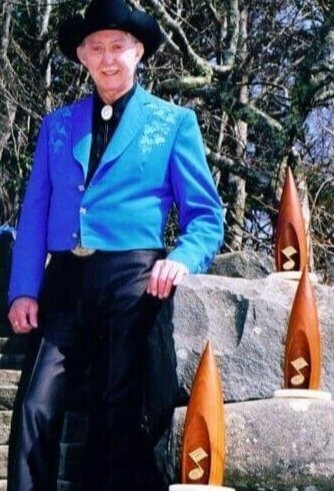
The emotional depth of this recording remains striking and profoundly moving. It firmly established Greene as a leading traditional vocalist of his generation and created a lasting template for dramatic country ballads.
1968: "Folsom Prison Blues" by Johnny Cash
Johnny Cash experienced a massive career resurgence in 1968 with a live recording of a track he had originally released a decade earlier. Recorded inside the walls of a maximum-security prison, the song captured a raw, electrifying energy that a studio simply could not replicate. The inmates' cheers added a rebellious, authentic atmosphere to the driving, locomotive-style rhythm. Cash delivered the lyrics with a fierce intensity, fully embodying the persona of a regretful but hardened convict. The controversial line about shooting a man in Reno reportedly had to be bleeped for certain radio broadcasts.
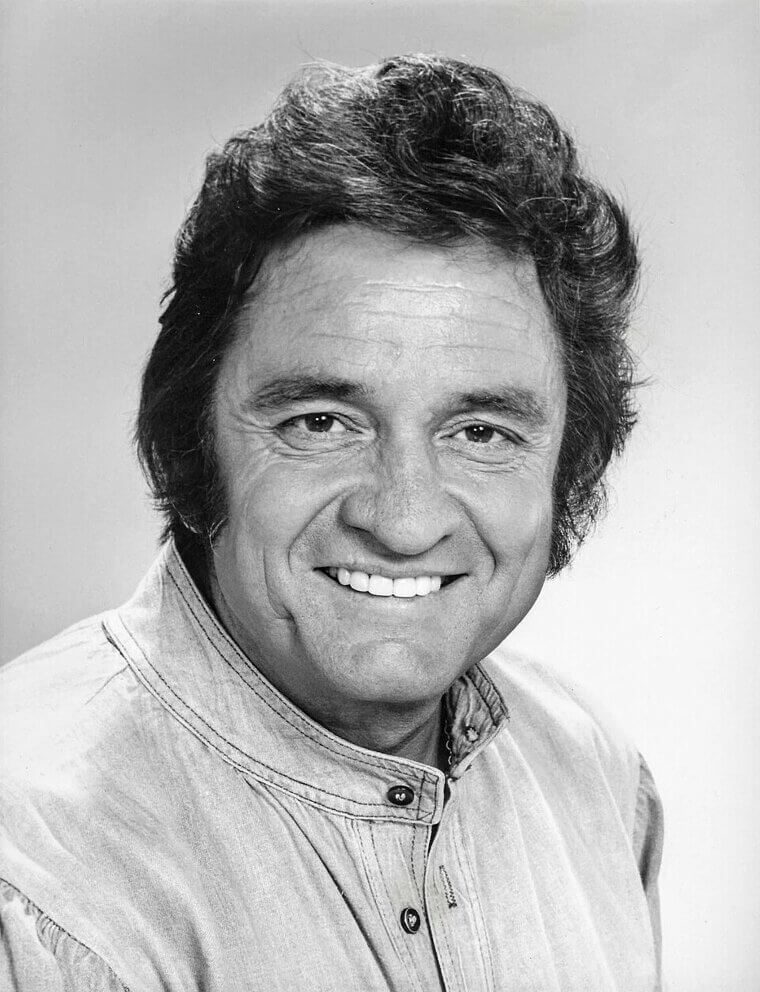
This legendary live performance perfectly encapsulated his outlaw image. It remains a defining moment in 20th-century music history and pop culture, showcasing his unique ability to connect with marginalized and forgotten populations.
1969: "A Boy Named Sue" by Johnny Cash
Johnny Cash scored his biggest pop crossover hit in 1969 with this hilarious, Shel Silverstein-penned narrative track. Also recorded live at a prison, the song details the life of a tough brawler seeking revenge against the father who gave him a feminine name. Cash essentially spoke the lyrics rather than singing them, focusing on comedic timing and dramatic delivery. He reportedly had never performed the song before the live taping, reading the lyrics from a piece of paper on a music stand. The raucous laughter from the audience added immense charm to the recording.
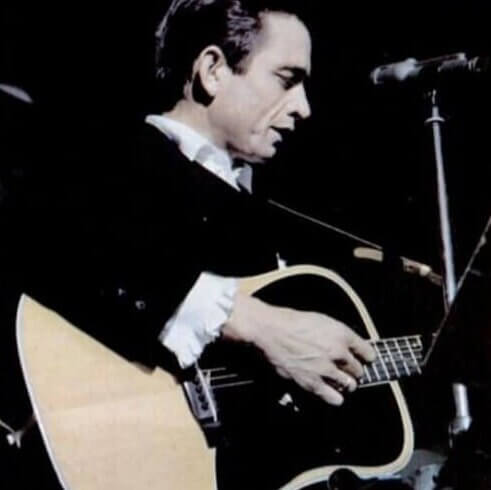
The clever twist ending turns a story of anger into one of eventual understanding. It highlights his phenomenal ability to entertain and connect with crowds, proving that humor could yield tremendous commercial triumphs.
1970: "Hello Darlin'" by Conway Twitty
Conway Twitty set the standard for 1970s romantic ballads with this massive hit that became his signature song. Opening with the iconic, spoken-word title phrase, Twitty immediately established an intimate connection with the listener. The lyrics detail a man running into an old flame and trying to hide his lingering heartbreak behind a facade of casual conversation. His raspy, emotion-drenched vocal delivery brought an incredible sense of realism to the sorrowful narrative. The track spent 4 weeks at number 1 and remained a staple opener for his live concerts for the rest of his legendary career.
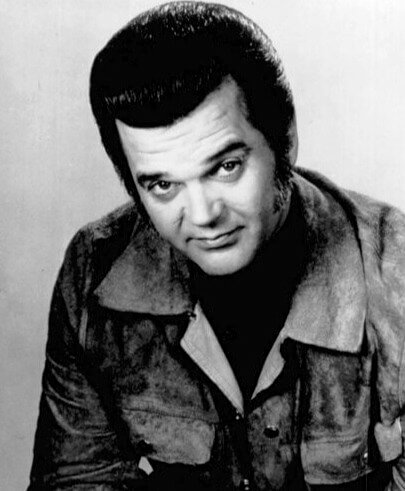
The sensual, understated arrangement perfectly complemented his unique singing style. It remains a masterclass in conveying complex emotions through subtle vocal inflections, solidifying his legacy as an unmatched interpreter of romantic grief.
1971: "Help Me Make It Through the Night" by Sammi Smith
Sammi Smith delivered a groundbreaking, sultry performance in 1971 with this Kris Kristofferson-penned classic. The song pushed boundaries for female artists at the time by frankly discussing a woman's desire for physical and emotional intimacy without the promise of tomorrow. Smith's husky, evocative voice matched the vulnerable yet assertive tone of the lyrics flawlessly. The lush, cinematic string arrangement contrasted beautifully with the raw honesty of the subject matter. This recording became a massive crossover hit, earning a Grammy Award and shifting the landscape regarding acceptable themes for women in the genre.
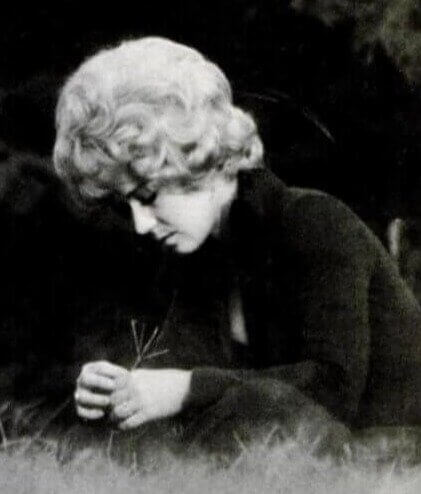
The track's mature subject matter resonated powerfully with adults navigating modern relationships. It remains a stunning achievement in both songwriting and vocal interpretation, opening doors for greater artistic freedom and expressive honesty.
1972: "The Happiest Girl in the Whole U. S. A. " by Donna Fargo
Donna Fargo brought a burst of pure sunshine to 1972 with an incredibly upbeat, optimistic track she wrote herself. The song celebrates the simple, overwhelming joy of waking up deeply in love, offering a sharp contrast to the heartbreak anthems that usually dominated the charts. Fargo's bright, bubbly vocal delivery perfectly matched the bouncy, catchy melody. It crossed over to become a massive pop hit, earning her a Grammy Award for Best Female Vocal Performance. She reportedly wrote the tune on a whim while teaching high school English, proving her natural knack for commercial songwriting.
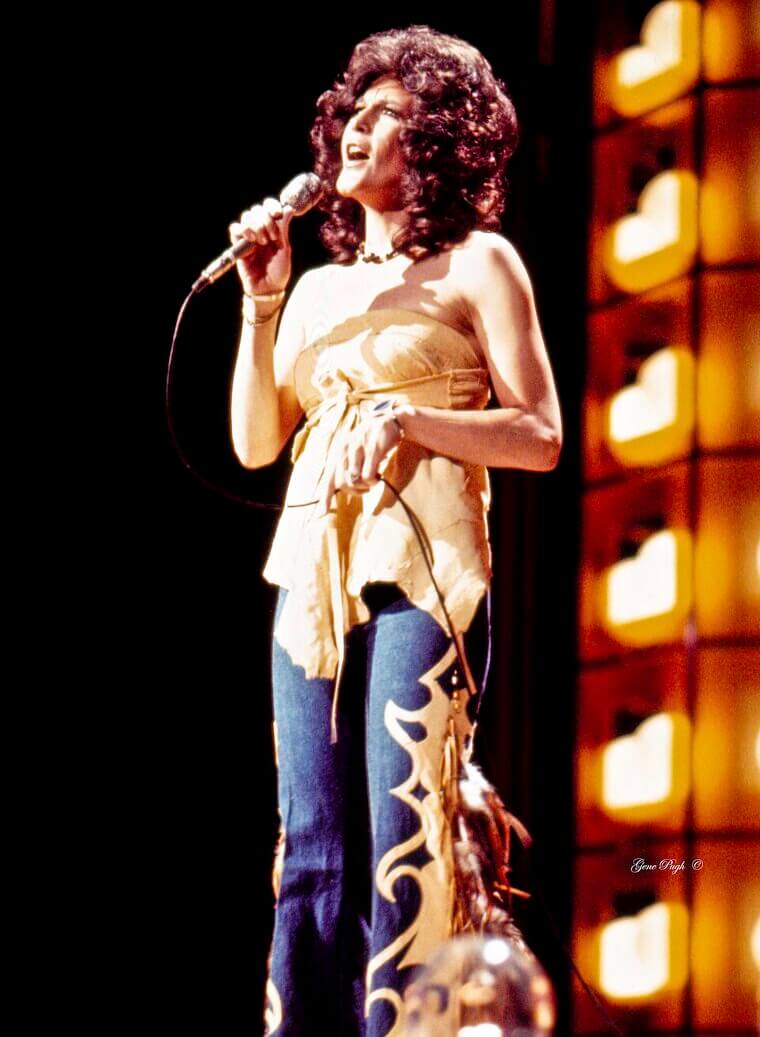
The infectious positivity of the chorus made it an instant singalong classic. It perfectly captures the euphoric feeling of domestic bliss and remains a delightfully uplifting milestone of early 1970s pop-country fusion.
1973: "Behind Closed Doors" by Charlie Rich
Charlie Rich, known as the Silver Fox, commanded 1973 with a smooth, sophisticated track that perfectly blended country, soul, and pop. The lyrics suggestively celebrate the private, passionate side of a respectable relationship, hinting at intimacy without crossing into vulgarity. Rich's soulful, jazz-inflected vocal style elevated the song, giving it a mature, polished elegance. The lush piano and string arrangements typified the refined Countrypolitan sound of the era. This massive crossover hit swept the CMA Awards and earned a Grammy, proving that a nuanced, adult contemporary approach could achieve monumental commercial success.
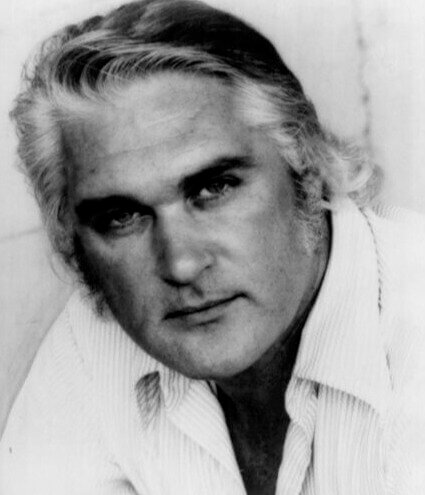
The impeccable production standards set a new benchmark for recording studios in Nashville. It remains a timeless, classy anthem of enduring romance that continues to charm listeners with its warm and velvety delivery.
1974: "I Will Always Love You" by Dolly Parton
Dolly Parton released a stunningly beautiful farewell ballad in 1974 that has since become one of the most famous songs in history. She wrote the track as a professional goodbye to her longtime mentor and duet partner, Porter Wagoner, as she embarked on a solo career. Parton delivered the lyrics with a delicate, trembling sincerity that conveyed deep respect and lingering sorrow. The simple acoustic arrangement allowed her crystalline soprano voice to carry the emotional weight of the message. Elvis Presley reportedly wanted to record it, but Parton famously refused to surrender the publishing rights.
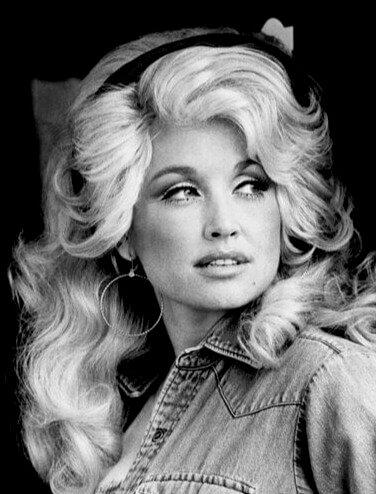
Her astute business decision preserved her ownership of a true masterpiece. The heartfelt sincerity of the original recording remains incredibly moving and powerful, serving as a testament to her unmatched skills as a songwriter.
1975: "Rhinestone Cowboy" by Glen Campbell
Glen Campbell struck monumental crossover gold in 1975 with an anthem about perseverance and the pursuit of stardom. The lyrics resonated deeply with anyone striving for success despite facing endless setbacks and compromises. Campbell's bright, confident vocals glided effortlessly over the majestic, pop-oriented orchestration. The song simultaneously topped the country, pop, and adult contemporary charts, a rare and incredible feat that highlighted his universal appeal. He allegedly identified strongly with the song's protagonist, having spent years as a studio session musician before finally achieving fame in the spotlight.
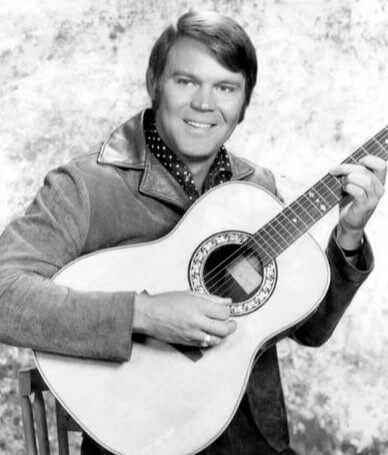
The sweeping chorus and optimistic message provided an uplifting soundtrack for the mid-70s. It stands as a definitive track of his illustrious, varied career and remains a celebrated cultural touchstone of the decade.
1976: "Convoy" by C.W. McCall
C.W. McCall capitalized on the massive CB radio craze of 1976 with a novelty track that became a massive pop culture phenomenon. The song features a spoken-word narrative filled with trucker slang, detailing a rebellious cross-country convoy protesting speed limits and toll booths. McCall, actually an advertising executive named Bill Fries, created a highly entertaining character that resonated with blue-collar workers and the general public alike. The driving rhythm and catchy, sung chorus made it impossible to ignore. The track was so influential that it reportedly inspired a major motion picture a few years later.
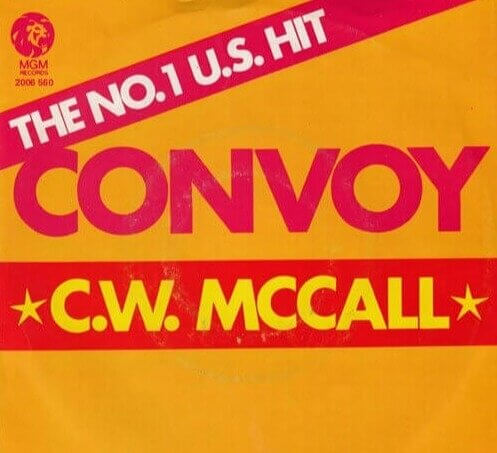
Its unique time capsule quality perfectly captures a specific 70s cultural fad. The clever use of specialized jargon made it highly memorable and guaranteed its status as an enduringly fun piece of nostalgia.
1977: "Lucille" by Kenny Rogers
Kenny Rogers firmly established his solo superstar status in 1977 with a narrative ballad about a woman leaving her farmer husband. The song features a memorable barroom setting where the narrator observes the dramatic, heartbreaking confrontation between the estranged couple. Rogers utilized his signature raspy, warm storytelling voice to convey empathy for the heartbroken husband while maintaining a neutral, observant stance. The catchy, waltz-time chorus became an massive international singalong hit, topping charts across the globe. The track earned a Grammy Award and effectively launched his career into the pop crossover stratosphere.
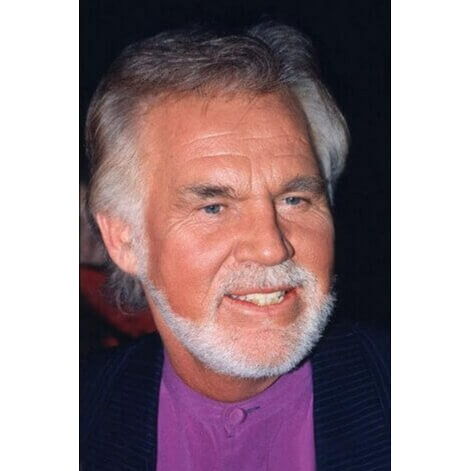
The brilliant character study within the lyrics elevated the song beyond typical heartbreak fare. It proved his unmatched ability to select and interpret compelling material, ensuring his place as a beloved international icon.
1978: "Mammas Don't Let Your Babies Grow Up to Be Cowboys" by Waylon Jennings and Willie Nelson
Waylon Jennings and Willie Nelson teamed up in 1978 to deliver a quintessential outlaw anthem that dominated the charts for 4 weeks. The track serves as a gentle but firm warning about the lonely, difficult reality of the rambling musician lifestyle, metaphorically described as being a cowboy. Their contrasting vocal styles—Jennings' booming baritone and Nelson's reedy, jazz-influenced phrasing—created a dynamic, incredibly engaging duet. The stripped-down, bass-heavy production rebelled against the slick pop sounds of the era. They reportedly recorded the vocals facing each other in the studio, which added a palpable, conversational energy.
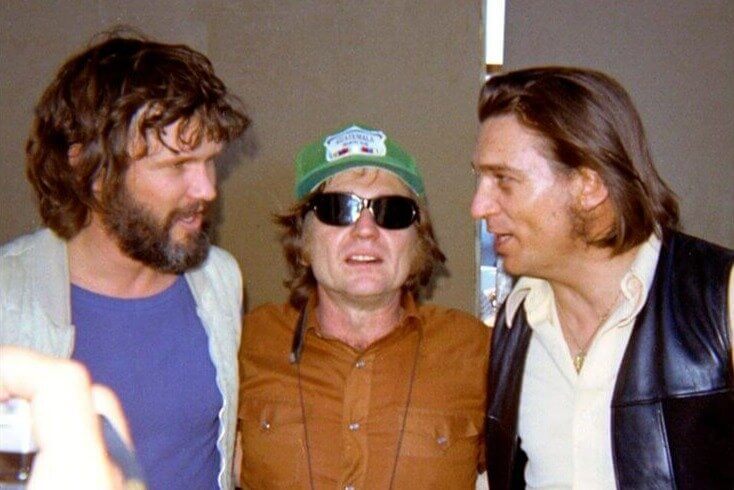
The iconic collaboration solidified their status as leaders of the outlaw movement. It remains a celebrated tribute to independent spirits everywhere and a definitive statement on the changing landscape of late-70s recording techniques.
1979: "The Devil Went Down to Georgia" by The Charlie Daniels Band
The Charlie Daniels Band exploded onto the scene in 1979 with a blazing, high-energy track that fused Southern rock with traditional bluegrass. The song tells a thrilling Faustian tale of a confident fiddle player named Johnny who accepts a musical duel with Satan for his soul. Daniels delivered the narrative with a fiery, rapid-fire intensity that perfectly matched the escalating tension of the story. The contrasting musical solos, pitting a menacing rock groove against an intricate, triumphant fiddle breakdown, were brilliantly arranged. It became a multi-platinum crossover smash and a cultural touchstone.
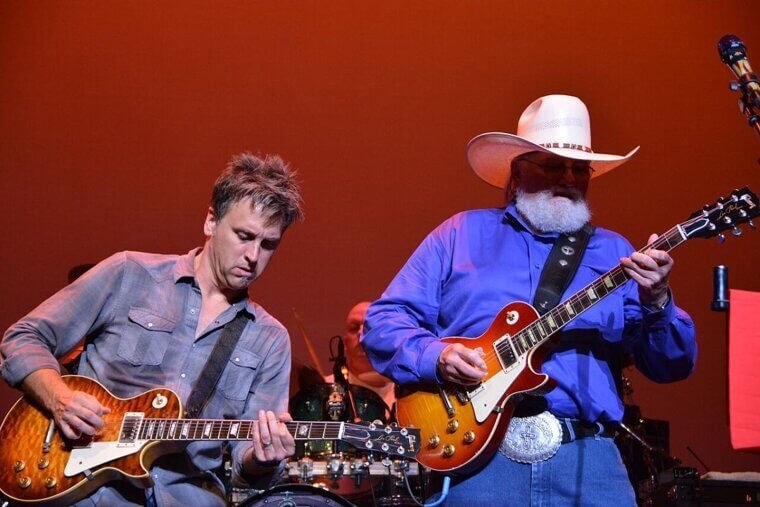
The sheer instrumental virtuosity displayed on the record is nothing short of breathtaking. It remains a staple of classic rock and country radio formats, continuing to thrill listeners with its ferocious pacing and dramatic storytelling.
1980: "He Stopped Loving Her Today" by George Jones
George Jones released what many critics consider the greatest track in the genre's history in 1980, revitalizing his struggling career. The devastating lyrics detail a man who promised to love a woman until he died, a vow he tragically keeps. Jones initially reportedly hated the song, finding it too morbid, and struggled through the recording process. However, his final vocal performance is a masterclass in conveying profound, agonizing sorrow. The dramatic recitation in the bridge, combined with sweeping strings, elevates the emotional impact to unparalleled heights. It won back-to-back CMA Song of the Year awards.
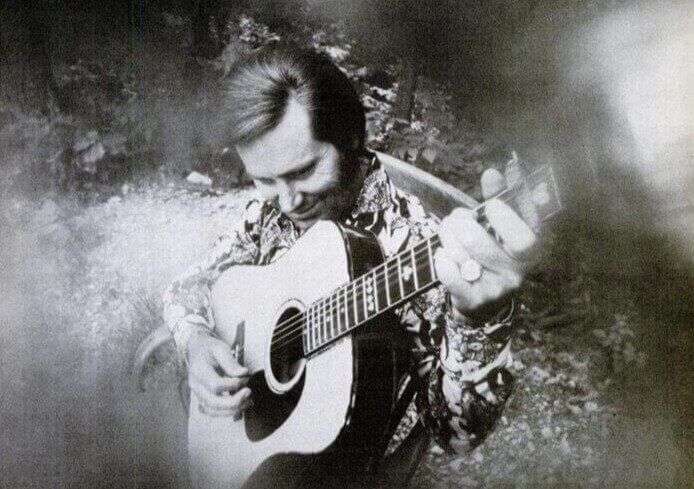
The raw vulnerability captured on tape cemented his legacy as a premier interpreter of heartbreak. It is a monumental, awe-inspiring artistic achievement that stands as a towering pinnacle of musical expression.