
Classic western television brought us rugged heroes and unforgettable adventures, but behind the scenes, many beloved stars faced heartbreaking hardships. From sudden illnesses to shocking accidents, these off-screen stories are truly remarkable. Keep reading to uncover their tragic real-life fates!
Audie Murphy and the Fatal Mountain Plane Crash
Audie Murphy remains one of the most decorated American combat soldiers from World War 2, who seamlessly transitioned into a highly successful acting career starring in numerous classic westerns. Despite his monumental on-screen success and enduring hero status, he quietly battled severe post-traumatic stress disorder for decades, a medical condition poorly understood by experts at the time. He reportedly slept with a loaded weapon nearby and experienced intense financial difficulties as he aged. His remarkable life ended abruptly when a private plane he was flying in crashed into Brush Mountain near Catawba, Virginia, during conditions of almost zero visibility.
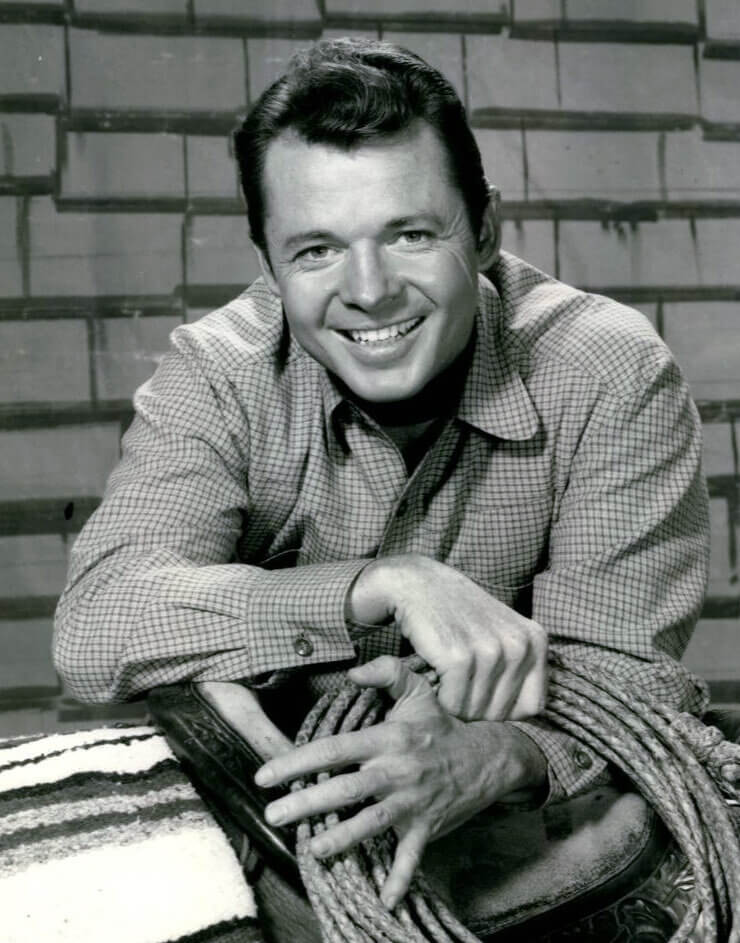
All 6 people on board perished instantly in the tragic wreckage on that fateful day. The heartbreaking event cut short the vibrant life of a true national hero who gave so much to his loyal country and adoring fans over the years.
Dan Blocker and His Sudden Post-Surgery Passing
Fans across the globe adored Dan Blocker for his iconic portrayal of the lovable Hoss Cartwright on the legendary television series Bonanza. His massive physical presence was matched only by his gentle demeanor and natural acting talent, which endeared him to audiences everywhere. Tragically, his thriving career and happy family life were cut brutally short in 1972 following what was supposed to be a routine gallbladder surgery. He reportedly developed a massive pulmonary embolism shortly after the procedure, catching his doctors, castmates, and fans completely off guard.
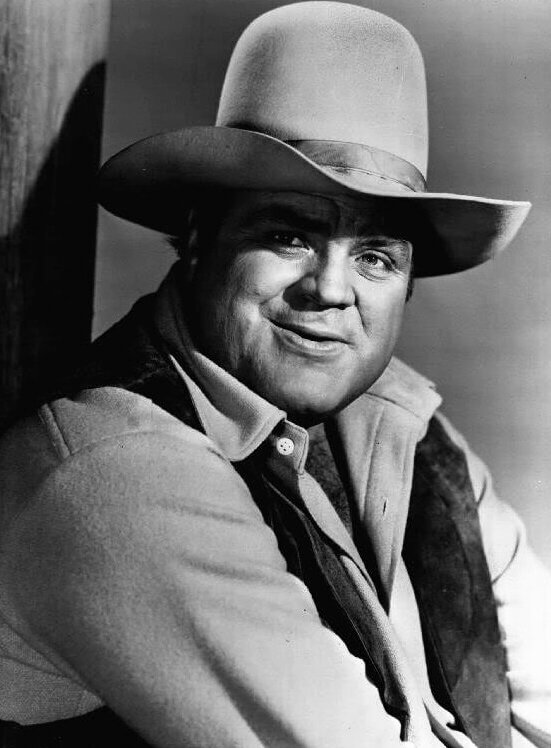
The unexpected loss sent shockwaves through the entertainment industry and television viewers alike. The producers of Bonanza made the unprecedented decision to write a character's death into the storyline, marking a historic moment in television history. His absence left a void in the genre that many dedicated fans feel was never filled by anyone else.
Amanda Blake and Her Fierce Health Battle
Best known for her 19-year run as the fiery saloon owner Miss Kitty Russell on Gunsmoke, Amanda Blake became a defining face of classic western television. Following her departure from the beloved show, she dedicated much of her time to animal welfare causes and lived a relatively quiet life away from the Hollywood spotlight. Unfortunately, her later years were marred by severe health struggles, beginning with a grueling bout of oral cancer that required extensive surgery and rehabilitation.
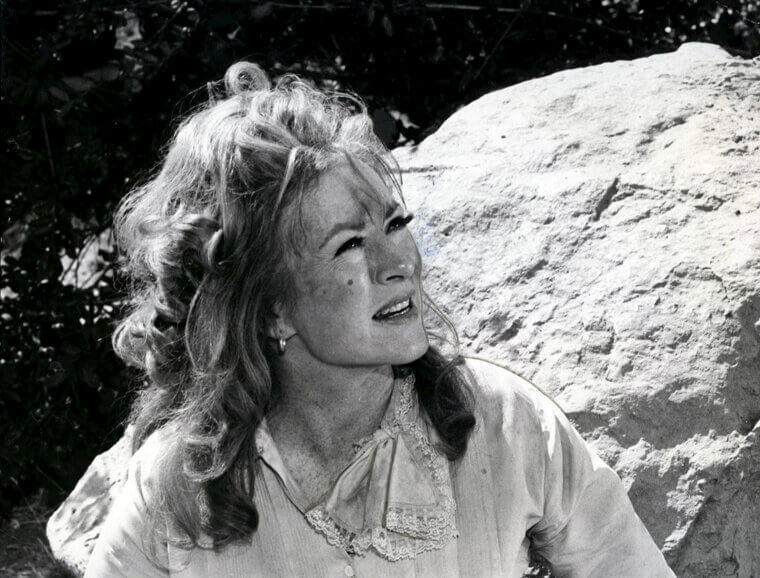
She managed to recover and even returned for a television movie reprisal, but her health ultimately continued to decline. She passed away at the age of 60, with her doctor later confirming she died from complications related to a viral infection. Her resilient spirit in the face of such profound physical challenges remains an inspiration to her devoted followers.
Tom Mix and the Freak Suitcase Accident
Tom Mix was arguably the first true western megastar, paving the way for future generations of cowboy actors with his dazzling stunts and charismatic screen presence. He appeared in nearly 300 films throughout his prolific career, earning a massive fortune and global recognition during the silent film era. His larger-than-life persona translated into his off-screen habits, which included driving flashy cars and carrying substantial amounts of cash and valuables with him while traveling across the country.
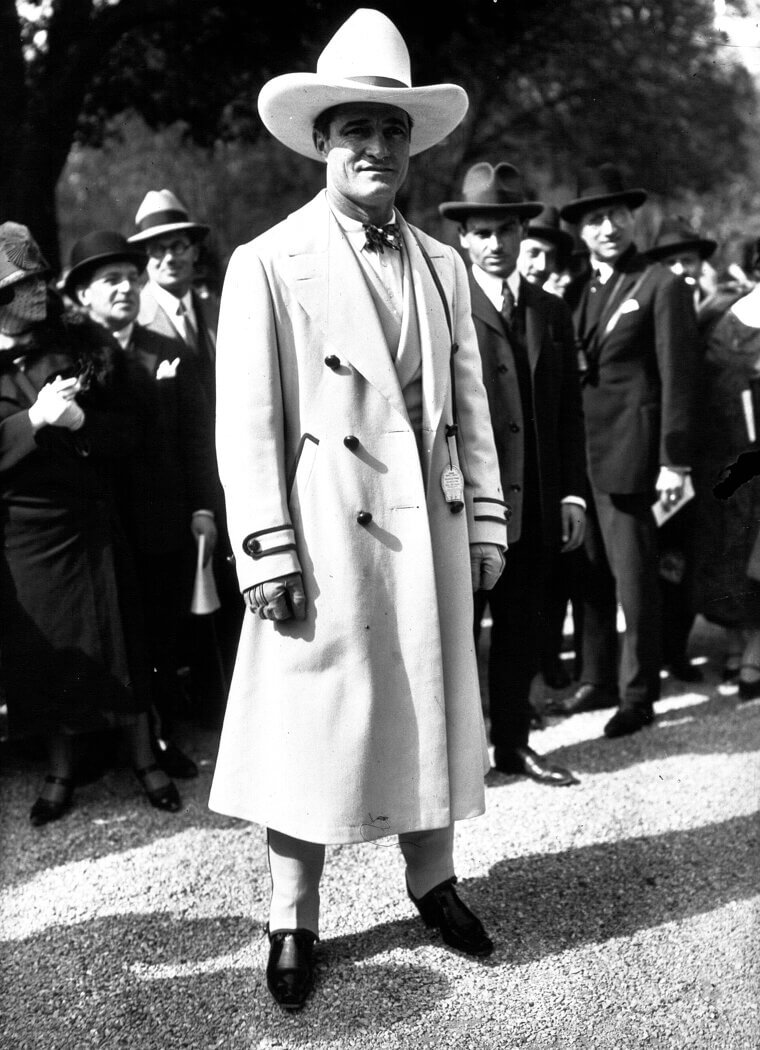
In 1940, while driving his custom sports car in Arizona, he swerved to avoid a construction barrier and tragically crashed into a dry wash. A heavy aluminum suitcase positioned in the back seat flew forward and struck him in the head, causing fatal injuries instantly. The bizarre nature of the accident stands as a stark contrast to the dangerous stunts he routinely survived on film.
Buck Jones and the Devastating Nightclub Fire
During the 1920s and 30s, Buck Jones stood as one of the most bankable and beloved stars of the western genre, rivaling even the biggest names of his time. He built a reputation for portraying virtuous, clean-cut heroes who always fought for justice and protected the innocent, a persona he reportedly embodied in his real life as well. In November 1942, he attended a party at the Cocoanut Grove nightclub in Boston, which quickly became the site of one of the deadliest fires in American history.
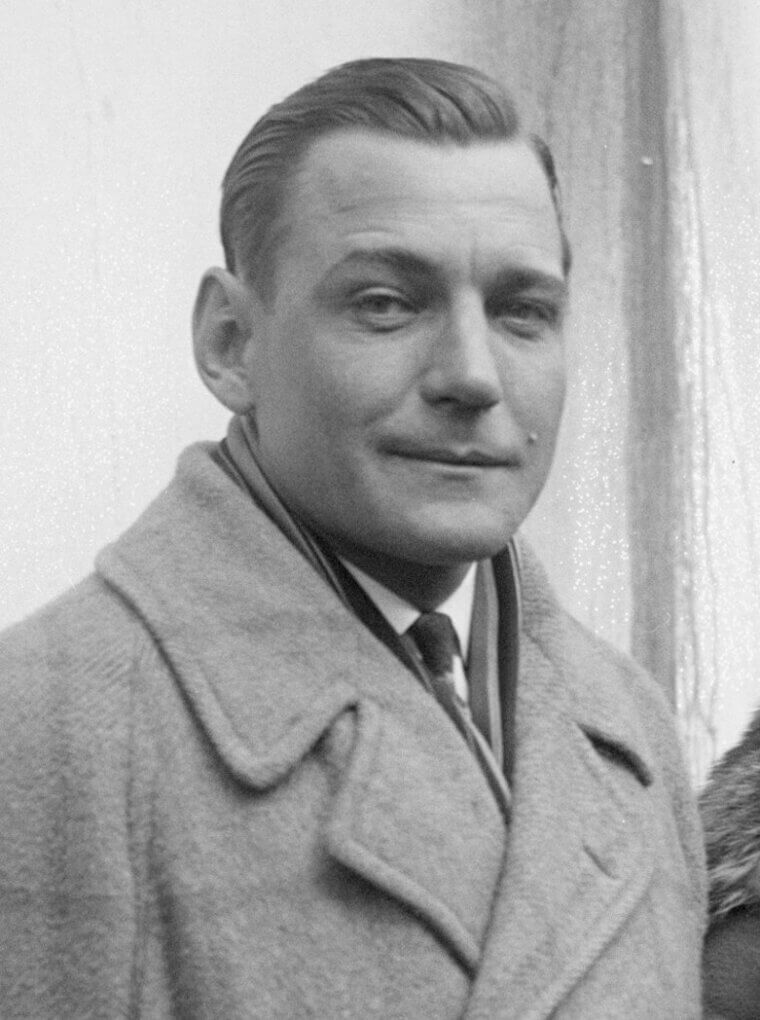
As flames engulfed the packed venue, panic ensued among the terrified patrons attempting to flee. Witnesses claimed he bravely rushed back into the burning building multiple times to help trapped victims before succumbing to smoke inhalation and severe burns. He passed away 2 days later, cementing his legacy as a genuine hero both on and off the screen.
Ward Bond and His Massive Heart Failure
Ward Bond was a ubiquitous presence in classic cinema and television, frequently collaborating with renowned directors and actors to create some of the most memorable westerns ever made. He finally achieved leading-man status as Major Seth Adams on the hit series Wagon Train, a role that brought him immense popularity and financial stability late in his career. Just as the show was reaching its peak viewership in 1960, he collapsed in a motel bathroom while traveling for a public appearance in Dallas, Texas.
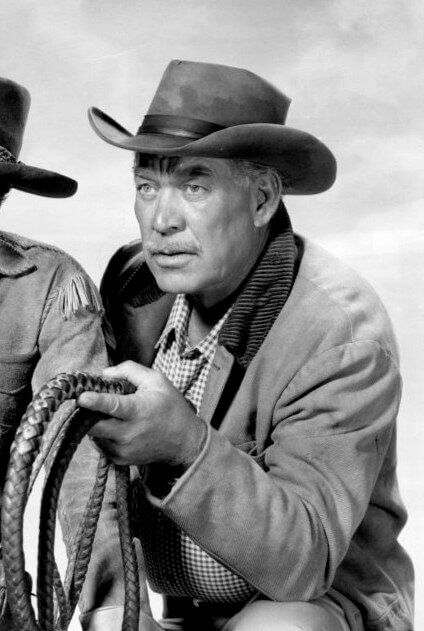
His wife discovered him unresponsive, and emergency responders were unable to revive him at the scene. He suffered a massive heart attack at the age of 57, abruptly ending his long-awaited moment in the television spotlight. The sudden loss deeply affected his close friends and cast a somber shadow over the successful production of Wagon Train.
Johnny Crawford and His Alzheimer's Struggle
Rising to fame as a child star alongside Chuck Connors on The Rifleman, Johnny Crawford captured the hearts of audiences with his earnest and emotional performances as young Mark McCain. He successfully transitioned into a multifaceted career that included a hit music track and a stint in the military, showcasing his diverse talents beyond acting. Decades later, his family announced he was battling Alzheimer's disease, a devastating diagnosis that slowly robbed him of his memories and independence.
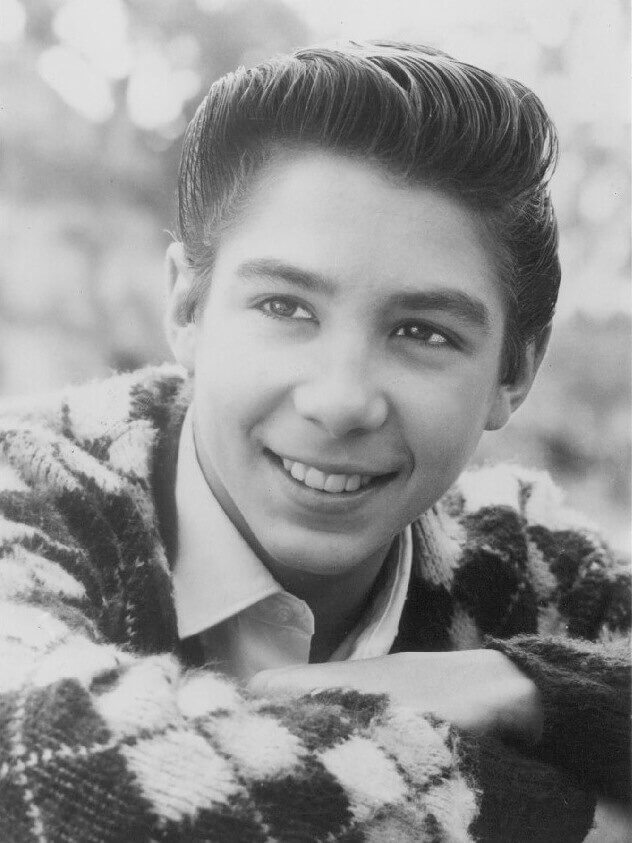
Despite his declining cognitive health, his loved ones ensured he remained comfortable and surrounded by his favorite classic music and western memorabilia. He contracted a viral respiratory illness in 2021, which complicated his condition and ultimately led to his peaceful passing at age 75. Fans worldwide mourned the loss of the former child prodigy who brought so much joy to early television.
Glenn Ford and a Series of Debilitating Strokes
With a career spanning over 5 decades, Glenn Ford established himself as a versatile leading man capable of portraying both rugged cowboys and complex dramatic characters with equal skill. His contributions to the western genre are widely celebrated, earning him numerous accolades and a lasting place in cinematic history. However, his final years were marked by a tragic decline in his physical health, beginning with a series of minor strokes that progressively weakened his body.
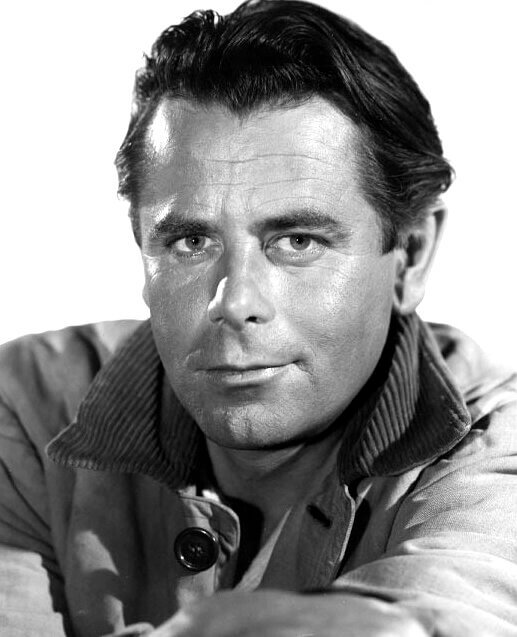
These medical episodes eventually forced him to retire from acting entirely and retreat from public life, isolating him from the industry he loved. He suffered a severe stroke in the 1990s that left him largely bedridden and dependent on continuous medical care until his passing in 2006. The prolonged illness was a difficult chapter for an actor known for his quiet strength and enduring vitality.
Guy Williams and the Brain Aneurysm in Argentina
Guy Williams achieved international stardom as the dashing and athletic lead in the hit television series Zorro, captivating viewers with his charming smile and impressive fencing skills. He later found renewed success on Lost in Space, though he reportedly grew frustrated with the show's comedic direction and gradually stepped away from Hollywood acting roles. Finding a surprisingly massive and dedicated fan base in Argentina, he relocated there in his later years, enjoying the local culture and celebrity status.
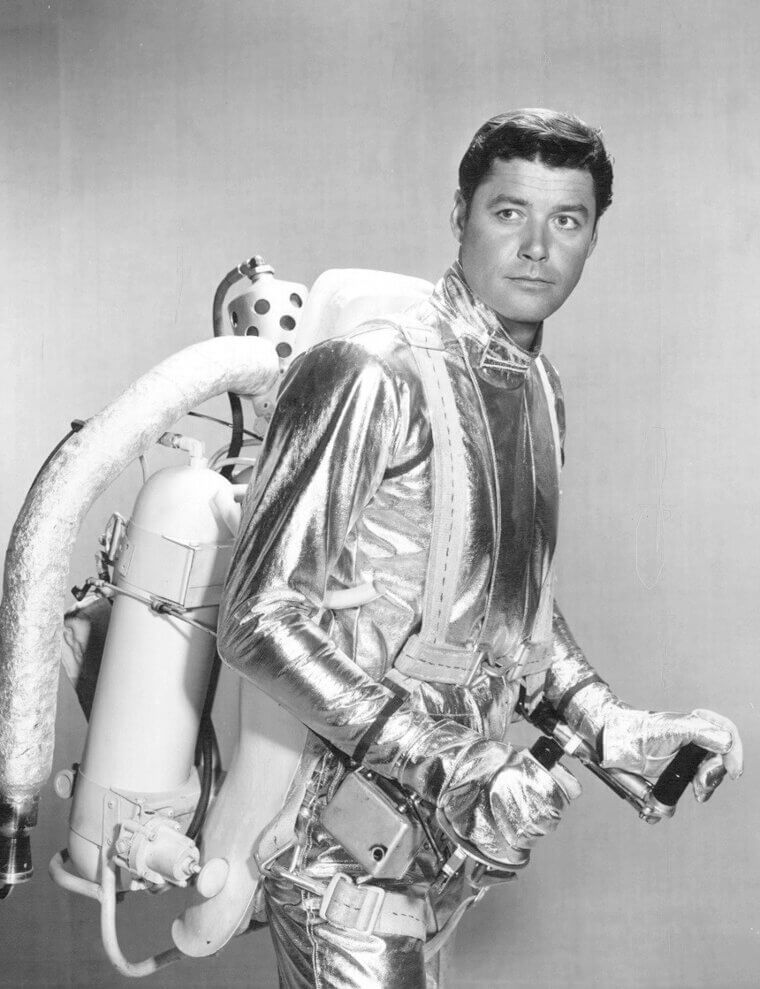
In 1989, neighbors noticed he had not been seen for several days and contacted the local authorities to check on him. Police discovered he had passed away alone in his apartment from a ruptured brain aneurysm at the age of 65. The sudden and solitary nature of his passing brought a somber conclusion to the life of a vibrant television icon.
Clayton Moore and The Lone Ranger Mask Lawsuit
Clayton Moore became synonymous with the pursuit of justice through his legendary portrayal of The Lone Ranger, a character he embraced fully both on screen and in his personal life. He spent decades making public appearances in full costume, visiting children in hospitals and promoting positive values, solidifying his status as a real-life hero to many. In a shocking move, the company that owned the character's rights filed a lawsuit in 1979 to prevent him from wearing the iconic domino mask in public.
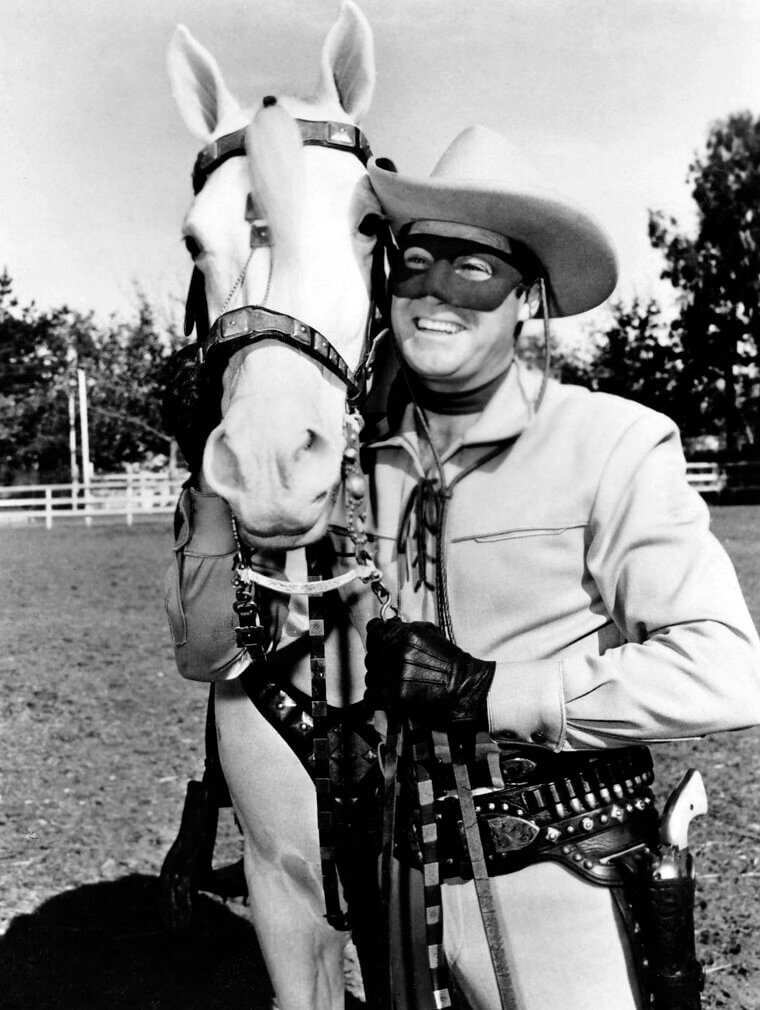
The legal battle stripped him of his signature look, forcing him to replace the mask with wrap-around sunglasses during his tours. Though he eventually won the right to wear the mask again years later, the lawsuit caused him significant emotional distress. He passed away from a heart attack at 85, having fought tirelessly to preserve the legacy of the character he loved.
Jay Silverheels and Paralysis From Strokes
As the loyal and intelligent Tonto on The Lone Ranger, Jay Silverheels broke significant ground for Indigenous actors in television, offering a dignified portrayal that resonated with audiences. He leveraged his fame to advocate for better representation and opportunities for Native American performers, establishing a legacy that extended far beyond his acting credits. Sadly, his vibrant life took a tragic turn in 1976 when he suffered a severe stroke that caused significant paralysis and ended his acting career.
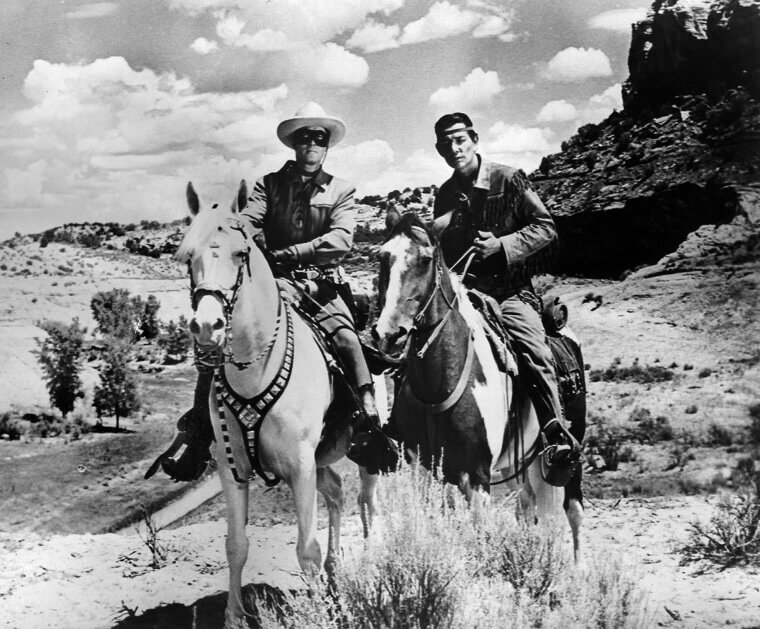
The debilitating medical event robbed him of his physical mobility, forcing him into a quiet retirement focused entirely on his rehabilitation efforts. He endured multiple health complications over the next 4 years before passing away at the age of 67. His struggles highlighted the fragility of life, even for those who appeared invincible on the television screen.
Michael Landon and the Sudden Pancreatic Cancer
Michael Landon became a foundational pillar of family television, beloved for his starring roles in iconic shows like Bonanza, Little House on the Prairie, and Highway to Heaven. He was known for his incredible work ethic, athletic physique, and dedication to producing uplifting content that resonated with viewers across multiple generations. In early 1991, he began experiencing severe abdominal pain while on vacation, leading to a devastating diagnosis of inoperable pancreatic cancer that had already spread to his liver.
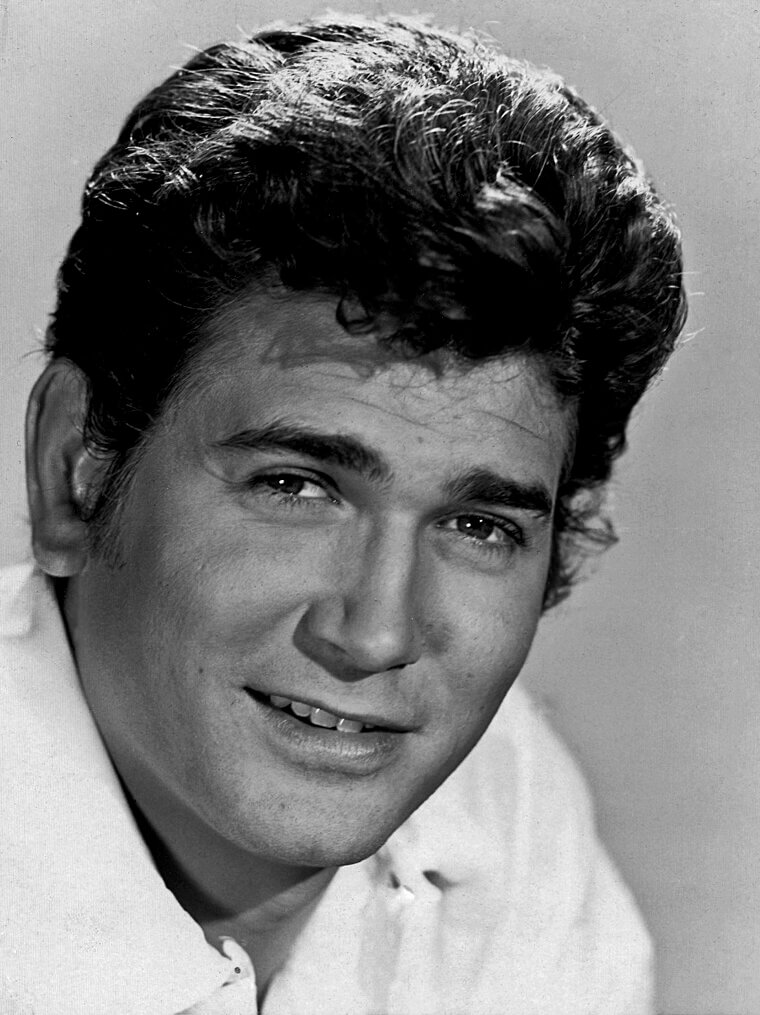
He bravely shared his diagnosis with the public, maintaining an optimistic and courageous front during televised interviews despite the grim prognosis. The aggressive disease claimed his life just 3 months later at the age of 54, sending a profound wave of grief across the globe. His premature passing robbed the entertainment world of a truly visionary storyteller and beloved actor.
Chuck Connors and His Lung Cancer Struggle
Standing at an imposing 6 feet 5 inches, Chuck Connors brought a unique blend of physical intimidation and fatherly warmth to his role as Lucas McCain on The Rifleman. Before finding success in Hollywood, he was a professional athlete who played both Major League Baseball and NBA basketball, a testament to his incredible physical prowess. Despite his lifelong athleticism, he was a heavy smoker for decades, a common habit during his era that ultimately caught up with his health.
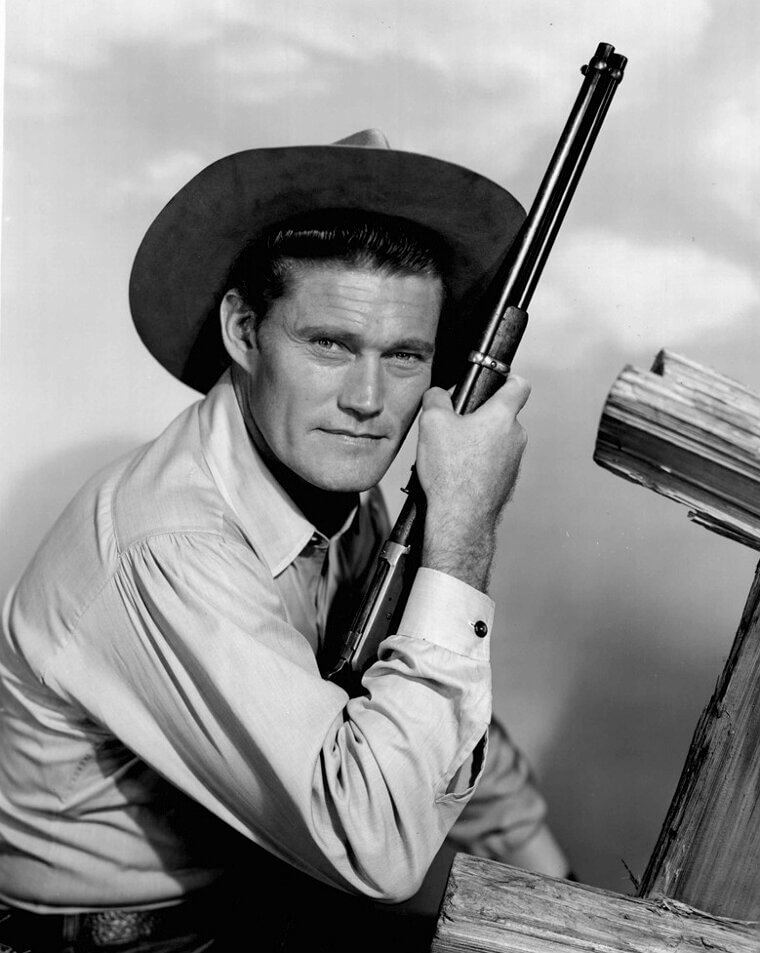
He was diagnosed with lung cancer in his later years, leading to a painful and exhausting battle against the aggressive illness. He passed away from pneumonia stemming from the cancer in 1992 at the age of 71. The loss of such a robust and dynamic figure left a lasting void in the western television community.
Doug McClure and the Lung Cancer Battle
Doug McClure gained widespread fame playing the handsome and dependable Trampas on the long-running western series The Virginian, winning over viewers with his easygoing charm and rugged good looks. He enjoyed a steady career in both television and film, remaining a popular figure among western enthusiasts well into his later years. In the mid-1990s, he collapsed while filming a project and was subsequently diagnosed with lung cancer, forcing him to undergo aggressive medical treatments. He continued to work whenever his health permitted, displaying remarkable resilience and dedication to his craft despite the heavy physical toll of his illness.
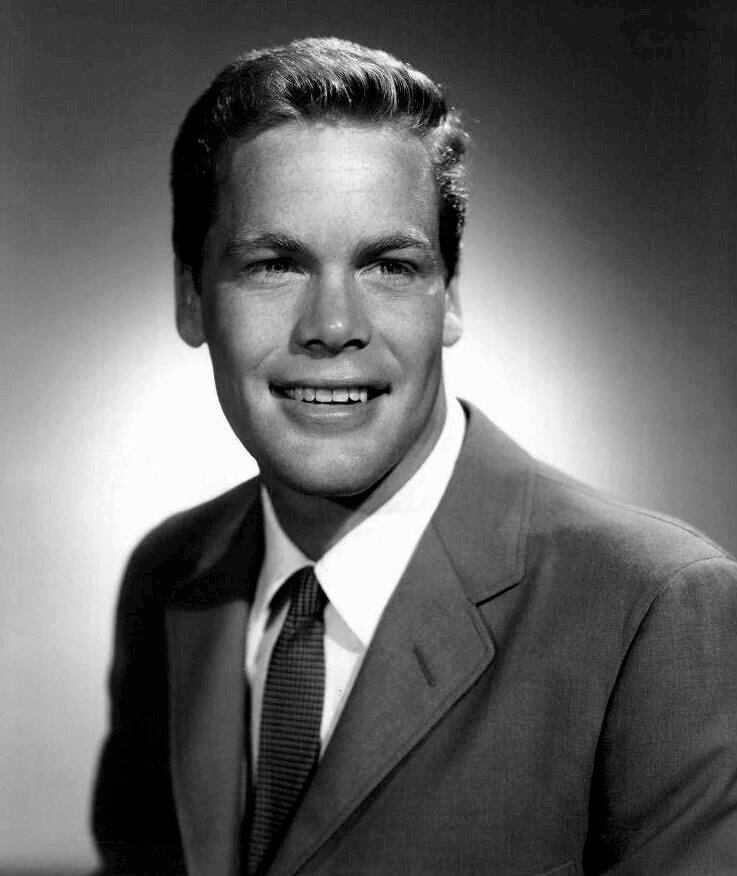
He lost his battle with the disease in 1995 at the age of 59, passing away peacefully with his family by his side. His untimely departure marked a sad end for an actor who brought so much vitality to the screen.
James Arness and Chronic Wartime Pain
For 20 years, James Arness embodied the stoic and unyielding Marshal Matt Dillon on Gunsmoke, standing as one of the most enduring symbols of American television history. Before his acting career began, he served as a rifleman in the US Army during World War 2, participating in the historic amphibious landing at Anzio, Italy. During the brutal combat, his right leg was severely shattered by enemy machine-gun fire, an injury that required multiple surgeries and a lengthy, painful rehabilitation process.
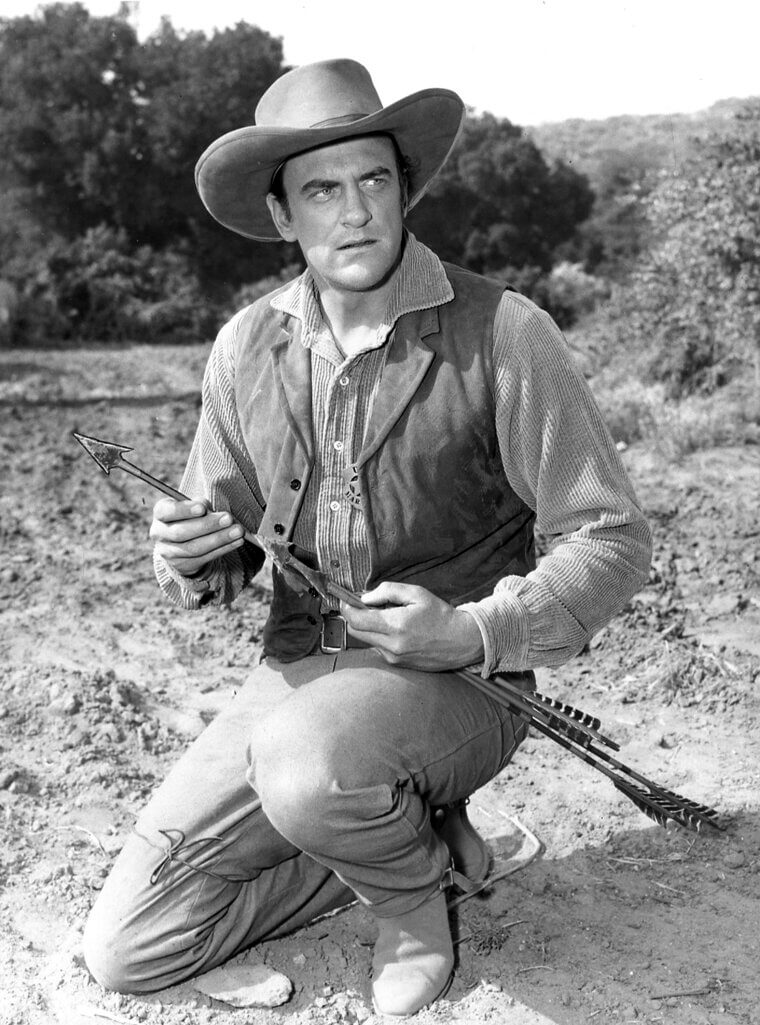
Though he learned to walk again, the injury left him with a permanent limp and chronic pain that plagued him for the rest of his life. He reportedly struggled through immense physical discomfort while filming action sequences for Gunsmoke, often requiring special accommodations on set. His ability to mask this severe pain on camera remains a testament to his incredible professionalism and inner strength.
Steve McQueen and Mesothelioma Exposure
Before becoming one of the biggest movie stars in the world, Steve McQueen captured television audiences as the ultra-cool bounty hunter Josh Randall on Wanted: Dead or Alive. His rugged persona and rebellious off-screen antics made him a cultural icon, and he seemed poised to enjoy a long, healthy life filled with thrilling hobbies like motorcycle racing. In 1979, he developed a persistent cough and shortness of breath, which doctors eventually identified as pleural mesothelioma, a rare and fatal cancer associated with asbestos exposure.
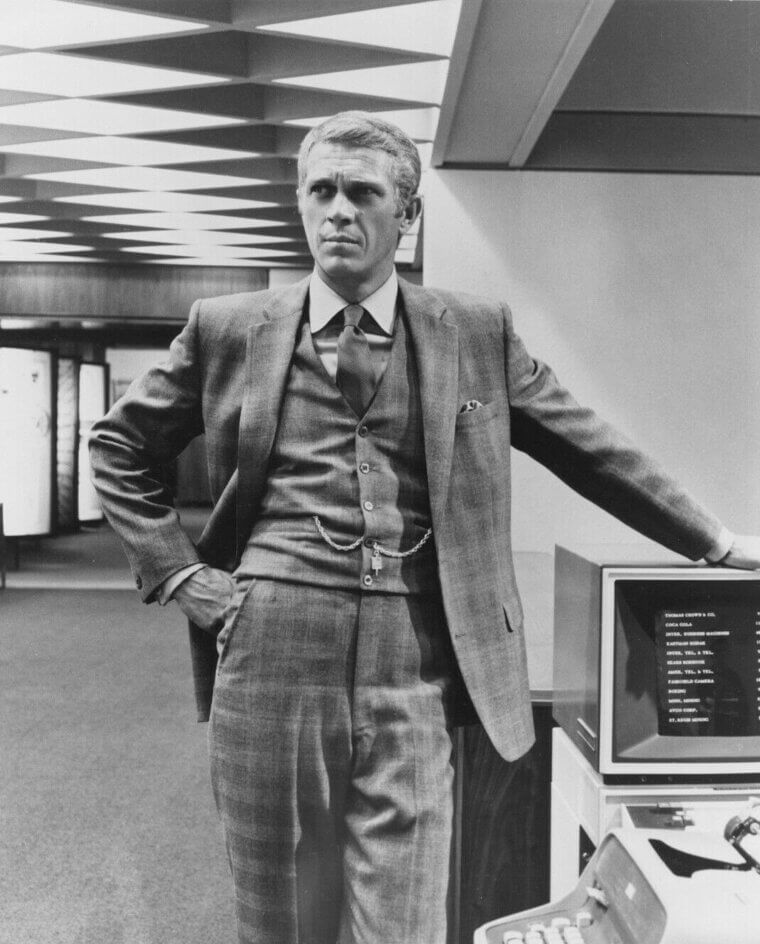
He reportedly believed the illness stemmed from wearing asbestos-lined racing suits or from his time serving in the military. Desperate for a cure, he sought controversial alternative treatments in Mexico, but the cancer continued to spread rapidly through his body. He passed away at 50 following surgery to remove metastatic tumors, ending the life of a true Hollywood legend.
Lex Barker and the Sudden Street Collapse
Lex Barker possessed the striking looks and athletic build necessary to succeed in Hollywood, finding fame both in westerns and as the iconic jungle hero Tarzan. He eventually moved to Europe, where he achieved massive popularity starring in a series of highly successful German western films based on the novels of Karl May. In 1973, shortly after returning to the United States to revive his American acting career, he was walking down a busy street in New York City on his way to meet a friend.
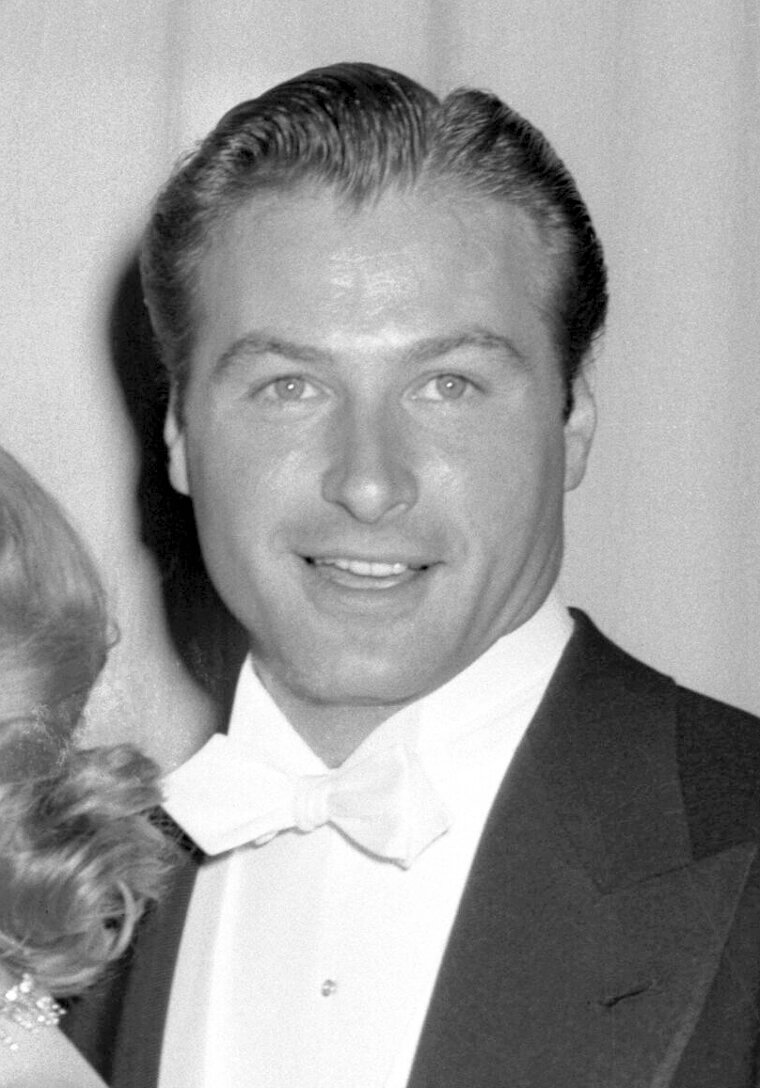
Without warning, he suffered a massive heart attack and collapsed on the crowded pavement. Despite immediate efforts by bystanders to save him, he died on the street at the age of 54. His sudden passing shocked his international fan base and tragically cut short his planned Hollywood comeback.
Richard Boone and His Throat Cancer
Richard Boone elevated the western genre with his cerebral and sophisticated portrayal of Paladin, the cultured gun-for-hire on the classic television series Have Gun – Will Travel. He was widely respected for his intense acting style and complex character interpretations, which set him apart from the traditional, clear-cut heroes of the era. A lifelong smoker, his health began to fail in the late 1970s when he was diagnosed with throat cancer, an illness that severely impacted his famous gravelly voice.
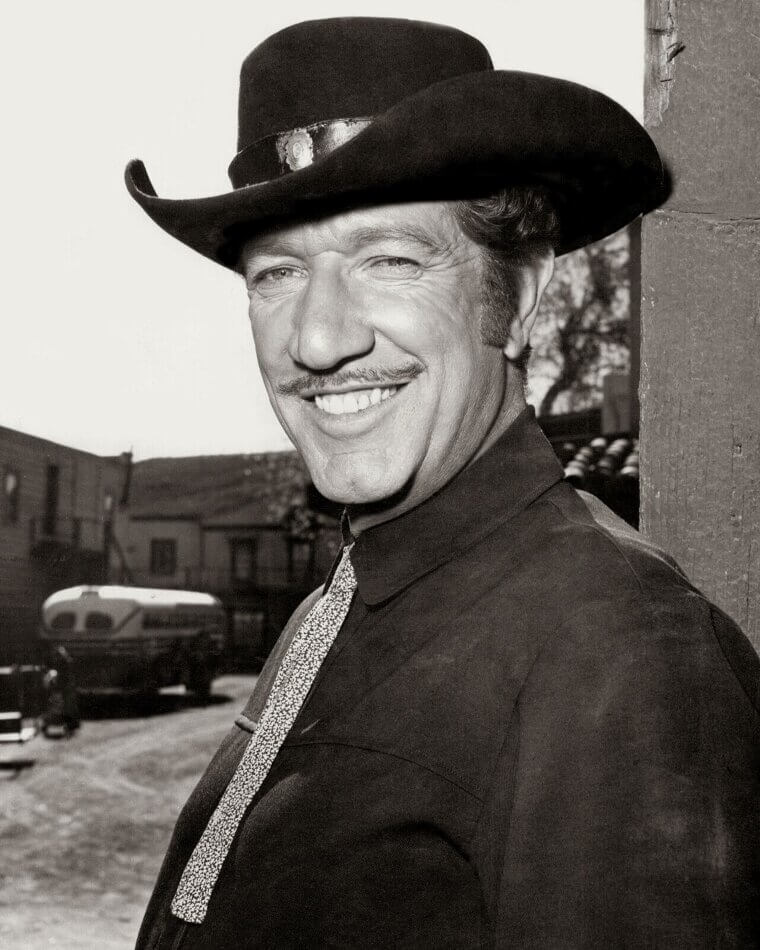
He underwent multiple treatments, but the aggressive disease forced him to step away from his acting career and retreat to his home in Florida. He ultimately succumbed to the cancer in 1981 at the age of 63, leaving behind a legacy of brilliant performances. The loss of his unique talent was deeply felt by critics and fans who appreciated his nuanced approach to acting.
Roy Rogers and the Loss of 3 Children
Known worldwide as the King of the Cowboys, Roy Rogers brought wholesome entertainment to millions through his music, films, and highly successful television series. Alongside his wife Dale Evans, he presented a picture-perfect family image to the public, blending their real-life romance with their on-screen adventures in a way that captivated audiences. Behind closed doors, however, the couple endured unimaginable personal tragedies, beginning with the death of their infant daughter Robin from complications related to Down syndrome.
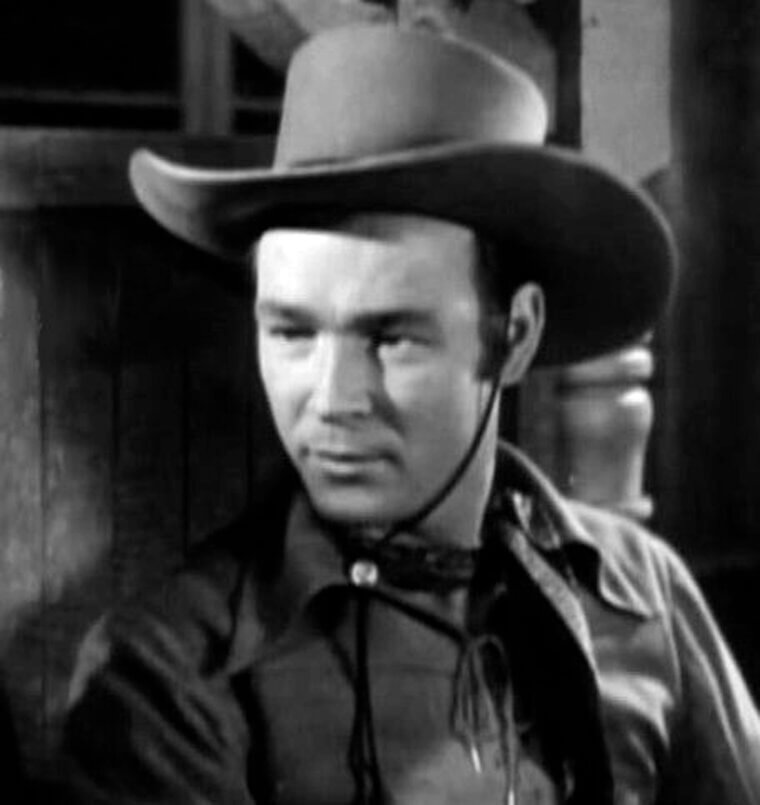
Years later, their adopted daughter Debbie was killed in a horrific bus accident, followed shortly by the sudden death of their adopted son Sandy in a military hospital. The immense grief of losing 3 children tested their spirits heavily, yet they channeled their sorrow into writing inspirational books and supporting charitable causes. Their ability to find purpose amid such devastating heartbreak remains a poignant part of their enduring legacy.
Dale Evans and Grieving Multiple Family Members
Dale Evans was the undisputed Queen of the West, shining brightly as an actress, singer, and songwriter who composed the iconic tune Happy Trails. Her career was closely intertwined with her husband Roy Rogers, and together they represented the ideal American family during the golden age of western television. Her personal life, however, was marked by a series of profound losses, as she outlived several of her children, including her beloved daughter Robin, whose brief life inspired her to advocate for children with developmental disabilities.
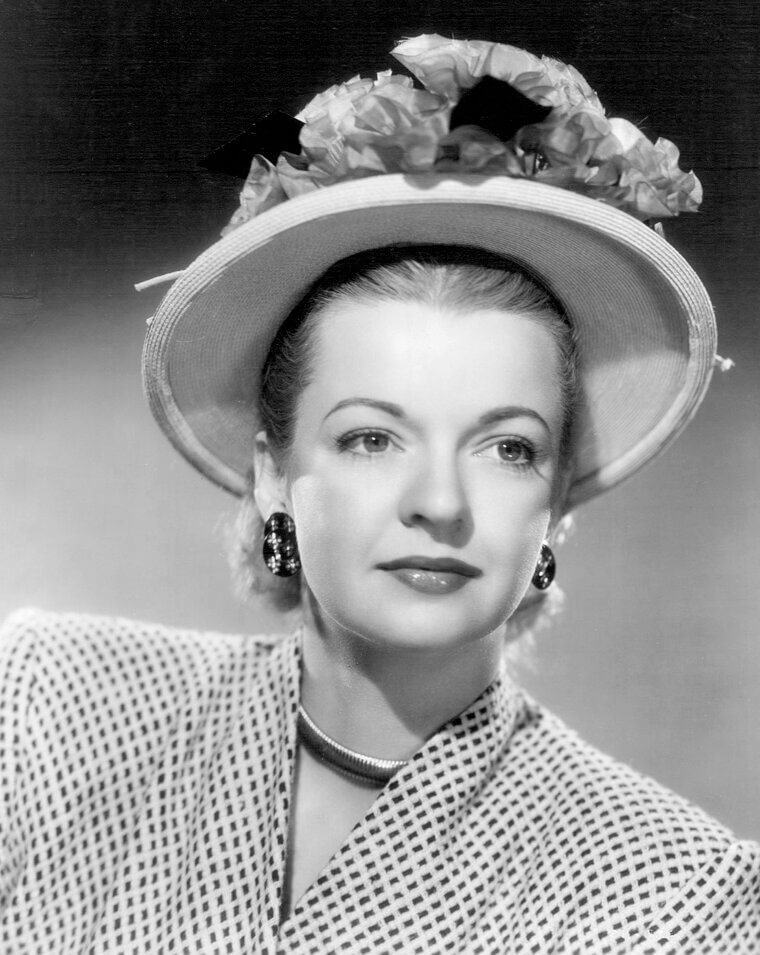
The subsequent accidental deaths of two of her adopted children plunged her into periods of intense mourning and emotional struggle. She found solace in her faith and dedicated her later years to inspirational speaking, sharing her journey through grief with others facing similar hardships. Her resilience in the face of repeated family tragedies transformed her into a symbol of incredible emotional fortitude.
Gail Russell and Liver Failure at 36
Gail Russell possessed a haunting beauty and quiet vulnerability that made her a compelling leading lady opposite legendary stars like John Wayne in the classic western Angel and the Badman. Despite her undeniable talent and rising fame, she suffered from debilitating stage fright and severe social anxiety, which she tragically attempted to self-medicate with alcohol. Her drinking escalated quickly, leading to multiple arrests, a highly publicized divorce, and the rapid derailment of her once-promising Hollywood career by her late twenties.
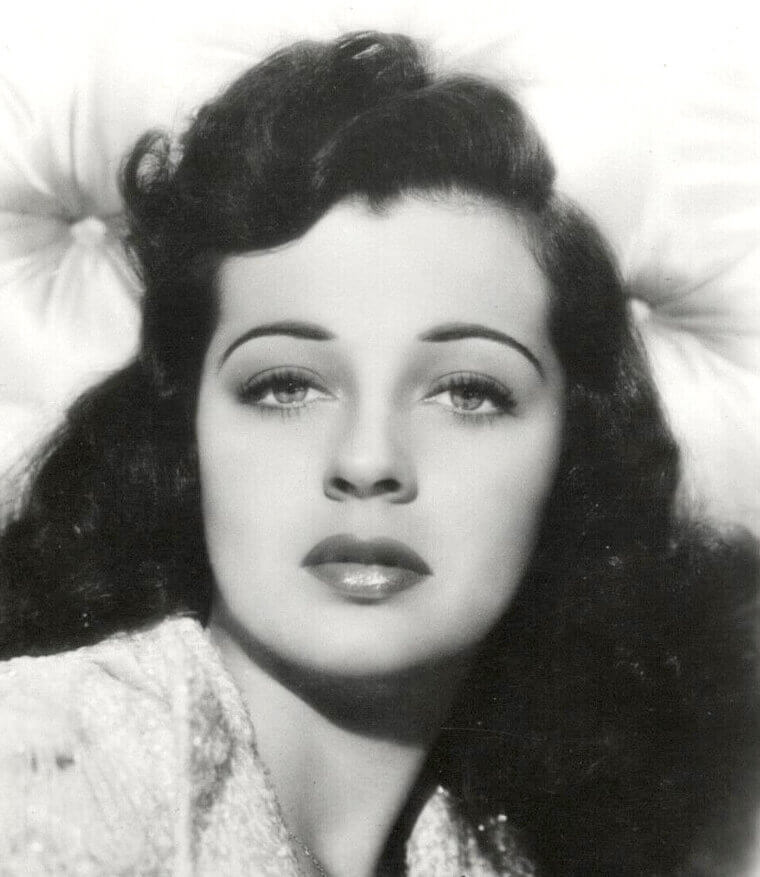
In 1961, concerned neighbors noticed they had not seen her for days and alerted the authorities to check her modest apartment. She was found dead at the tragic age of 36, having succumbed to alcohol-related liver damage. The heartbreaking end to her life serves as a stark reminder of the intense pressures hidden behind the glamour of early Hollywood.
Barbara Stanwyck and the Violent Home Invasion
A true powerhouse of American cinema, Barbara Stanwyck conquered multiple genres before ruling television as the tough and uncompromising matriarch Victoria Barkley on The Big Valley. She was known for doing many of her own stunts and maintaining a fierce independence, earning the profound respect of her peers and crews throughout her long career. In 1981, at the age of 74, she experienced a terrifying trauma when an intruder broke into her Beverly Hills home during the middle of the night.
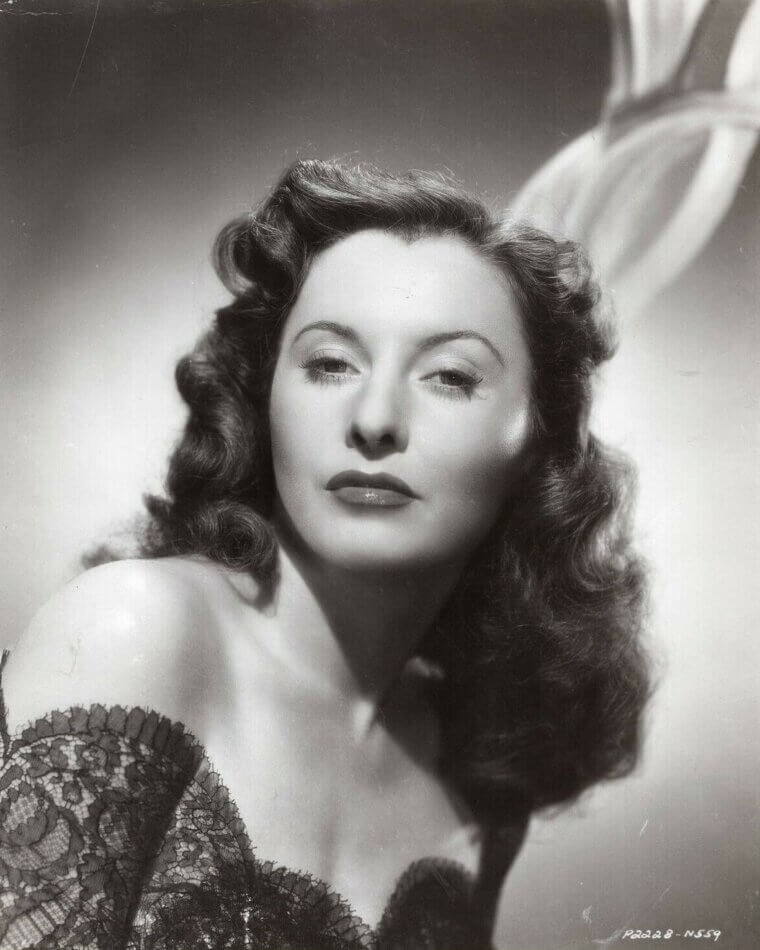
She was reportedly struck in the head with a flashlight and forced into a closet while the burglar ransacked her house and stole valuable jewelry. Though she survived the horrific ordeal, the violent invasion left her deeply shaken and contributed to her declining health in her final years. The incident was a shocking violation of safety for an actress who had always projected invincible strength.
John Wayne and the Radiation Linked Illness
John Wayne is undeniably the most iconic figure in the history of westerns, defining the genre with his towering presence and unmistakable drawl over a career that spanned half a century. While his on-screen characters often defeated impossible odds, he faced a formidable real-life battle when he was diagnosed with stomach cancer in 1979. Many industry insiders and health experts have long suspected his illness was linked to his time filming the movie The Conqueror in Utah, just downwind from a government nuclear testing site.
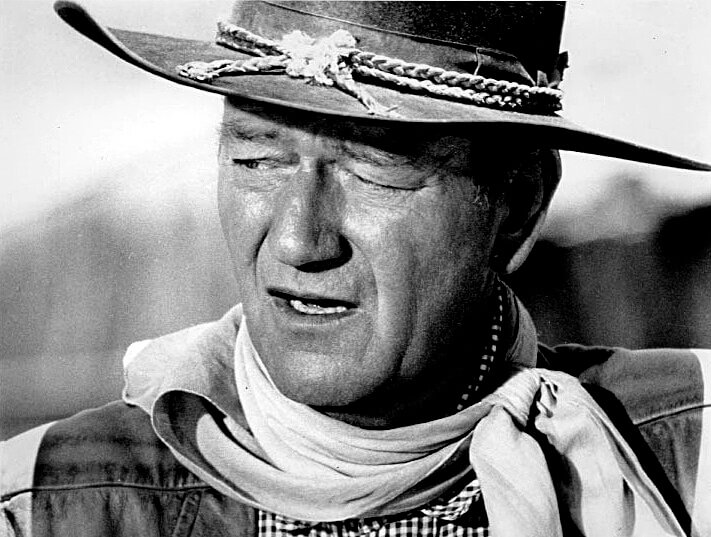
An unusually high number of cast and crew members from that specific production eventually developed and died from various forms of cancer. He passed away at the age of 72, having fought the disease with the same stubborn grit he brought to his famous movie roles. The tragic circumstances surrounding his illness continue to spark debates about historical safety protocols in the film industry.
Susan Hayward and Toxic Film Set Exposure
Susan Hayward was an Academy Award-winning actress known for her fiery red hair and intensely dramatic performances, frequently appearing in successful westerns and historical epics. Like John Wayne, she starred in the ill-fated production of The Conqueror, spending weeks filming in the contaminated desert sands of Utah near the Nevada nuclear testing grounds. Decades after the production wrapped, she began experiencing severe health issues and was eventually diagnosed with aggressive brain cancer, joining the alarming cluster of illnesses associated with that specific movie set.
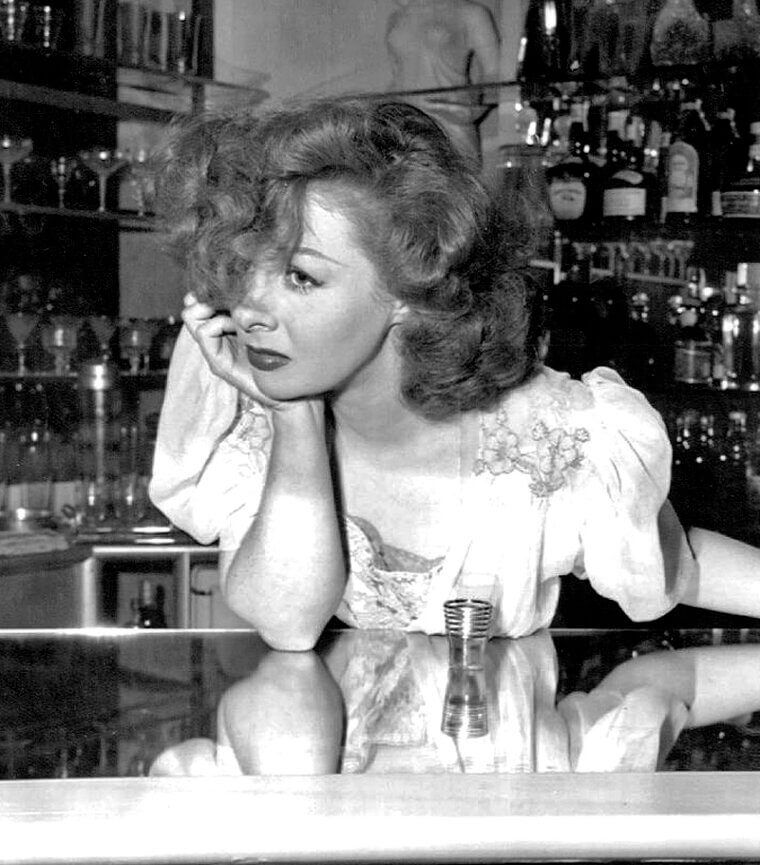
She endured extensive medical treatments, but the tumors continued to grow and severely impacted her neurological functions. She passed away in 1975 at the age of 57, leaving behind a legacy of brilliant acting and a lingering controversy regarding her cause of death. Her tragic passing underscored the hidden dangers that sometimes accompanied on-location filming during that era.
Pedro Armendariz and the Terminal Diagnosis Decision
Pedro Armendáriz was a massive star in Mexican cinema who successfully crossed over into Hollywood, bringing depth and charisma to classic westerns like 3 Godfathers and Fort Apache. He was celebrated for his commanding screen presence and expressive acting, making him a favorite collaborator of legendary director John Ford. Tragically, he was another cast member of the radioactive film The Conqueror, and years later, he began suffering from severe pain in his hips and lower back.
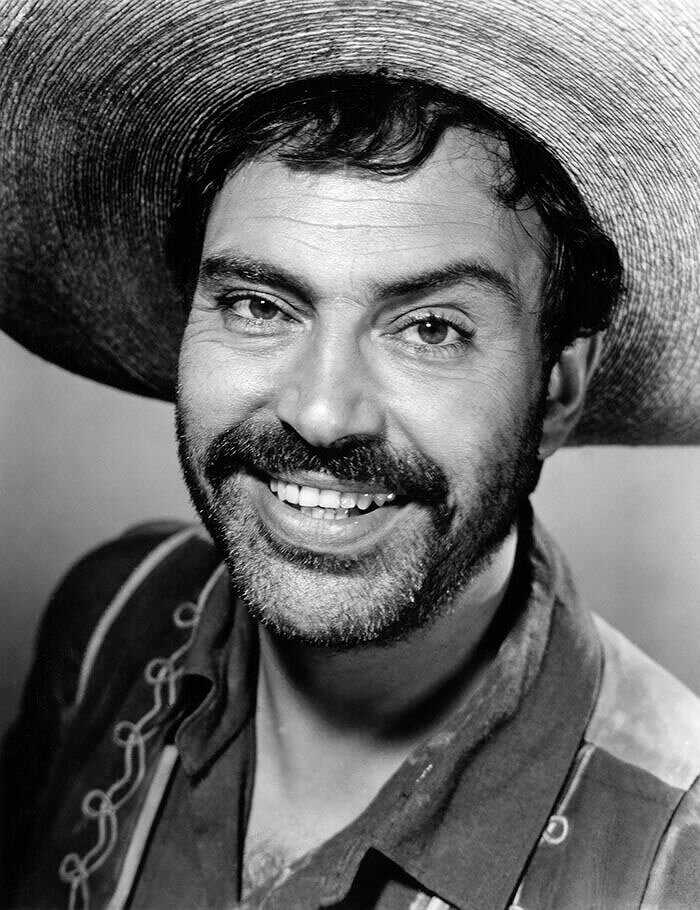
Doctors delivered the devastating news that he had terminal neck cancer, informing him that the disease would result in a slow and agonizing decline. While in the hospital recovering from a biopsy and facing a grim prognosis, he reportedly ended his own life with a smuggled firearm to avoid further suffering. His heartbreaking final decision shocked the international film community and his devoted fans.
Victor French and the Late Stage Lung Disease
Victor French was a beloved character actor who formed a legendary on-screen partnership with Michael Landon, appearing in numerous episodes of Gunsmoke before co-starring in Little House on the Prairie and Highway to Heaven. He frequently portrayed gruff but lovable sidekicks, utilizing his expressive face and comedic timing to win over audiences of all ages. A lifelong heavy smoker, he developed a persistent cough in early 1989 that he initially dismissed as a minor ailment.
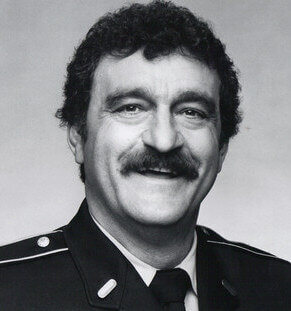
When he finally sought medical attention, doctors discovered advanced lung cancer that had already metastasized and was beyond the reach of surgical intervention or aggressive therapy. He passed away just 2 months after his initial diagnosis at the age of 54, leaving his friends and colleagues devastated by the rapid decline. His unexpected passing marked a tragic loss for the tight-knit community of television actors he worked with for decades.
Chill Wills and His Severe Health Decline
With his distinctive gravelly voice and folksy demeanor, Chill Wills was a highly recognizable character actor who enriched dozens of classic westerns and television shows throughout his career. He often played the wise mentor or the comedic comic relief, bringing a comforting and authentic presence to the frontier stories he participated in. As he entered his late 70s, his health began to fail significantly, leading to a series of prolonged hospital stays that drained his energy and kept him away from the public eye.
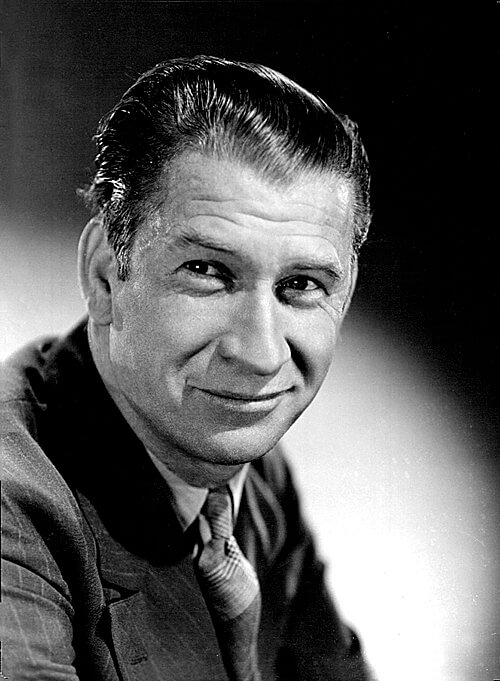
He suffered from various age-related ailments, culminating in a severe bout of cancer that proved too much for his weakened body to fight off. He passed away in 1978, leaving behind a massive body of work that continues to entertain fans of classic cinema today. His gentle spirit and memorable voice remain a cherished part of western film history.
Jack Elam and His Childhood Eye Injury
Jack Elam was famous for playing erratic, wild-eyed villains and eccentric sidekicks in countless westerns, turning his unique facial features into a highly successful acting trademark. His distinctive look was the result of a tragic childhood accident where he lost the sight in his left eye after being stabbed with a pencil during a scuffle at a boy scout meeting. Despite the trauma and the physical alteration it caused, he leveraged his appearance to build a prolific career in Hollywood, appearing in over 200 films and television episodes.
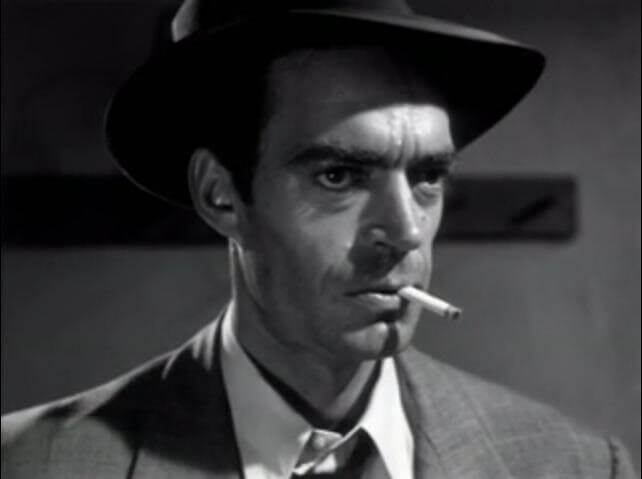
In his final years, his robust health began to decline, and he suffered from congestive heart failure that restricted his physical activities. He died peacefully in 2003 at the age of 82, having transformed a devastating childhood injury into the foundation of a remarkable entertainment career. Fans remember him as one of the most recognizable and entertaining character actors in the genre.
Lee Van Cleef and the Fatal Heart Attack
Lee Van Cleef possessed one of the most striking and intimidating faces in cinema, which he used to perfection playing ruthless villains in iconic spaghetti westerns like The Good, the Bad and the Ugly. Before finding stardom overseas, he was a staple on American television westerns, consistently delivering memorable performances as menacing outlaws and sharp-shooting antagonists. In the late 1980s, while enjoying a career resurgence and a steady stream of acting roles, his health unexpectedly gave out.
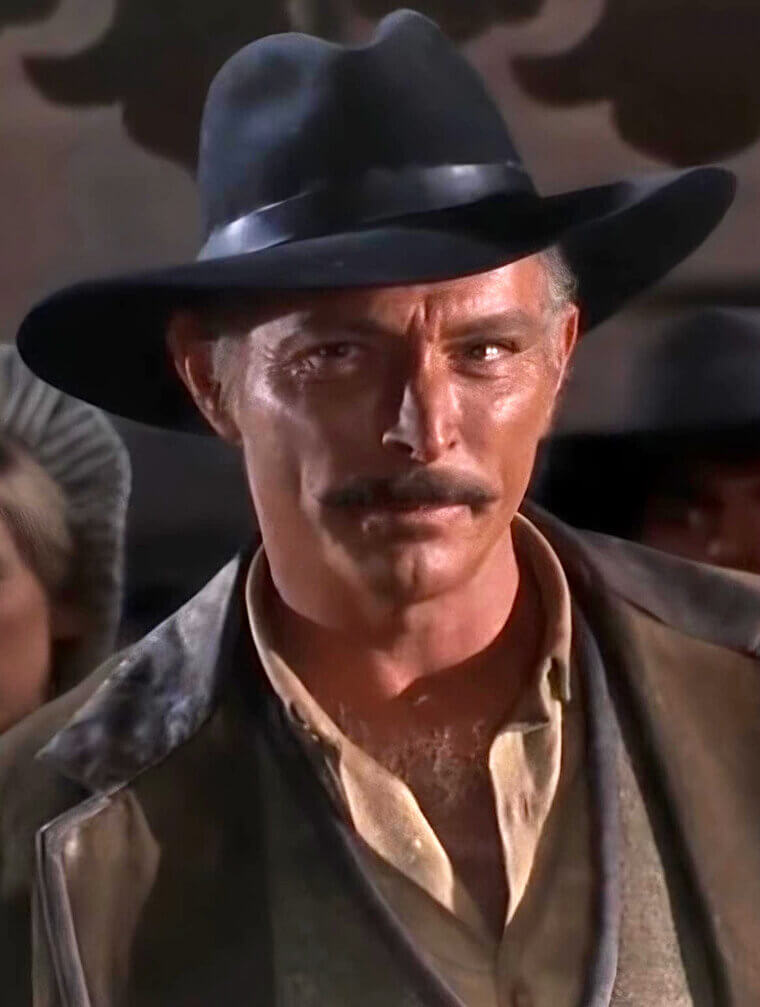
He reportedly collapsed in his home in Southern California and was rushed to a nearby hospital, where medical staff worked frantically to stabilize his condition. He was pronounced dead from a massive heart attack at the age of 64, cutting short the life of a cinematic icon. His razor-sharp gaze and commanding presence ensure his legacy will endure in the annals of film history forever.
Milburn Stone and Forced Retirement Due to Heart
Milburn Stone won an Emmy Award for his brilliant portrayal of the grumpy but dedicated Doc Adams, a role he played for exactly 20 years on the landmark series Gunsmoke. He was a cornerstone of the show's massive success, appearing in almost every episode and serving as a vital emotional anchor for the main cast. In 1971, he suffered a severe heart attack that required him to undergo dangerous open-heart surgery, forcing him to temporarily leave the series to focus on his grueling recovery.
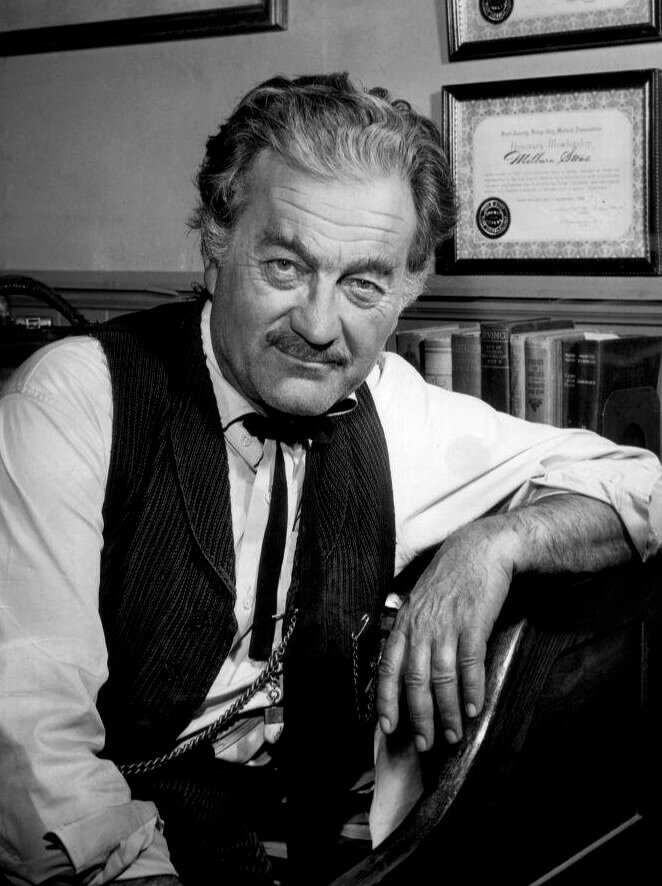
Though he managed to return for the show's final seasons, his cardiovascular health remained fragile and eventually forced him to retire from acting entirely in 1975. He passed away in 1980 from a subsequent heart attack at the age of 75, leaving behind a grieving fan base. His portrayal of Doc Adams remains one of the most beloved and enduring character performances in television history.
Ken Maynard and Passing in Obscure Poverty
Ken Maynard was one of the earliest and most financially successful singing cowboys of the silver screen, dazzling audiences with his incredible horsemanship and pioneering musical performances during the 1920s and 30s. He earned a staggering fortune at the height of his career, spending lavishly on personal airplanes, custom outfits, and a famously extravagant lifestyle. Unfortunately, changing public tastes and his reported struggles with alcohol abuse caused his career to plummet, leading to a long and painful slide into financial ruin.
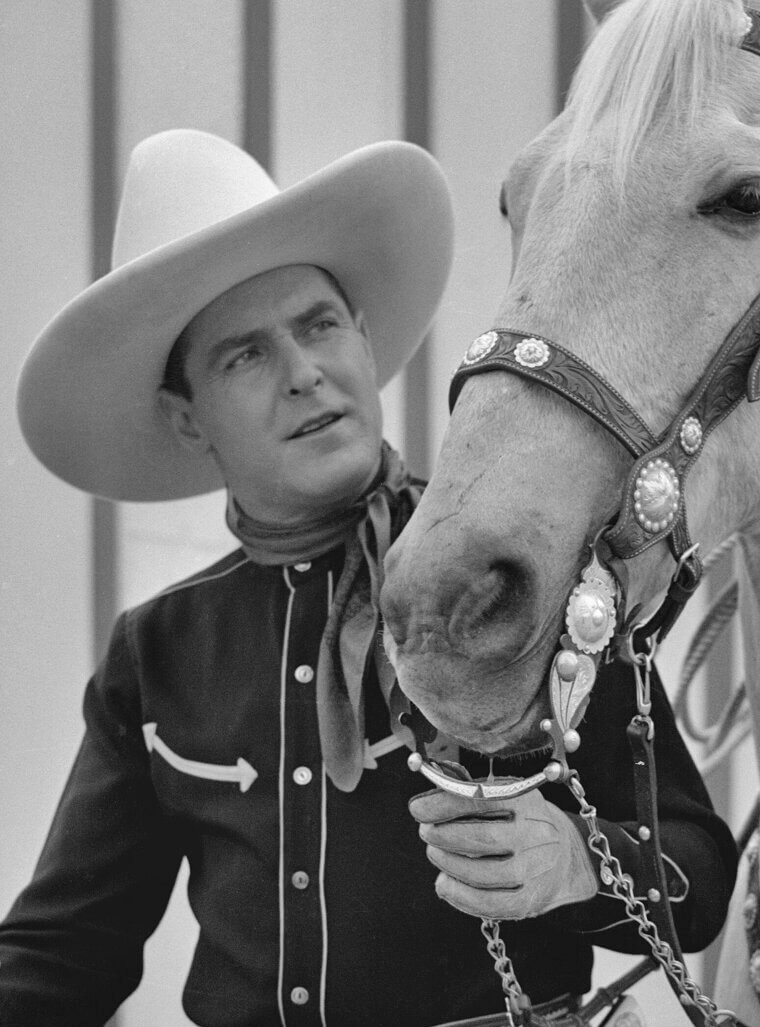
By the time he reached his golden years, he had lost his vast fortune and was living in a dilapidated trailer park, largely forgotten by the industry he helped build. He died in 1973 in a state of absolute poverty, requiring financial assistance from charitable organizations to cover his basic medical and funeral expenses. The tragic fall from grace of such a massive early star remains a cautionary tale of Hollywood excess.
Tim McCoy and His Financial Devastation
A genuine military officer and an expert on Native American sign language, Tim McCoy brought an unparalleled level of authenticity to the western films and serials he starred in during the early days of cinema. He commanded massive salaries and enjoyed immense popularity, becoming one of the most respected figures in the genre for his dignified portrayals of frontier life. In a bold attempt to expand his brand, he invested his entire personal fortune into a massive traveling Wild West show in 1938, which proved to be a catastrophic financial miscalculation.
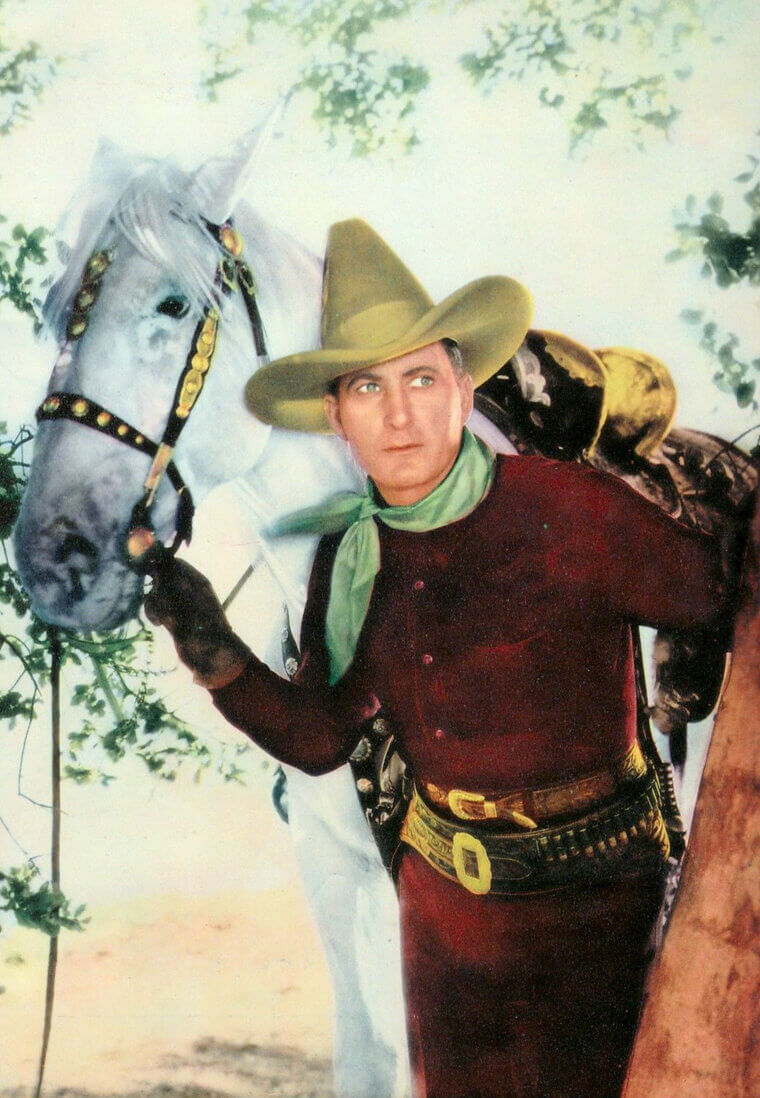
The extravagant production went bankrupt almost immediately, wiping out his wealth and leaving him with crippling debts. While he eventually recovered somewhat by returning to television acting, the devastating financial loss permanently altered the trajectory of his life and career. He passed away at 86, remembered as a true pioneer of the genre who risked everything for his vision.
Bob Steele and the Emphysema Struggle
Bob Steele was a dynamic and energetic presence in B-westerns and television shows, famous for his lightning-fast fists and intense brawling scenes that thrilled Saturday matinee audiences. He successfully transitioned into television, landing a recurring role as Trooper Duffy on the comedy western series F Troop, proving his versatility as an actor. Like many performers of his generation, he was a chronic smoker, a habit that eventually led to a severe diagnosis of emphysema in his later years.
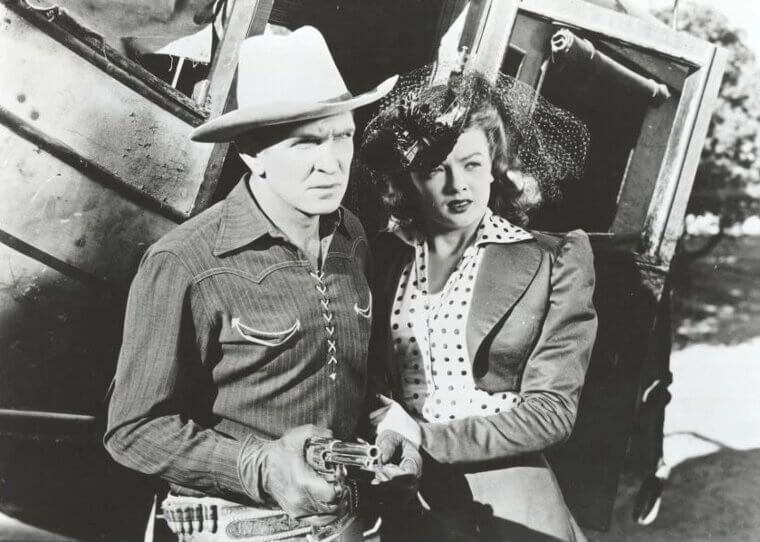
The debilitating lung disease slowly stripped away his physical vitality, making it increasingly difficult for him to breathe or engage in the active lifestyle he once enjoyed. He suffered with the progressive illness for several years before passing away in 1988 at the age of 81. The slow physical decline was a tragic end for a man who built his career on boundless energy and athletic prowess.
DeForest Kelley and the Stomach Cancer
Before achieving legendary status as Dr. Leonard McCoy on Star Trek, DeForest Kelley spent years acting in classic western films and television shows, often cast as a villain or a cynical gunfighter. His sharp features and intense delivery made him a natural fit for frontier dramas, and he built a solid resume in the genre before exploring the final frontier of science fiction. In his later years, after decades of beloved convention appearances and film roles, he was diagnosed with stomach cancer.
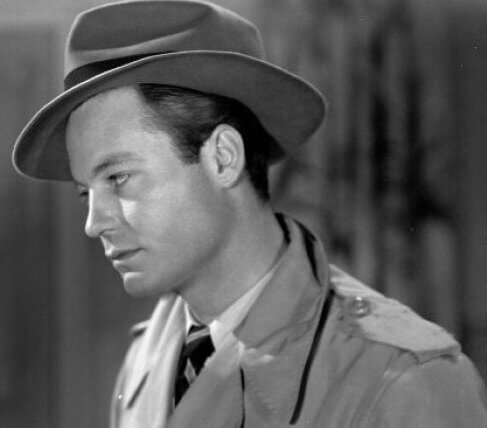
He bravely fought the disease, but his health steadily deteriorated, eventually requiring him to be admitted to the Motion Picture and Television Country House and Hospital. He passed away in 1999 at the age of 79, surrounded by loved ones and the enduring affection of fans worldwide. His diverse career bridge between the old west and the distant future remains a unique and celebrated legacy.
Agnes Moorehead and the Radioactive Movie Set
Agnes Moorehead was a highly versatile and acclaimed actress, widely recognized for her role as Endora on Bewitched, but she also delivered powerful performances in numerous classic western films and television episodes. Known for her striking voice and dramatic intensity, she brought a sophisticated edge to every project she joined throughout her long career. She was among the unfortunate cast members who filmed The Conqueror near the toxic Nevada nuclear testing sites in the 1950s, exposing herself to harmful radiation.
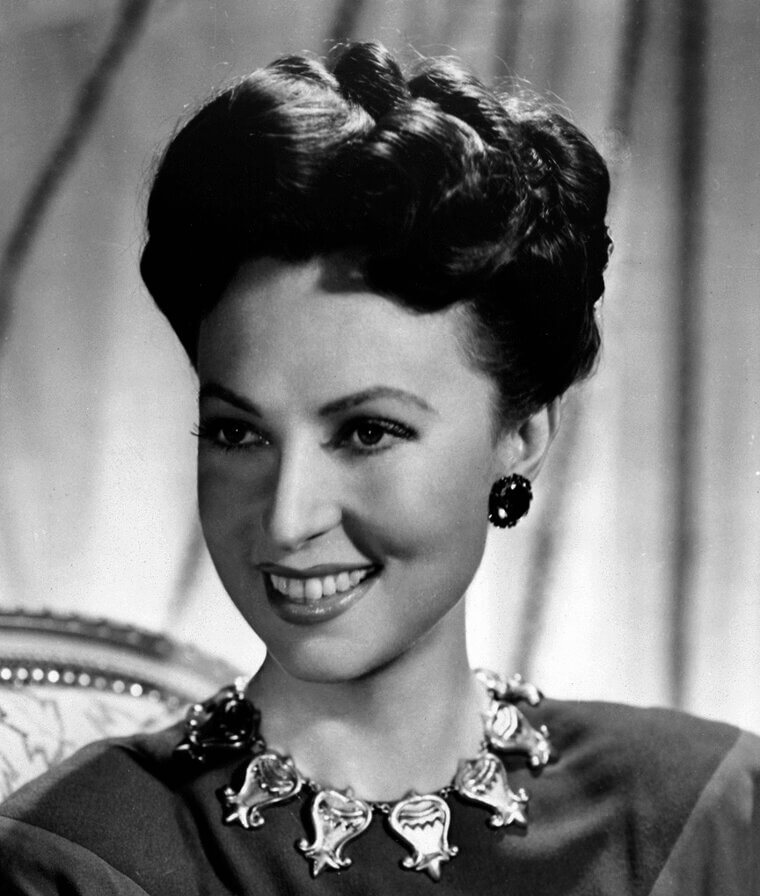
Decades later, she developed terminal uterine cancer, adding her name to the tragic list of individuals whose lives were allegedly cut short by the contaminated production environment. She succumbed to the illness in 1974 at the age of 73, remaining courageous and elegant until her final days. Her passing reinforced the grim legacy of the infamous film set that claimed so many talented lives.
Peter Duel and the New Year's Eve Heartbreak
Rising to immense fame as the charismatic outlaw Hannibal Heyes on the beloved series Alias Smith and Jones, Peter Duel captured hearts with his genuinely charming smile and undeniable talent. Behind his sudden success, he reportedly struggled with intense personal pressures and an overwhelming sense of disillusionment with the Hollywood machine, finding it difficult to cope with the relentless demands of a weekly television show. On the fateful night of December 31, 1971, he was spending a seemingly quiet, peaceful evening at home with his girlfriend, watching his own television series.
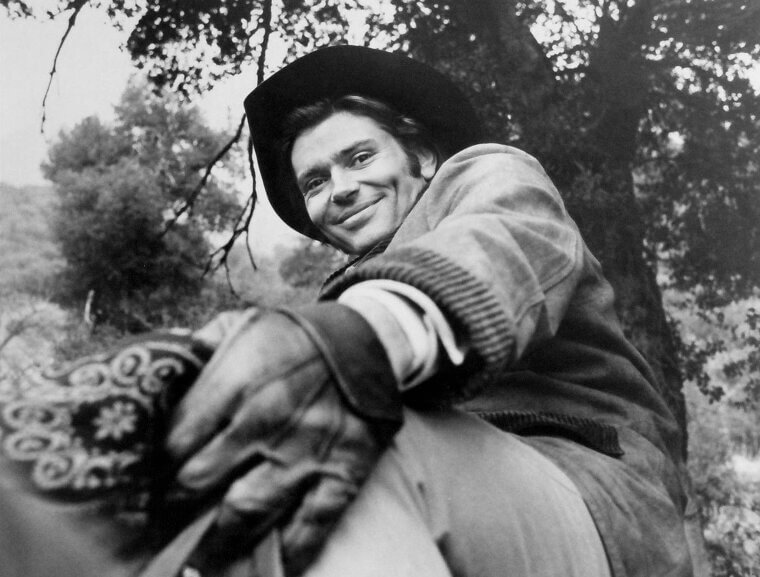
Shortly after midnight, the talented actor tragically ended his own life, a deeply sorrowful event that stunned his dedicated fans and colleagues. His completely unexpected passing remains a heartbreaking mystery in classic television history, leaving a permanent void in the hearts of viewers who adored his on-screen persona.
Eric Fleming and the Harrowing River Incident
Best remembered for his authoritative role as trail boss Gil Favor on the massive television hit Rawhide, Eric Fleming was a rugged leading man who seemingly had a long and prosperous career ahead of him. After leaving the series, he sought new opportunities and exciting challenges in international film projects. In 1966, he traveled to the remote, untamed jungles of Peru to film a challenging adventure movie titled High Jungle, which required extensive on-location shooting in difficult terrain.
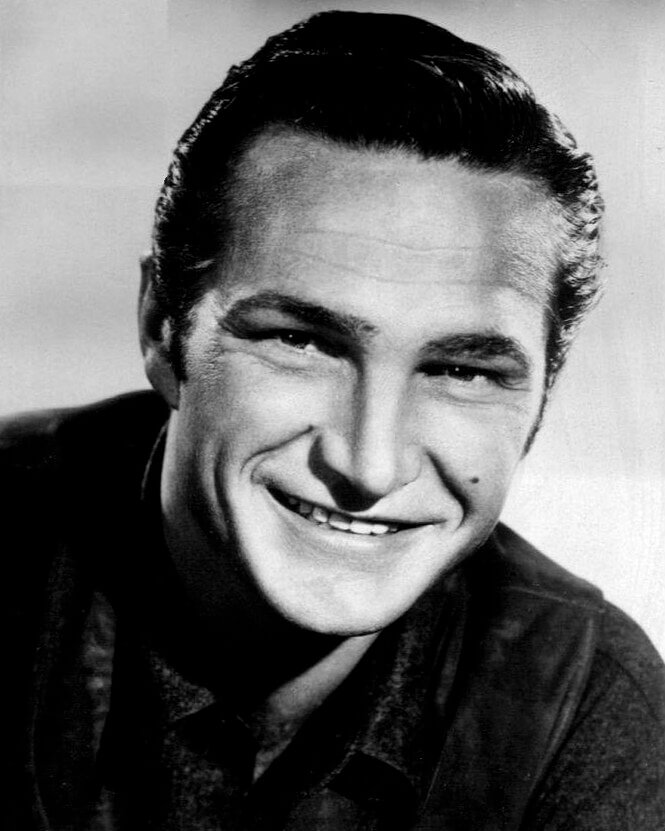
While navigating the treacherous rapids of the Huallaga River, his wooden canoe abruptly capsized, throwing him into the turbulent water. Despite his co-star's frantic attempts to survive the chaotic waters alongside him, Fleming was swept away by the overpowering current. He tragically drowned at age 41, suddenly concluding a remarkable life and leaving his co-stars and fans in utter disbelief.
Brandon DeWilde and the Sudden Highway Crash
After achieving unforgettable child-star fame in the classic cinematic masterpiece Shane, Brandon deWilde successfully transitioned into a highly capable young adult actor, capturing the attention of directors and audiences alike. He appeared in numerous classic Westerns and dramas, proving his immense talent to endure in the highly competitive entertainment industry as he matured gracefully on screen. His incredible potential and promising future were tragically cut short in 1972 while he was driving his camper van through a heavy rainstorm in Colorado en route to a theatrical performance.
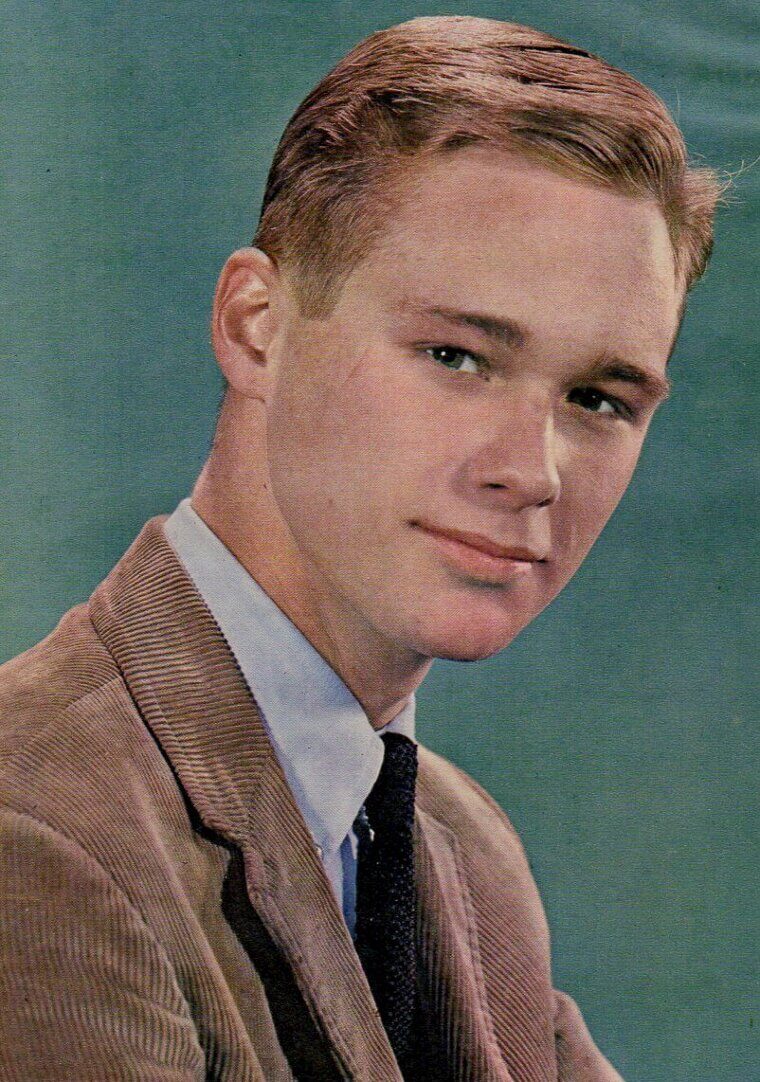
His vehicle reportedly struck a flatbed truck parked on the side of the road, resulting in immediate and devastating fatal injuries. The sudden highway collision claimed his life at just 30 years old. Fans deeply mourned the unbelievable loss of a gentle soul who grew up onscreen and showed endless artistic promise.