
The 1990s was a golden era for country music, bringing us unforgettable anthems we still belt out today. Did you know many of these classics hide fascinating secret meanings? Read on to uncover the truth and see if your favorites made our list!
Garth Brooks's "The Dance" Is Actually About Celebrating Life's Greatest Risks
When you listen to Garth Brooks sing "The Dance," it is easy to assume it is simply a sad song about a romantic breakup. Millions of country music fans have slow-danced to this timeless 1990 classic, reflecting on lost sweethearts and painful goodbyes. However, songwriter Tony Arata reportedly penned the tune after watching the movie Peggy Sue Got Married, reflecting on how life's painful moments are inextricably tied to our greatest joys.

Garth Brooks allegedly recognized that the song carried a much bigger message than a simple love story. He dedicated the iconic music video to historical figures and fallen heroes, showing that living passionately is worth the inevitable pain. It serves as a gentle, comforting reminder that true joy requires taking brave leaps of faith.
The Chicks' "Wide Open Spaces" Explores a Parent's Heartfelt Farewell
This 1998 hit is widely remembered as the ultimate anthem for independent young women eager to leave home and explore the world on their own terms. The soaring chorus naturally makes listeners picture a high school graduate embarking on a brand-new adventure. However, songwriter Susan Gibson reportedly wrote the song after bringing her laundry home from college and arguing with her mother. She penned the lyrics from her point of view, capturing the tender emotional struggle parents face when letting their children go into the world.

Rather than focusing solely on youthful rebellion, the song allegedly highlights the bittersweet beauty of stepping back so a child can grow. It remains a deeply relatable and comforting anthem for parents navigating empty nests.
Brooks & Dunn's "Neon Moon" Captures Deep Isolation in Crowded Places
On the surface, this classic two-stepping track feels like a fun country bar anthem perfect for a Saturday night out on the town with good friends. Ronnie Dunn's smooth vocals and the bouncy rhythm make it a favorite staple on jukeboxes across America. However, the lyrics reportedly paint a much more solemn psychological picture of emotional isolation. The glowing neon sign allegedly serves as a symbol for the artificial, temporary comfort that lonely individuals seek when trying to hide from their deepest sorrows.
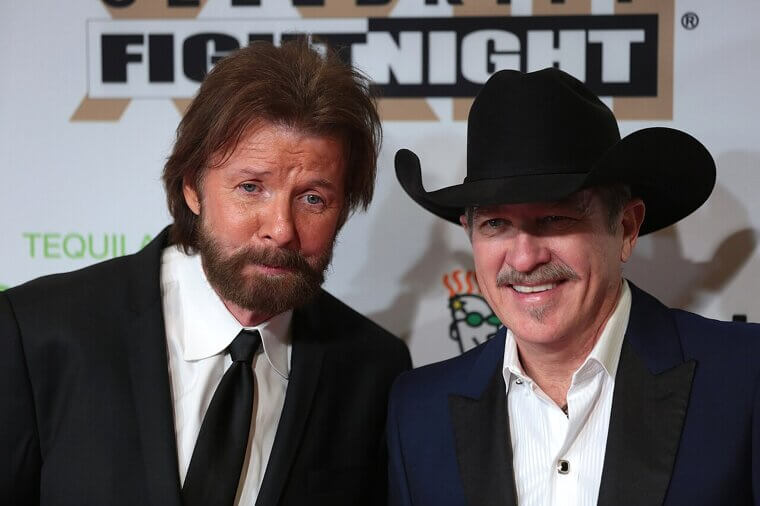
Instead of glorifying nightlife, the song subtly explores how people surround themselves with noise to numb a broken heart. That sharp contrast between the upbeat tempo and melancholic lyrics makes it an enduring country masterpiece.
Martina McBride's "Independence Day" Is About Escaping Difficult Hardship
Because of its powerful chorus and mid-summer title, Martina McBride's 1994 hit is frequently mistaken for a patriotic holiday anthem celebrating traditional summer festivities. Listeners often play it during Fourth of July cookouts without realizing the tragic story behind the music. Songwriter Gretchen Peters allegedly set the narrative on July 4th as an ironic backdrop to tell a story about a woman taking drastic measures to escape a very difficult household environment. The narrative is reportedly delivered from the innocent perspective of an eight-year-old child watching her mother seek personal freedom.

You only need to listen past the first chorus to discover the true meaning of this song. It is an inspiring story of survival and reclaiming personal dignity rather than a simple holiday song, giving the soaring chorus a deeply meaningful weight for listeners across generations.
Shania Twain's "Any Man of Mine" Established Uncompromising Relationship Boundaries
When Shania Twain released this catchy track in 1995, casual listeners viewed it as a fun, cheeky song about a demanding romantic partner. The playful music video and bouncy beat dominated country music television and radio stations everywhere. However, the song reportedly marked a major turning point for female country artists by promoting strong, equal standards in romantic partnerships during an era when country music often depicted women in more passive roles. Shania and co-writer Mutt Lange allegedly crafted the lyrics to show that women should never compromise their self-respect or settle for less than complete devotion.

Beneath the playful tone lies a groundbreaking statement about mutual respect and clear boundaries, encouraging women across generations to proudly know their worth in any relationship.
Tim McGraw's "Don't Take the Girl" Explores Unconditional Sacrificial Devotion
Tim McGraw’s 1994 classic follows three separate chapters in a young couple’s life, leading many listeners to view it as a traditional romantic story. Listeners love following Johnny and his partner as they grow from childhood adversaries to lifelong soulmates. However, songwriters Craig Martin and Larry W. Johnson reportedly penned the emotional storyline to examine how true love inspires total selflessness when facing life's greatest trials. The recurring plea "don't take the girl" shifts from a boy's funny childhood annoyance into a desperate, heartfelt prayer during unexpected tragedy.

The song allegedly shows how deep love reshapes our priorities, making a person willing to trade everything for their partner's protection and safety. It remains one of country music's most moving and unforgettable ballads.
Faith Hill's "This Kiss" Is About Overwhelming Emotional Chemistry
Faith Hill’s 1998 smash hit sounds like a lighthearted pop-country track about an exciting new crush on a sunny afternoon. Radio listeners everywhere couldn't help but sing along to its infectious beat and joyful vocals. Yet, songwriters Beth Nielsen Chapman, Robin Lerner, and Annie Roboff reportedly packed the lyrics with clever scientific terms like "centrifugal force" and literary references like Cinderella. The track allegedly explores the overwhelming psychological rush of true emotional chemistry, where logical thinking completely surrenders to absolute joy.

Rather than depicting a simple fling, it captures the dizzying, life-altering experience of finding someone who completely shifts your world. That intelligent and creative songwriting turned a fun radio tune into a timeless classic that listeners still adore today.
George Strait's "Carrying Your Love" Shows Home Is Found in People
This smooth 1997 chart-topper is commonly interpreted as a straightforward song about a traveling cowboy missing his partner while out on the road. George Strait's signature western style gives it a classic, comforting country feeling that fans love. However, songwriters Steve Bogard and Jeff Stevens reportedly intended to convey that home is an emotional sanctuary tied to a loved one rather than a physical address on a map.

The phrase "carrying your love" allegedly symbolizes an internal peace that accompanies a person through life's endless journeys, providing warmth during lonely nights. Distance cannot weaken a bond when two hearts remain connected. This thoughtful perspective elevates a traditional country trope into a beautiful, enduring tribute to unwavering long-distance devotion.
Alan Jackson's "Chattahoochee" Reflects on the Fleeting Nature of Youth
Famous for its energetic melody and iconic water-skiing video, Alan Jackson's 1993 hit is widely loved as a fun summer party song. Families often play it at outdoor gatherings to enjoy its upbeat, nostalgic rhythm and catchy chorus. However, Alan Jackson and co-writer Jim McBride reportedly created the track as a bittersweet reflection on how fast teenage years disappear. The Chattahoochee River allegedly represents the exact boundary line between carefree youth and the heavy responsibilities of adult life.

While the characters enjoy silly summer antics, the song gently reminds us that those golden days fade far too quickly. That underlying nostalgia turns a catchy country hit into a meaningful, comforting celebration of life's formative years.
Reba McEntire's "Fancy" Is About the Lengths a Mom Will Go To To Survive Extreme Poverty
Reba McEntire’s 1991 signature performance is often celebrated as a dramatic rags-to-riches tale about a glamorous woman finding financial success. The soaring vocals and energetic tempo make it feel like an empowering victory song. However, songwriter Bobbie Gentry originally penned the track to shine a light on extreme poverty in rural communities during difficult economic times. The mother in the song allegedly makes a heartbreaking choice to give her daughter a chance at a better life when faced with severe hardship.

It serves as a sharp commentary on resilience, social class struggles, and the unimaginable sacrifices mothers make for their children's survival. Understanding this deep backstory gives Reba's performance unforgettable emotional grit and historical importance.
Trisha Yearwood's "She's in Love" Mocks Overprotective Parental Rules
This charming 1997 hit is usually enjoyed as a lighthearted story about a rebellious young woman dating a local boy despite her father's stern warnings. It feels like a classic, familiar tale of youthful romance that brings a smile to your face. However, songwriter Jon Ims reportedly intended the track as a humorous commentary on parental overprotection with a sweet, traditional country narrative. The narrative allegedly reveals how parents often forget their own youthful adventures and mistakes when trying to shield their children from taking risks.

Beneath the warm melody lies a gentle reminder that true love cannot be dictated or controlled by outside rules. That clever observation gives this popular country song a timeless sense of humor and warmth.
The Chicks' "Cowboy Take Me Away" Craves a Simpler Life
Listeners frequently view this gorgeous 1999 ballad as a traditional romantic fantasy about escaping into the sunset with a rugged western partner. Its delicate acoustic sound evokes wide-open landscapes and peaceful freedom. However, writer Martie Maguire allegedly penned the song during a chaotic career peak, expressing a deep mental desire to escape the overwhelming noise and artificial stress of modern life.

The word "cowboy" reportedly serves as a symbol for peace, nature, and an unhurried lifestyle rather than just a romantic interest. The track captures a universal longing to step away from daily worries and find quiet simplicity, making it a peaceful, comforting sanctuary for overwhelmed listeners across generations.
Jo Dee Messina's "Heads Carolina" Is About Hitting the Reset Button
This high-energy 1996 hit is widely viewed as a spontaneous road trip song about flipping a coin to pick a random vacation destination. Its catchy chorus makes you want to pack a bag and drive down the highway immediately. However, songwriters Tim Nichols and Mark D. Sanders reportedly crafted the story around the psychological need to break free from a stagnant, unfulfilling routine. Flipping a coin allegedly symbolizes a brave willingness to leave everything behind when life feels completely stuck in place.

It is less about a brief weekend trip and more about taking a bold leap of faith for a fresh start, giving this upbeat classic genuine emotional weight and lasting appeal.
Deana Carter's "Strawberry Wine" Mourns the Tragic Loss of Innocence
Deana Carter’s beloved 1996 hit is universally cherished as a nostalgic song about a young woman's first summer romance on a family farm. Its warm acoustic guitar brings back fond memories of youth and gentle summer nights. However, writers Matraca Berg and Gary Harrison reportedly created the track to explore the heartbreaking, irreversible loss of innocence that comes with growing up. The sweet wine allegedly symbolizes the brief, sugary magic of youth that fades as time marches forward.

When the narrator returns years later, she realizes that neither the farm nor her naive worldview can ever be reclaimed, turning this classic country hit into a deeply moving, universal reflection on time passing.
Toby Keith's "Should've Been a Cowboy" Escapes Modern Adult Stress
Toby Keith’s 1993 debut hit is often seen as a fun homage to classic television westerns like Gunsmoke and childhood cowboy games. The catchy singalong chorus made it an instant favorite on country radio stations everywhere. However, the songwriter allegedly wrote the tune while reflecting on modern relationship troubles and heavy adult responsibilities. Romanticizing the western frontier reportedly served as an emotional escape, idealizing a lifestyle where honor was simple and life felt unburdened by modern expectations and societal pressure.

It captures a universal desire to trade complicated problems for a simpler way of life, giving this bouncy track a surprisingly thoughtful, comforting message that resonates with listeners today.
Clint Black's "Killin' Time" Warns Against Numbing Emotional Heartbreak
Although Clint Black’s 1989 breakout hit wasn't strictly 90's, it gained popularity in the new decade when it reached #1 on the Billboard country charts. Upon first listen, it sounds like a traditional country song about passing time in a local tavern after a breakup. The classic fiddle and steel guitar give it a comforting, old-school feel that fans love. However, Clint Black and Hayden Nicholas reportedly wrote the song to highlight how futile it is to try to erase heartbreak with temporary distractions. The phrase "killing time" allegedly reveals how the narrator is actually wearing himself down while waiting for his heart to heal.
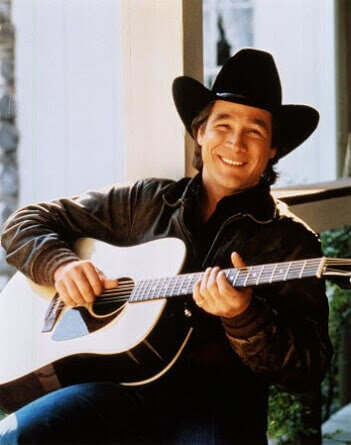
Rather than glorifying barroom nightlife, the lyrics offer a wise warning about stagnant grief. That honest perspective elevates a classic track into a powerful, comforting lesson on emotional healing.
Pam Tillis's "Maybe It Was Memphis" Shows How Places Shape Love
Pam Tillis delivered a memorable performance on this 1991 hit, which seems like a straightforward nostalgic song about a summer romance in Tennessee. Fans love its vivid imagery of warm southern nights, southern summer breezes, and starry skies. However, songwriter Michael Anderson reportedly wanted to explore how specific geographical places influence our deepest emotional connections. The city of Memphis allegedly acts as a mystical backdrop, creating a romantic atmosphere that could not have existed anywhere else in the world.

The song suggests that certain places leave permanent marks on our personal stories, elevating a sweet love story into a thoughtful, captivating meditation on time, location, and destiny.
John Michael Montgomery's "I Swear" Is a Lifelong Unwavering Vow
Released in 1993, this massive hit is frequently played at wedding receptions because of its tender melody and romantic promises. Countless couples have shared their first dance to its comforting words and beautiful arrangement. However, songwriters Gary Baker and Frank J. Myers reportedly intended the song as a serious, binding pledge of absolute emotional stability in an unpredictable world. The lyrics allegedly focus on weathering life’s inevitable trials, aging gracefully, and enduring difficult seasons together, rather than just enjoying the initial romantic thrill.

Understanding this mature perspective turns a beloved wedding ballad into a profound declaration of enduring partnership and lifelong loyalty through all of life's ups and downs.
Lonestar's "Amazed" Describes Finding True Lifelong Soulmates
Lonestar dominated country and pop charts in 1999 with this iconic ballad, widely embraced as a heartfelt expression of romantic infatuation. Listeners everywhere naturally connect with its soaring vocals and passionate chorus about falling in love. However, songwriters Marv Green, Aimee Mayo, and Chris Lindsey reportedly intended to capture the humbling awe that occurs when true love completely reshapes a person's life perspective. The lyrics allegedly describe a deeply spiritual shift where finding your soulmate makes all past struggles feel meaningful and worthwhile.
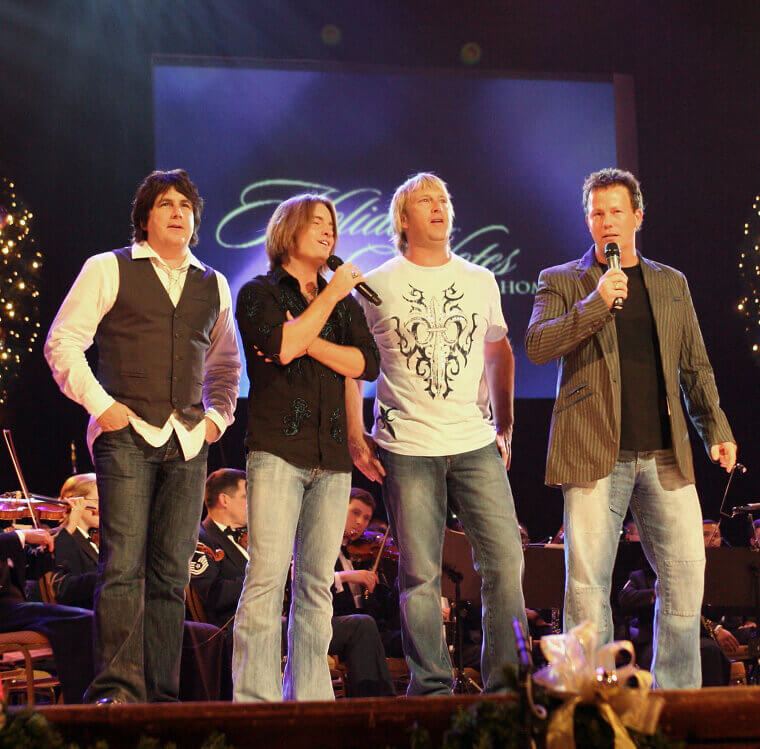
That rich perspective elevates a popular slow-dance staple into an extraordinary, comforting tribute to the life-changing power of authentic love and lasting companionship.
Kenny Chesney's "How Forever Feels" Chooses Commitment Over Freedom
This upbeat 1998 chart-topper sounds like a carefree, island-style anthem about enjoying a wild and adventurous bachelor lifestyle. Listeners love singing along to references of sunny beaches and carefree living on tropical shores. However, songwriters Wendell Mobley and Tony Mullins reportedly used those adventurous antics to highlight the narrator's underlying emotional emptiness. The lyrics allegedly reveal a man who has traveled everywhere and tried everything, but realizes true happiness only comes from a deep, lasting commitment to one person.

It marks a thoughtful shift from restless wandering to seeking true emotional stability, turning a bouncy summer song into a meaningful, relatable reflection on personal growth.
Vince Gill's "Go Rest High" Brings Peace During Bereavement
Vince Gill’s 1995 song is universally recognized as a comforting gospel hymn often played at memorial services across the country. His soaring vocals offer peace to grieving families in their hardest moments of loss. However, Gill reportedly began writing the song after country star Keith Whitley passed away, completing it years later after his own brother's sudden passing. The track allegedly focuses on releasing a loved one from their intense earthly struggles and inner pain into eternal rest.

It is less about mourning loss and more about celebrating peaceful rest, giving this deeply personal song an extraordinary level of comforting grace for anyone healing from a loss.
Diamond Rio's "Meet in the Middle" Teaches Relationship Compromise
This charming 1991 hit tells a sweet story about two young neighbors meeting at a fence line midway between their family homes. It is widely enjoyed as an innocent country tale about young romance in a small town. However, songwriters Chapin Hartford, Jim Foster, and Don Pfrimmer reportedly designed the physical fence line as a lifelong metaphor for essential relationship compromise. As the characters grow older and marry, the story shows that lasting love requires continuous effort, understanding, and meeting halfway.

That wise underlying message transforms a sweet nostalgic story into a practical, comforting guide for building a strong, enduring marriage through life's many changes.
Collin Raye's "Love, Me" Reminds Us Love Survives Death
Collin Raye delivered an emotional 1991 classic with this story about a young man reading an old note written by his grandmother. Listeners instantly connect with the touching portrayal of lifelong devotion and family bonds. However, songwriters Skip Ewing and Max D. Barnes reportedly intended the note's message to represent a promise that completely transcends physical death. The phrase "if you get there before I do" allegedly reassures the survivor that true emotional bonds remain unbreakable even after someone passes away.

It provides incredible comfort, making this beloved ballad a powerful source of healing and hope for grieving families across generations.
Mary Chapin Carpenter's "Passionate Kisses" Insists Everyone Deserves Joy
Written by Lucinda Williams and popularized by Mary Chapin Carpenter in 1992, this upbeat song sounds like a simple request for romantic affection. Its pleasant melody makes it easy to enjoy casually on the radio while driving. However, the lyrics reportedly serve as a firm, empowering statement that everyone inherently deserves basic happiness, comfort, and joy without feeling guilty. The narrator allegedly refuses to apologize for wanting emotional satisfaction, physical comfort, and respect in her daily life.

Beneath the sweet acoustic rhythm lies a confident message of self-worth that encourages listeners, especially women, to embrace joy without compromise or unnecessary sacrifice.
Patty Loveless's "Blame It on Your Heart" Reclaims Personal Dignity
Patty Loveless energized country music in 1993 with this sassy, high-tempo track about walking away from an unfaithful partner. Audiences love singing along to the clever, fast-paced chorus during road trips. However, legendary songwriters Harlan Howard and Kostas reportedly wrote the song as a triumphant statement of personal strength and boundary-setting. The lyrics allegedly showcase a woman refusing to carry emotional guilt or responsibility for someone else's deceptive behavior. Rather than dwelling on sadness, the protagonist firmly places accountability where it belongs.

That psychological strength turns a fun radio hit into an empowering, comforting anthem for self-respect and healthy emotional recovery.
Trace Adkins' "Every Light in the House" Portrays Lingering Denial
Trace Adkins touched listeners in 1996 with this gentle ballad about leaving every light on in the house in case a former partner returns home. Fans often view it as a romantic gesture of absolute patience and devotion. However, songwriter Kent Robbins reportedly intended to paint a poignant portrait of deep denial and emotional stagnation. The brightly lit house allegedly symbolizes someone who completely refuses to accept that a relationship has permanently ended.

Beneath the soothing melody lies a heartbreaking look at how lingering hope can keep a person trapped in the past, adding remarkable emotional depth to a classic country ballad.
Mark Chesnutt's "I Don't Want to Miss a Thing" Treasures Moments
Mark Chesnutt brought a soulful country style to this famous 1998 ballad, which listeners widely regard as a passionate declaration of romantic affection. The soaring melody makes it a popular choice for romantic occasions and anniversaries. However, songwriter Diane Warren reportedly penned the core idea after being inspired by an interview where James Brolin said he missed Barbra Streisand while sleeping. The lyrics allegedly express an intense awareness where even sleep feels like an unnecessary separation from a cherished loved one.

It captures that rare feeling of valuing every single moment, turning a romantic slow song into a poignant reminder to treasure life's most precious personal bonds.
Sammy Kershaw's "She Don't Know She's Beautiful" Honors True Authenticity
Sammy Kershaw topped the charts in 1993 with this sweet track about a woman who is completely unaware of her attractive looks. It is widely cherished as an uplifting, flattering romantic song that brings a warm smile. However, songwriters Paul Harrison and Bob McDill reportedly wrote the song as a subtle appreciation for natural authenticity over artificial vanity. The protagonist’s true charm allegedly comes from her humble personality and complete lack of pretension or self-absorption.
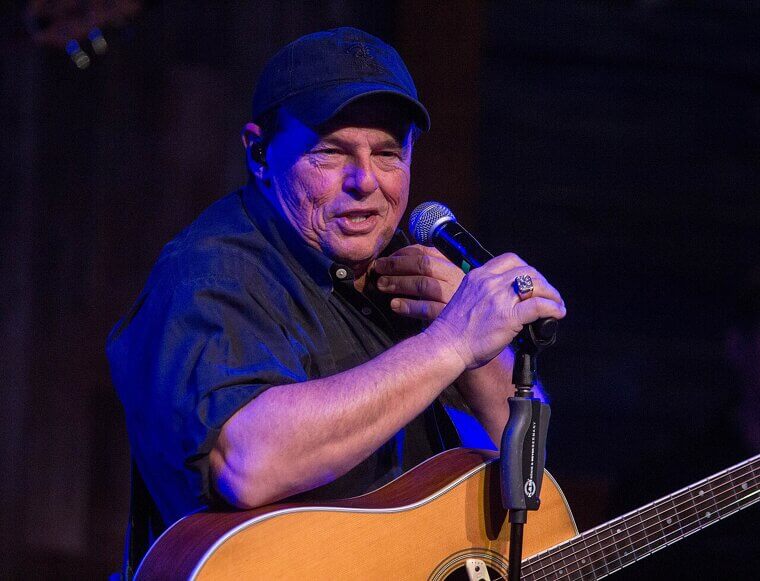
By celebrating genuine inner grace over manufactured glamour, the song delivers a comforting message about true self-worth, making it an enduring and heartwarming favorite for country fans everywhere.
Travis Tritt's "Here's a Quarter" Sets Boundaries Against Betrayal
Travis Tritt scored an iconic 1991 hit with this witty, high-energy track about offering an ex-partner change to call someone who cares. Audiences love the bold, humorous attitude of the famous chorus during live concerts. However, Travis Tritt reportedly penned the song after receiving a sudden letter from an ex seeking reconciliation after he achieved musical success. The quarter allegedly represents a firm, non-negotiable boundary against emotional manipulation.

Beneath the clever humor lies a serious message about protecting your peace and refusing to reopen doors to past mistreatment, making it an empowering, comforting anthem for personal boundaries. Knowing this specific history makes the timeless country hit even more relatable and meaningful for listeners today.
Wynonna Judd's "No One Else on Earth" Celebrates Vulnerability
Wynonna Judd launched her solo career in 1992 with this soulful smash hit, widely enjoyed as an upbeat song about falling deeply in love. Her powerful vocals give the track incredible energy and confidence. However, songwriters Jill Colucci, Stewart Harris, and Sam Lorber reportedly crafted the song to capture the terrifying vulnerability of letting down long-held emotional walls. The lyrics allegedly describe someone who built strong psychological defenses, only to be completely disarmed by genuine affection.

It celebrates the scary yet thrilling decision to trust another person again, adding meaningful depth and emotional resonance to an energetic radio staple.
LeAnn Rimes's "Blue" Delves Into the Pain of Unending Isolation
Thirteen-year-old LeAnn Rimes amazed country fans in 1996 with her unbelievable vocal performance on this throwback classic. Listeners loved her traditional yodeling technique and classic sound that recalled Patsy Cline. However, songwriter Bill Mack originally penned the track decades earlier, reportedly aiming to capture the heavy weight of profound isolation and sorrow. The color blue allegedly serves as a symbol for a deep melancholy that completely surrounds a lonely heart.

Masked behind impressive vocal acrobatics is a poignant song about longing, proving that deep emotional sorrow resonates across generations and giving the track timeless power.
Terri Clark's "Better Things to Do" Chooses Self-Respect Over Grief
Terri Clark burst onto the country scene in 1995 with this sassy hit listing household chores as far better options than crying over an ex. Listeners love its witty approach to moving past heartbreak with humor. However, Terri Clark and her co-writers reportedly crafted the track to emphasize personal self-respect and boundaries. The list of daily chores allegedly symbolizes choosing productive self-care over passive sorrow.

Rather than dwelling on disappointment, the song encourages taking immediate control of your daily routine, transforming a lighthearted country tune into an inspiring, practical guide for moving forward with confidence and grace. Dedicated country music fans always appreciate learning the fascinating stories behind their favorite radio hits.
Tracy Byrd's "Watermelon Crawl" Celebrates Small-Town Community
This upbeat 1994 hit is remembered for inspiring a line-dancing craze with its fun story about a rural Georgia festival. Listeners enjoy the catchy rhythm and humorous advice about safe driving after celebrating. However, songwriters Buddy Brock and Zack Turner reportedly used the festival setting to celebrate how local traditions create strong community unity. The event allegedly represents a safe space where neighbors set aside daily worries to share genuine laughter and togetherness.

Beneath the fun dance steps lies a warm appreciation for small-town togetherness, making it a nostalgic comfort song for country music fans everywhere.
Joe Diffie's "John Deere Green" Honors Stubborn Lasting Love
Joe Diffie delighted country fans in 1993 with this story about a young man painting a love note on a water tower in bright farm paint. It is celebrated as a funny, memorable tale of small-town youth and rebellion. However, songwriter Dennis Linde reportedly intended the persistent paint color as a symbol of stubborn, lasting commitment that endures despite public opinion. Even when painted over, the message remains clear.

Beneath the humorous rural storyline lies a sweet tribute to unconditional love that doesn't need to look polished to stand the test of time, giving fans a heartwarming feeling. Dedicated country music fans always appreciate learning the fascinating stories behind their favorite radio hits.
BlackHawk's "Goodbye Says It All" Proves Silence Speaks Volumes
BlackHawk hit the country charts in 1993 with this driving track about a woman packing her bags and leaving without saying a single word. The energetic beat makes it feel like an exciting road song. However, songwriters Mac McAnally, Bobby Fischer, and Charlie Black reportedly wanted to highlight the stark finality of an unspoken departure. The empty house allegedly demonstrates that when communication breaks down completely, silence speaks louder than any argument.

That realization adds a captivating layer of emotional gravity to a driving, high-energy country radio favorite that fans still sing along to today.