
Did you know the Old West was full of some truly bizarre rules? From banned pocket treats to forbidden bathtub guests, these quirky ordinances kept frontier towns in check. Dive into these weird historical laws that will leave you scratching your head!
Donkeys Prohibited from Sleeping in Bathtubs
Keeping a donkey inside a bathtub might sound absurd today, but residents in certain towns allegedly faced this exact scenario after a devastating flood swept through a valley. Reportedly, a local rancher allowed his pack animal to sleep in an old cast-iron tub, which ended up floating miles down a river when water levels rose unexpectedly. Rescue workers had to spend hours retrieving the frightened animal from the rushing waters, wasting valuable resources during a critical emergency.
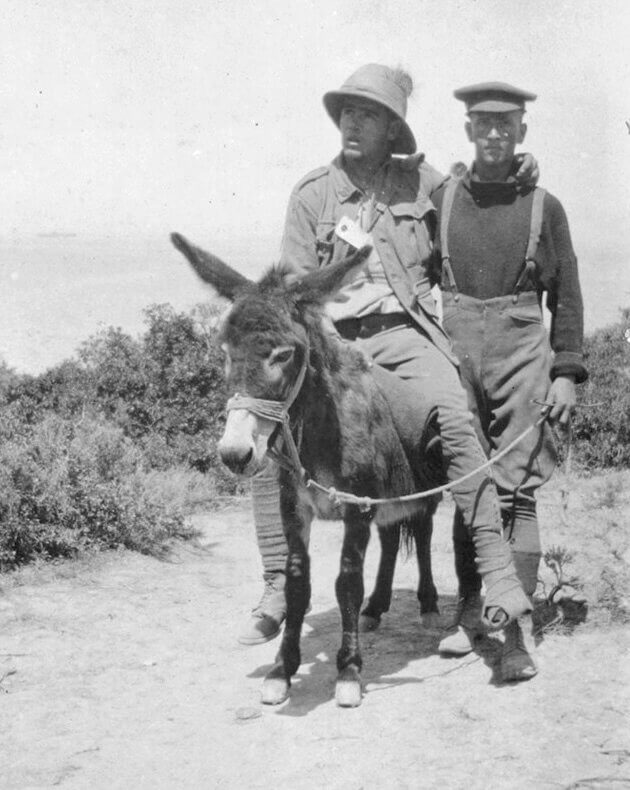
Following the incident, the town council decided to pass a preventative measure to ensure such a bizarre rescue mission never happened again. They officially decreed that hooved animals were no longer allowed to rest inside any type of bathing vessel. Citizens respected the new rule, finding alternative sleeping arrangements for their livestock to avoid hefty fines from the local magistrate.
No Ice Cream in Your Back Pocket
Carrying ice cream in your back pocket reportedly became a serious issue in several frontier towns because thieves allegedly used the sweet treat to lure horses away from their owners. A wandering horse would easily follow a person walking down a dusty street with a melting cone dripping from their trousers. This clever trick made it look like the animal was following them willingly rather than being actively stolen. Town councils realized this tactic made it difficult for sheriffs to prove a crime actually occurred.

Officials passed local ordinances prohibiting citizens from keeping frozen desserts in their rear pockets. This unique rule supposedly helped cut down on livestock theft drastically during summer months. Residents quickly adapted by eating their treats immediately or carrying them by hand, keeping their pockets clear and their valuable horses safely hitched where they belonged.
No Shooting Buffalo from Hotel Windows
During the height of westward expansion, massive herds of wildlife would occasionally migrate right through the center of newly established towns. Some overly enthusiastic hunters allegedly realized they could simply open their second-story hotel windows and shoot at the passing animals without ever leaving the comfort of their rooms. This reckless behavior reportedly caused chaos in the streets below, endangering pedestrians and spooking local wagon teams. Town leaders quickly recognized the severe danger posed by bullets flying across main street from elevated positions.
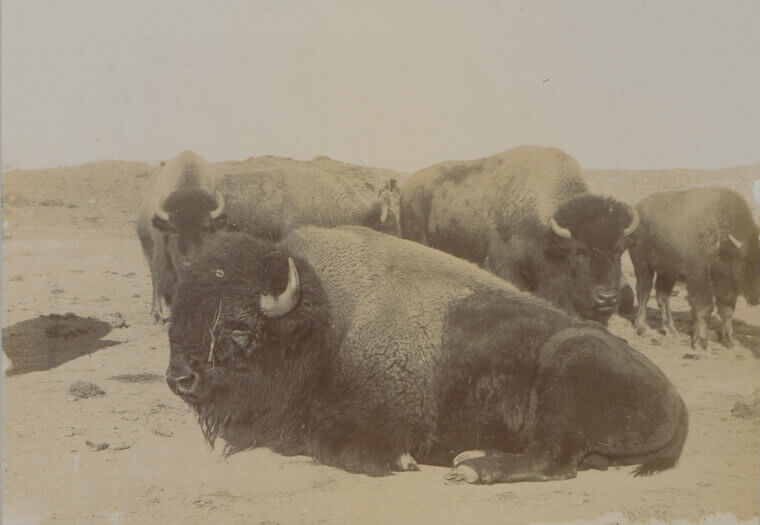
They quickly enacted a strict ban on firing any type of weapon from a hotel or boarding house window. The law forced hunters back out into the open plains, restoring a sense of safety to the downtown area and protecting innocent bystanders from stray ammunition.
Banning the Peeling of Oranges in Hotel Rooms
Citrus fruits were considered a rare luxury in many western territories, leading to a strange conflict in high-end boarding houses. Reportedly, guests who purchased these expensive treats would peel them inside their rooms, leaving the potent citrus oils clinging to the linens and furniture for weeks. Because ventilation was poor in older buildings, the strong smell would allegedly bother subsequent guests who preferred a neutral scent in their sleeping quarters. Local lawmakers eventually stepped in after multiple hotel owners complained about the ruined upholstery and persistent odors.
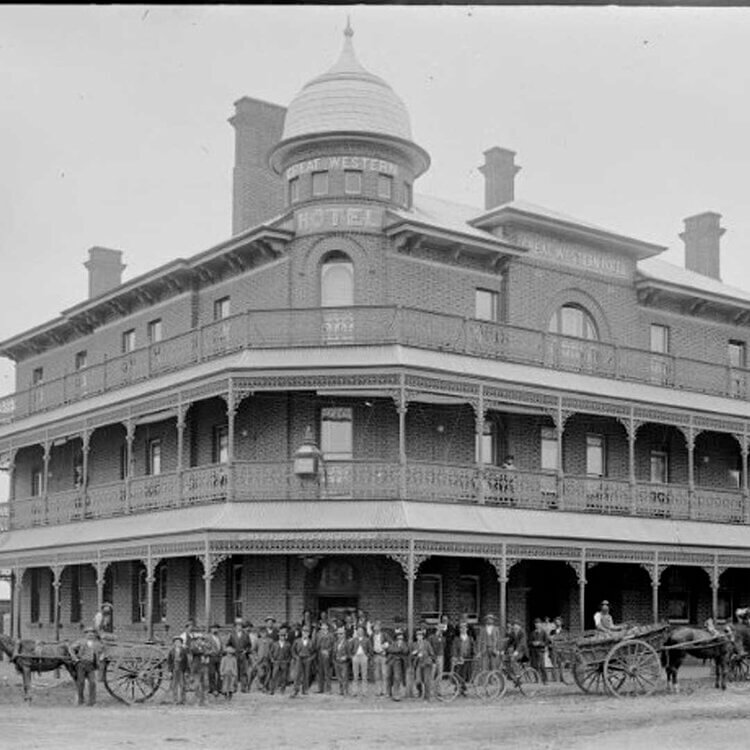
An ordinance was drafted that prohibited anyone from peeling oranges anywhere except the main dining hall or outdoor porches. This rule forced travelers to enjoy their exotic fruits in public spaces, ensuring that private guest rooms remained free of any lingering, fruity aromas that might upset future occupants.
Riding a Horse Over 10 MPH is Prohibited
Traffic laws existed long before automobiles were invented, mostly to keep chaotic frontier streets somewhat orderly. Young cowboys reportedly enjoyed racing their horses through town after a long week on the trail, kicking up massive clouds of dust and scattering pedestrians. These impromptu races allegedly caused numerous accidents involving supply wagons and pedestrians who could not get out of the way in time. In response to the growing danger, sheriffs established a strict speed limit for all riders entering the city limits.
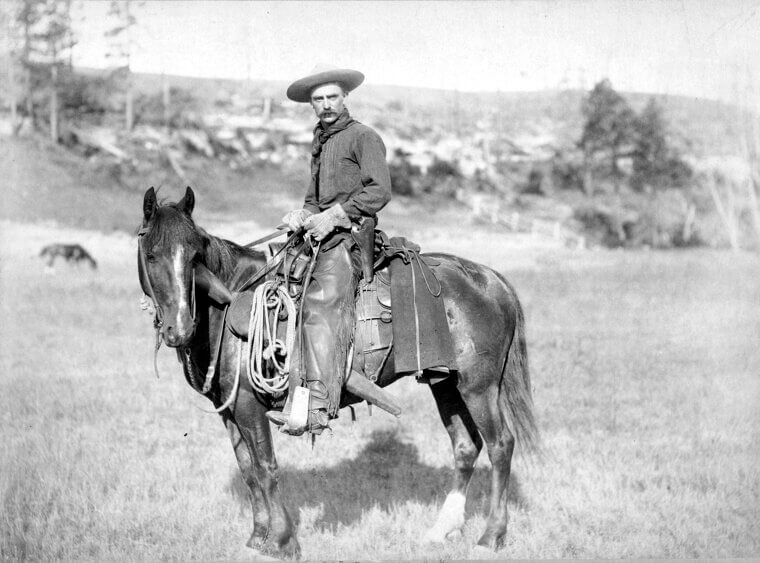
Anyone caught galloping at speeds exceeding 10 miles per hour faced steep fines and a night in the local jail. This early speed regulation forced riders to slow down to a manageable trot, making the dirt roads significantly safer for families and merchants trying to conduct their daily business.
Whistling Underwater is Strictly Forbidden
While it seems physically impossible to accomplish, one peculiar town supposedly enacted a law banning anyone from attempting to whistle while submerged in water. The origin of this strange rule allegedly stems from a local swimming competition where a participant nearly drowned trying to perform underwater musical tricks. Onlookers reportedly panicked, thinking the struggling swimmer was actually an aquatic monster making bizarre noises from the bottom of the lake. To prevent any future mass hysteria or unnecessary rescue attempts, city officials decided to outright ban the practice of making any musical sounds below the surface.

Swimmers were instructed to keep their mouths firmly closed while diving. The law served mostly as a humorous warning to adventurous youths, reminding them that some parlor tricks simply do not belong in the municipal swimming hole.
Banning Women from Wearing Pants in Public
Fashion rules were strictly enforced in many frontier communities, often rooted in traditional views brought over from eastern states. Lawmakers reportedly felt that women wearing trousers disrupted the social order and caused unnecessary distractions in polite society. Some pioneering women allegedly preferred pants for practical reasons, especially when riding horses or working long hours in agricultural fields. Despite the practical benefits, conservative town councils passed ordinances making it a finable offense for a woman to be seen in men's clothing on Main Street.
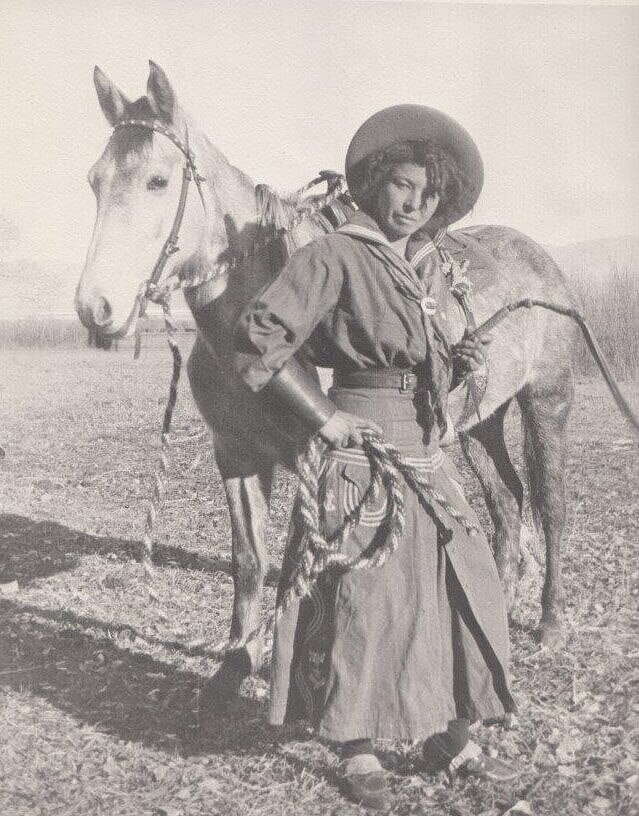
This strict dress code forced female ranchers to change into heavy skirts before making the journey into town for supplies. Over time, as survival in the rugged terrain became more important than high society fashion, these restrictive clothing laws were quietly ignored and eventually forgotten entirely.
Must Carry a Gun to Church on Sundays
Frontier life was inherently dangerous, and local congregations often felt vulnerable when gathered together in one place for weekly services. Several remote communities reportedly passed laws that actually required the head of every household to bring a loaded firearm to church. This unusual mandate allegedly came about after scattered reports of hostile groups ambushing unprotected settlements on Sunday mornings when the town was quiet. By mandating that churchgoers arrive armed, the town council essentially turned the local chapel into a well-defended fortress during the weekly sermon.
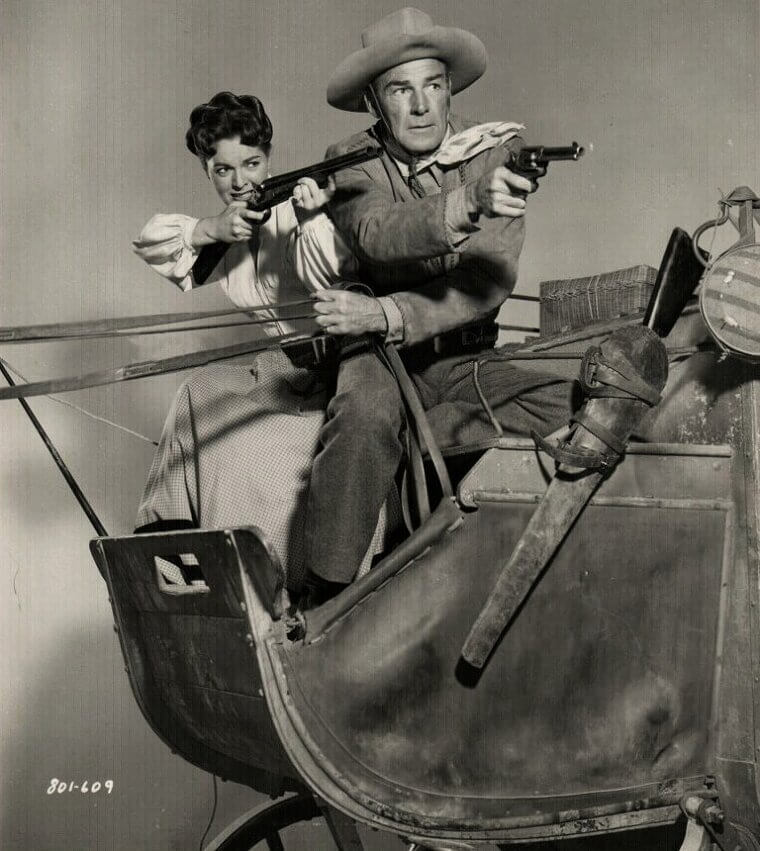
Ushers would sometimes check to ensure attendees had sufficient ammunition before allowing them to take their seats in the pews. It provided a stark reminder that spiritual devotion did not excuse citizens from their practical duties to defend the community.
No Livestock Above the Ground Floor
Multi-story buildings were rare in early settlements, but as hotels and boarding houses grew taller, some guests reportedly tried bringing their farm animals upstairs for safekeeping. Hotel managers allegedly grew tired of cleaning up after goats and sheep that had been smuggled into second-floor bedrooms by anxious travelers. The noise of hooves on wooden floorboards kept other guests awake all night, leading to numerous complaints to local authorities. To maintain peace and cleanliness, lawmakers passed regulations strictly forbidding anyone from keeping livestock above the ground floor of any building.
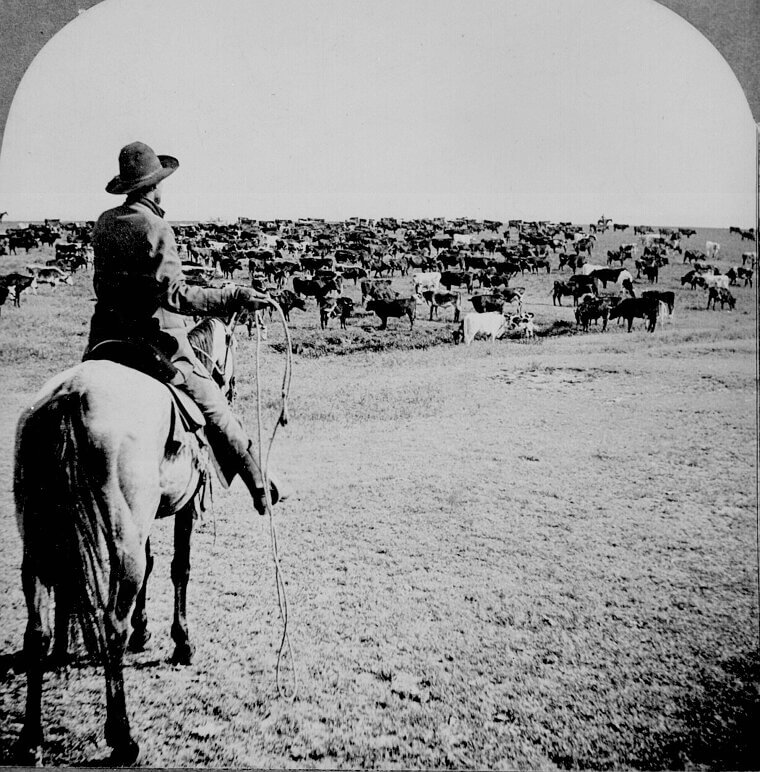
This legislation ensured that animals stayed in designated stables or yards out back. Hotel owners were thrilled with the new mandate, as it gave them legal backing to evict any patron who attempted to sneak a prized calf into their rented suite.
No Throwing Snowballs Within City Limits
Winter in the high country brought deep snows and rowdy behavior from bored residents trapped indoors for months at a time. What started as innocent winter games allegedly escalated into dangerous street battles involving ice chunks that shattered windows and injured passing horses. Shopkeepers reportedly demanded action after a particularly aggressive snowball fight broke several expensive glass panes imported from the east coast. The mayor subsequently banned the throwing of any snow or ice projectiles within the commercial district to protect property and ensure safe passage.
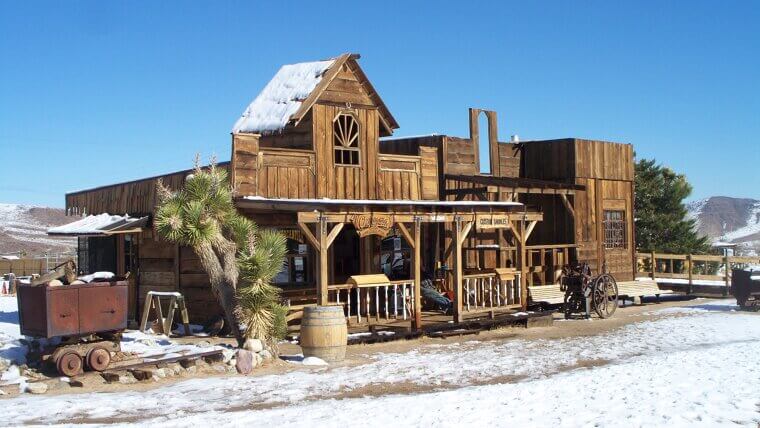
Children and adults alike were forced to move their frozen skirmishes out to the open fields beyond the city borders. The law brought peace back to the snowy streets, allowing merchants to conduct their winter business without fear of an icy ambush.
Spitting on the Sidewalk is Illegal
As frontier towns transitioned from muddy encampments to proper cities with wooden boardwalks, hygiene became a significant concern for local leaders. Chewing tobacco was incredibly popular among cowboys and miners, leading to a disgusting buildup of spit outside saloons and general stores. Ladies reportedly complained that their long dresses dragged through the filthy puddles, ruining expensive fabrics and spreading unpleasant odors. To clean up their image, municipalities enacted strict health codes that outlawed spitting on any public walkway.
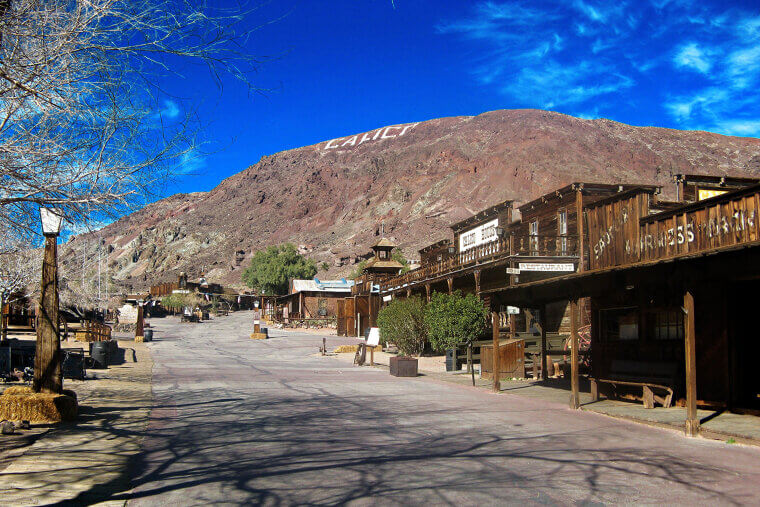
Spittoons were mandated inside every commercial establishment, and anyone caught expectorating on the wooden planks faced a swift fine. This beautification effort allegedly transformed the downtown areas, making them much more welcoming for families and encouraging a higher standard of public etiquette among the rugged residents.
Illegal to Walk Backwards After Sunset
Nighttime visibility was incredibly poor before the invention of electric street lamps, making nighttime navigation a dangerous endeavor. Some superstitious citizens reportedly believed that walking backwards in the dark was a method used by witches or outlaws trying to confuse trackers by leaving misleading footprints. The town watch allegedly grew tired of bumping into individuals who were stumbling blindly down the wooden walkways in reverse. A municipal ordinance was enacted that required all pedestrians to face forward while traveling on public streets after the sun had gone down.

Those caught walking backwards were issued a warning and sternly told to turn around. This quirky rule ultimately prevented numerous collisions and kept the superstitious rumors at bay during the darkest hours of the night.
Dogs Must Be Tied Up When the Mayor Passes
Local politicians often demanded a certain level of respect, and one particularly arrogant mayor allegedly hated the packs of stray dogs that roamed his city. These canines would reportedly bark loudly and chase his carriage every time he traveled from his home to the city hall, disrupting his important thoughts. To ensure his daily commute was peaceful, he pushed through a highly specific law requiring all dog owners to physically restrain their pets whenever his official carriage was in sight.
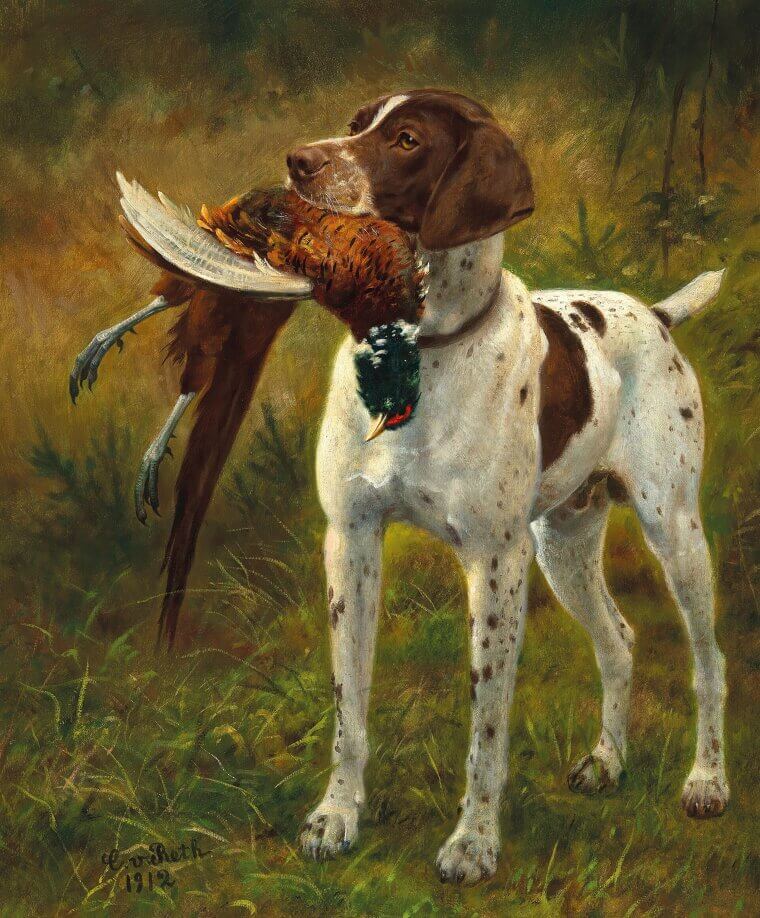
Citizens grumbled about the ridiculous mandate but complied to avoid having their beloved companions impounded by the eager sheriff. The law required constant vigilance from pet owners who had to keep a sharp eye out for the mayor's distinctive black buggy rolling down the avenue.
No Tripping Horses for Entertainment
Rodeo events and trick riding were popular forms of frontier entertainment, but some of the stunts were incredibly cruel to the animals involved. One particularly brutal event allegedly involved using ropes to intentionally trip galloping horses, sending both the animal and the rider crashing into the dirt for the crowd's amusement. Animal welfare advocates reportedly lobbied local governments, arguing that this practice caused severe, permanent injuries to expensive and essential livestock. Recognizing the economic and moral cost of such displays, lawmakers officially banned the intentional tripping of horses in any public exhibition.
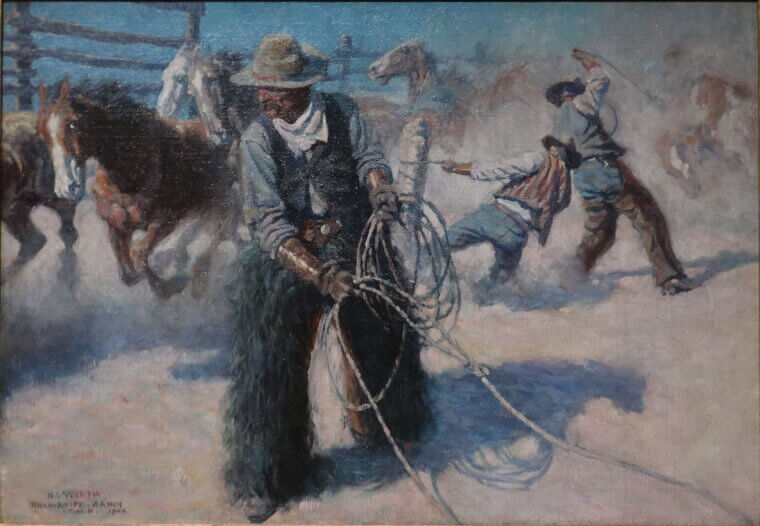
Event organizers were forced to develop new, safer tricks to entertain their audiences without needlessly harming the animals. This progressive legislation helped establish early standards for humane treatment in western agricultural communities.
Banning the Hanging of Men's and Women's Laundry on the Same Line
Victorian modesty extended even to the chore of washing clothes in some of the more conservative western outposts. Local busybodies reportedly felt that allowing male undergarments to touch female clothing on a shared clothesline was highly inappropriate and scandalous. They allegedly argued that it set a poor moral example for the younger generation walking past the yards on their way to school. To appease the outraged citizens, a minor municipal code was established mandating separate drying lines for men's and women's apparel.

Families had to string up two distinct ropes in their backyards to keep the wet fabrics completely isolated from one another. While incredibly difficult to enforce, the law stood as a testament to the extreme social anxieties of the era.
Prohibition of Wearing Fake Mustaches in Church
Laughter in a solemn religious setting was highly frowned upon, and one strange prank reportedly pushed a local congregation to its breaking point. Mischievous teenagers allegedly started wearing outrageous, oversized fake mustaches made of horsehair to Sunday services, causing the younger children to burst into giggles during the sermon. The frustrated pastor reportedly demanded that the town council take action to restore dignity to his weekly worship sessions. A specific ordinance was quickly drafted making it a punishable offense to wear any artificial facial hair inside a place of worship.
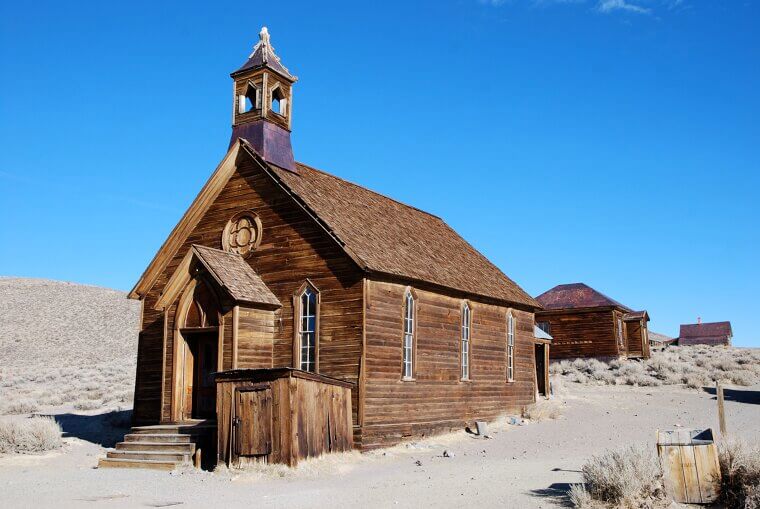
Anyone caught sporting a glued-on beard or mustache was immediately escorted out of the building and fined. The humorous disruption was successfully halted, allowing the faithful to listen to their sermons without staring at ridiculous costume props.
Illegal to Milk Another Person's Cow
Livestock theft was always a serious crime, but some sneaky individuals allegedly found a loophole by stealing the product instead of the animal itself. Rather than risking a hanging for rustling a cow, thieves would reportedly sneak into a neighbor's pasture at dawn and milk their prized bovines dry. By the time the rightful owner arrived with their bucket, the valuable milk had already been stolen and sold at the local market. Town officials quickly closed this legal loophole by passing a law that explicitly criminalized the unauthorized milking of any livestock not belonging to you.
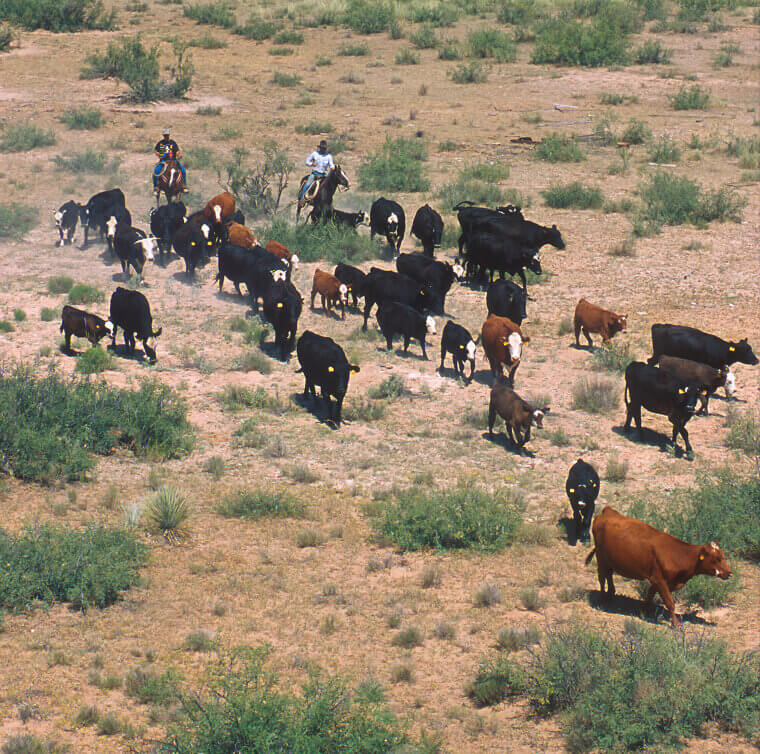
This specific legislation ensured that agricultural theft was punished severely, regardless of whether the whole animal or just its daily produce was taken. Farmers rested easier knowing their dairy profits were legally protected.
No Singing Off-Key in Public
Saloons and public squares were often filled with music, but not all of the performers possessed actual musical talent. A particularly terrible amateur singer reportedly stood outside the local bank every afternoon, loudly belting out off-key ballads that drove the tellers and customers completely insane. When polite requests to stop were ignored, the town council allegedly took matters into their own hands to restore auditory peace. They passed a humorous but strictly enforced noise ordinance that banned any public singing that lacked proper melody or tone.
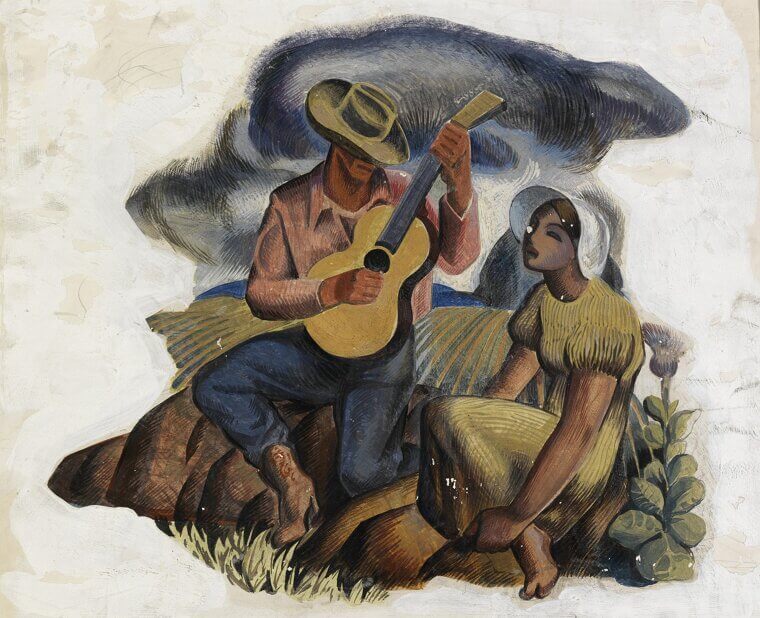
The sheriff was given the subjective authority to determine if a performance was musically acceptable or legally offensive. This subjective law successfully cleared the streets of untalented buskers, leaving the musical entertainment to the professionals hired by the saloon owners.
Banning the Painting of Sparrows to Sell as Canaries
Fraudulent merchants were always looking for creative ways to separate pioneers from their hard-earned cash. One particularly devious scam allegedly involved catching common brown sparrows, dipping them in bright yellow paint, and selling them to unsuspecting miners as expensive, exotic canaries. The paint would reportedly wear off after a few days, leaving the angry buyer with a plain bird that refused to sing a beautiful melody. When the local judge learned of this colorful con, he immediately drafted a law explicitly banning the artificial dyeing of any fowl for the purpose of deceitful commerce.
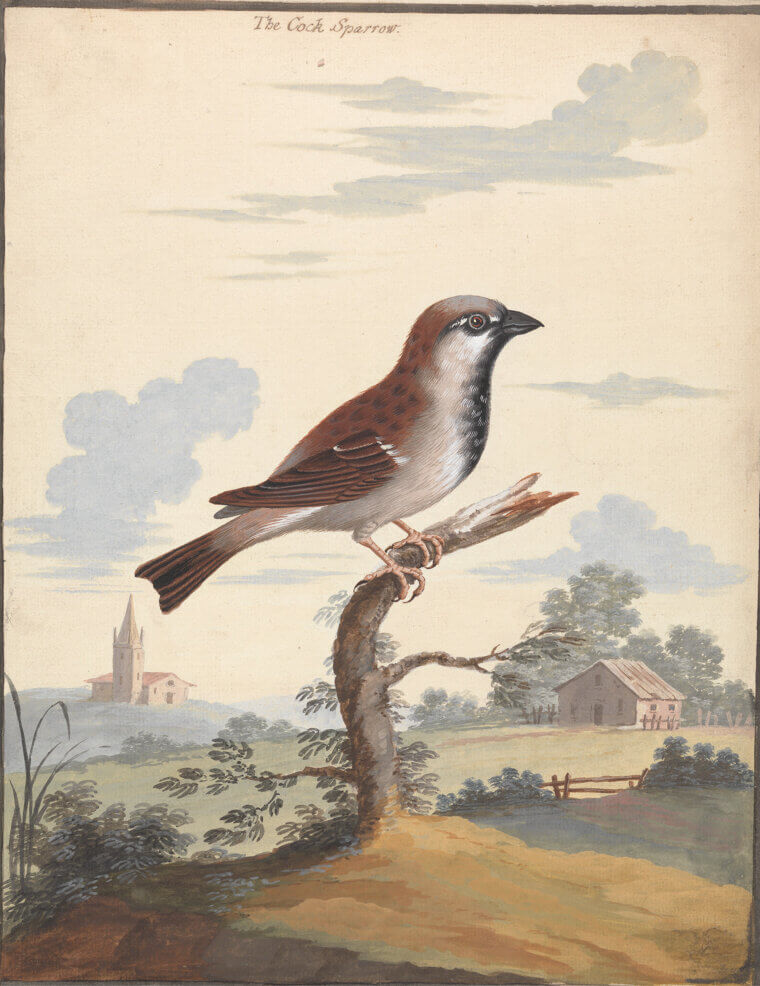
The specific wording of the law ensured that the scam artists could be prosecuted for fraud rather than a simple misunderstanding. It protected consumers from being duped by feathered counterfeits.
Illegal to Shave on Sundays
Blue laws designed to enforce religious observance were incredibly strict, governing nearly every aspect of weekend behavior in some pioneering communities. A few towns reportedly took the concept of resting on the Sabbath so seriously that they outlawed basic grooming activities, including shaving one's face. Barbershops were allegedly forced to lock their doors, and men were warned that picking up a razor at home could result in a visit from the sheriff. The justification was that shaving was considered a form of unnecessary labor that distracted from spiritual reflection and church attendance.
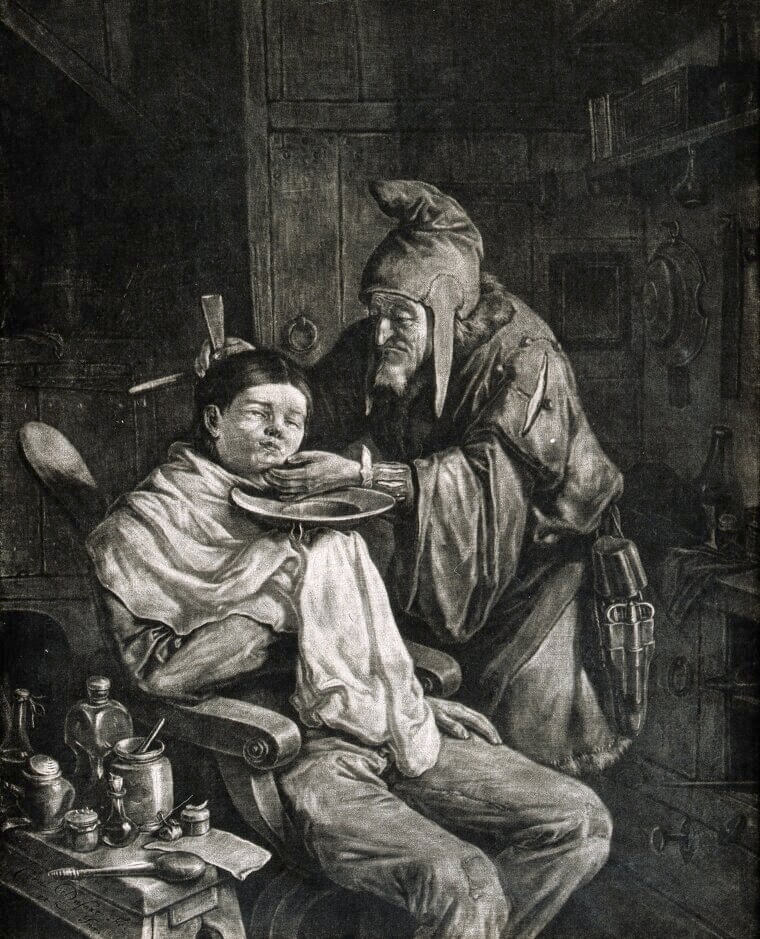
Men simply had to endure a day of rough stubble until Monday morning rolled around. This obscure law highlights the extreme lengths some governments went to in order to control the daily habits of their citizens.
Prohibition of Dancing on Main Street
Public celebrations were common, but impromptu street dances often escalated into massive, unruly parties that blocked all commercial traffic. After a particularly wild harvest festival reportedly shut down Main Street for three consecutive days, frustrated merchants demanded a return to order. They allegedly complained that supply wagons could not reach their loading docks because hundreds of revelers were waltzing in the mud. The local government responded by banning all forms of rhythmic dancing on major public thoroughfares during normal business hours.
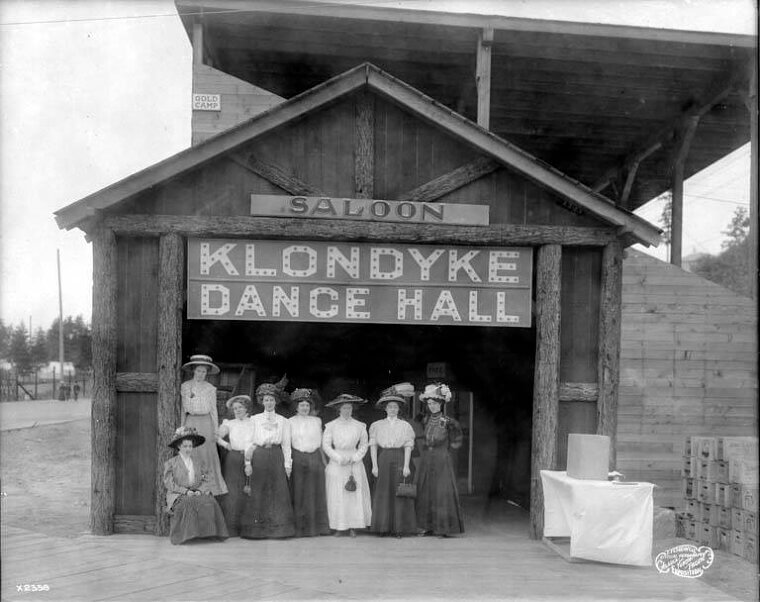
Citizens who wanted to kick up their heels were required to rent a private hall or move their festivities to the grassy parks on the edge of town. This ensured that commerce and transportation were never again brought to a standstill by an enthusiastic fiddler.
Bathing Only Once a Week
Water conservation was a massive issue in arid western regions where rainfall was scarce and wells frequently ran dry during the summer. To prevent wealthy residents from using up the town's entire water supply for personal luxury, strict rationing laws were reportedly put into effect. Citizens were allegedly restricted to a single full-body bath per week, usually scheduled for Saturday evening in preparation for Sunday services. Anyone caught filling a tub more frequently could be heavily fined for wasting a precious municipal resource.

Families often shared the same bathwater, starting with the oldest members and ending with the youngest children. This necessary frugality highlighted the harsh realities of desert living, where clean drinking water was always prioritized over personal hygiene and cosmetic cleanliness.
Illegal to Sleep in a Cheese Factory
Industrial production facilities in the late nineteenth century were often dangerous places filled with heavy machinery and minimal safety regulations. Workers in a local dairy plant reportedly started sleeping on the floor near the warm vats of curds to save money on boarding house rent. Health inspectors allegedly discovered this practice and were horrified by the unsanitary conditions of having unwashed laborers resting next to the town's food supply. They swiftly enacted a strict health code violation that prohibited any human being from using a cheese factory as a temporary residence.

Factory owners were forced to lock their doors at night to prevent employees from sneaking back in with their blankets. The law successfully separated residential living from commercial food production, improving public health standards immensely.
Camels Are Not Allowed on the Highway
In a bizarre historical experiment, the military supposedly imported a herd of camels to transport supplies across the arid southwestern deserts. While the humped creatures were excellent at surviving without water, they allegedly terrified local horses and mules that had never seen such strange animals before. Whenever a camel train approached a public road, the native livestock would reportedly panic, throwing their riders and causing severe traffic accidents. To prevent further chaos on the established trade routes, regional authorities passed laws restricting camels to designated back-country trails.
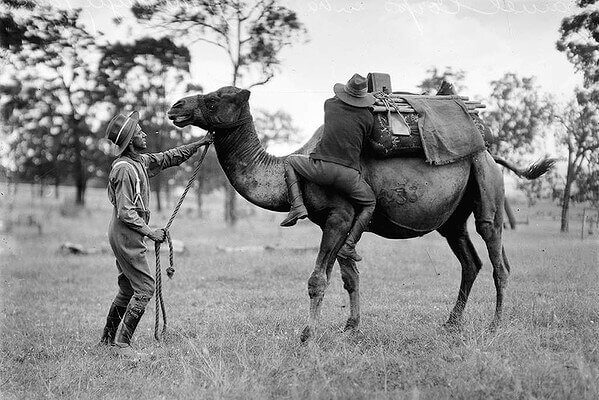
They were strictly forbidden from walking on the main stagecoach highways during daylight hours. The camel experiment was eventually abandoned, but the specific laws governing their travel remained on the books long after the animals were relocated.
Banning the Transport of Ice Across State Lines
Before modern refrigeration, massive blocks of ice were harvested from frozen lakes and transported by rail to warmer regions during the summer. A strange economic dispute reportedly arose when a local ice monopoly tried to prevent cheaper, out-of-state ice from flooding their lucrative market. The corrupt town leaders allegedly passed a bizarre protectionist law that strictly forbade the importation of frozen water across the county lines without paying an exorbitant tariff. They argued that foreign ice might contain unknown diseases, though it was clearly a transparent excuse to maintain high prices for the local suppliers.
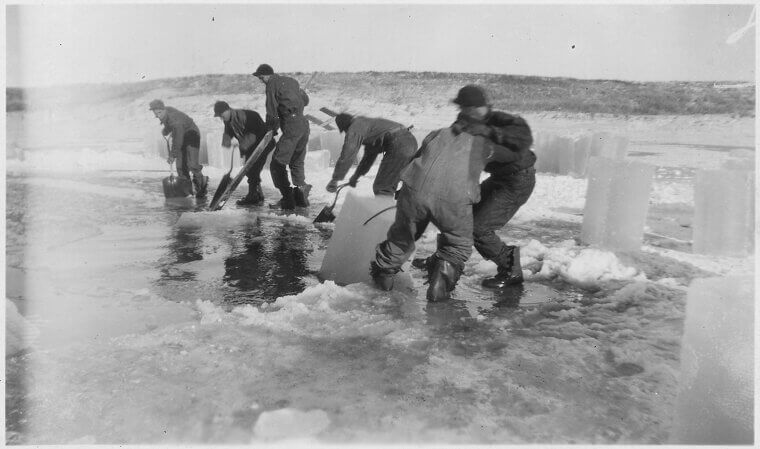
Federal regulators eventually struck down the ridiculous mandate, but for a short time, smuggling cold blocks of ice was considered a serious criminal offense in that specific territory.
Prohibition of Catching Fish with Bare Hands
Fishing was a vital source of food, but local authorities wanted to ensure that the rivers were not completely depleted by aggressive harvesting methods. Some rugged frontiersmen allegedly bragged about their ability to wade into the shallows and wrestle massive trout out of the water using nothing but their bare hands. Officials reportedly feared this aggressive method disrupted the natural spawning beds and muddied the waters, ruining the habitat for future seasons. To regulate the local food supply, they mandated that fishing could only be done with a standard hook and line or an approved net.

Catching fish by hand, known as noodling, was officially outlawed and carried a substantial fine for violators. This conservation effort helped preserve the local aquatic ecosystem for generations of traditional anglers.
Prohibition of Playing Cards on Sundays
Religious leaders held significant influence over early western settlements, striving to maintain moral order in otherwise lawless territories. Card playing was strongly associated with gambling, heavy drinking, and frequent fistfights in local saloons. To ensure the Sabbath remained a day of rest and quiet reflection, town councils reportedly outlawed the use of playing cards from Saturday midnight until Monday morning. Saloon owners allegedly had to lock away their decks or face the threat of having their lucrative business licenses permanently revoked.
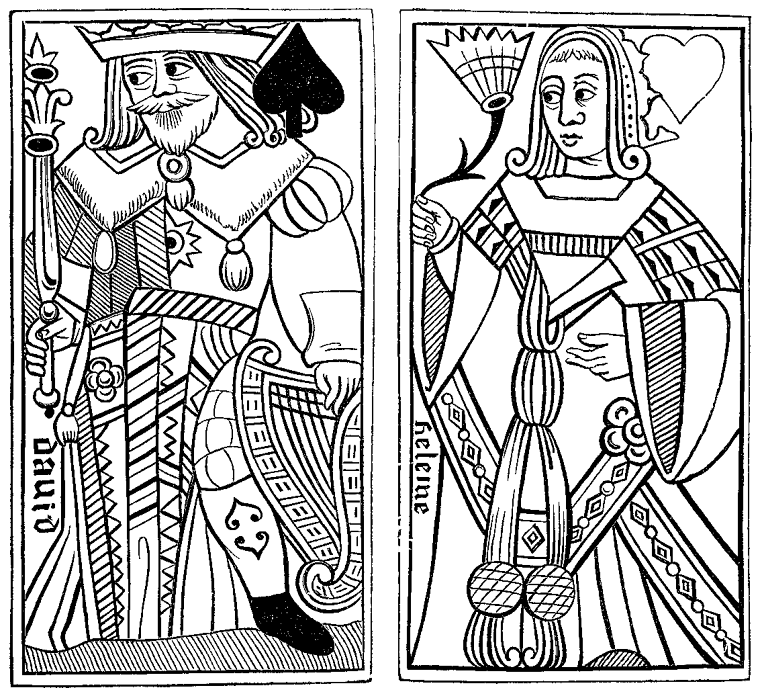
Those who wished to gamble had to take their games miles out into the wilderness, away from the watchful eyes of the local sheriff. This moral legislation succeeded in quieting down the rowdiest establishments for at least one day out of the week.
No Carrying Concealed Weapons Without a Badge
The image of the wild west often includes outlaws with hidden revolvers, but many established towns actually hated the idea of secret firearms. Mayors reportedly believed that honest folks wore their holsters out in the open for everyone to see. Anyone attempting to hide a derringer in a boot or under a coat was allegedly planning to stir up trouble or ambush an unsuspecting victim. To crack down on saloon violence, councils passed laws requiring all weapons to be clearly visible unless the person carrying them was a deputized lawman.

This transparency supposedly helped bartenders and shopkeepers know exactly who they were dealing with when strangers walked through their doors. If a visitor wanted to keep their gun out of sight, they were required to turn it over to the sheriff until they left town.
Bears Are Banned from Main Street
Traveling circuses and eccentric mountain men occasionally brought tamed wild animals into populated areas to earn a few quick coins. A massive grizzly bear parading down a crowded wooden sidewalk reportedly caused mass panic among the local livestock and terrified pedestrians. Horses allegedly broke free from their hitching posts, dragging wagons through the mud while trying to escape the apex predator. Following one particularly chaotic afternoon, lawmakers swiftly drafted legislation that explicitly banned bears, cougars, and other dangerous wildlife from the commercial district.
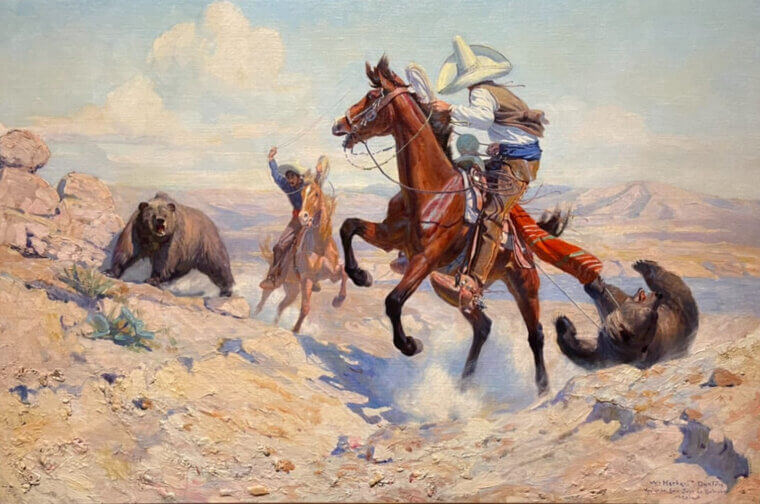
Entertainers were required to keep their animal companions securely caged in designated fields well outside of town. The unusual animal control law ensured that citizens could shop for their daily groceries without unexpectedly encountering a massive, roaring beast outside the local mercantile.
No Selling Snake Oil Without a License
Traveling salesmen frequently passed through isolated communities, peddling mysterious tonics that promised to cure everything from balding to severe arthritis. Many of these colorful merchants allegedly sold nothing more than flavored water mixed with cheap alcohol, swindling hard-working pioneers out of their meager savings. After several citizens reportedly fell ill from consuming a particularly toxic batch of fake medicine, the local government decided to intervene. They passed an ordinance requiring all traveling doctors and tonic salesmen to purchase an expensive vendor license before conducting any business.
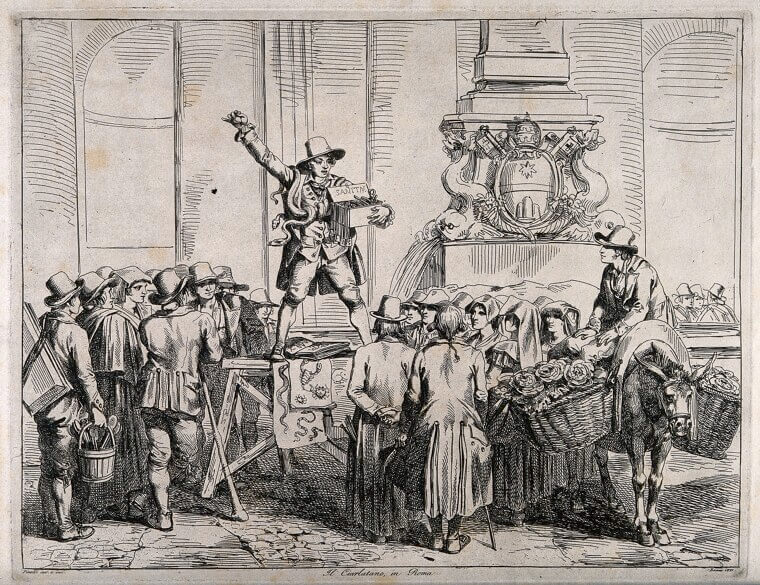
The application process involved demonstrating the safety of their products to the town physician. This regulatory hurdle successfully drove away most of the fraudulent con artists, protecting the vulnerable populace from ingesting dangerous and untested chemical mixtures.
Must Wear a Bell When Walking at Night
In towns lacking a dedicated police force, nighttime security relied heavily on citizens knowing exactly who was wandering around after dark. To deter burglars and prowlers, one paranoid settlement reportedly passed a law requiring anyone walking outside after midnight to wear a small bell tied to their clothing. The jingling sound allegedly alerted homeowners and the night watchman to a person's approach, making it impossible to sneak up on a property undetected. Anyone caught walking silently through the shadows was immediately treated as a suspected criminal and detained until sunrise.
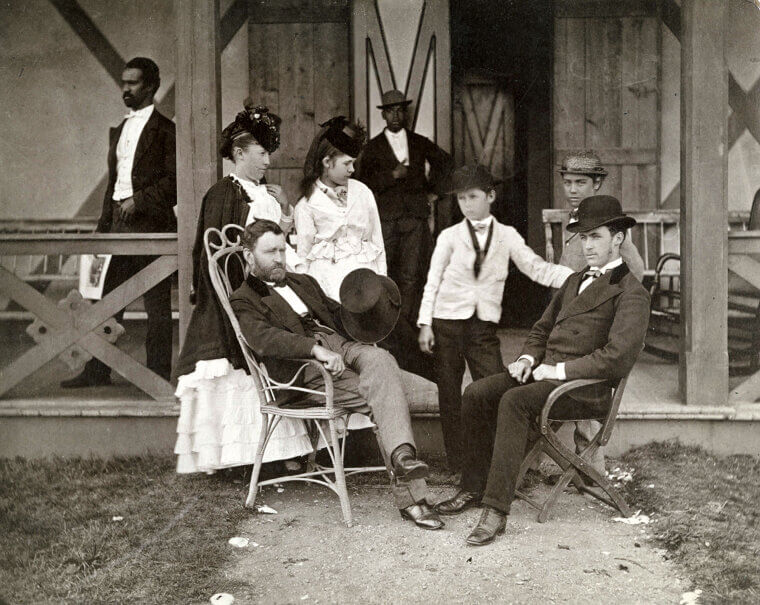
This noisy requirement made late-night strolls incredibly annoying but effectively stopped a rash of quiet burglaries that had been plaguing the merchant district. Honest citizens accepted the jingling as a small price to pay for neighborhood security.
No Riding a Wooden Cart Without a Bell
Before bicycles became popular, children and delivery boys often used small, homemade wooden carts to navigate the steep hills of western mining towns. These heavy carts reportedly reached dangerous speeds as they barreled down the dirt roads, posing a severe threat to pedestrians who couldn't hear them coming. Following several nasty collisions that resulted in broken bones, the mayor allegedly mandated that every wheeled conveyance must be equipped with a loud warning device. Anyone riding a wooden cart was required to ring a bell continuously to alert horses and walkers of their rapid approach.
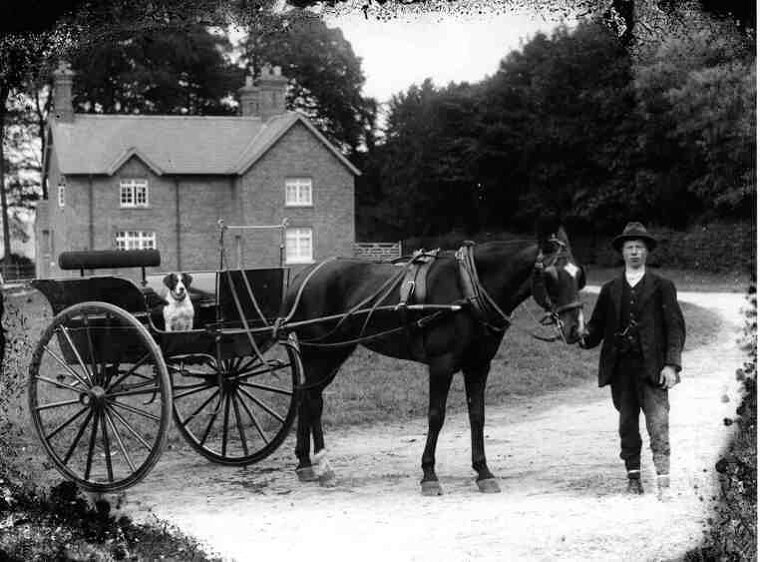
This simple safety regulation drastically reduced the number of accidents on the steep inclines. It taught the local youth the importance of yielding the right of way to slower foot traffic.
Illegal to Leave a Hitching Post Empty
Urban planning in early western towns was chaotic, and prime parking spaces for horses were highly sought after during busy market days. Some clever shopkeepers reportedly installed private hitching posts in front of their stores, but heavily guarded them to ensure only paying customers used them. This allegedly created a massive bottleneck in the street as riders wandered aimlessly looking for a place to tie their tired mounts. To alleviate the traffic jam, the town council declared that all wooden hitching rails facing a public road were strictly public property.
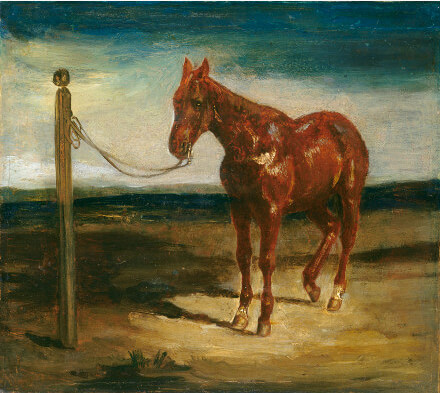
It became illegal for a store owner to leave their post empty if a rider needed a spot, regardless of whether they entered the store. This forced sharing arrangement kept the streets clear of wandering livestock.
No Drinking Water From the Saloon Trough
Water troughs placed outside saloons were intended strictly for the hydration of horses and mules after a long journey. However, heavily intoxicated patrons reportedly had a terrible habit of stumbling outside and attempting to drink from the stagnant, dirty basins instead of ordering a glass of clean water inside. This unsanitary behavior allegedly led to a severe outbreak of illness among the local drinking population, alarming the town physician. A public health ordinance was swiftly passed making it a punishable offense for any human to consume liquid directly from an animal's trough.
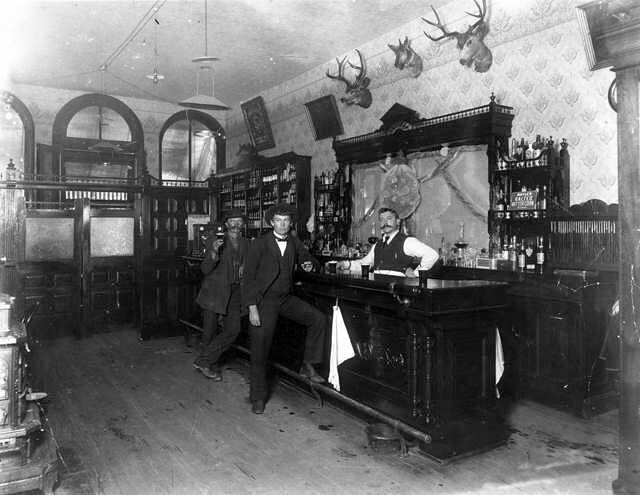
Bartenders were tasked with monitoring the street outside their doors to stop thirsty drunks from making a terrible mistake. The rule protected the community from completely avoidable, waterborne diseases.
No Throwing Garbage from a Moving Wagon
Waste disposal was a major problem, and many lazy residents reportedly found it easier to just toss their household trash out the back of their wagons while driving out of town. This awful habit allegedly turned the scenic stagecoach routes into disgusting, trash-filled corridors that smelled terrible in the summer heat. Travelers complained that the sheer volume of debris was spooking their horses and ruining the wheels of their expensive carriages. Lawmakers enacted a strict anti-littering campaign, making it highly illegal to dispose of any refuse from a moving vehicle.
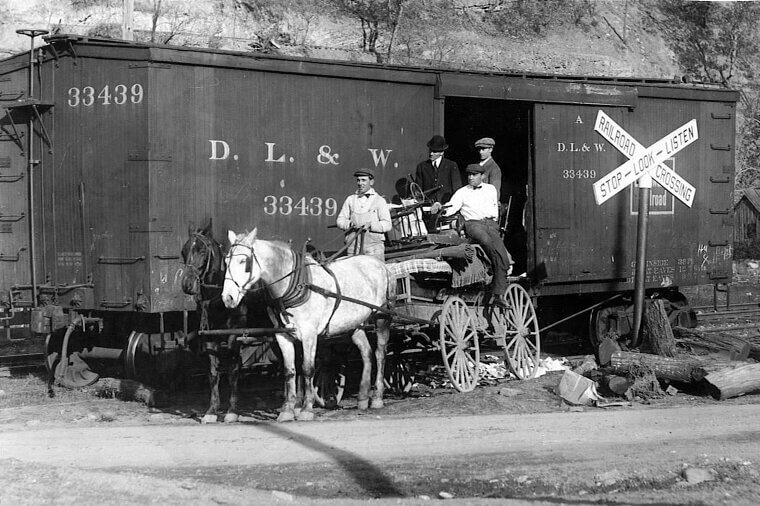
Citizens were directed to use designated dumping pits located safely away from the main traveling routes. The hefty fines associated with the new rule finally convinced people to dispose of their garbage responsibly.