
Ready to take a road trip through music history? From dusty highways to vibrant neon signs, these real-life destinations inspired the greatest hits we all know and love. Grab your keys, turn up the radio, and let’s explore these legendary landmarks!
Tallahatchie Bridge, Money, Mississippi - Ode to Billie Joe by Bobbie Gentry
This small wooden structure spanning the river became a cultural icon in 1967. The haunting track tells a fictionalized story, but the bridge itself was a real piece of local infrastructure. Built in the late 1920s, it reportedly served the rural farming community for decades before collapsing in 1972. Fans of the hit allegedly visited the site for years, taking splinters of wood as souvenirs. Bobbie Gentry grew up in nearby Chickasaw County and used regional geography to paint a vivid picture of southern life.
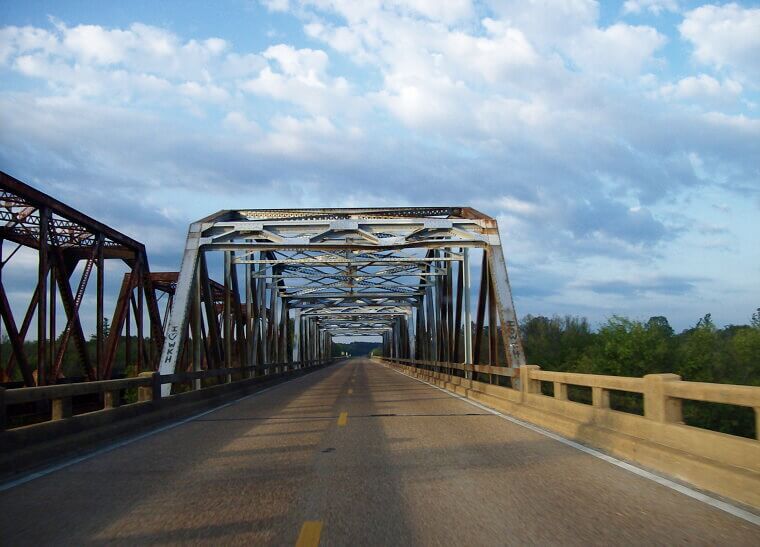
The crossing measured roughly 85 feet across and sat 20 feet above muddy water. Today, a historical marker stands near the site to commemorate the musical legacy. Visitors often stop to photograph the sign and observe the slow-moving current below. The original wooden framework was never rebuilt after its destruction.
Luckenbach Post Office, Luckenbach, Texas - Luckenbach, Texas by Waylon Jennings
Established in 1850, this tiny outpost gained massive fame after the release of the 1977 hit single. The building doubled as a general store and a gathering place for locals. Waylon Jennings reportedly recorded the track without ever visiting the town beforehand. Fans allegedly stole the town signs so often that local officials temporarily stopped replacing them. The rustic wooden building features an old cash register and shelves lined with regional goods.
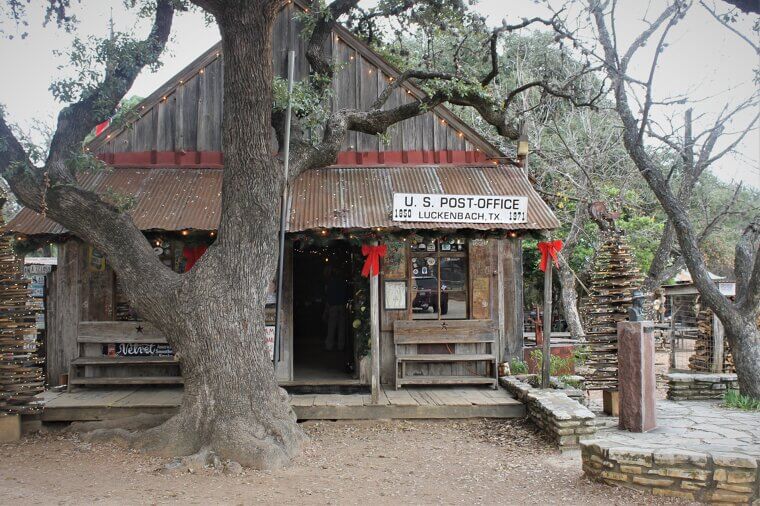
A large oak tree outside provides shade for musicians who gather to play acoustic guitars. The population famously hovers around 3 residents, adding to the mystique of the destination. Patrons can still purchase a cold beverage and listen to live music on weekends. The site remains a staple of Texas hill country tourism.
Folsom State Prison, Folsom, California - Folsom Prison Blues by Johnny Cash
Opened in 1880, this facility is California's 2nd oldest penal institution. Johnny Cash performed a legendary live album here in 1968, cementing the location in music history. The artist reportedly empathized heavily with the inmates, which translated into his passionate performance. Guards allegedly warned the singer about the risks, but the event proceeded without incident. The imposing granite walls and guard towers look exactly as they did decades ago. The venue holds maximum-security inmates and remains fully operational today.
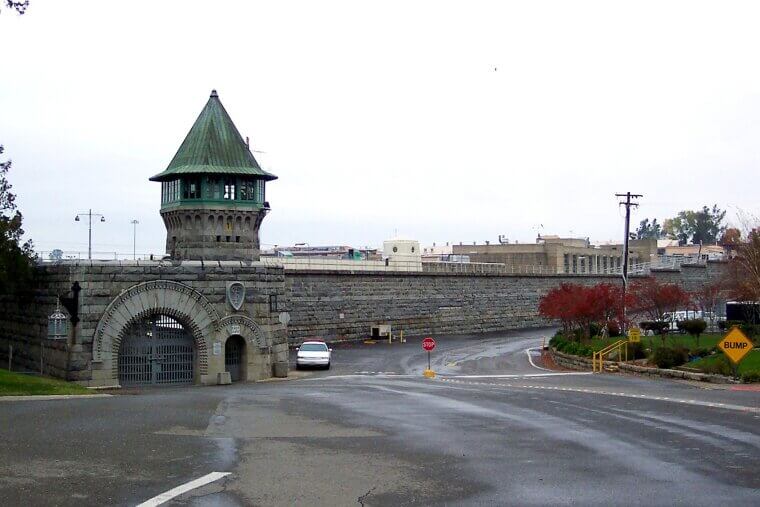
A small museum near the entrance allows guests to learn about the storied past of the complex. The song itself was penned in 1953 after Cash watched a documentary about the facility. His rugged baritone voice captured the bleak reality of incarceration for millions of listeners.
Chattahoochee River, Georgia - Chattahoochee by Alan Jackson
Flowing 430 miles through the southeastern United States, this waterway serves as the border between Georgia and Alabama. The 1992 hit single transformed the river into a symbol of youthful freedom and summer fun. Locals reportedly spent their teenage years skiing and swimming in these muddy waters. The music video allegedly inspired a surge in boat sales across the region during the 1990s. The river originates in the Blue Ridge Mountains and empties into the Gulf of Mexico.
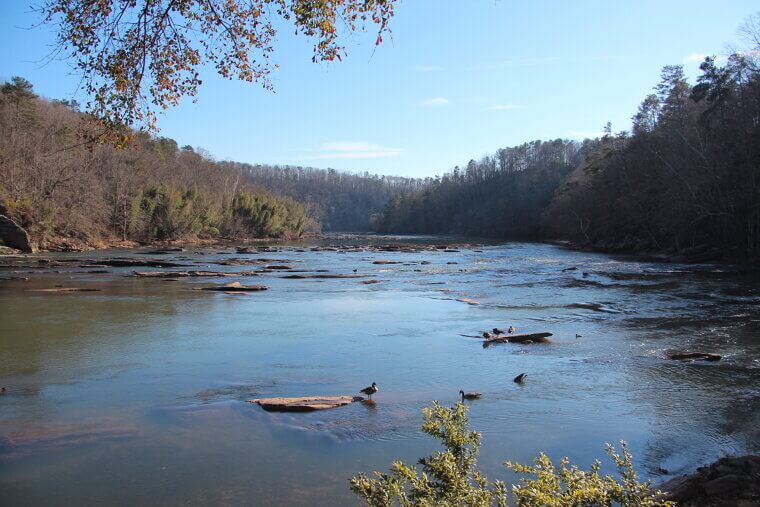
Recreation areas along the banks feature picnic tables, boat ramps, and hiking trails. The artist used his own memories of growing up near the water to craft the relatable lyrics. Water levels fluctuate depending on rainfall, creating changing conditions for anglers. The surrounding ecosystem supports numerous species of native fish and birds.
Flora-Bama Lounge, Perdido Key, Florida - Flora-Bama by Kenny Chesney
Situated directly on the state line, this iconic beach bar opened its doors in 1962. The 2014 track immortalized the waterfront venue for a new generation of fans. Patrons allegedly throw their undergarments on the ceiling, creating a bizarre but beloved tradition. The establishment reportedly started as a small package store before expanding into a massive multi-level complex. The structure features several stages where bands perform simultaneously throughout the day.
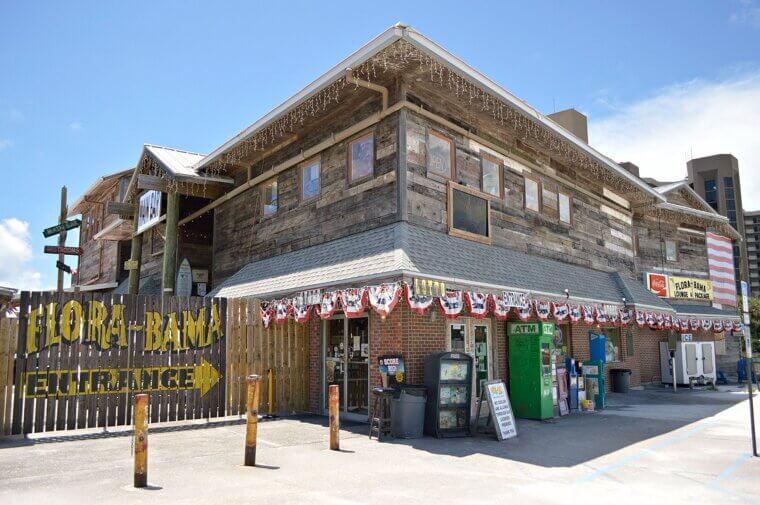
Hurricanes have damaged the building multiple times, but owners always rebuild the beloved landmark. The annual mullet toss event draws thousands of spectators who watch people throw frozen fish across the border. Guests enjoy frozen drinks while sitting on the white sand behind the main deck. The casual atmosphere perfectly matches the breezy beach lifestyle celebrated in the lyrics.
Gruene Hall, New Braunfels, Texas - Take Me Out to a Dancehall by Pat Green
Built in 1878, this structure holds the title of the oldest continually operating dance hall in Texas. The 2001 track perfectly captures the energetic atmosphere of the historic wooden venue. Local farmers reportedly used the space to socialize and conduct business during the 19th century. The original tin roof allegedly amplifies the sound of the fiddles and steel guitars. Large side flaps open up to allow a breeze to cool down the sweaty crowd.
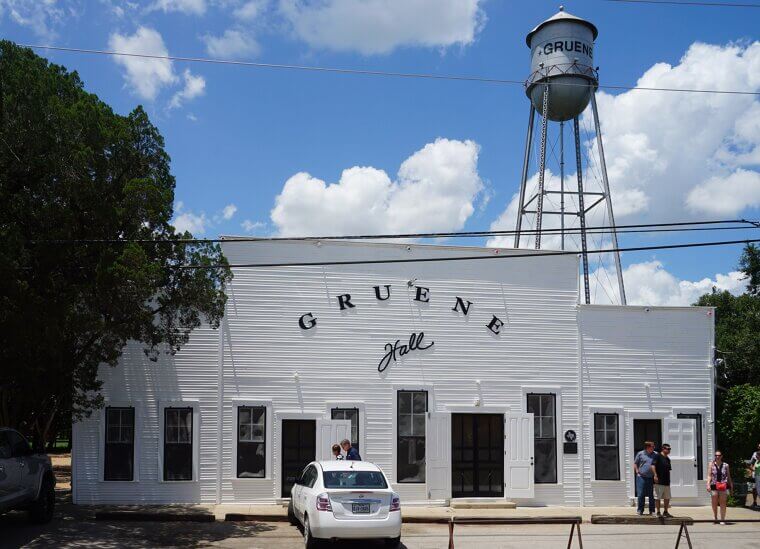
A vintage neon sign hangs above the stage, illuminating the weathered wooden floorboards. The artist frequently played here during his early career before packing stadiums. Cold beer flows from the antique taps while couples two-step across the room. The surrounding historic district features quaint shops and restaurants housed in restored 19th-century buildings.
Saginaw County, Saginaw, Michigan - Saginaw, Michigan by Lefty Frizzell
Located in the central portion of the state, this area became famous via the 1964 chart-topping track. The lyrics tell a tale of a poor fisherman trying to win over a wealthy man's daughter. Songwriters Bill Anderson and Don Wayne reportedly chose the city simply because they liked the name. Residents allegedly embraced the tune, playing it constantly on local radio stations. The region features dense forests and numerous waterways that flow into Lake Huron.
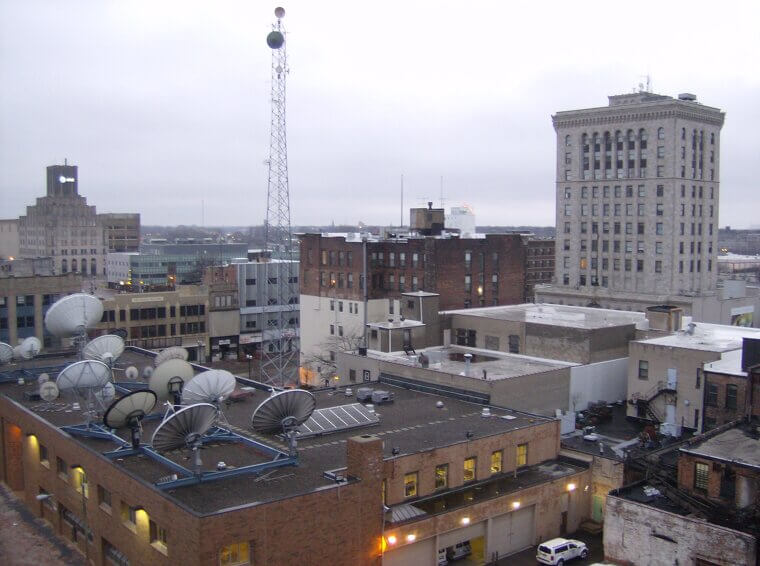
Logging dominated the local economy during the late 1800s, shaping the industrial landscape. The artist recorded the vocals with a distinct emotional depth that resonated with working-class listeners. The river spanning the county provides excellent fishing opportunities for walleye and bass. A local museum highlights the rich industrial and musical heritage of the community.
Lake Pontchartrain, Louisiana - Callin' Baton Rouge by Garth Brooks
Spanning 630 square miles, this massive estuary borders the northern edge of New Orleans. The energetic 1993 cover track mentions the body of water during a fast-paced romantic narrative. Engineers reportedly constructed the longest continuous bridge over water here in 1956. The murky depths allegedly hold sunken steamboats from the 1800s. Cypress trees line the swampy edges, draped heavily with Spanish moss. The singer delivered a high-octane vocal performance that made the regional geography internationally famous.
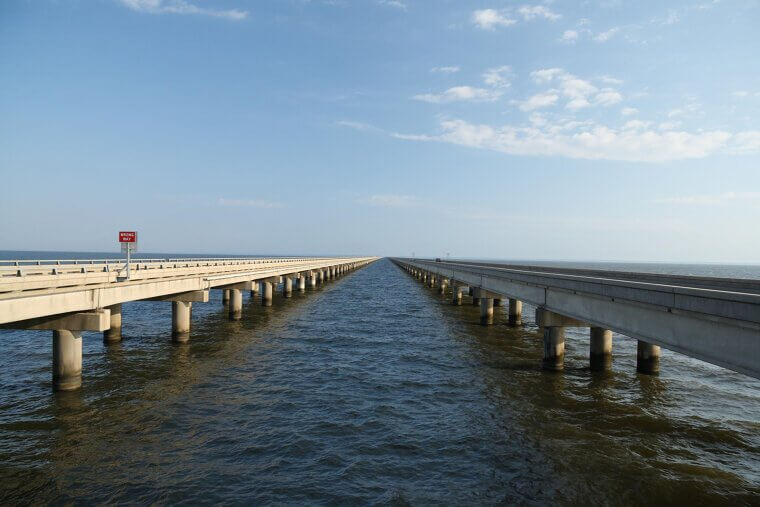
Anglers frequent the brackish waters to catch speckled trout and redfish. The causeway stretches 24 miles, providing drivers with a surreal journey across the seemingly endless surface. Sunset views over the western shore offer a striking backdrop for evening boaters.
Route 66, Winslow, Arizona - Take It Easy by Eagles
Situated along a historic highway, this desert town gained global recognition from the 1972 hit. A flatbed Ford truck is permanently parked downtown to recreate the famous lyric. Jackson Browne reportedly wrote most of the track before Glenn Frey added the iconic geographic reference. Town officials allegedly noticed a massive spike in tourism shortly after the record hit the airwaves. A bronze statue of a man holding an acoustic guitar stands on the prominent corner.
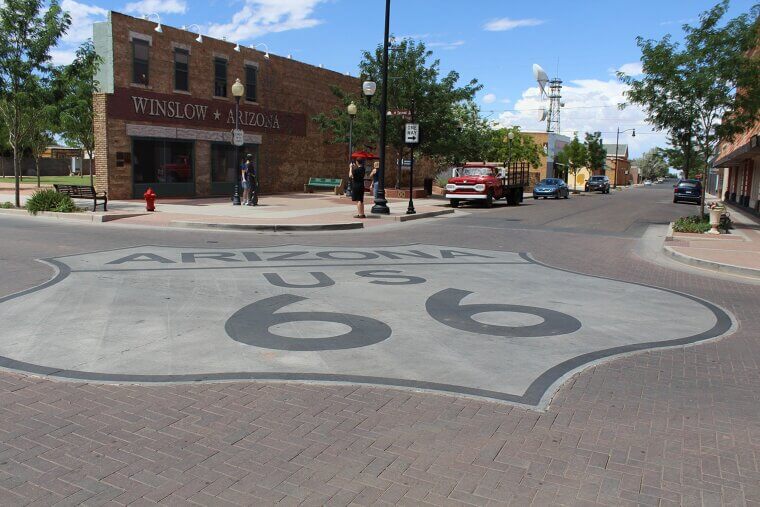
The surrounding desert landscape features striking red rock formations and sparse vegetation. The band blended acoustic instruments with rock elements to create a fresh California country sound. Shops along the main street sell vintage highway memorabilia and locally crafted jewelry. The annual music festival draws thousands of attendees who celebrate the enduring legacy of the era.
Nutbush City Limits Sign, Nutbush, Tennessee - Nutbush City Limits by Tina Turner
Located in Haywood County, this rural community sits roughly 50 miles northeast of Memphis. The 1973 autobiographical track highlights the strict rules and quiet life of the farming town. The local highway allegedly features multiple signs that constantly get stolen by enthusiastic fans. Tina Turner reportedly drew from her childhood memories of picking cotton in the nearby fields. The unincorporated area consists mostly of agricultural land and a few scattered buildings.
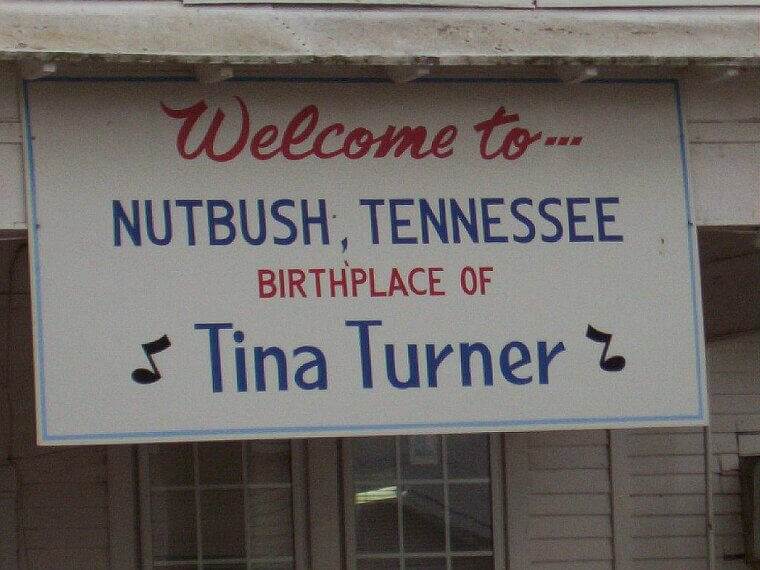
A stretch of State Route 19 was officially renamed to honor the legendary performer in 2001. The driving beat of the music mirrors the relentless pace of rural labor. An old general store once served as the central hub for the small population. Visitors can explore a nearby museum dedicated to the pioneering artist.
Cumberland River, Nashville, Tennessee - Cumberland River by Dailey & Vincent
Snaking 688 miles through southern states, this waterway cuts directly through Music City. The bluegrass track celebrates the scenic beauty and historical significance of the flowing currents. Early settlers reportedly relied on the deep channels to transport goods via flatboats. Flooding allegedly caused massive damage to the downtown area in 2010 before water management improved. The riverbanks feature expansive greenways for walking and cycling. The duo utilized intricate vocal harmonies to convey a deep respect for the natural landmark.
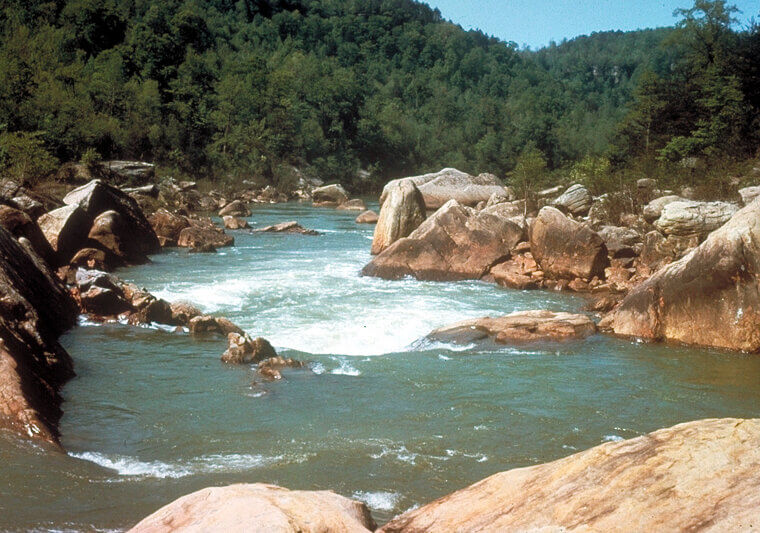
Massive barges still navigate the winding bends, carrying coal and agricultural products. A prominent pedestrian bridge spans the water, offering excellent views of the city skyline. The nearby shipping docks hint at the industrial past of the bustling urban center.
The Alamo, San Antonio, Texas - Remember the Alamo by George Strait
This 18th-century Spanish mission stands in the center of a modern bustling metropolis. The artist released the patriotic tribute in 2000, honoring the historical battle. Defenders reportedly held off the opposing army for 13 days in 1836. Historians allegedly debate the exact details of the final skirmish, adding to the enduring mythos. The limestone facade features intricate carvings that show heavy weathering. The vocalist delivered the lyrics with a solemn tone that matches the gravity of the site.
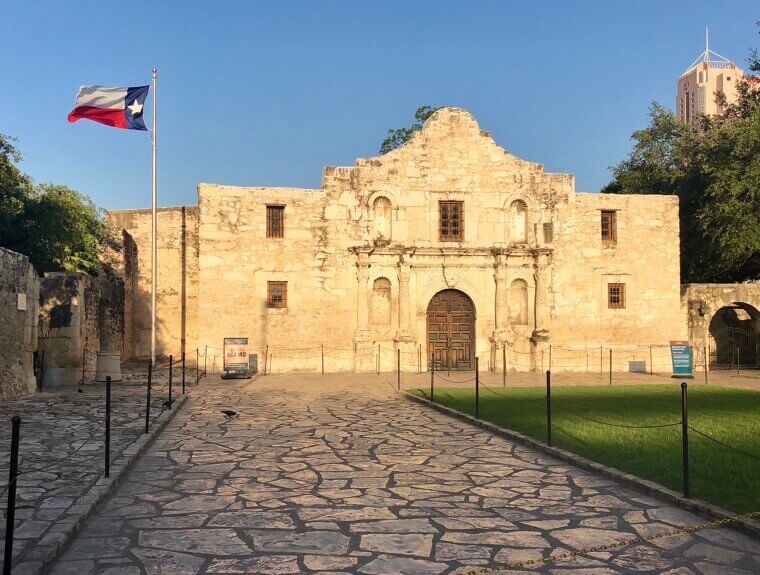
The complex includes a lush courtyard filled with native cacti and massive oak trees. Millions of tourists walk through the heavy wooden doors every year to view the artifacts. The structure remains a powerful symbol of resilience and determination for residents.
Atchafalaya Basin, Louisiana - Amos Moses by Jerry Reed
Encompassing roughly 1.4 million acres, this vast wetland is the largest swamp in the United States. The 1970 funky country hit tells the comedic story of a tough Cajun alligator hunter. The artist reportedly utilized a unique fingerpicking style on a nylon-string guitar to create the groovy swamp rock sound. Locals allegedly navigate the treacherous bayous using small flat-bottomed boats called pirogues. The dense canopy consists of ancient cypress trees heavily laden with Spanish moss.
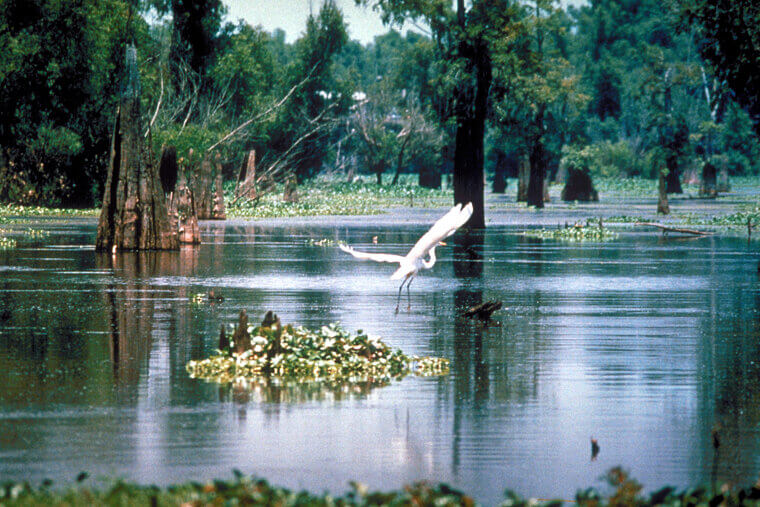
The energetic vocal delivery matches the wild and unpredictable nature of the protagonist. The ecosystem supports massive populations of reptiles, wading birds, and aquatic mammals. Murky waters hide submerged logs and tangled roots, making navigation difficult for outsiders. The track remains a staple of southern rock and outlaw country playlists.
Bakersfield Sign, Bakersfield, California - Streets of Bakersfield by Buck Owens
Arching over a busy roadway, this bright neon landmark welcomes visitors to the central valley city. The 1988 duet highlights the gritty, working-class reality of the agricultural hub. The singer reportedly recorded the track as a pushback against the polished sounds of the mainstream industry. Locals allegedly take immense pride in their distinct regional twang and blue-collar work ethic. The yellow and blue letters illuminate the night sky, casting a warm glow on passing cars.
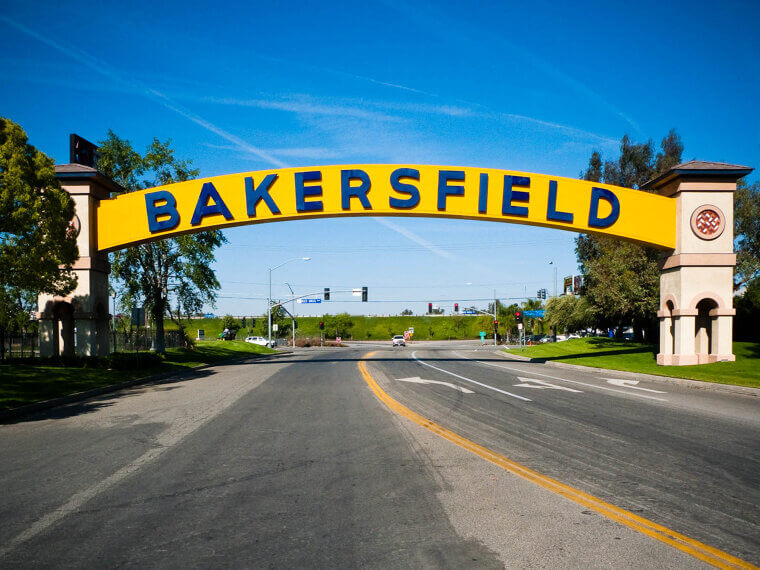
The accordion-driven rhythm adds a unique Hispanic influence to the traditional honky-tonk sound. The surrounding valley produces a massive percentage of the fruits and vegetables consumed nationwide. Summer temperatures regularly exceed 100 degrees, creating harsh conditions for field laborers. The tune revitalized the career of a legendary pioneer.
Ryman Auditorium, Nashville, Tennessee - Sunday Mornin' Comin' Down by Johnny Cash
Originally constructed as a tabernacle in 1892, this brick structure became the mother church of country music. The legendary performer delivered a striking television performance of the 1970 hit on this exact stage. The artist reportedly defied network executives by refusing to alter the controversial lyrics during the broadcast. The audience allegedly sat in stunned silence due to the raw emotional power of the delivery. The interior features curved wooden pews that create spectacular natural acoustics.
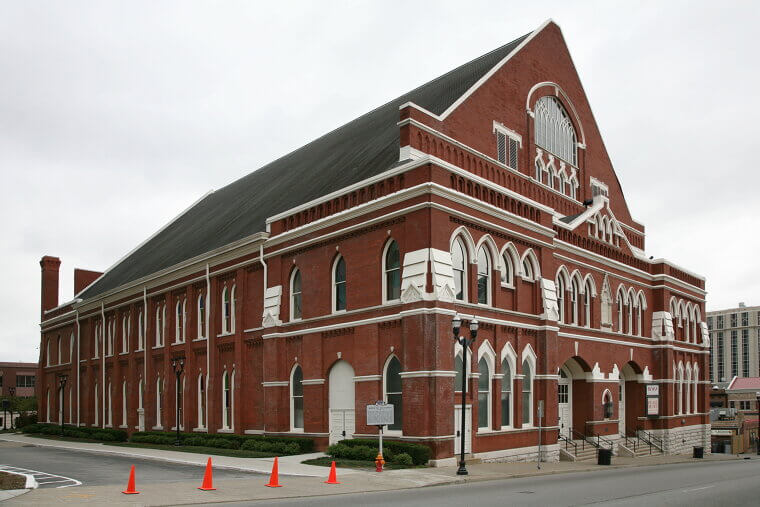
The agonizing vocal performance perfectly captured the painful reality of a devastating hangover. Stained glass windows allow colorful light to spill across the worn wooden floorboards. The venue remains an incredibly prestigious stage for any touring musician. The historic building continues to symbolize the beating heart of the industry.
Tootsie's Orchid Lounge, Nashville, Tennessee - Honky Tonk Blues by Hank Williams
Situated directly behind the legendary auditorium, this small bar features a distinctively bright purple exterior. The classic 1952 track embodies the rowdy lifestyle fueled by venues exactly like this one. Famous songwriters reportedly slipped through the back alley door between performances to grab a quick drink. Tourists allegedly pack the tiny room every night, hoping to spot a modern superstar grabbing a beer. The walls are completely covered with decades of faded photographs and signed memorabilia.
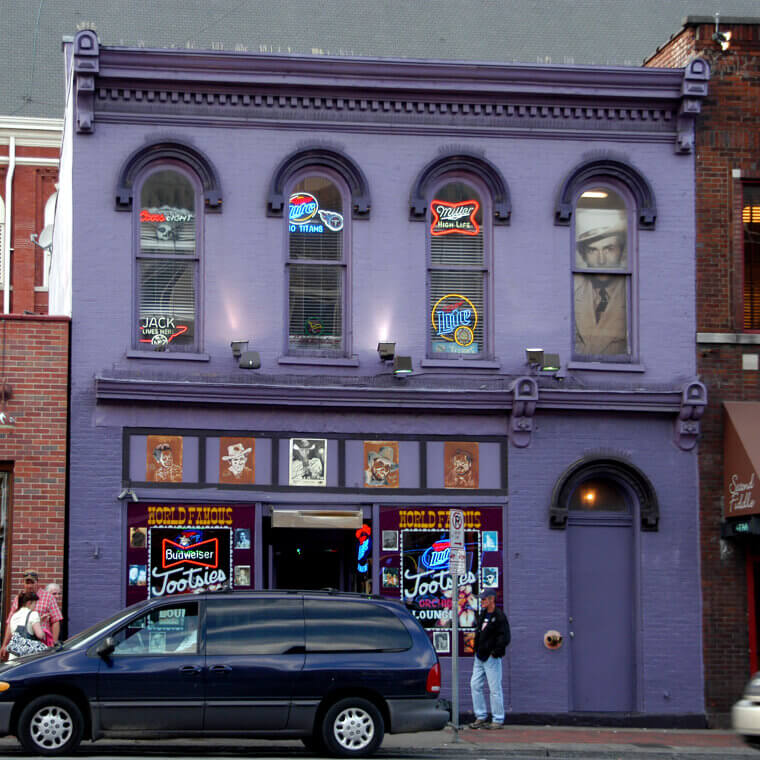
The mournful yodel of the singer highlights the tragic consequences of excessive partying. Three separate stages host live bands playing from early morning until late at night. The sticky floors and cramped quarters add to the authentic dive bar experience. The establishment remains a crucial stepping stone for aspiring musicians.
Red River, Texas - Red River Valley by Traditional
Forming the boundary between 2 southern states, this geographic feature boasts distinctive crimson-colored soil. The traditional folk tune has been covered by countless artists, solidifying its place in musical history. Cowboys reportedly sang the melody to calm cattle during long drives in the 1800s. The muddy banks allegedly turn bright red after heavy rainfall due to iron-rich sediment. The watershed spans across thousands of square miles of arid plains. Different versions of the lyrics adapt the narrative, but the emotional core remains intact.
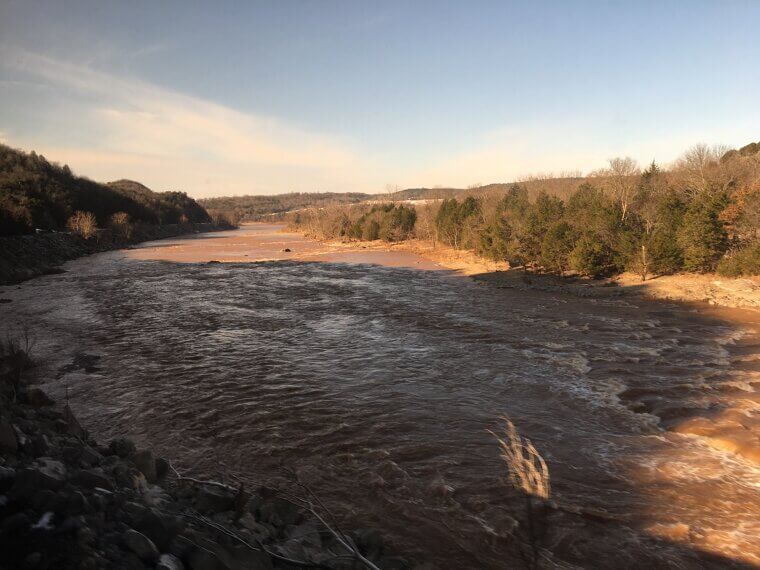
Native American tribes historically utilized the fertile floodplain for agriculture and settlement. The winding path creates natural oxbow lakes that provide habitat for migratory birds. The song serves as a timeless reminder of the rugged frontier lifestyle.
Lake Okeechobee, Florida - Seminole Wind by John Anderson
Covering 730 square miles, this shallow freshwater basin dominates the southern portion of the peninsula. The 1992 environmental anthem addresses the ecological changes affecting the surrounding wetlands. Land developers reportedly drained massive sections of the marsh for agricultural use during the 20th century. Local wildlife allegedly suffered significant population declines due to habitat loss. The track incorporates a distinctive piano riff that mimics the sound of a brewing storm. The singer penned the words to express frustration over the destruction of natural beauty.
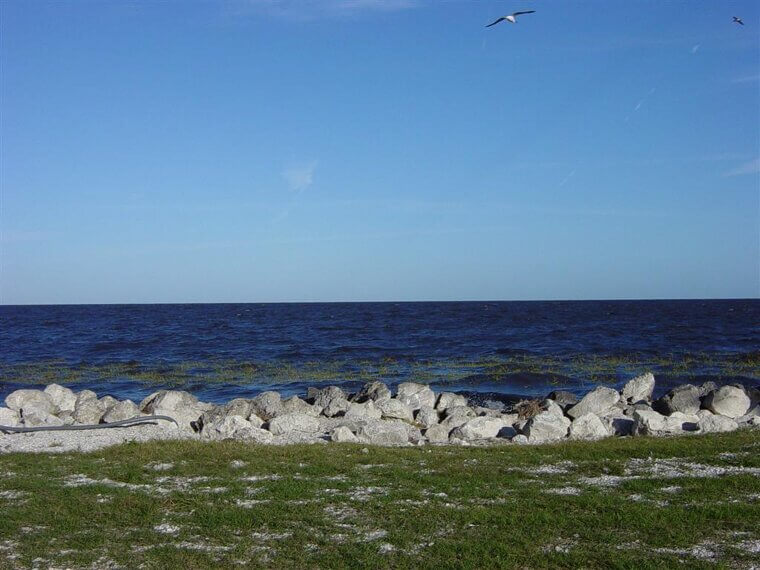
The water depth averages only 9 feet, making it susceptible to wind-driven waves. Reeds and sawgrass line the perimeter, providing shelter for alligators and wading birds. The lyrics urge listeners to respect and preserve the fragile ecosystem.
Blue Ridge Mountains, Virginia - Take Me Home, Country Roads by John Denver
Stretching across several states, this mountain range features a distinct bluish tint when viewed from a distance. The 1971 acoustic classic became an official state anthem due to its massive popularity. Songwriters Bill Danoff and Taffy Nivert reportedly started writing the piece while driving along rural highways. The misty peaks allegedly inspire a sense of profound nostalgia for anyone passing through. Hardwood forests cover the sloping ridges, turning vibrant colors during the autumn months.
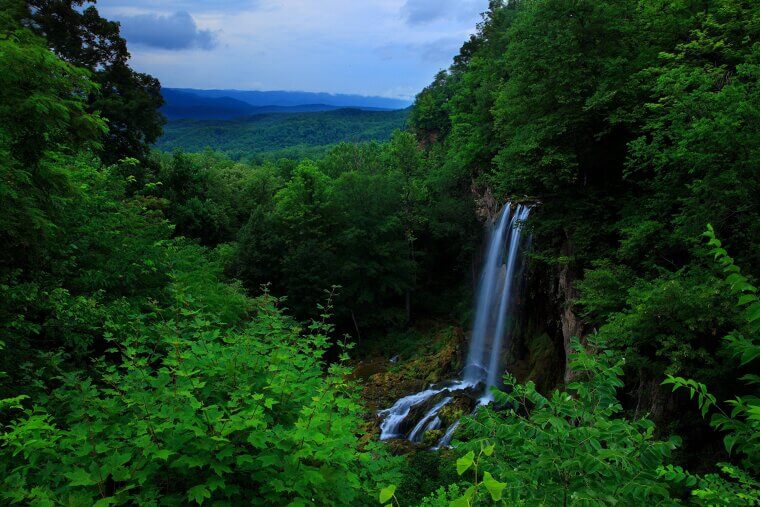
The gentle acoustic guitar picking perfectly complements the serene imagery of the landscape. Winding parkways offer scenic overlooks that draw millions of motorists annually. The region harbors diverse wildlife, including black bears and white-tailed deer. The enduring melody continues to resonate with travelers longing for familiar surroundings.
Shenandoah River, Virginia - Take Me Home, Country Roads by John Denver
Flowing northward through a picturesque valley, this waterway is a key feature of the famous 1971 hit. The lyrics pair the river with the surrounding mountains to create an idyllic rural setting. Early explorers reportedly navigated the shallow rapids using small wooden canoes. Local anglers allegedly pull massive smallmouth bass from the clear, cool currents. Limestone bluffs rise sharply from the banks, creating dramatic scenery. The vocal performance exudes a warmth that invites listeners to imagine the peaceful valley.
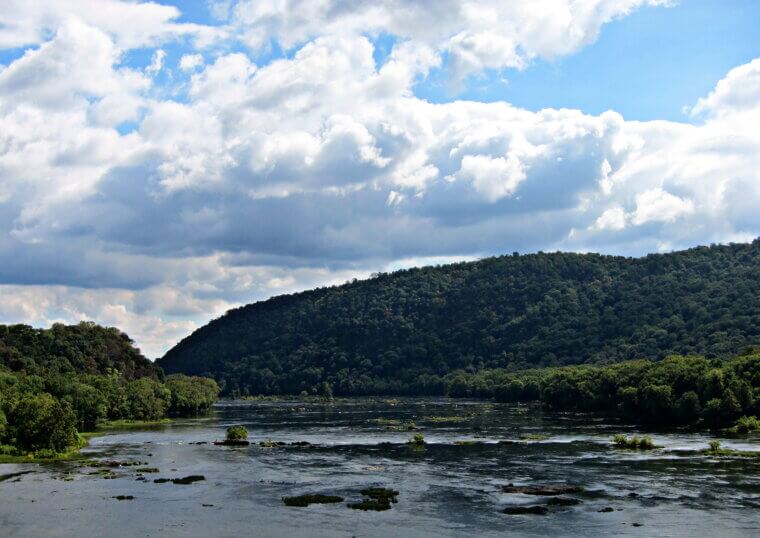
Canoe rentals and tubing outfits operate along the edges, catering to weekend adventurers. The water eventually merges with the Potomac before reaching the ocean. The ecosystem relies on the clean flow to support underwater vegetation and insect life.
Wabash River, Indiana - Wabash Cannonball by Roy Acuff
Meandering 503 miles across the midwestern landscape, this river served as inspiration for the legendary 1936 recording. The track describes a mythical train traveling through the heartland of the nation. Hobos reportedly shared the original tune while riding railcars during the Great Depression. The artist allegedly popularized the fast-paced picking style that defined early country instrumentation. Muddy banks border the slow-moving water as it cuts through vast cornfields. The rhythmic chugging of the melody perfectly mimics the sound of a locomotive.
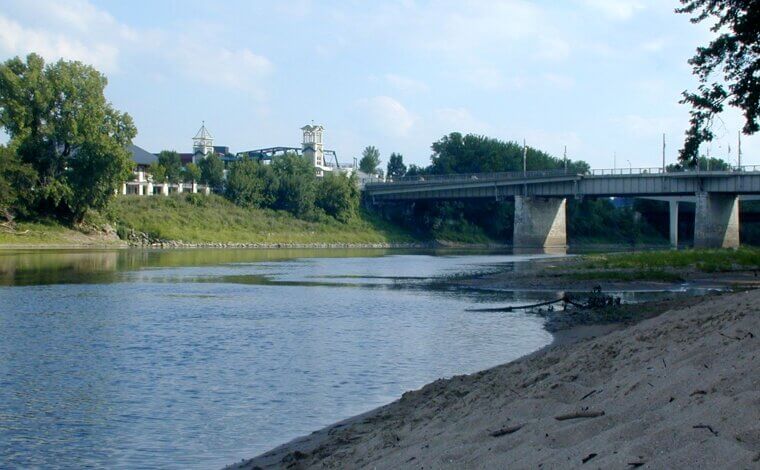
Steamboats navigated the lower sections of the channel during the 1800s. The surrounding floodplain features rich soil that supports heavy agricultural production. The song remains a cornerstone of traditional string band repertoire.
Great Smoky Mountains, Tennessee - Smoky Mountain Rain by Ronnie Milsap
Straddling the border of 2 states, this massive subrange is characterized by a persistent fog. The 1980 crossover hit tells the story of a man hitchhiking through a heavy downpour. The artist reportedly used a unique piano sound to simulate the feeling of falling water. Listeners allegedly connected deeply with the themes of regret and determination. Dense pine forests release volatile organic compounds that create the signature misty appearance. The blind singer utilized his incredible vocal range to convey intense emotional longing.
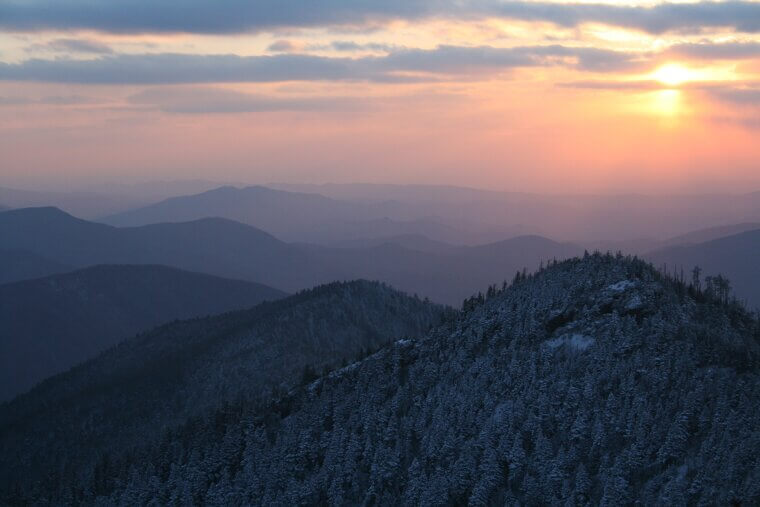
Winding roads cut through the steep terrain, offering treacherous driving conditions during storms. Black bears roam freely across the protected wilderness areas. The haunting melody perfectly captures the gloomy beauty of the wet Appalachian landscape.
Lookout Mountain, Tennessee - Chattanooga Shoe Shine Boy by Red Foley
Rising 2,389 feet above sea level, this prominent ridge overlooks a major southern city. The 1950 hit song highlights the bustling street life of the surrounding urban area. Union and Confederate soldiers reportedly fought a major battle on these steep slopes in 1863. Tourists allegedly flock to the peak to experience a geological attraction featuring an underground waterfall. A steep incline railway transports visitors from the base directly to the summit.
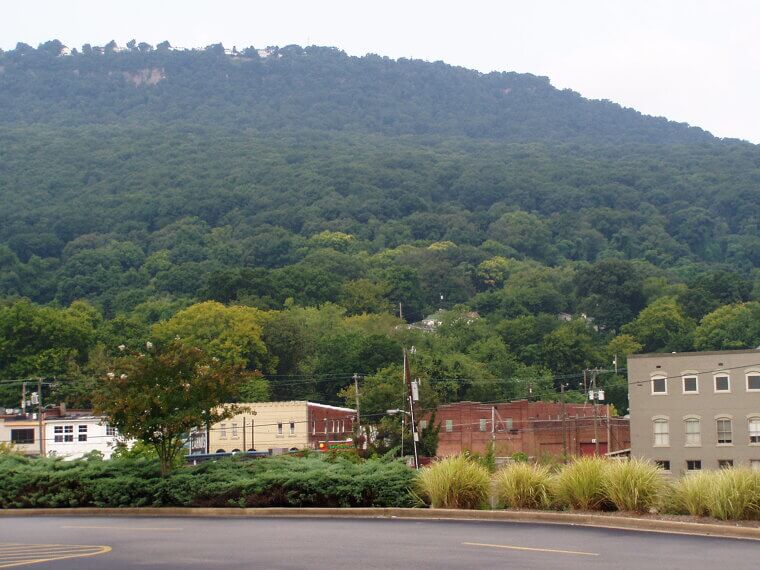
The swinging rhythm of the track mirrors the energetic ragtime music popular during that era. The rocky outcroppings provide panoramic views spanning across 7 different states. Dense vegetation covers the limestone cliffs, hiding numerous natural caves. The lively tune remains a cheerful reflection of mid-century southern optimism.
Natchez Trace, Mississippi - Natchez Trace by The Louvin Brothers
Stretching 444 miles, this historic forest trail served as a vital travel corridor for centuries. The bluegrass tune details the dangers of traveling the secluded path during early settlement days. Bandits reportedly hid in the dense woods to ambush wealthy merchants heading north. Travelers allegedly faced severe weather and treacherous river crossings along the journey. The modern parkway follows the original route, strictly prohibiting commercial traffic. The duo utilized tight harmonies to create a sense of eerie foreboding.
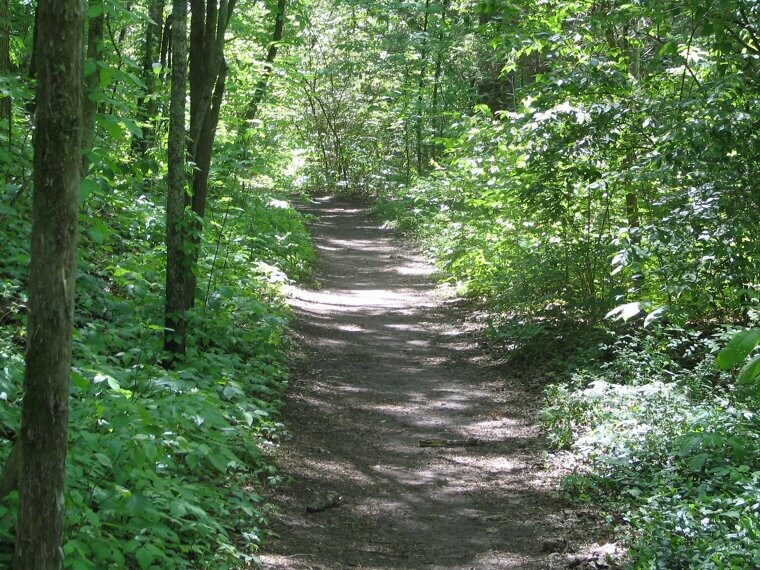
Thick stands of hickory and oak trees form a dense canopy over the pavement. The trail connects a series of ancient Native American mounds and historical markers. The song preserves the gritty reality of life on the wild frontier.
Choctaw Ridge, Mississippi - Ode to Billie Joe by Bobbie Gentry
This fictionalized elevation is based on the actual topography of the rural delta region. The 1967 narrative track centers around a mysterious event occurring at this specific location. The songwriter reportedly blended real geographical names with imagined scenarios to craft the mystery. Listeners allegedly debated the meaning of the lyrics for decades after the initial release. Pine trees and thick brush cover the rolling hills surrounding the fertile farmland. The stripped-down acoustic production highlights the conversational tone of the storytelling.
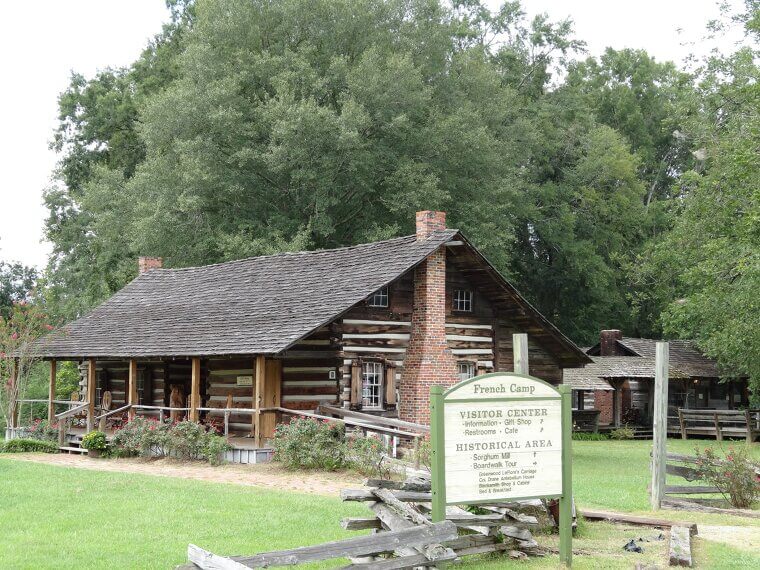
The climate in the area is notoriously hot and humid during the summer months. Local residents engage in agriculture, primarily growing cotton and soybeans. The tune remains a masterpiece of southern gothic songwriting.
Jackson City Limits, Mississippi - Jackson by Johnny Cash and June Carter
Serving as the state capital, this bustling municipality is the focal point of the fiery 1967 duet. The lyrics describe a troubled married couple planning to travel to the city for a wild time. The performers reportedly fed off each other's energy to deliver a spirited and aggressive vocal track. Fans allegedly view the performance as a perfect reflection of their real-life passionate relationship. The urban center features historical government buildings and a thriving musical community.

The upright bass drives the rhythm forward, mimicking the urgency of the characters. Railroad tracks cut through the downtown district, reflecting the industrial heritage of the area. The surrounding neighborhoods are filled with classic southern architecture and large oak trees. The song won a major award in 1968 for its incredible vocal delivery.
Galveston Seawall, Galveston, Texas - Galveston by Glen Campbell
Constructed after a devastating 1900 hurricane, this concrete barrier protects the coastal island. The 1969 hit song features a soldier dreaming of his hometown while fighting overseas. The songwriter reportedly penned the lyrics on a beach while watching the waves crash against the concrete. The emotional vocal performance allegedly brought many veterans to tears during the era of the Vietnam conflict. The structure spans 10 miles along the Gulf of Mexico, standing 17 feet high.
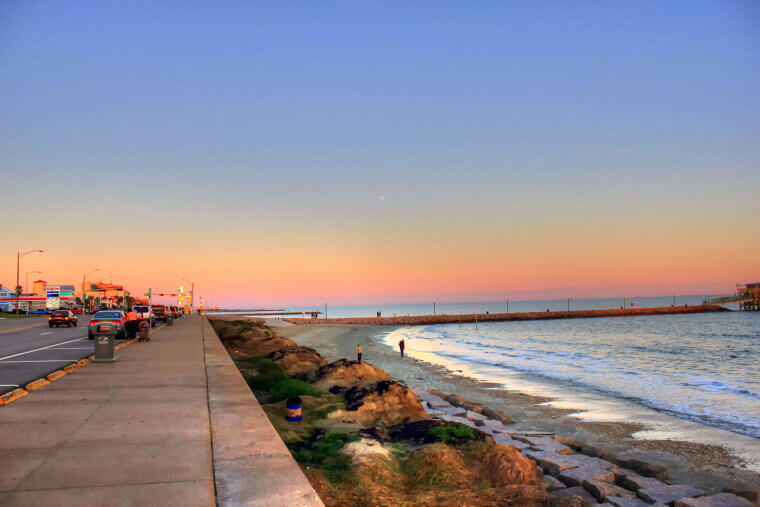
The sweeping orchestral arrangement elevates the track from a simple country tune to a pop masterpiece. Tourists rent bicycles to ride along the wide paved path adjacent to the water. The surrounding beaches offer warm water and ample opportunities for fishing. The melody perfectly encapsulates the feeling of profound homesickness.
Mississippi River, Mississippi - Big River by Johnny Cash
Flowing 2,340 miles southward, this massive waterway drains a significant portion of the continent. The 1958 rockabilly track chronicles a man chasing a romantic interest down the length of the water. The singer reportedly wrote the lyrics in the back of a car while touring through the region. The driving acoustic rhythm allegedly mimics the relentless current of the mighty stream. Muddy banks frequently shift and change shape due to extreme seasonal flooding.
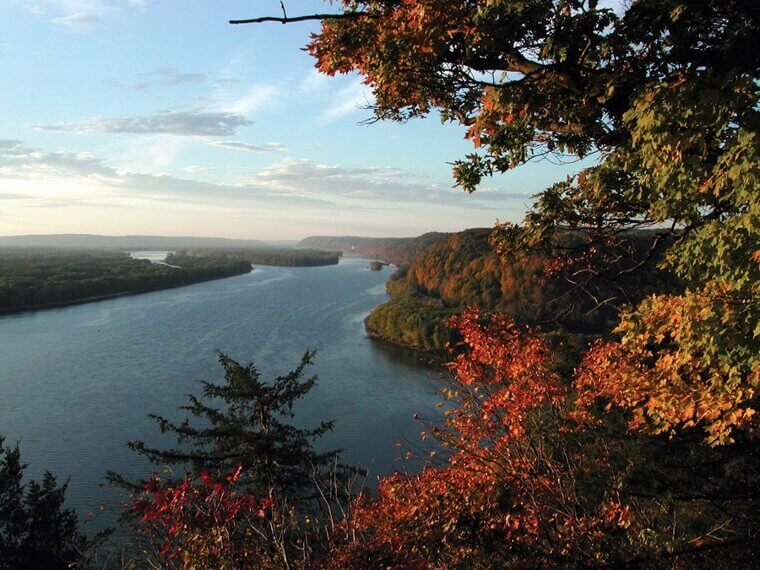
The vocal performance is fast and rhythmic, showcasing the raw energy of early rock and roll. Commercial barges transport millions of tons of grain and steel down the channel every year. The surrounding floodplain features incredibly fertile soil ideal for massive agricultural operations. The song remains a defining piece of the rockabilly genre.
Old Texas State Highway 1, Amarillo, Texas - Amarillo By Morning by George Strait
This historic transportation route stretches across the vast and arid panhandle plains. The 1983 fiddle-driven classic details the exhausting life of a traveling rodeo cowboy. The songwriter reportedly drew inspiration from a grueling overnight drive after a gig. True rodeo competitors allegedly treat the song as their ultimate unofficial anthem. The highway cuts through completely flat terrain where the sky seems to stretch forever. The soaring fiddle intro perfectly captures the lonely but hopeful spirit of the traveler.
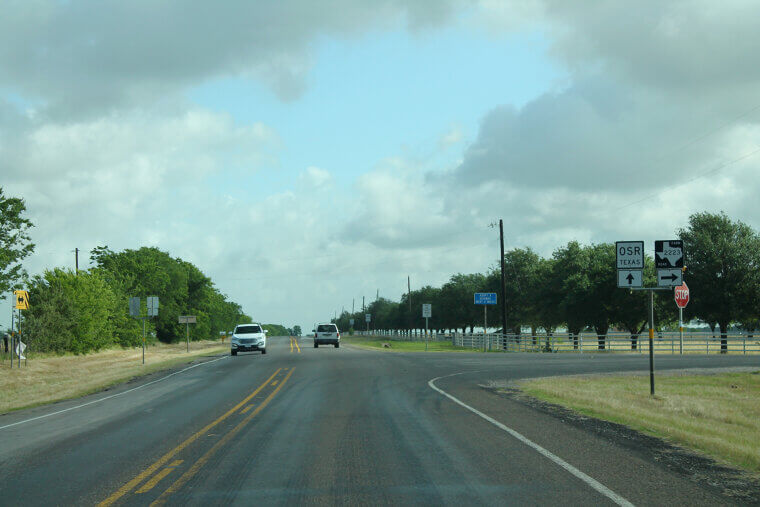
Strong winds constantly sweep across the highway, buffeting vehicles moving at high speeds. The local economy relies heavily on cattle ranching and agricultural logistics. The artist delivered a smooth vocal performance that cemented his status as a traditionalist.
Municipal Auditorium, Shreveport, Louisiana - Louisiana Hayride by Various Artists
Constructed in 1929, this brick building hosted one of the most important radio shows in music history. The broadcast helped launch the careers of numerous legendary performers during the 1950s. Producers reportedly focused on raw, unpolished talent rather than the refined acts preferred by other programs. The venue allegedly earned the nickname of the cradle of the stars. The interior features ornate art deco styling and seating for over 3,000 patrons.
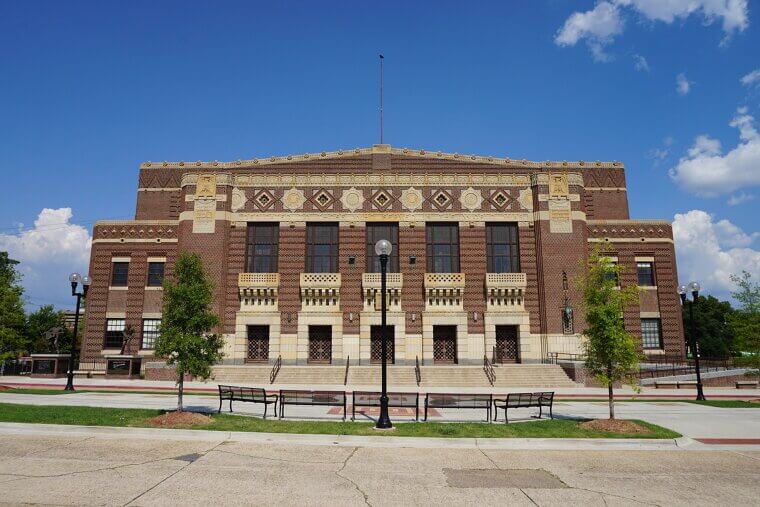
The energetic live atmosphere allowed artists to experiment with new sounds and wild stage antics. The massive stage is framed by heavy velvet curtains and intricate plaster details. The city erected a statue of a legendary performer outside the front doors to commemorate the broadcast. The site remains a pilgrimage destination for hardcore fans of musical history.
Everglades, Florida - Seminole Wind by John Anderson
Spanning 1.5 million acres, this massive tropical wetland is a unique river of grass. The 1992 hit song criticizes the environmental degradation of this fragile habitat. Early developers reportedly sought to drain the swamps to build suburban housing and shopping centers. Conservationists allegedly praised the artist for bringing mainstream attention to the ecological crisis. The slow-moving water filters through dense fields of sawgrass before reaching the ocean. The haunting piano melody evokes the desolate feeling of a vanishing wilderness.
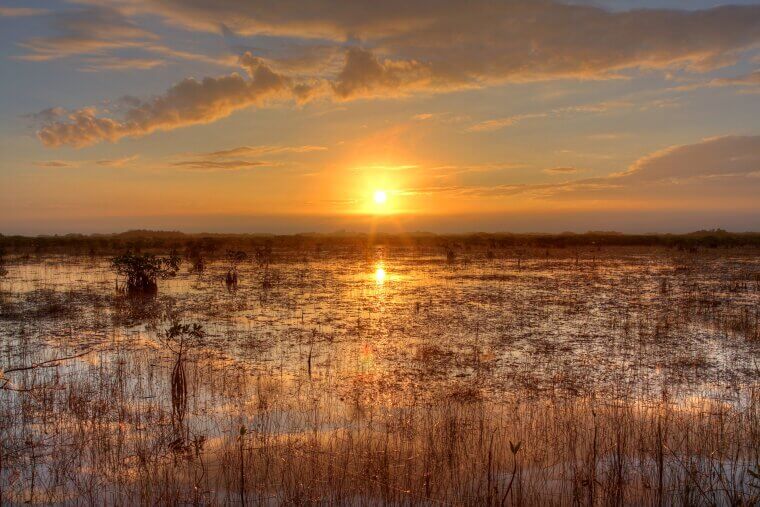
The area provides critical sanctuary for endangered species like the local panther and manatee. Mangrove forests line the coastal edges, protecting the mainland from severe hurricane storm surges. The track serves as a powerful plea for environmental preservation.
Flint Hill, North Carolina - Flint Hill Special by Flatt & Scruggs
Located in Cleveland County, this small rural community birthed a revolutionary style of acoustic music. The 1952 instrumental track showcases incredibly fast and complex banjo picking. The musician reportedly developed his signature three-finger style while sitting in his childhood home. Listeners allegedly thought the recording featured multiple banjo players due to the overwhelming speed of the notes. The rolling hills of the region feature small farms and dense patches of hardwood trees.
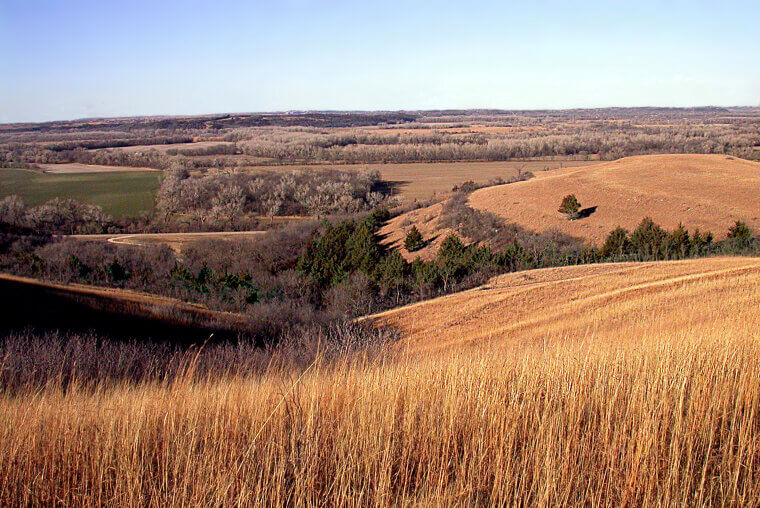
The driving tempo set a new standard of technical proficiency for acoustic musicians. Local residents traditionally gathered on front porches to play string instruments after finishing their daily chores. The tune includes a distinct tuning technique that mimics the sound of bending strings. The area remains heavily associated with the origins of bluegrass.
Muscle Shoals Sound Studio, Sheffield, Alabama - Muscle Shoals Blues by Various Artists
Housed in a small cinderblock building, this recording space produced some of the greatest hits of the 1970s. The regional sound heavily influenced country artists seeking a soulful edge. The session musicians reportedly crafted a unique rhythmic pocket that nobody else could replicate. Touring singers allegedly traveled from across the globe just to capture the magic of the room. The exterior looks like a basic garage, masking the incredible historical importance of the interior.
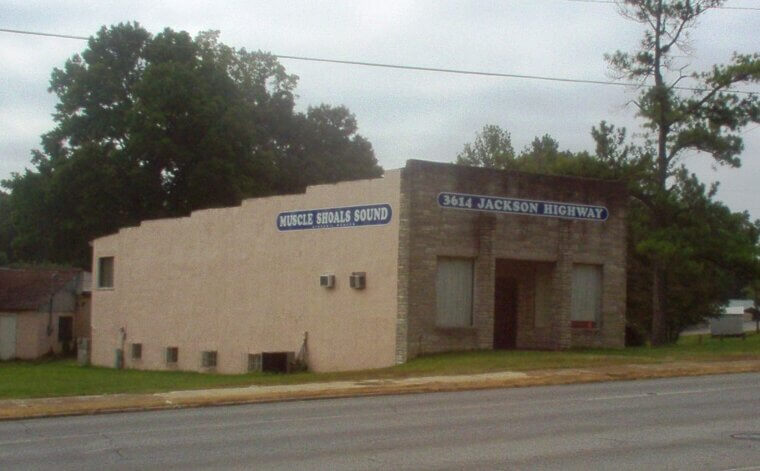
The organic groove of the recordings seamlessly blended rural twang with R&B elements. The studio contains vintage analog equipment that imparts a warm texture to audio tracks. The surrounding town sits quietly on the banks of the Tennessee River. The venue now operates as a museum dedicated to audio engineering.
San Antonio River Walk, San Antonio, Texas - New San Antonio Rose by Bob Wills
Winding directly below the downtown streets, this network of walkways borders the natural waterways. The 1940 western swing classic perfectly captures the romantic ambiance of the historic city. City planners reportedly developed the elaborate system in the 1930s to control catastrophic flooding. Couples allegedly flock to the stone paths to enjoy moonlit strolls after dinner. Colorful umbrellas shade the outdoor patios of numerous lively restaurants and cafes. The upbeat tempo of the tune features intricate fiddle arrangements and energetic horn sections.

Tourist boats constantly navigate the narrow channels, offering guided historical tours. The lush landscaping includes massive cypress trees and vibrant tropical flowers. The recording introduced a sophisticated jazz influence into traditional rural music.
Suwannee River, Florida - Old Folks at Home by Stephen Foster
Flowing 246 miles from Georgia to the Gulf, this blackwater stream is immortalized in a classic 1851 parlor song. The tune heavily influenced the development of early rural string band music. The songwriter reportedly searched an atlas for a two-syllable river name before finding this specific waterway. State officials allegedly adopted a revised version of the track as the official state song in 1935. Tannins from decaying vegetation turn the water a dark tea color.
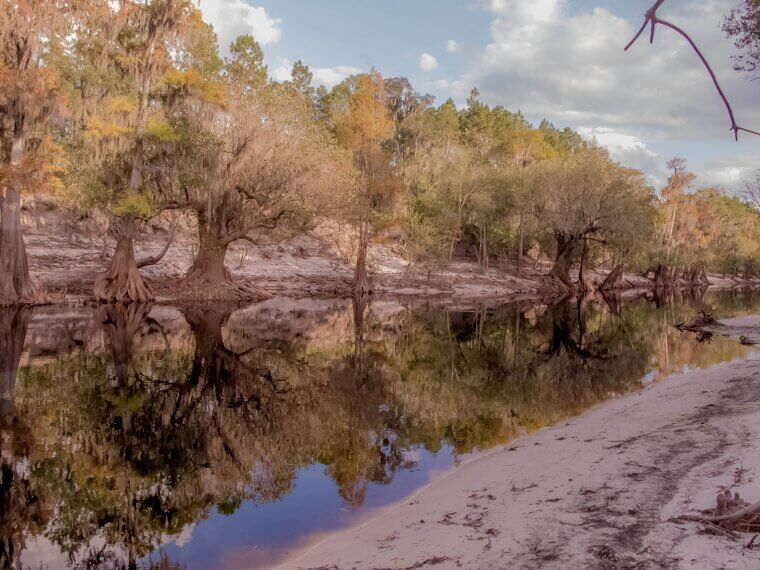
The melancholic melody evokes a deep sense of longing for a simpler time. The banks feature dense limestone outcroppings and numerous bubbling freshwater springs. Cypress knees protrude from the muddy edges, creating a prehistoric atmosphere. The song remains a controversial but undeniable piece of early musical heritage.