
Country music is famous for its legendary storytelling, but the spectacular hairstyles our favorite artists rocked over the decades tell a wild story of their own. From towering wigs to feathery mullets, check out these iconic looks and keep scrolling!
Dolly Parton's 1970s Towering Wigs Allegedly Stored in Custom Travel Boxes
When discussing classic glamorous aesthetics, Dolly Parton completely redefined 1970s fashion with a visual presentation as powerful as her legendary voice. Her sky-high blonde headpieces were genuine architectural marvels that perfectly matched her vibrant personality. These delicate items were allegedly stored in custom-built travel boxes to prevent any crushing while she toured the country. The sheer effort needed to maintain such massive volume involved serious dedication, heavy teasing, and countless cans of holding spray.
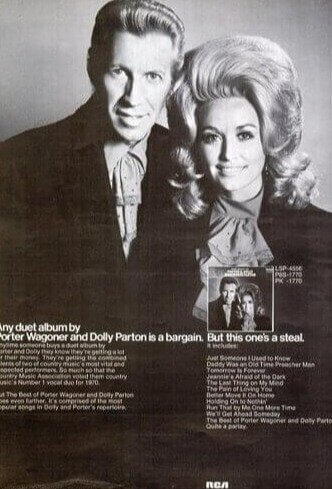
This signature look became instantly recognizable across the globe, transforming the singer into a genuine pop culture phenomenon. Fans adored the larger-than-life presentation which captured her immense vocal talent beautifully. The legacy of those incredible styles continues to influence modern aesthetic choices, remaining an iconic symbol of her enduring personal brand.
Alan Jackson's 1990s Flowing Blonde Mullet Carefully Tucked Under His White Stetson
Alan Jackson emerged in the early 1990s as a torchbearer for traditional sounds, and his personal style perfectly reflected that commitment. His signature look featured a flowing blonde mullet that he famously kept carefully tucked just beneath the brim of his pristine white Stetson hat. Maintaining the distinct layers of this cut required routine trims to ensure the back length cascaded perfectly over his shirt collar. This instantly recognizable combination of the hat and cascading blonde locks became a significant pop culture phenomenon, representing the ideal modern cowboy aesthetic.
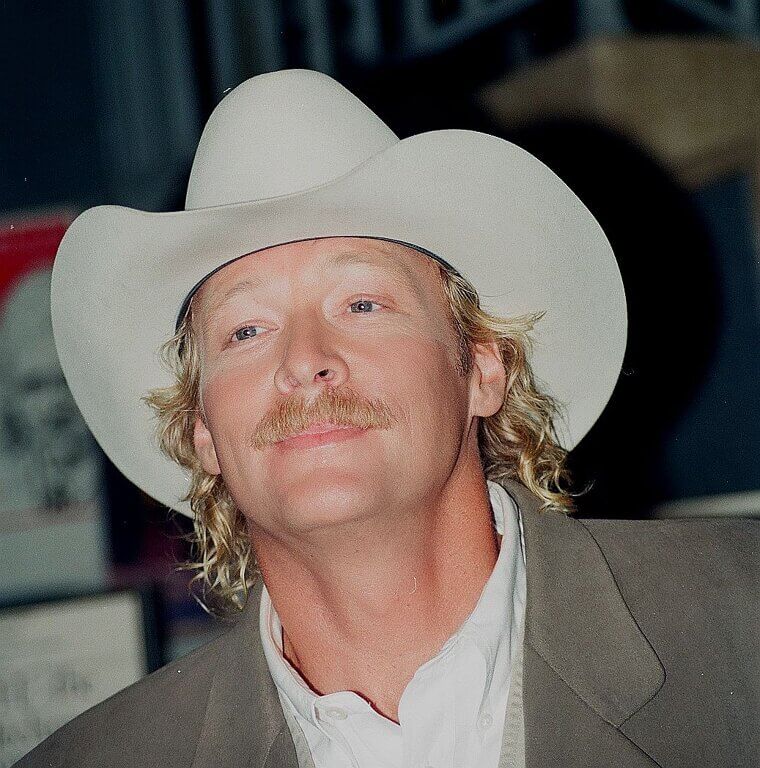
Fans across the nation rushed to emulate this relaxed, unassuming visual brand. His consistent dedication to this specific hairstyle has made it an enduring symbol of authentic neo-traditionalism.
Crystal Gayle's 1970s Floor-Length Brunette Locks Reportedly Took Hours to Brush
During the late seventies, Crystal Gayle captivated audiences not just with her smooth vocals but also her breathtaking physical aesthetic. Her defining feature was an astonishingly long mane of dark brown hair that swept the floor as she walked across the stage. Maintaining this extraordinary length was a daily challenge, reportedly taking several hours of careful brushing to prevent severe tangles and damage. This ethereal appearance set her apart from her peers, offering a softer, more natural contrast to the heavily styled trends of the era.
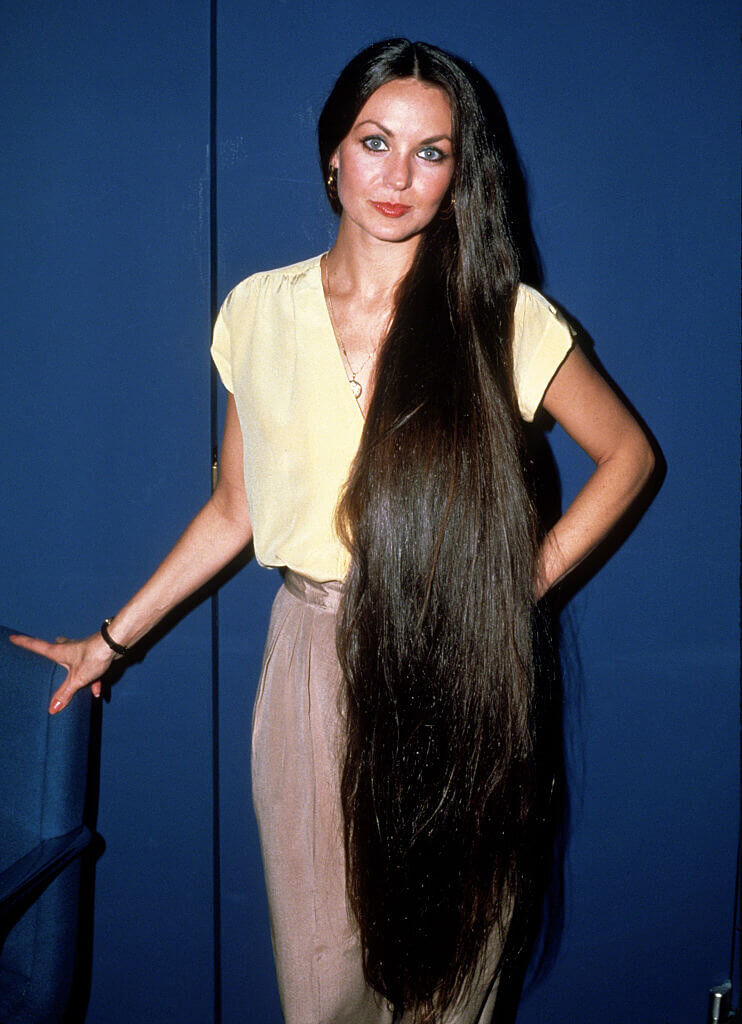
The incredible mane quickly evolved into a massive pop culture phenomenon, directly linking her visual identity with her musical success. Today, music historians frequently reference her flowing tresses as one of the most unforgettable stylistic choices in the genre.
Conway Twitty's 1970s Immobile Helmet Hair Completely Unfazed by Heavy Winds
Conway Twitty cultivated a deeply romantic and slightly mysterious stage presence during the 1970s, heavily supported by his famously rigid hairstyle. Often affectionately referred to as helmet hair, his tightly coiffed, curly perm was renowned for being completely immobile, even when exposed to heavy winds outdoors. Achieving this astonishing level of structural integrity involved intense chemical perming processes and generous applications of stiffening sprays. His unchanging, solid silhouette became a genuine pop culture phenomenon, offering a reliable, comforting image to millions of swooning fans.
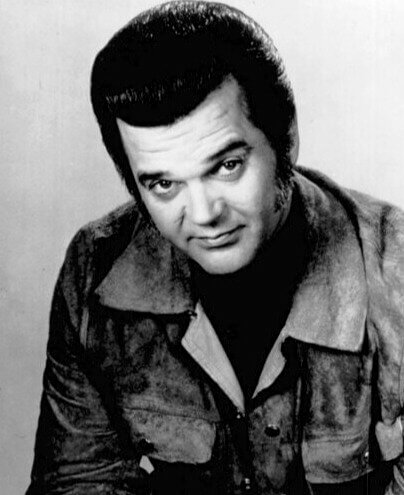
The absolute consistency of his aesthetic perfectly mirrored the steady stream of hit records he produced. It remains one of the most recognizable and steadfast stylistic choices in the genre's history.
Reba McEntire's 1980s Voluminous Red Curls Required Double-Duty Hairspray
The decade of the 1980s brought bold fashion choices, and Reba McEntire fully embraced the trend with her spectacular fiery auburn curls. This voluminous curly mane framed her face dramatically and became a staple of her energetic live performances. Achieving that level of gravity-defying bounce was no easy task, often requiring double-duty applications of industrial-strength hairspray to keep everything perfectly in place. Her vibrant aesthetic soon became a pop culture phenomenon, perfectly reflecting her powerhouse vocals and fierce independence.
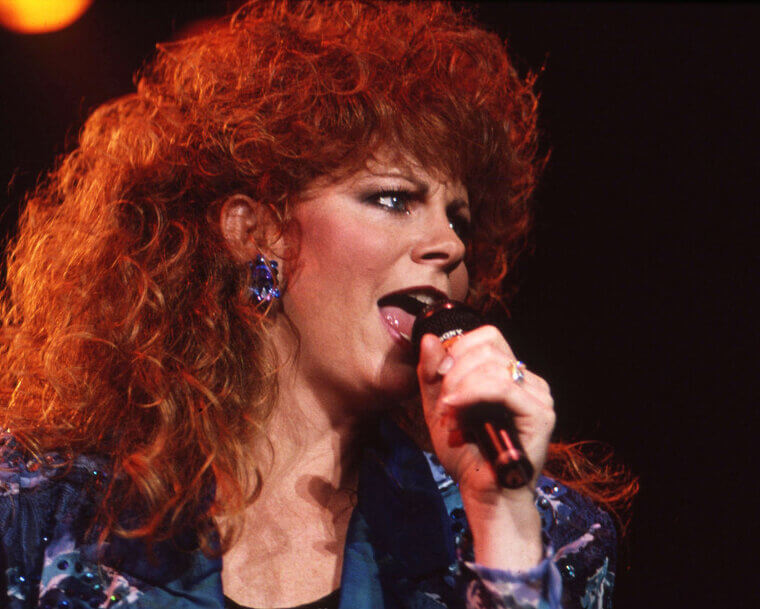
As her career skyrocketed, fans everywhere rushed to salons hoping to replicate the lively, textured look. Even decades later, those iconic red ringlets remain deeply associated with her initial rise to superstar status, proving that a great hairstyle leaves a lasting impression.
Billy Ray Cyrus's 1990s Achy Breaky Mullet Needed Precise Gel Application Daily
Few hairstyles have ever defined a specific era quite like Billy Ray Cyrus and his legendary 1990s mullet. This cultural touchstone featured a highly styled, feathered front combined with cascading locks down the back. Keeping the distinct separation between the short top and long back required precise gel application daily before any camera appearance. The explosive success of his crossover hits turned this specific cut into an undeniable pop culture phenomenon, sparking a nationwide trend among men.
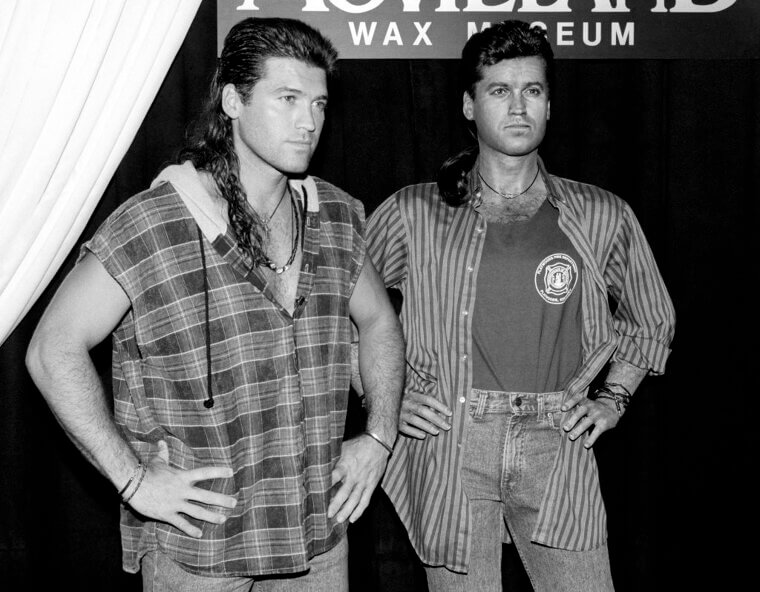
His rugged yet groomed appearance became synonymous with the line-dancing craze that swept the country. Even though styles have evolved dramatically since then, this memorable look is permanently etched into the collective memory of music fans everywhere.
Loretta Lynn's 1960s Classic Bouffant Reportedly Held up by Internal Padding
As the queen of country music ascended to fame in the 1960s, Loretta Lynn established a sophisticated visual standard with her impeccable bouffant. This elegant, rounded style provided a polished frame for her expressive face during emotional performances. The secret behind the impressive height of her hair was allegedly the use of hidden internal padding, carefully pinned beneath the teased layers. Crafting this intricate look demanded significant daily effort, relying heavily on professional stylists and firm-hold setting lotions.
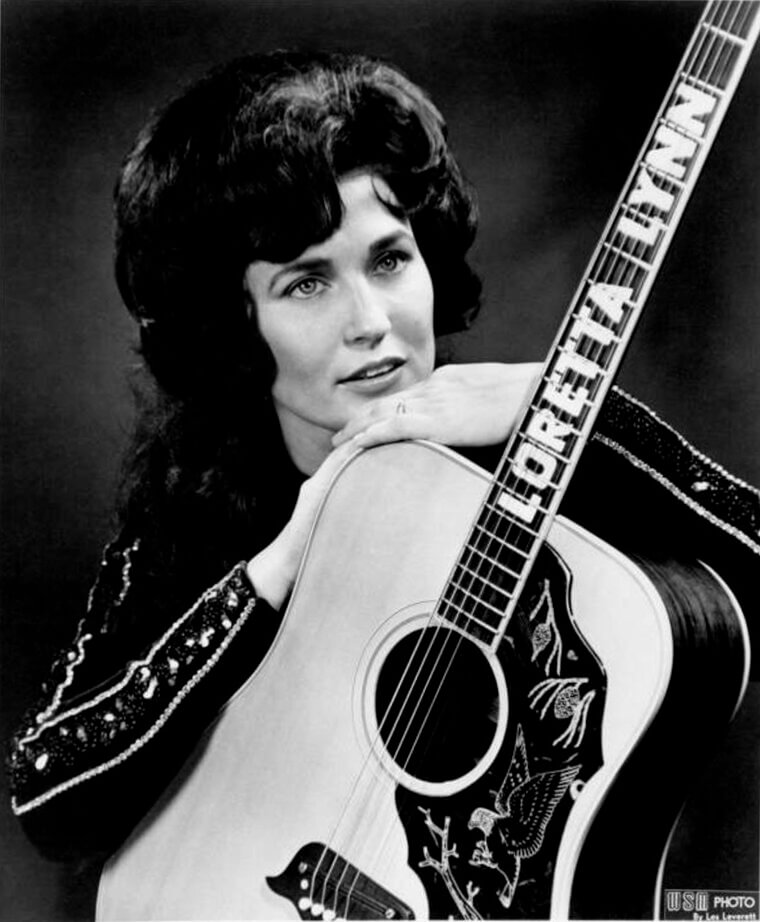
The refined aesthetic quickly transformed into a pop culture phenomenon, presenting a strong, dignified image for women in the industry. Her commitment to this flawless presentation perfectly complemented her groundbreaking songwriting, making her an enduring symbol of traditional grace.
Tammy Wynette's 1970s Blonde Beehive Heavily Teased to Withstand Hot Stage Lights
Tammy Wynette projected an image of emotional resilience and pristine beauty, largely anchored by her signature 1970s blonde beehive. This towering creation was a masterpiece of salon engineering, designed to convey glamour while singing heartbreaking ballads. To ensure the style survived the sweltering heat of intense stage lights, her stylists heavily teased the roots and applied rigorous layers of lacquer. The immaculate hairdo became a pop culture phenomenon in its own right, symbolizing the classic tragic heroine persona she cultivated.
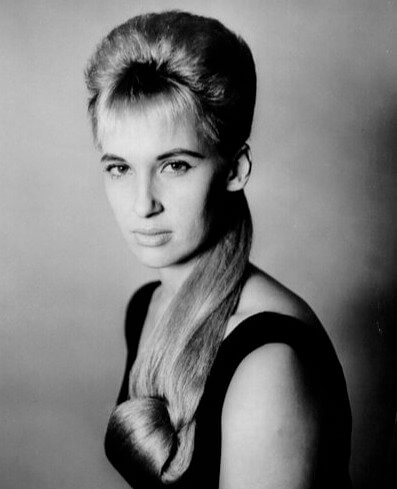
Fans admired her flawless appearance, which remained perfectly intact regardless of how dramatic her performances became. Her glamorous approach to stage presence continues to be celebrated as a high watermark for traditional musical aesthetics.
Shania Twain's 1990s Leopard Print Era Blowout Relied on Massive Round Brushes
When Shania Twain burst onto the scene in the late 1990s, she brought a fierce, modern aesthetic that shattered traditional expectations. Her signature look during her massive crossover era featured a flawless, voluminous blowout that paired perfectly with her iconic leopard print outfits. Achieving this stunning, bouncy texture required the daily use of massive round brushes and high-heat blow dryers to smooth out every strand. This fresh, vibrant appearance quickly ignited a pop culture phenomenon, inspiring a whole generation of young women to adopt her confident style.
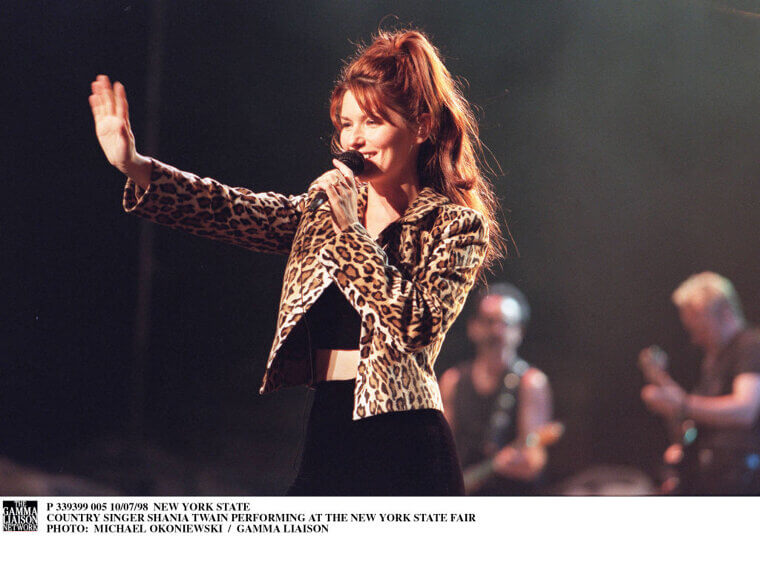
Her hair moved fluidly as she danced, reflecting a dynamic energy that older, stiffer styles simply could not match. The glamorous aesthetic fundamentally modernized the visual language of female country artists.
Faith Hill's Late 1990s Short Choppy Bob Shocked Fans Who Loved Her Long Locks
Faith Hill established herself as a glamorous superstar with beautiful flowing hair, which made her late 1990s transformation incredibly impactful. When she suddenly debuted a short, choppy bob, the drastic change genuinely shocked fans who had grown deeply attached to her previous romantic locks. This modern, edgy cut required regular professional texturizing and specialized styling waxes to maintain its piecey, effortless vibe. The surprising reinvention quickly became a massive pop culture phenomenon, dominating entertainment news cycles for weeks.
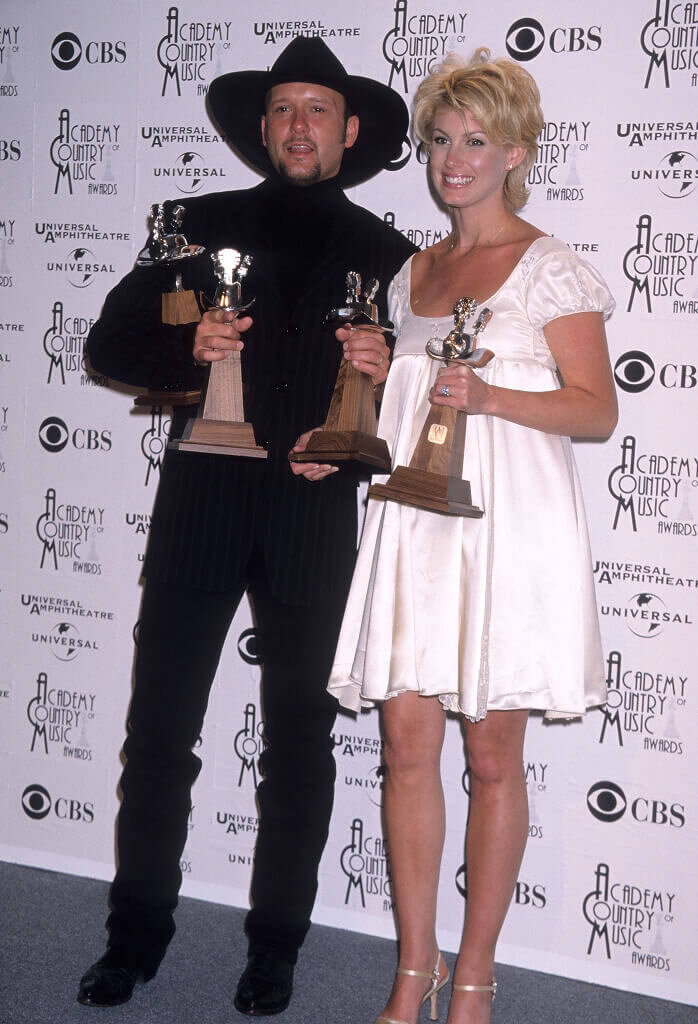
By shedding her traditional image, she signaled a bold shift toward a more contemporary pop-oriented sound. The daring chop is still referenced today as one of the most successful aesthetic pivots in modern music history.
Johnny Cash's 1950s Signature Pompadour Styled With Heavy Black Grease
Long before he was exclusively known as the Man in Black, Johnny Cash rocked a rebellious 1950s pompadour that captured the wild spirit of early rockabilly. This slicked-back, voluminous front roll was meticulously crafted using heavy black grease, giving it a distinctive shine and rigid hold. The daily maintenance of this slick style required constant combing and precise application of vintage pomades. His brooding, edgy aesthetic quickly became a pop culture phenomenon, perfectly matching the gritty realism of his early recordings.
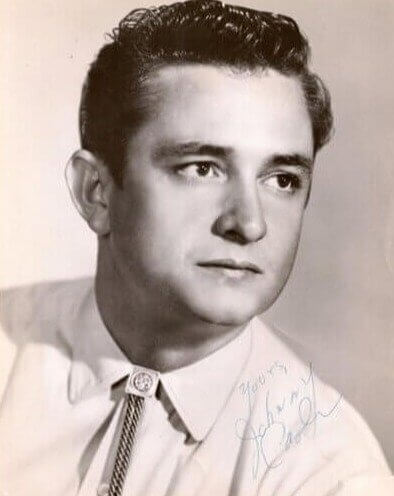
The sleek hair contrasted sharply with the polished cowboy looks of his contemporaries, establishing him as a genuine musical outlaw. That initial striking image laid the groundwork for his legendary, enduring brand.
Wynonna Judd's 1980s Fiery Red Mane Required Industrial Strength Curl Definer
As one half of an iconic mother-daughter duo, Wynonna Judd established her fiercely independent identity through her incredible 1980s fiery red mane. Her wild, untamed curls perfectly embodied her powerful, bluesy vocal delivery and rebellious attitude. Keeping the massive volume looking intentional rather than messy required copious amounts of industrial-strength curl definer and diffusers. This bold, striking look rapidly turned into a pop culture phenomenon, setting her apart from the more polished, traditional singers of the era.
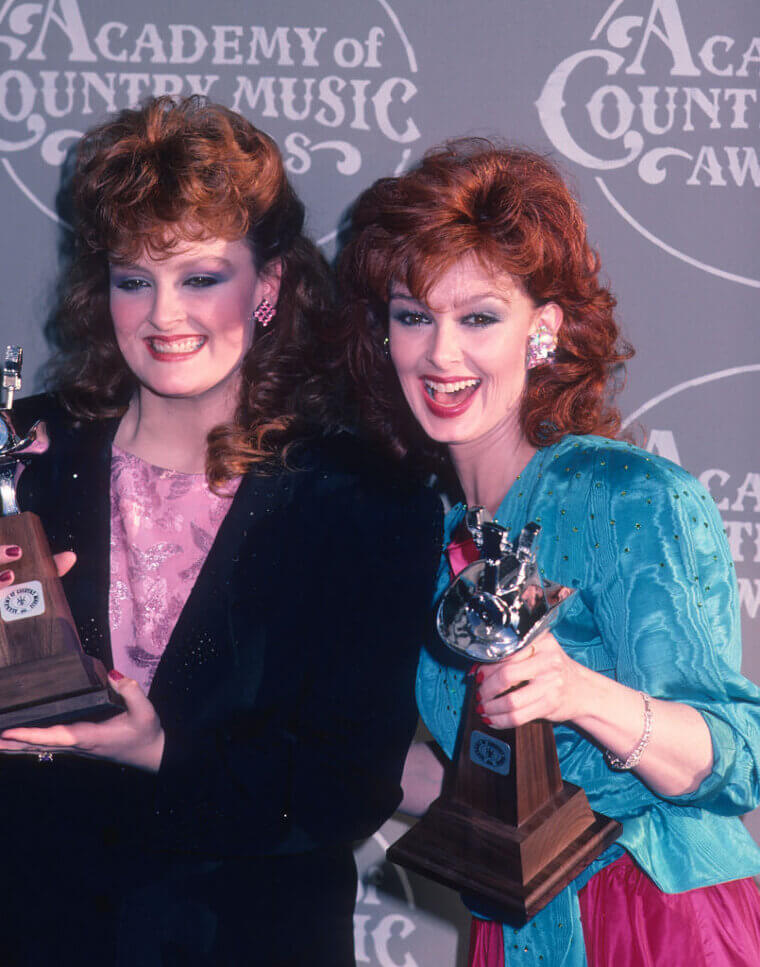
The vibrant red color and massive texture became visual shorthand for her passionate, soulful musical approach. Fans instantly recognized her silhouette, proving that embracing natural texture could be just as glamorous as any salon creation.
Patsy Cline's 1950s Pin Curls Set With Bobby Pins Every Single Night
Patsy Cline possessed a voice that could shatter hearts, and her 1950s styling was just as remarkably precise and impactful. Her signature aesthetic was defined by flawless, tight pin curls that framed her expressive face perfectly during her legendary television appearances. Achieving this structured, vintage look required an exhausting routine of rolling and setting her hair with bobby pins every single night before bed. This meticulous dedication resulted in a pop culture phenomenon, establishing a standard of polished femininity that aspiring singers sought to emulate.
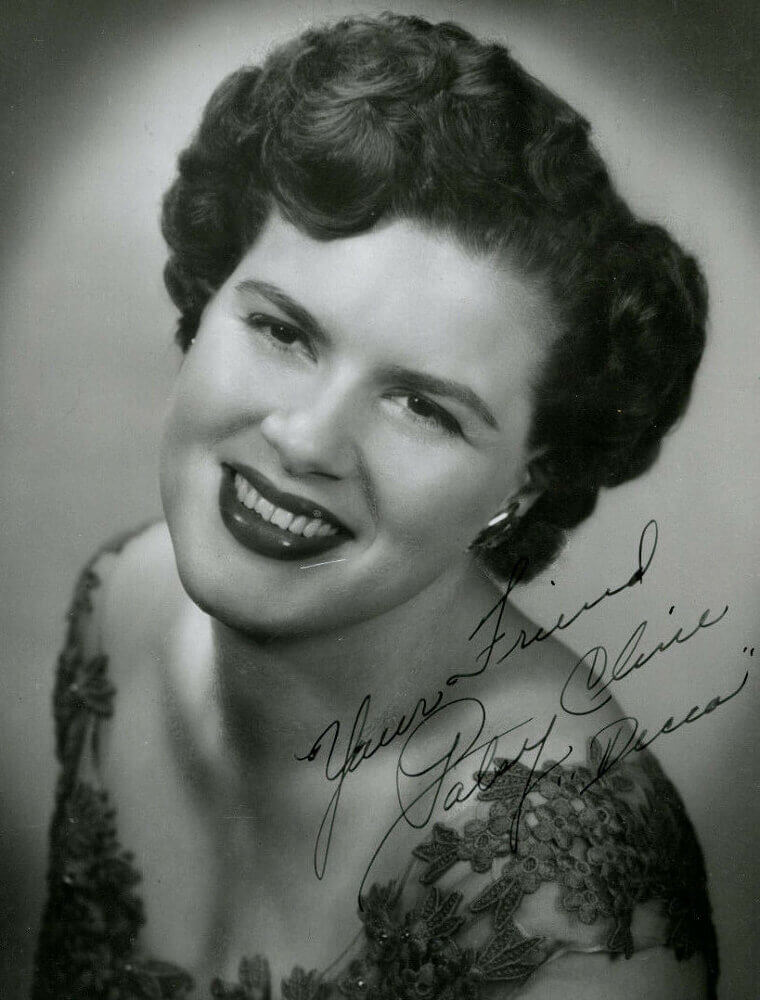
The crisp, controlled hairstyle provided a fascinating visual contrast to the deep, turbulent emotions she conveyed through her music. Today, those classic curls remain synonymous with the golden era of the Nashville sound.
Natalie Maines's Early 2000s Spiky Pixie Bleached and Gelled Daily Before Performances
As the lead singer of the Dixie Chicks, Natalie Maines completely disrupted the visual expectations for female artists in the early 2000s. She famously chopped off her hair into an aggressive, spiky pixie cut that screamed punk-rock rebellion rather than traditional southern belle. Keeping the edgy texture sharp and bright required rigorous daily bleaching sessions and heavy applications of strong-hold sculpting gel. This fearless aesthetic choice rapidly escalated into a massive pop culture phenomenon, visually representing the band's outspoken and fiercely independent nature.
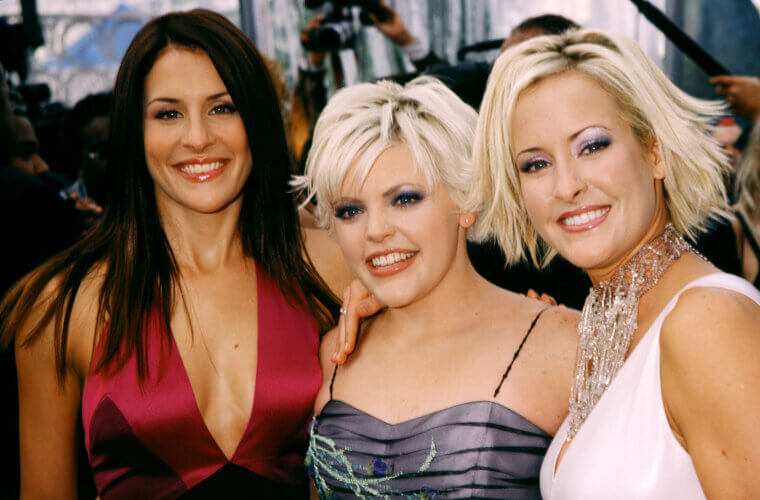
Young fans were heavily inspired by her willingness to shatter the conventional beauty standards of the highly conservative industry. Her spiky blonde hair remains an enduring symbol of artistic courage and unyielding personal authenticity.
Randy Travis's 1980s Slicked-Back Classic Set With High-Shine Vintage Pomade
When Randy Travis ushered in the massive neo-traditional movement in the nineteen eighties, his visual presentation was just as beautifully retro as his smooth baritone voice. He adopted a highly conservative, slicked-back classic haircut that echoed the styling of early mid-century icons. Maintaining this incredibly sharp, distinguished look required the daily application of high-shine vintage pomade and a fine-tooth comb. This rejection of fluffy, contemporary trends became a powerful pop culture phenomenon, signaling a serious return to the musical roots of the genre.
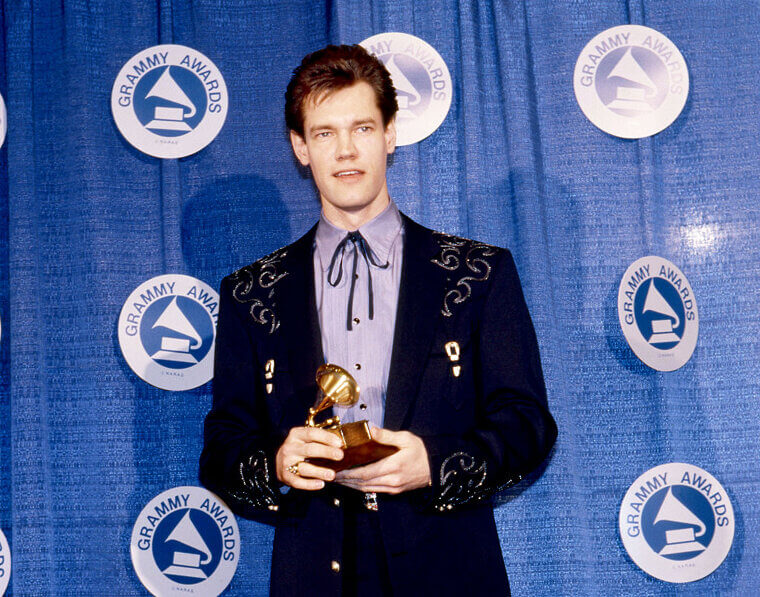
His dignified appearance commanded instant respect from older fans while introducing a cool, retro vibe to younger listeners. The enduring elegance of this simple hairstyle beautifully matched the timeless quality of his remarkable recordings.
Blake Shelton's Early 2000s Wavy Mullet Naturally Curly and Mostly Air-Dried
When Blake Shelton first charmed his way onto the radio in the early 2000s, he sported a hairstyle that was delightfully out of step with polished modern trends. His look was defined by a wildly wavy, naturally curly mullet that tumbled over his collar. Unlike the heavily sculpted looks of the previous decade, this style was impressively low-maintenance and mostly air-dried to preserve its natural texture. This goofy, boy-next-door aesthetic quickly became a pop culture phenomenon, establishing his lovable and highly approachable public persona.
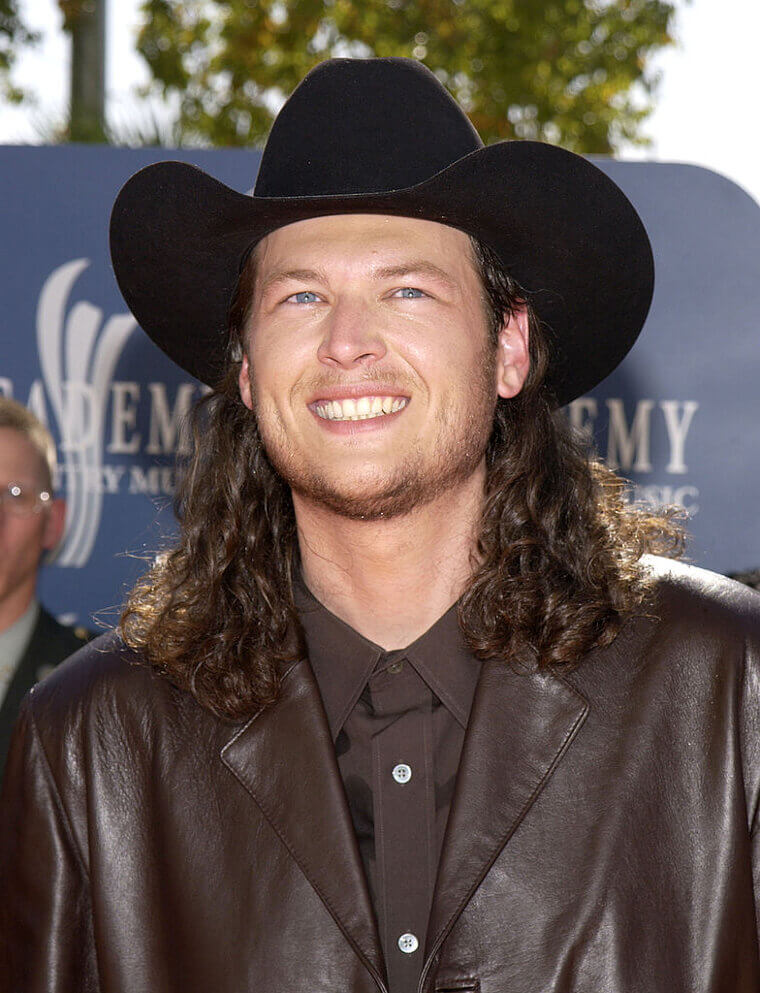
Fans appreciated his complete lack of vanity, which perfectly suited his humorous and down-to-earth personality. Although he eventually chopped it off, that magnificent wavy mane remains a beloved piece of his early career history.
Taylor Swift's Late 2000s Tight Blonde Ringlets Curled With a Tiny Iron Barrel
During her meteoric rise in the late 2000s, Taylor Swift captured the hearts of millions with her incredibly romantic and youthful aesthetic. Her deeply recognizable look centered on a cascade of tight, natural-looking blonde ringlets that perfectly suited her fairytale-inspired songwriting. To ensure the spirals held their pristine shape through energetic stadium shows, stylists painstakingly touched them up using a tiny curling iron barrel. This magical, princess-like presentation swiftly became a global pop culture phenomenon, defining the visual identity of an entire generation of teenage fans.
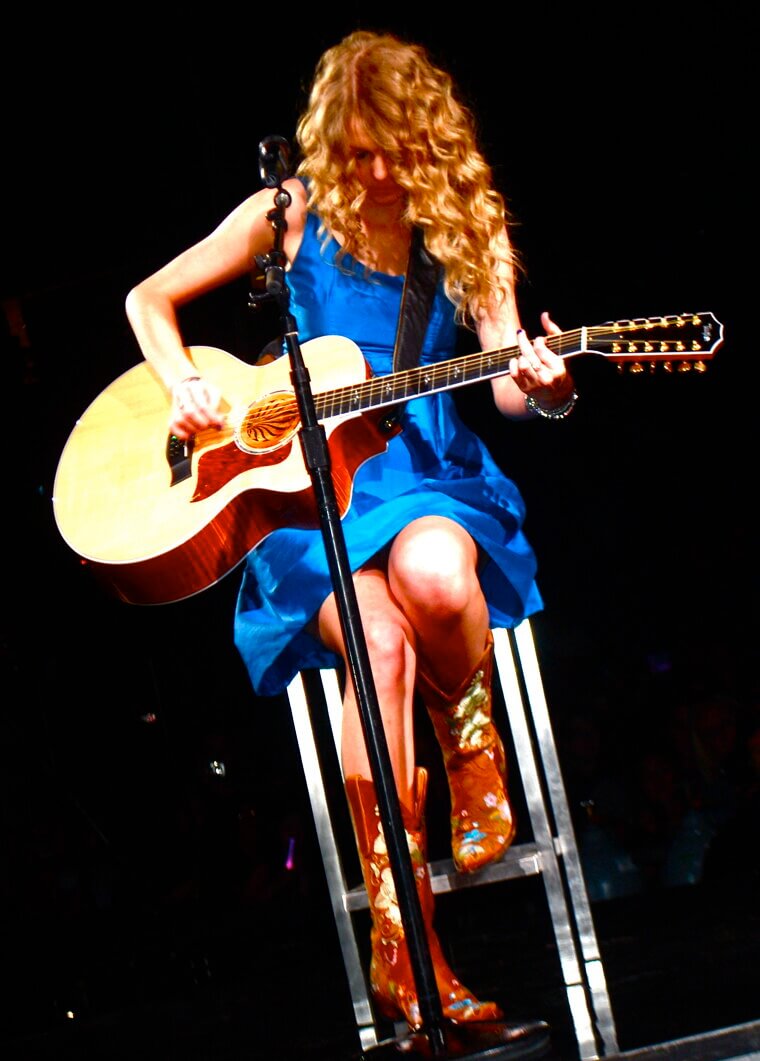
The enchanting hairstyle was inherently tied to the narrative of her massive early hit singles. Even as she constantly reinvents her image today, those initial perfect curls remain a beloved piece of music history.
George Jones's 1980s Flattop Mullet Allegedly Cut by a Family Member
During the 1980s, legendary vocalist George Jones adopted a highly unusual flattop mullet that sparked endless conversations among his dedicated fanbase. The style featured a sharply buzzed, horizontal top that transitioned abruptly into longer hair at the neckline. According to industry lore, this distinctive and slightly eccentric cut was allegedly maintained by a family member rather than a professional stylist. Despite its unconventional nature, the look required frequent, careful trimming to preserve the stark contrast between the different sections.
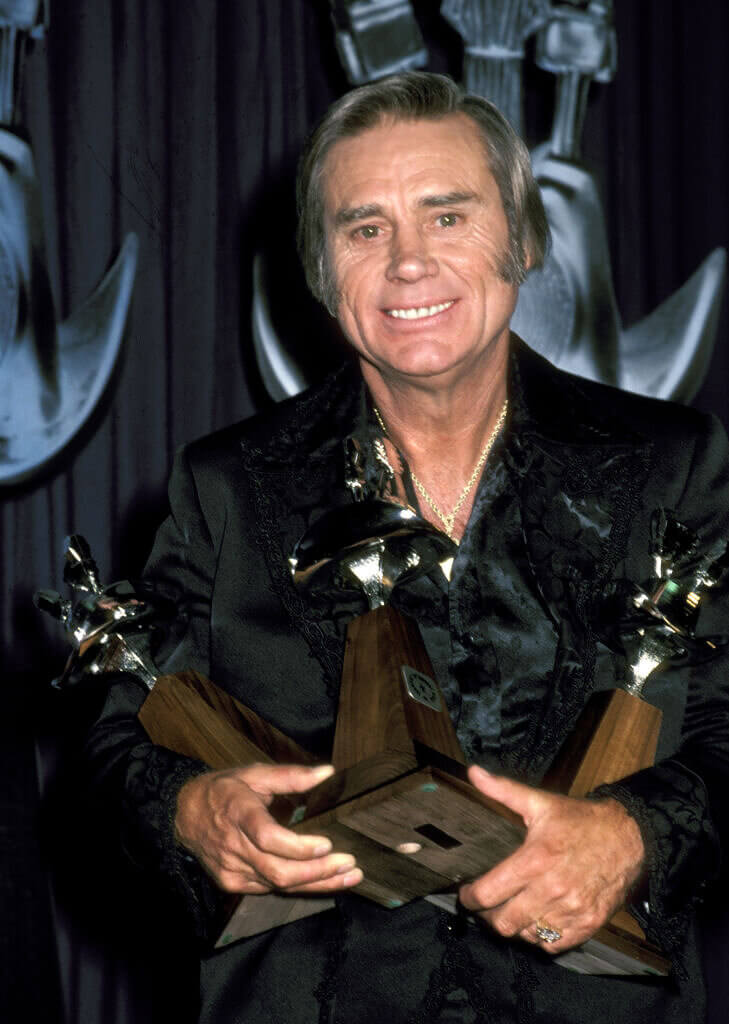
This quirky visual choice turned into a minor pop culture phenomenon, adding a layer of charming quirkiness to his troubled genius persona. Fans embraced the distinctive cut as simply another unique aspect of his complex character.
Carrie Underwood's 2000s Voluminous Blonde Blowout Required Extensive Teasing at the Crown
From the moment she captured the national spotlight in the mid-2000s, Carrie Underwood established herself as a powerhouse vocalist with flawless glamour. Her signature aesthetic was defined by a breathtaking, voluminous blonde blowout that practically radiated healthy shine and incredible bounce. Crafting this spectacular mane required extensive teasing at the crown and professional-grade smoothing serums to achieve the perfect balance of height and sleekness. This pristine, pageant-ready appearance immediately became a massive pop culture phenomenon, setting an incredibly high standard for modern red-carpet beauty.
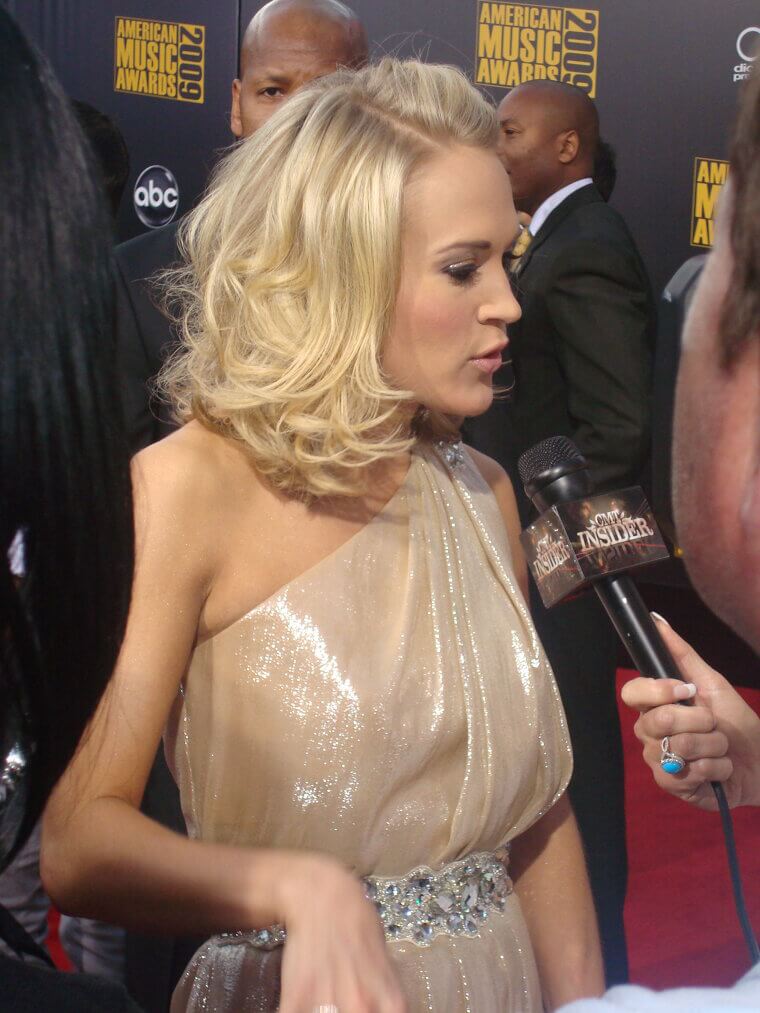
Her hair always looked incredibly dynamic, moving beautifully as she belted out her dramatic revenge anthems on stage. The consistently stunning styling solidified her permanent position as reigning royalty in the contemporary music landscape.
Barbara Mandrell's 1970s Layered Blonde Shag Blown Out With Early Electric Stylers
Throughout the 1970s, Barbara Mandrell dazzled television audiences with her energetic performances and cutting-edge fashion choices. Her hair was styled in a deeply layered, fluffy blonde shag that perfectly captured the breezy, dynamic spirit of the decade. Maintaining this voluminous, feathered texture required the extensive use of early electric hot air stylers and round brushes. This fresh, bouncy look quickly became a major pop culture phenomenon, influencing countless women who watched her popular variety show every week.
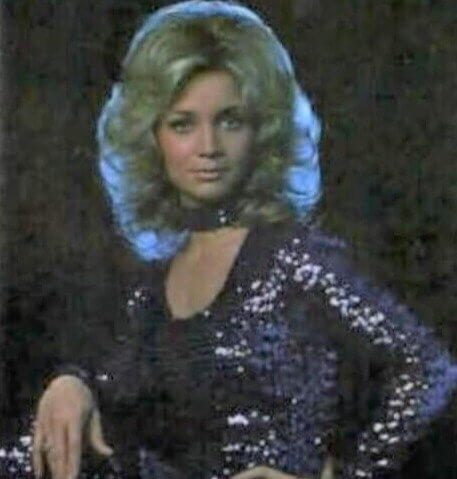
The movement of her layers accentuated her lively choreography and multi-instrumental stage routines. Her commitment to this modern, breezy aesthetic helped bridge the gap between traditional country audiences and mainstream pop culture sensibilities.
Trisha Yearwood's 1990s Massive Bangs Allegedly Rolled With Soda Cans for Extra Volume
Trisha Yearwood dominated the 1990s charts with her powerhouse vocals and her remarkably voluminous hairstyles. The defining feature of her early look was a set of massive, towering bangs that stood proudly above her forehead. According to popular styling rumors of the era, achieving such dramatic height allegedly involved rolling damp hair around empty aluminum soda cans before blow-drying. This spectacular display of volume quickly became a regional pop culture phenomenon, representing the absolute pinnacle of southern beauty standards at the time.
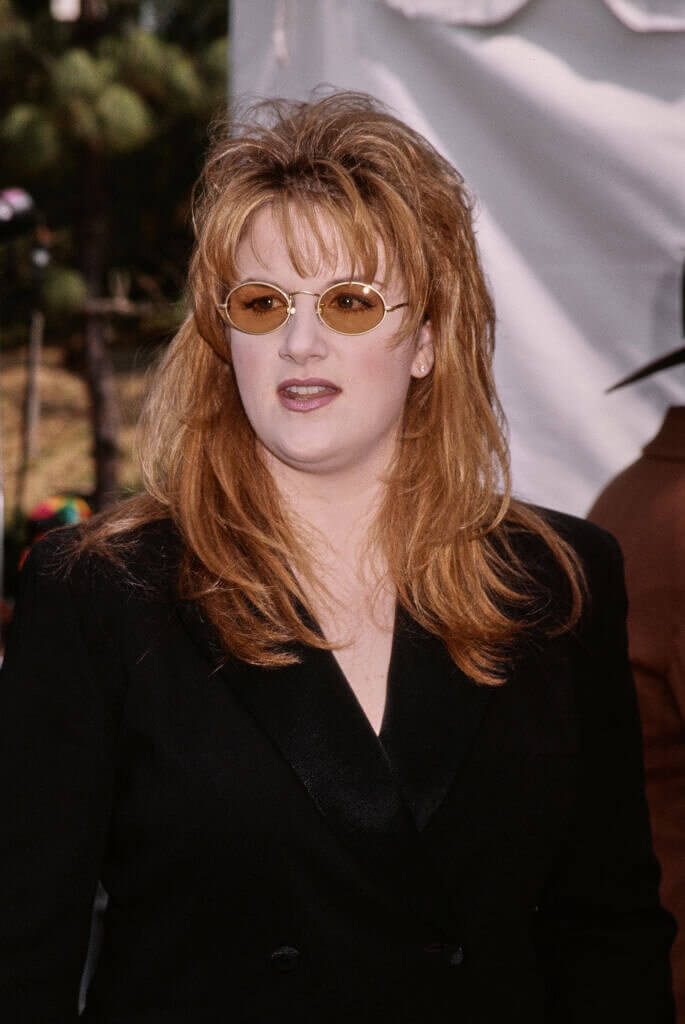
The sheer structural integrity required heavy applications of freezing spray to survive long concerts. Her glamorous, larger-than-life styling beautifully complemented the epic, sweeping nature of her biggest romantic ballads.
Joe Diffie's 1990s Pickup Man Mullet Reportedly Trimmed in the Back of His Tour Bus
Joe Diffie captured the fun, working-class spirit of 1990s radio with catchy anthems and an incredibly relatable visual aesthetic. His legendary look was affectionately dubbed the 'Pickup Man' mullet, featuring practical short sides and a remarkably thick cascade in the back. According to touring legends, this unfussy style was often reportedly trimmed in the back of his moving tour bus by band members using standard clippers. This incredibly authentic, blue-collar approach to grooming turned into a genuine pop culture phenomenon among rural audiences.
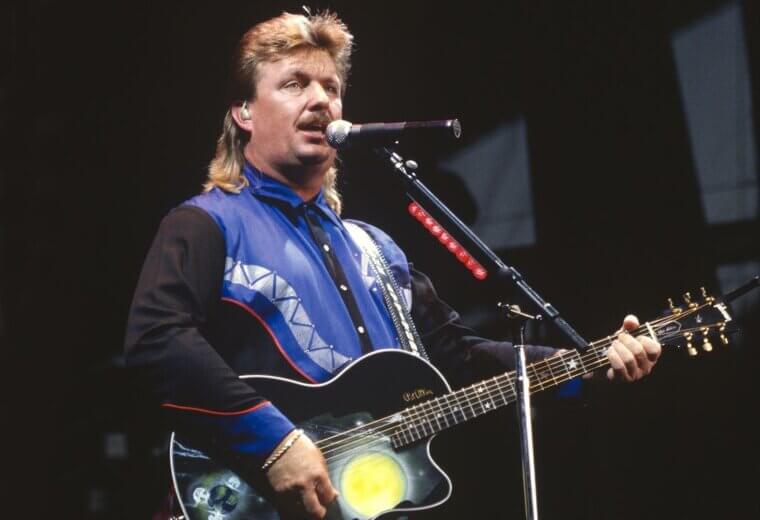
The hairstyle perfectly matched the lighthearted, everyday narratives found in his biggest hit singles. His legacy remains forever tied to that wonderfully unpretentious and culturally defining haircut.
Toby Keith's 1990s Curly Cowboy Mullet Tightly Permed for Maximum Stage Volume
Toby Keith exploded onto the scene in the early 1990s projecting fierce patriotism and a highly textured personal style. Underneath his trademark cowboy hat, he rocked a wildly curly mullet that burst outward at the sides and back. To ensure the curls remained resilient during sweaty, high-energy performances, his hair was tightly permed for maximum stage volume. This aggressive, larger-than-life aesthetic immediately became a massive pop culture phenomenon, perfectly matching the booming bravado of his vocal delivery.
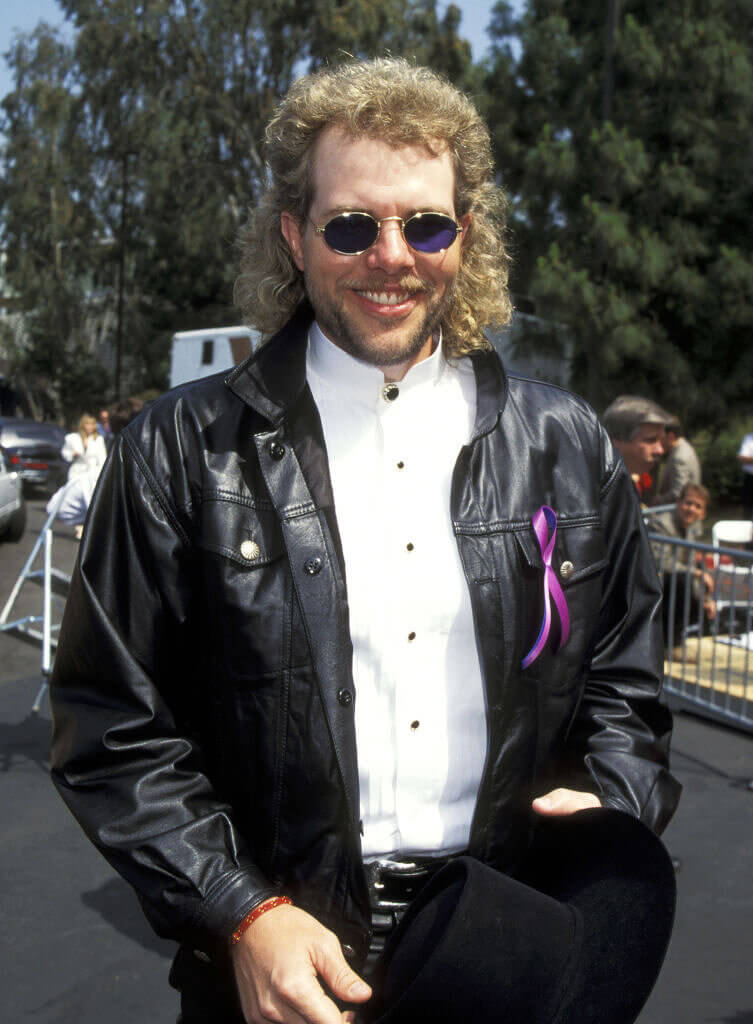
The striking silhouette he cast on stage helped establish him as an unstoppable force in the entertainment industry. The dedication to maintaining such a demanding chemical texture proved his deep commitment to his unique visual brand.
Kellie Pickler's 2000s Asymmetrical Blonde Bob Ironed Flat Before Every Single Show
Following her impressive debut on reality television in the late 2000s, Kellie Pickler emerged with a sleek, ultra-modern aesthetic that captivated audiences. Her signature look became a striking asymmetrical blonde bob, featuring dramatically longer pieces in the front that sharply angled toward the back. Achieving the necessary pin-straight, glossy finish required her hair to be meticulously ironed flat before every single concert or public appearance. This chic, geometric style turned into a notable pop culture phenomenon, inspiring countless viewers to request the daring cut at their local salons.
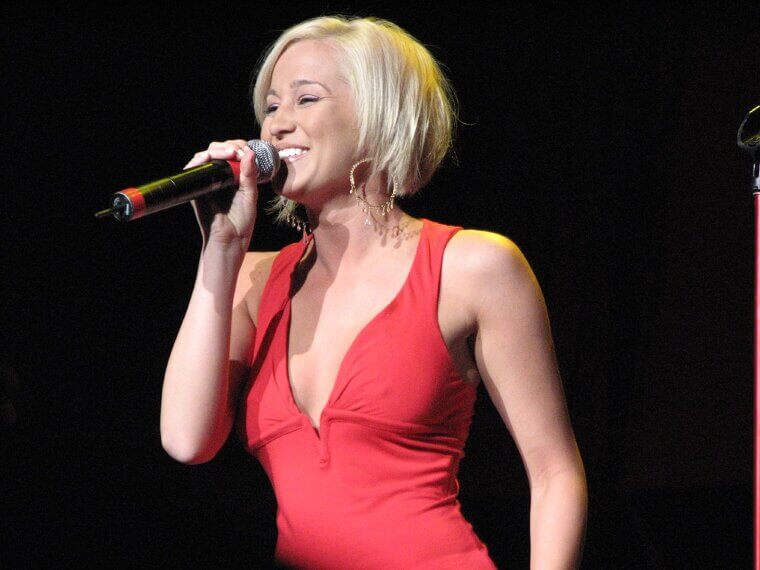
The polished look provided a fascinating visual contrast to her famously quirky and hilariously unpolished personality. Her commitment to this sharp design helped solidify her status as a legitimate crossover fashion icon.
Kenny Rogers's 1980s Silver Fox Beard and Sweep Reportedly Trimmed Weekly by a Specialist
Transitioning smoothly into the 1980s, Kenny Rogers fully embraced his mature aesthetic, transforming into the ultimate silver fox. His distinctive look featured a perfectly coiffed gray sweep paired with a meticulously groomed, matching beard. Ensuring the pristine shape and color consistency of both his hair and facial hair reportedly required weekly visits from a dedicated grooming specialist. This distinguished, fatherly appearance evolved into a massive pop culture phenomenon, making him one of the most recognizable faces in global entertainment.
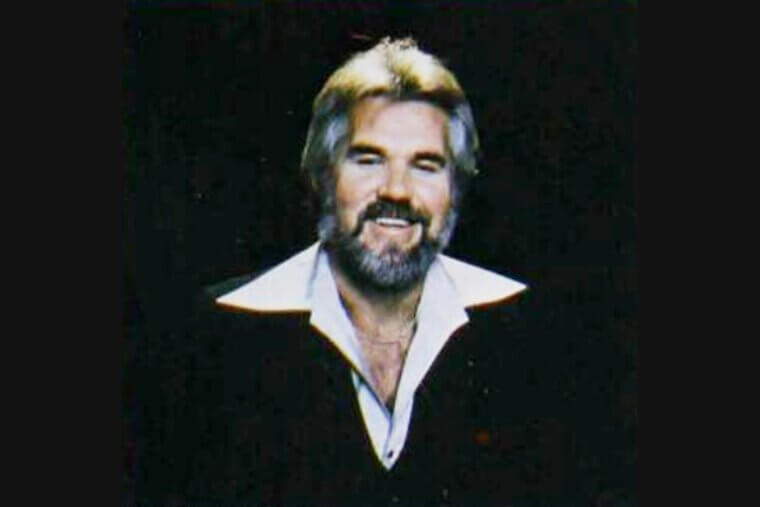
The soft, approachable styling perfectly matched his raspy, comforting vocal delivery on massive crossover ballads. His brilliant embrace of natural aging set a sophisticated new standard for male artists entering the later stages of their careers.
Tanya Tucker's 1970s Wild Tomboy Shag Air-Dried for a Rebellious Outlaw Look
Bursting onto the music scene as a fiery teenager in the 1970s, Tanya Tucker immediately distinguished herself with a raw, unpolished aesthetic. Her signature wild tomboy shag was famously low-maintenance, often simply air-dried to enhance its natural, messy texture and rebellious outlaw vibe. This deliberate lack of heavy styling was a bold choice that sharply contrasted with the highly constructed bouffants worn by older female artists. The edgy, carefree hairstyle rapidly became a pop culture phenomenon, perfectly matching her raspy vocals and surprisingly mature lyrical content.
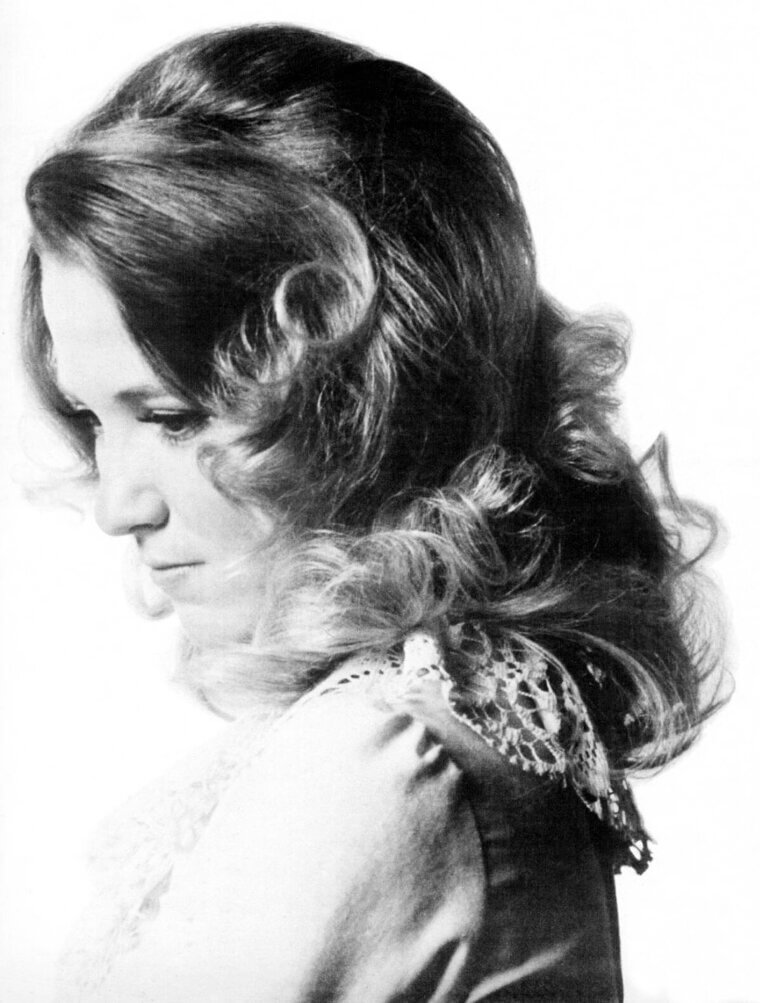
Young fans connected deeply with this authentic, rough-around-the-edges visual presentation. Her rugged styling laid the vital groundwork for future generations of independent, rule-breaking female musicians.
Tracy Lawrence's 1990s Feathered Cowboy Cut Styled With Copious Amounts of Mousse
Throughout the booming 1990s era, Tracy Lawrence delivered a string of massive traditional hits while sporting an immaculately groomed aesthetic. His signature feathered cowboy cut was a marvel of modern salon styling, featuring sweeping bangs that perfectly framed his face beneath his hat brim. Achieving this precise, wind-swept look required applying copious amounts of styling mousse and executing expert round-brushing techniques daily. This incredibly handsome, polished appearance evolved into a major pop culture phenomenon, making him a prominent heartthrob among dedicated fans.
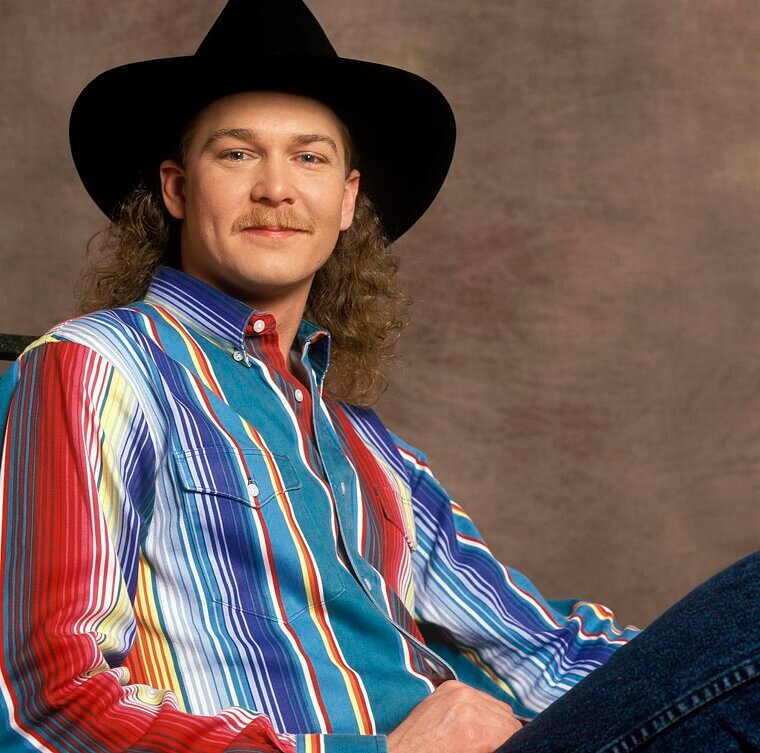
The careful architecture of his hair ensured he always looked camera-ready for high-profile television appearances and music videos. His commitment to such crisp, clean styling set a high bar for male fashion during that lucrative decade.
Martina McBride's 1990s Choppy Brunette Pixie Cut Required Frequent Trims on Tour
In a musical landscape largely dominated by massive perms and long flowing locks, Martina McBride made a striking visual statement in the late 1990s. She boldly chopped off her hair in favor of a sleek, choppy brunette pixie cut that highlighted her striking facial features. Keeping the short layers looking sharp and deliberate required incredibly frequent trims, even while traveling extensively on demanding national tours. This sophisticated, minimalist approach blossomed into a pop culture phenomenon, proving that female artists did not need huge hair to achieve massive success.
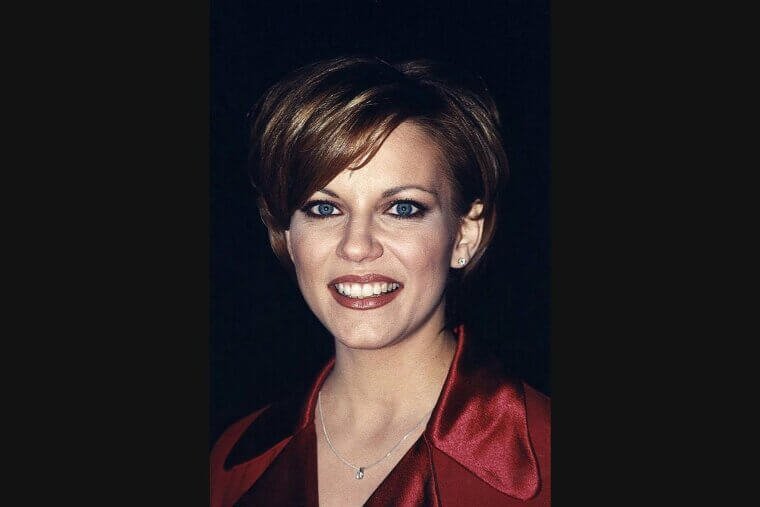
The clean aesthetic allowed her soaring soprano voice to remain the absolute center of attention during performances. Her chic styling remains a prime example of elegant modernism in the genre.
Porter Wagoner's 1960s Slick Blonde Pompadour Required Daily Setting Lotion
Known for his flashy rhinestone suits, Porter Wagoner also maintained one of the most meticulously groomed hairstyles of the 1960s. His bright blonde pompadour was a structural marvel that swept back elegantly from his forehead, glowing under television studio lights. Maintaining this immaculate wave required a strict daily regimen of specialized setting lotion and precise blow-drying techniques. This incredibly sharp look evolved into a pop culture phenomenon, complementing his role as a beloved television host and charismatic entertainer.
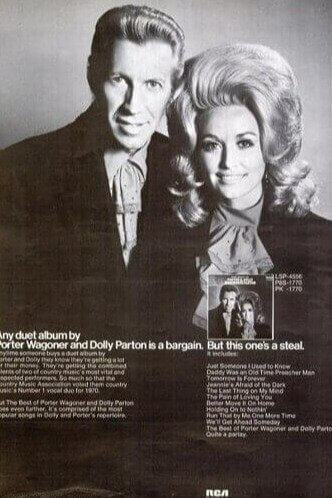
Viewers tuned in just as much for his dazzling visual presentation as for the fantastic musical guests. His dedication to such a pristine, unchanging appearance made him a truly unforgettable figure in the golden age of Nashville.
Naomi Judd's 1980s Swept-Back Auburn Waves Meticulously Color-Matched to Wynonna
Complementing her daughter on stage, Naomi Judd brought a sense of classic Hollywood elegance to the 1980s with her elegant swept-back auburn waves. Her sophisticated hairstyle was carefully constructed to look effortlessly glamorous, providing a smooth contrast to Wynonna's wilder curls. Interestingly, her hair color was allegedly meticulously color-matched by professionals to ensure they looked visually cohesive as a musical duo. The daily effort to maintain these sweeping, romantic waves involved hot rollers, precise teasing, and a generous misting of shine spray.
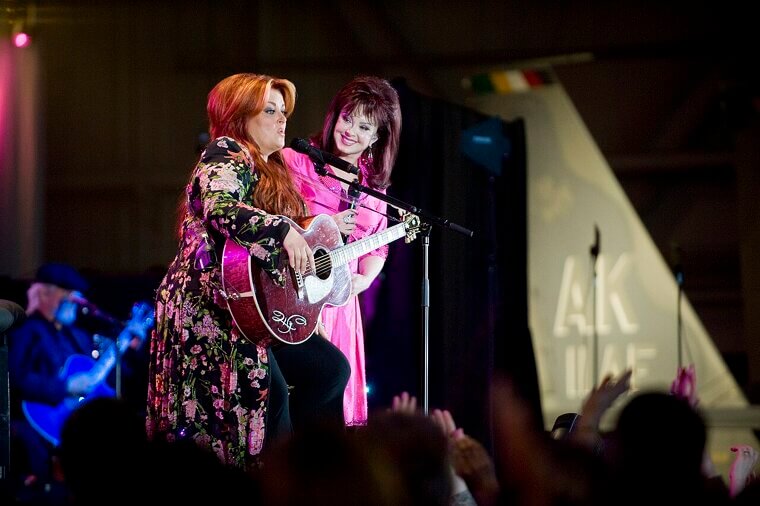
Their combined visual presentation became a massive pop culture phenomenon, redefining the look of family acts in the industry. Her refined styling remains a touchstone for classic, mature elegance.
Travis Tritt's 1990s Feathery Mullet Strictly Blow-Dried Without Ever Wearing a Hat
Travis Tritt brought a heavy dose of southern rock energy to the early 1990s, completely eschewing the traditional cowboy image. His most recognizable physical trait was a glorious, feathery mullet that flowed freely without the constraint of a Stetson. Maintaining the fluffy, separated texture of his layers meant his hair was strictly blow-dried and never crushed beneath a hat, a rare choice for male stars at the time. This rebellious refusal of standard headwear turned his hairstyle into a significant pop culture phenomenon, aligning him with the gritty outlaw tradition.
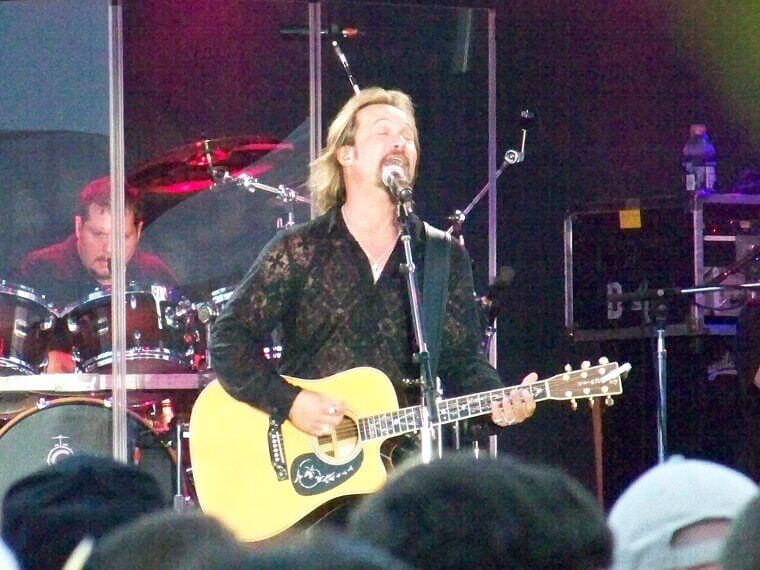
Fans loved the way his mane whipped around during high-energy guitar solos. His distinct aesthetic firmly established him as a proud outsider in a highly formatted industry.
Vince Gill's 1990s Neatly Trimmed Mullet Smoothed Out With a Very Light Pomade
Vince Gill was widely celebrated in the 1990s for his angelic tenor voice, breathtaking guitar skills, and incredibly polished appearance. He sported a neatly trimmed, conservative variation of the mullet that managed to look both professional and deeply authentic. Keeping this refined style looking sharp required careful scissor work and smoothing the sides with a very light, non-greasy pomade. This subtle, gentlemanly look became a quiet pop culture phenomenon, perfectly reflecting his reputation as the nicest man in the music business.
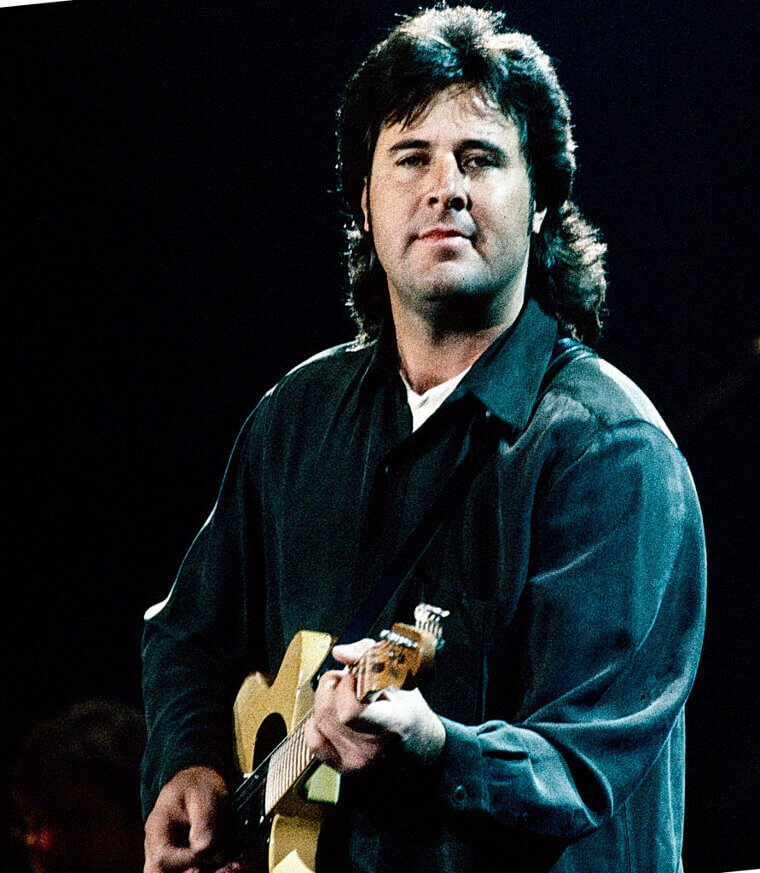
The clean aesthetic appealed strongly to traditionalists who appreciated his respectful approach to the genre's history. His consistently neat appearance mirrored the flawless execution of his award-winning musical performances.
Garth Brooks's 1990s Hat-Hair Ringlets Only Visible at the Nape of His Neck
Garth Brooks revolutionized the entertainment scale of live concerts in the 1990s while maintaining a surprisingly mysterious personal hairstyle. Because his signature cowboy hat was virtually permanently attached to his head in public, fans only ever saw the tight ringlets curling at the nape of his neck. This unique situation meant his grooming efforts were largely focused on ensuring those specific lower curls looked tidy and intentional. The hidden nature of his full head of hair became a playful pop culture phenomenon, sparking endless curiosity among his massive global fanbase.
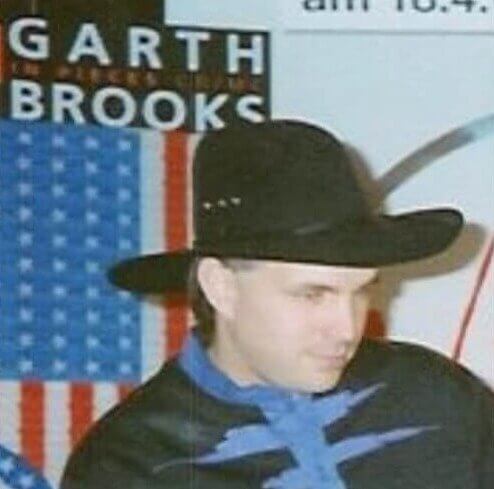
This strategic visual branding kept the focus entirely on his electrifying performance energy rather than fashion trends. The deliberate styling choice proved that sometimes what you conceal is just as intriguing as what you reveal.
Kacey Musgraves's 2010s Retro Bouffant Modernized With Subtle Hidden Extensions
Kacey Musgraves brought a refreshing dose of vintage charm to the 2010s with her incredibly clever styling choices and witty lyrical content. She frequently rocked a gorgeous retro bouffant that heavily paid homage to the legendary stars of the 1960s. However, to bring the historical look up to modern red-carpet standards, the style was secretly modernized with subtle hidden extensions for added thickness and length. This brilliant fusion of old-school glamour and contemporary technique became a beloved pop culture phenomenon among fashion enthusiasts.
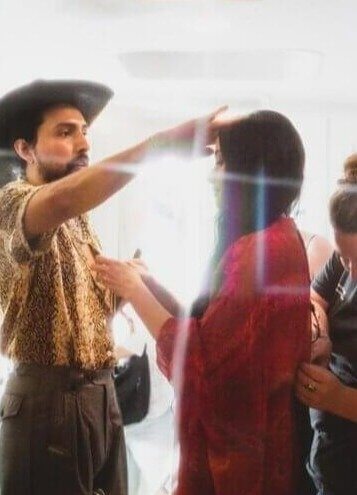
Fans adored how her aesthetic perfectly mirrored the nostalgic yet progressive tone of her critically acclaimed albums. Her dedication to preserving classic silhouettes while pushing boundaries makes her a truly unique modern icon.
Miranda Lambert's 2010s Choppy Blonde Lob Textured With Dry Shampoo for Extra Grit
Miranda Lambert has always projected a fierce, independent spirit, and her 2010s hairstyle perfectly encapsulated her trademark gritty attitude. She popularized a stylish, choppy blonde lob that hovered just above her shoulders, offering a distinctly rock-and-roll edge. To achieve the deliberately messy, lived-in appearance, her stylists heavily textured the layers using generous amounts of dry shampoo to add significant grit and volume. This delightfully imperfect look quickly evolved into a massive pop culture phenomenon, heavily appealing to women who wanted a chic but low-maintenance aesthetic.
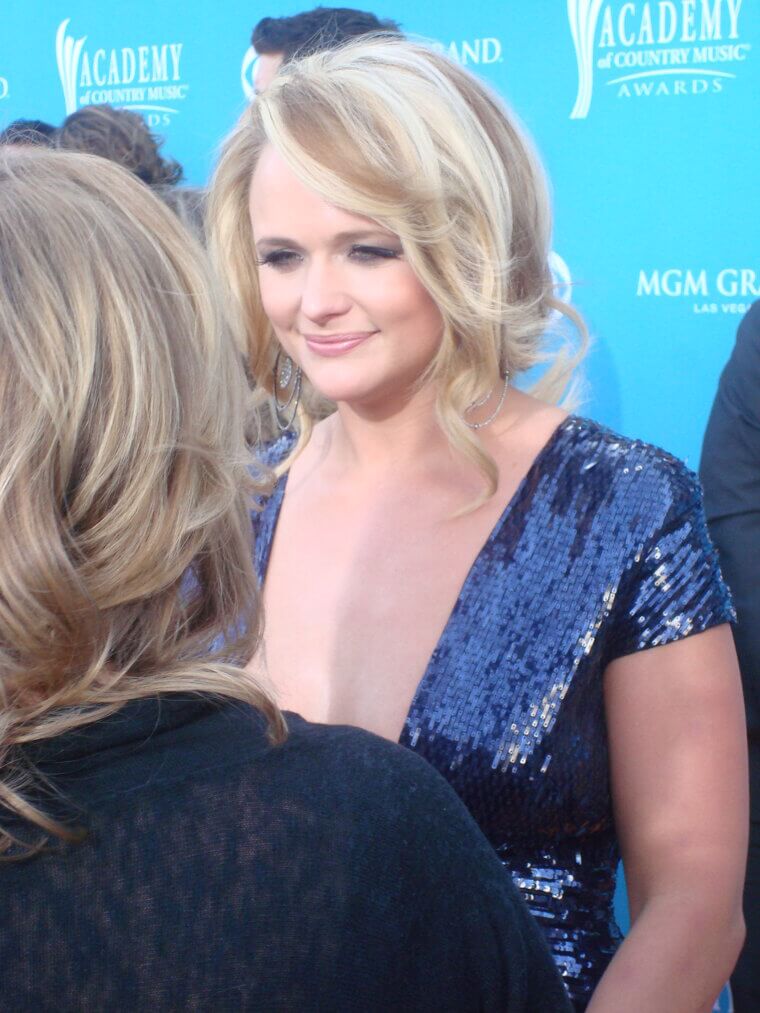
The relaxed hairstyle beautifully complemented her fiery, guitar-driven performances and unapologetic lyrical narratives. Her effortless approach to beauty continues to inspire fans to embrace their own natural, rebellious textures.