
Fame might seem like the ultimate dream, but for some Nashville legends, the bright lights eventually lost their shine. From prioritizing family to prioritizing health, discover why these iconic country stars chose to walk away from the spotlight!
Garth Brooks Stepped Down to Raise His 3 Daughters
The stadium-filling superstar stunned fans around the globe in 2000 by announcing a sudden retirement right at the zenith of his commercial peak. He walked away from grueling promotional tours and endless recording sessions because he wanted to focus on raising his kids in Oklahoma. Being a reliable, everyday father reportedly mattered far more to him than securing another platinum record or industry award. He honored that promise, largely avoiding public appearances until his youngest child finished high school.
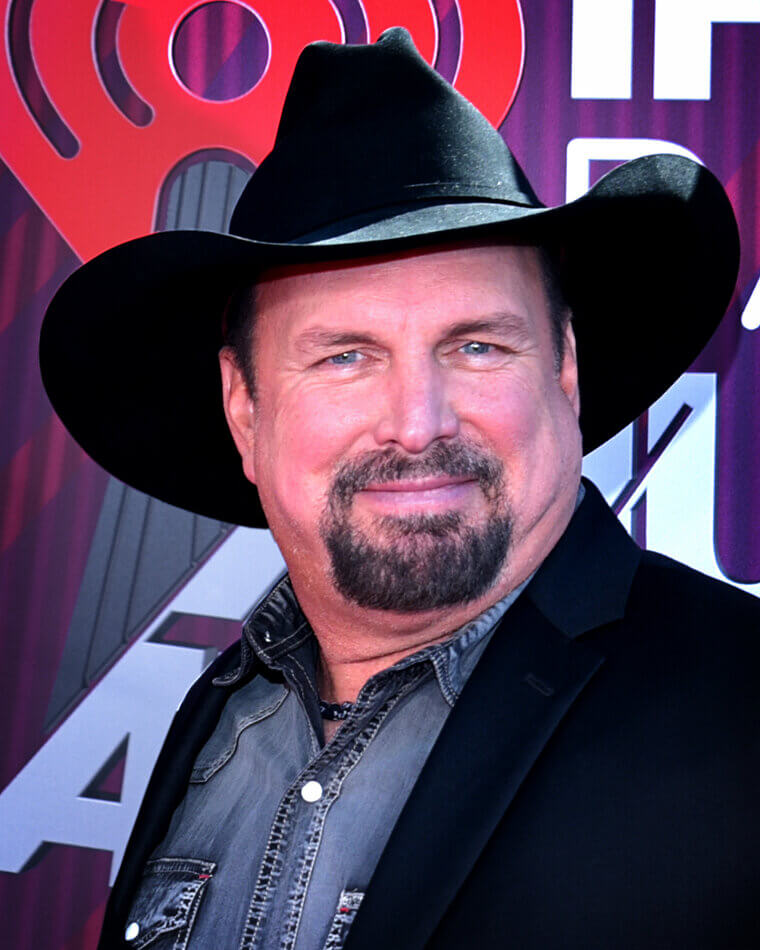
During this extended break, he embraced a surprisingly ordinary routine, making daily school lunches and cheering from the sidelines at youth soccer matches. Choosing family over global adoration stands as a defining chapter in his legacy.
Bobbie Gentry Vanished to Pursue a Strictly Private Existence
An overnight sensation in 1967 thanks to her enigmatic song about the Tallahatchie bridge, this talented singer-songwriter eventually grew exhausted by constant media attention. By the late 1970s, she made the conscious choice to exit the entertainment sphere for good, leaving behind demanding schedules and flashing cameras. Seeking peace, she stopped giving interviews, recording new music, and performing live concerts. She successfully disappeared from the public gaze, establishing a highly guarded daily routine that left journalists and fans endlessly curious.
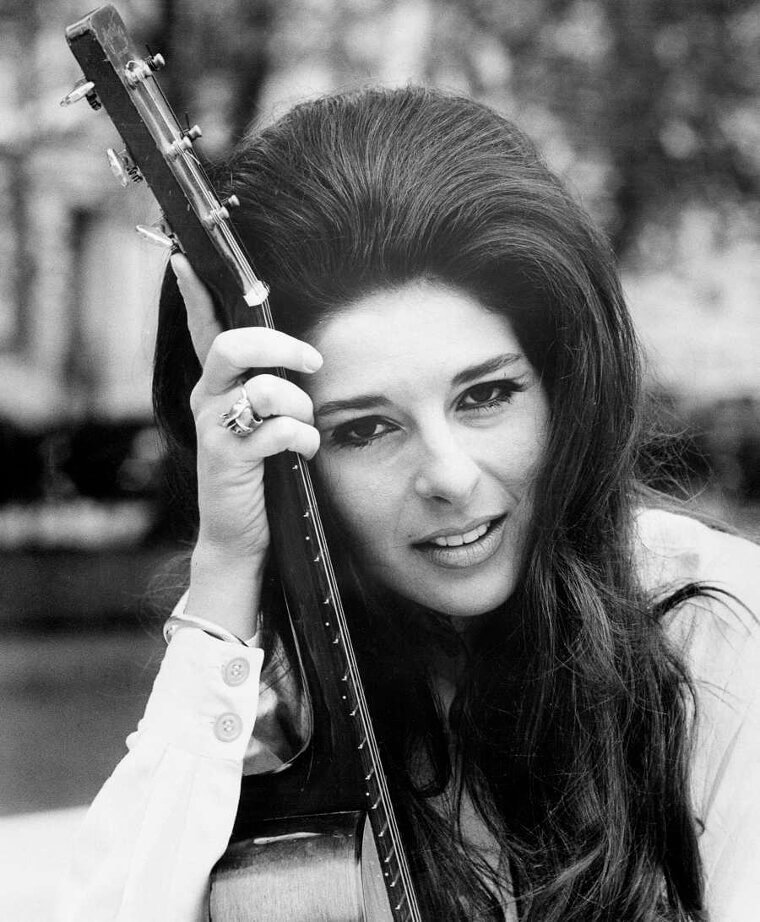
Despite fielding numerous lucrative offers to perform again or write a memoir, she maintained firm personal boundaries. Choosing anonymity over enduring celebrity solidified her status as a fascinating, mysterious icon.
Shania Twain Paused Touring to Battle Vocal Cord Dysphonia
After ruling the international pop and country charts throughout the late 1990s, this beloved Canadian artist vanished from the spotlight. She stepped back from massive stadium tours after receiving a diagnosis of dysphonia, a physical condition reportedly triggered by a severe bout of Lyme disease. The illness compromised her vocal abilities, necessitating a lengthy hiatus to allow for intense physical healing and rehabilitation. During her prolonged break from performing, she relocated to Switzerland to raise her son away from the relentless paparazzi.

It required years of grueling therapy before she felt comfortable singing for an audience again. Her forced hiatus underscored the harsh physical realities that top-tier entertainers often face.
Barbara Mandrell Left the Stage Following a Severe Highway Collision
Once among the most visible entertainers on television and radio, this versatile performer reevaluated her entire world after a terrifying event. In 1984, she survived a horrific head-on automobile accident that resulted in extensive injuries and required a difficult, painful recovery period. While she did eventually make a brief return to the stage, the trauma reportedly altered her long-term goals. By 1997, she officially declared her retirement from the music business to prioritize her husband and children.
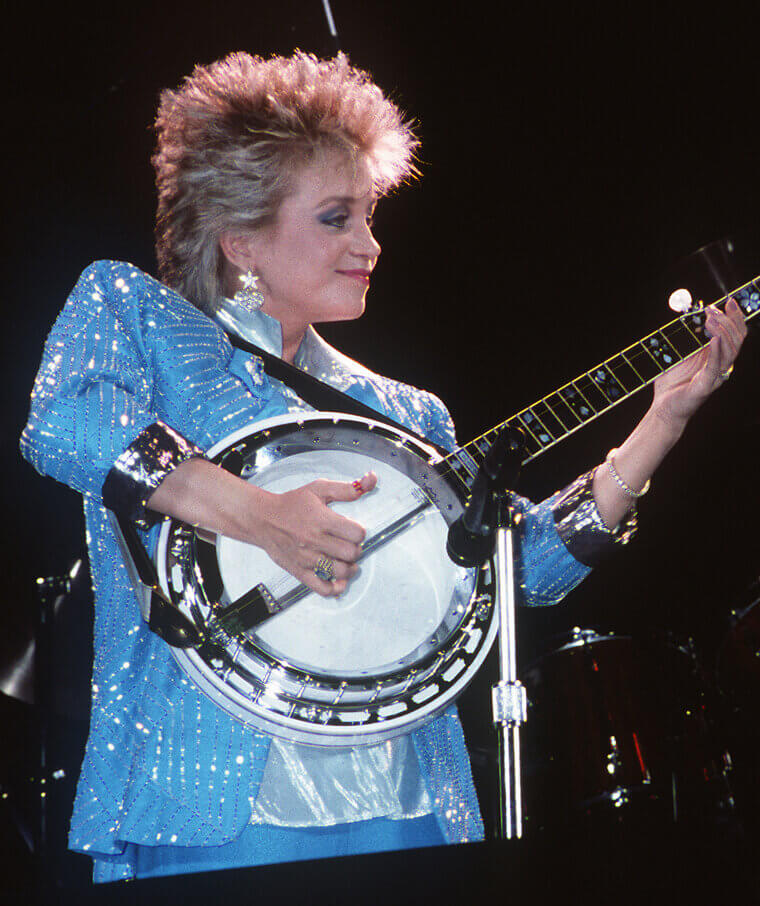
She left her thriving career behind with zero regrets, trading the exhausting reality of tour buses for the comfort of her own home. Her dramatic exit inspired peers to reconsider their own work-life harmony.
Ricky Van Shelton Quit the Industry to Enjoy Life at Home
Throughout the late 1980s and early 1990s, this traditionalist crooner dominated radio airwaves with a consistent string of chart-topping hits. Even with abundant commercial success, he chose to abandon the demanding concert circuit in 2006. Telling his devoted fanbase about his retirement, he cited an overwhelming urge to spend his remaining years relaxing with his family. He reportedly grew exhausted by the endless travel and immense pressure that accompanies maintaining a high-profile public image.
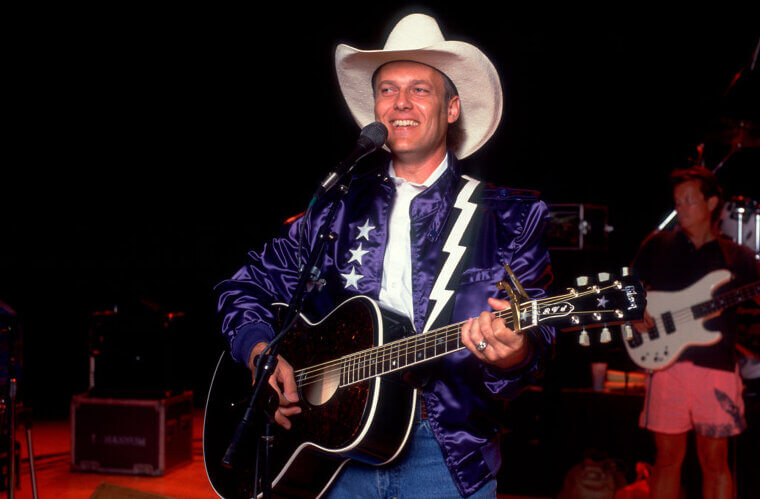
After packing away his guitar for good, he embraced a quiet existence, eventually authoring a series of well-received children's books. Knowing exactly when to bow out gracefully remains a notable hallmark of his professional journey.
George Strait Halted Regular Tours for a Slower Paced Routine
Decades of relentless cross-country travel and recording sessions earned this Texan the undeniable title of King of Country. However, he signaled a massive shift in his professional trajectory in 2012 by announcing his final official, large-scale tour. He sought an escape from the exhausting cycle of daily travel so he could dedicate more time to his wife and grandchildren. He reportedly felt satisfied with his immense list of achievements and craved a significantly more relaxed lifestyle.
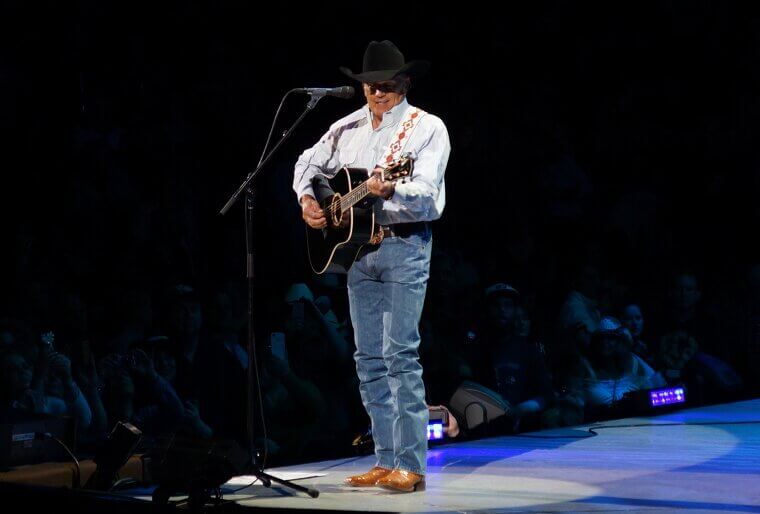
While he still occasionally books select weekend stadium shows, the days of living on a bus for months on end are firmly in the past. This transition let him preserve his artistic legacy while finally prioritizing personal contentment.
Naomi Judd Retreated From Performing After a Hepatitis C Diagnosis
Unstoppable momentum defined this matriarch’s 1980s run alongside her daughter Wynonna, resulting in countless awards and sold-out arenas. Their legendary partnership stopped abruptly in 1991 when she revealed a serious Hepatitis C diagnosis to the world. Battling the severe illness meant she had to abandon the rigorous lifestyle of a touring musician to focus on survival and medical treatments. Stepping away from the stage, she began a complicated health journey that resonated with concerned fans everywhere.
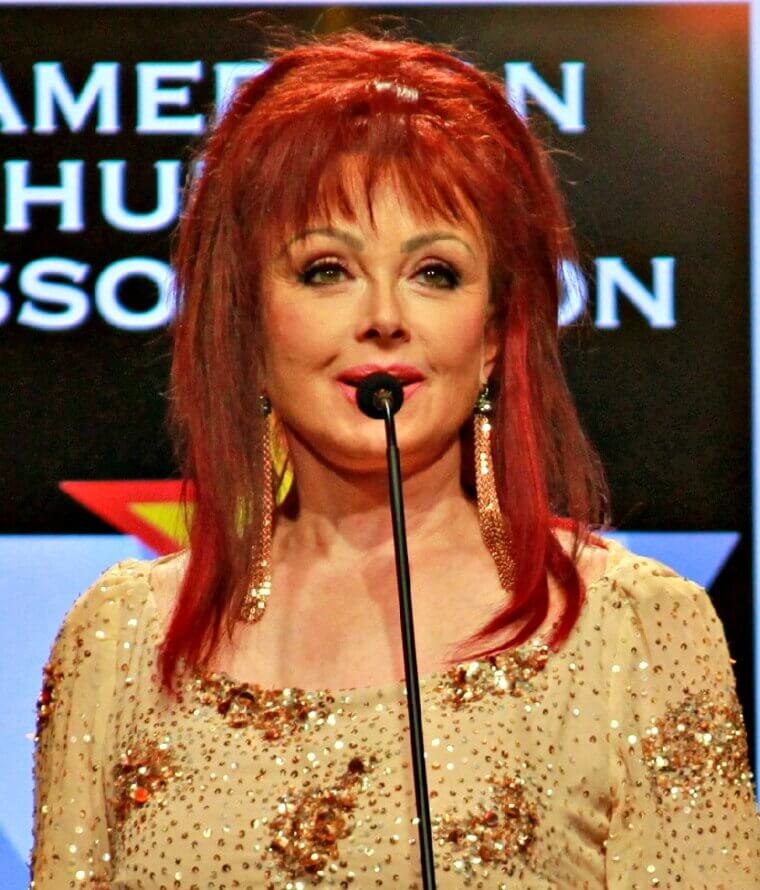
She channeled her remaining energy into writing books and delivering motivational speeches, advocating for emotional wellness. Her involuntary exit highlighted how quickly fame can be sidelined by a sudden health crisis. She remained a revered figure until her eventual passing.
Randy Travis Ended Active Concerts Following a Massive Stroke
Widely credited with revitalizing traditional sounds in the 1980s, this iconic baritone enjoyed a celebrated career filled with platinum records. His time as an active touring artist concluded unexpectedly in 2013 when a viral cardiomyopathy diagnosis led to a devastating stroke. The massive medical emergency severely impaired his physical mobility and tragically took away his legendary singing voice. He had to leave his recording career behind to face years of intense physical and speech therapy.
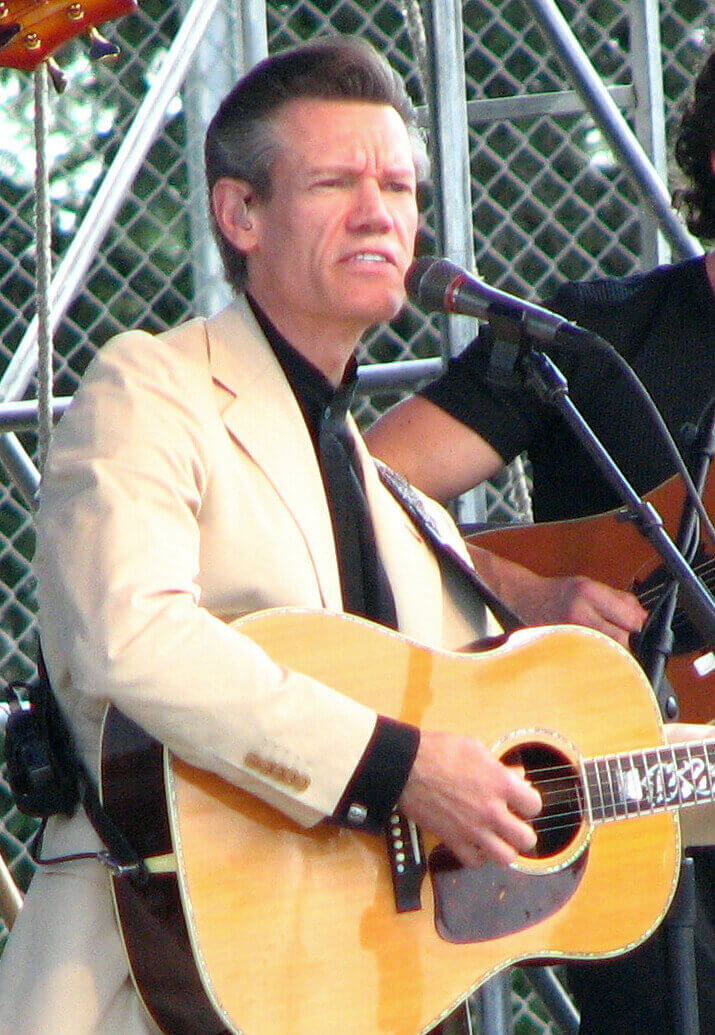
Despite facing such a monumental setback, he reportedly kept a positive mindset with the unwavering support of his wife. Although traditional touring is no longer possible, his musical influence continues shaping new generations of singers.
Cyndi Thomson Walked Away Due to the Overwhelming Pressures of Stardom
Listeners instantly connected with this young artist in 2001, pushing her debut album to remarkable commercial heights right out of the gate. However, the dizzying speed of her rise to fame quickly proved far more stressful than she ever imagined. Just 1 year after scoring a breakout hit, she shocked her record label by walking away from her lucrative recording contract. She reportedly felt crushed by the heavy obligations and intense scrutiny that came with sudden celebrity status.

Opting to prioritize mental well-being, she chose a calm, private existence over the chaotic whirlwind of the entertainment machine. Her bold retreat shed light on the often-hidden emotional toll the industry exacts on newcomers.
Holly Dunn Left Music Behind to Become a Landscape Painter
A distinctive voice and relatable songwriting propelled this artist to significant fame during the late 1980s and early 1990s. After spending years navigating the standard cycle of recording studios and tour buses, her passion for the music business began to fade. In 2003, she formally announced she was retiring from singing to dedicate her life to the visual arts. Relocating to the Southwest, she poured her creative energy into painting vibrant landscapes and historical scenes.
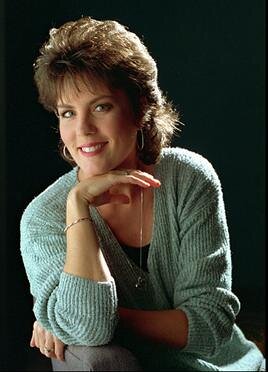
She reportedly discovered profound tranquility in her art studio, contrasting sharply with the noisy environment of concert venues. She stayed devoted to her gallery work until sadly passing away from ovarian cancer in 2016.
Charly McClain Chose Her Marriage Over Maintaining a Mainstream Career
Known for her glamorous style and smooth vocal delivery, this prominent 1980s star maintained a steady presence on the charts for years. Despite her ongoing success, she found herself yearning for a simpler lifestyle away from the blinding glare of the media. Following her marriage to former television actor Wayne Massey, she started scaling back her various professional commitments. By the early 1990s, she made the resolute decision to stop recording and touring so she could concentrate on her household.
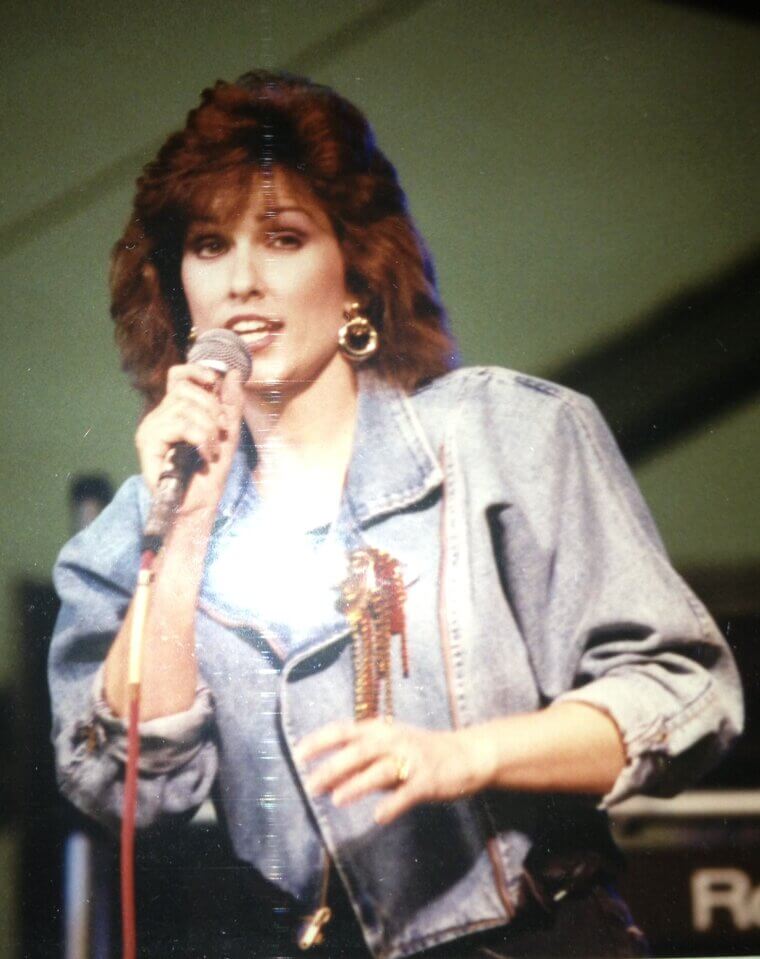
She reportedly wanted to experience the joys of domesticity without constant interruptions from travel demands. Her quiet departure left many fans hoping for a comeback, but she never voiced any regrets.
Sylvia Abandoned the Charts to Become a Certified Life Coach
Achieving massive crossover appeal in 1982 with a catchy tune about a fictional operator, she quickly became a household name. As the decade progressed, however, she felt increasingly disconnected from the relentless machinery of the commercial music world. Searching for a more profound sense of purpose, she walked away from her major label contract to pursue different passions. She eventually forged a new path as a certified life coach, assisting others through their own personal and professional transitions.

She reportedly derived immense satisfaction from guiding people, utilizing her own unique experiences with fame. While she did eventually release independent records, her pursuit of mainstream pop-country stardom was permanently over.
Shelly West Stepped Back to Focus on Motherhood
Carrying on the musical legacy of her famous mother, this talented vocalist burst onto the scene in the early 1980s. She garnered industry awards and critical acclaim through both solo releases and highly popular duet partnerships. Yet, the grueling realities of life on the road began clashing with her strong desire to be an involved parent. Following major personal milestones, including marriage and welcoming children, she slowly retreated from the public eye.
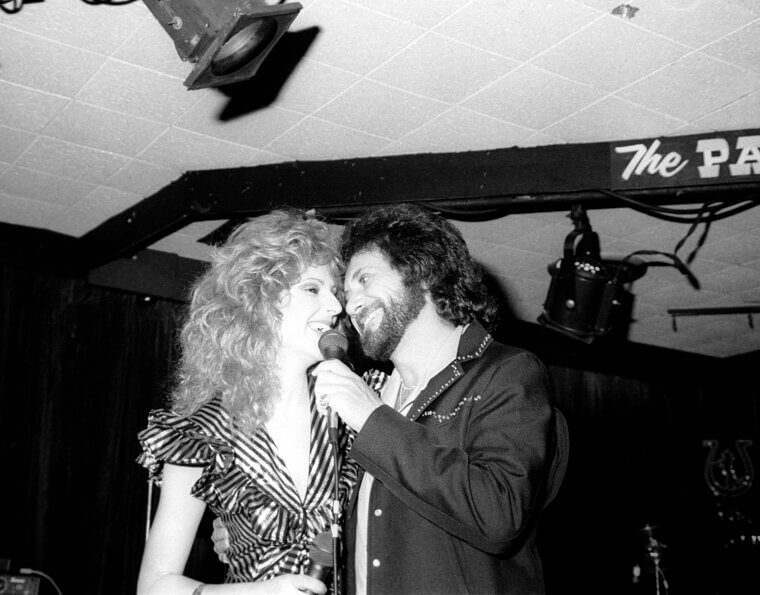
She reportedly favored the stability of a stationary home life over sleeping on a moving tour bus. Prioritizing her family effectively closed the door on her mainstream career, though her classic tracks remain beloved by traditionalists.
Don Williams Retired to Rest During His Twilight Years
Affectionately dubbed the Gentle Giant, this revered artist captivated audiences worldwide with his soothing baritone and incredibly laid-back stage presence. After dedicating more than 4 decades to writing and performing, he declared his official retirement from the industry in 2016. He decided it was time to hang up his signature hat, citing a profound need to rest at his farm. He reportedly dealt with several lingering health issues that made maintaining a touring schedule too physically demanding.

Spending his final months living quietly alongside his wife, he escaped the bright lights he had known for so long. He passed away peacefully in 2017, leaving a rich catalog of timeless music behind.
Glen Campbell Ceased Performing Following an Alzheimer's Diagnosis
Spanning multiple genres and decades, this virtuosic guitar player and singer enjoyed one of the most prolific careers in American music. His ability to entertain came to a heartbreaking halt after receiving a formal Alzheimer's disease diagnosis in 2011. Rather than hide away immediately, he embarked on a highly emotional farewell tour to share 1 last connection with his loyal fans. As his cognitive abilities declined, he had to leave the stage permanently, moving into a specialized facility for full-time medical care.
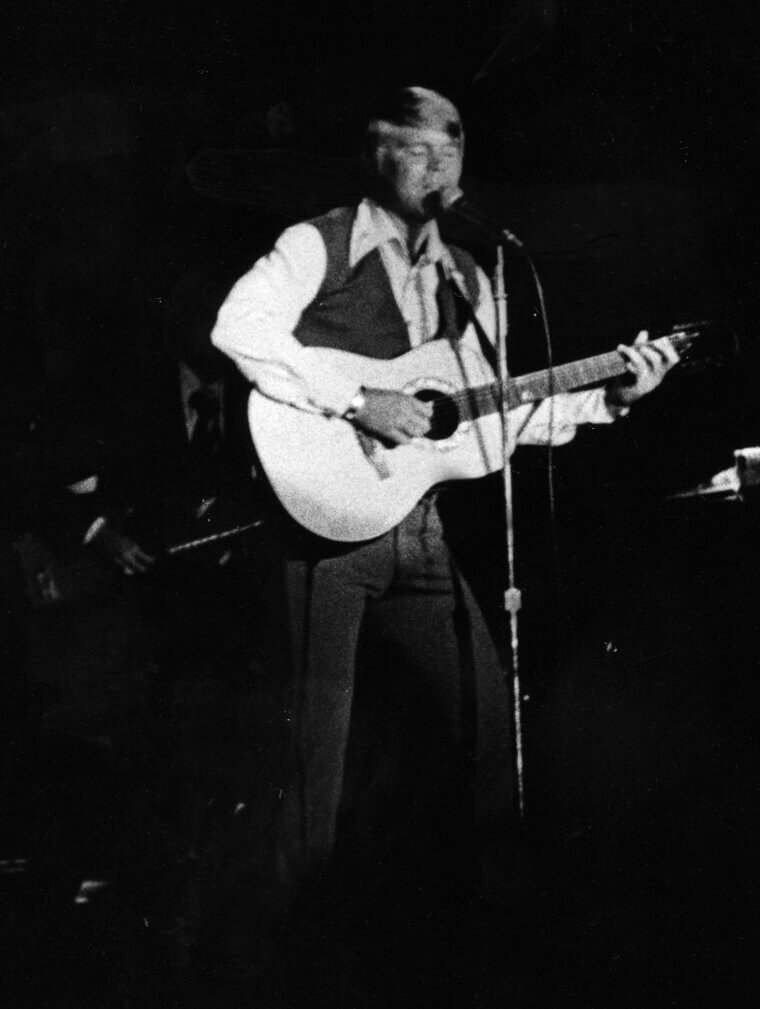
His family reportedly documented his final chapter to educate the public about the devastating reality of memory loss. His involuntary departure remains an incredibly poignant moment in entertainment history.
Kellie Pickler Paused Her Career After Experiencing a Devastating Loss
Building a solid foundation in both music and daytime broadcasting, this vibrant personality initially charmed audiences on reality television. Her sunny public demeanor changed drastically following the tragic and sudden passing of her husband in 2023. Overcome by grief, she immediately withdrew from the public eye to navigate her immense emotional pain in private. She stepped away from her daily radio hosting duties and indefinitely suspended any plans for live concerts or new music releases.

Colleagues reportedly respected her firm boundary, allowing her the necessary space to heal without media intrusion. Her sudden absence serves as a stark reminder that even the brightest stars are vulnerable to profound, life-altering heartbreak.
Joey Feek Ended Concerts Due to a Terminal Cancer Battle
Capturing hearts with authentic farmhouse aesthetics and beautiful harmonies, she made up 1 half of a beloved husband-and-wife duo. Their flourishing career was brutally cut short when doctors diagnosed her with an aggressive form of cervical cancer. Despite enduring rigorous medical treatments, the disease progressed rapidly, forcing her to abandon all future touring and recording aspirations. She bravely opted to spend her remaining time at home in hospice care, surrounded by her husband and young daughter.
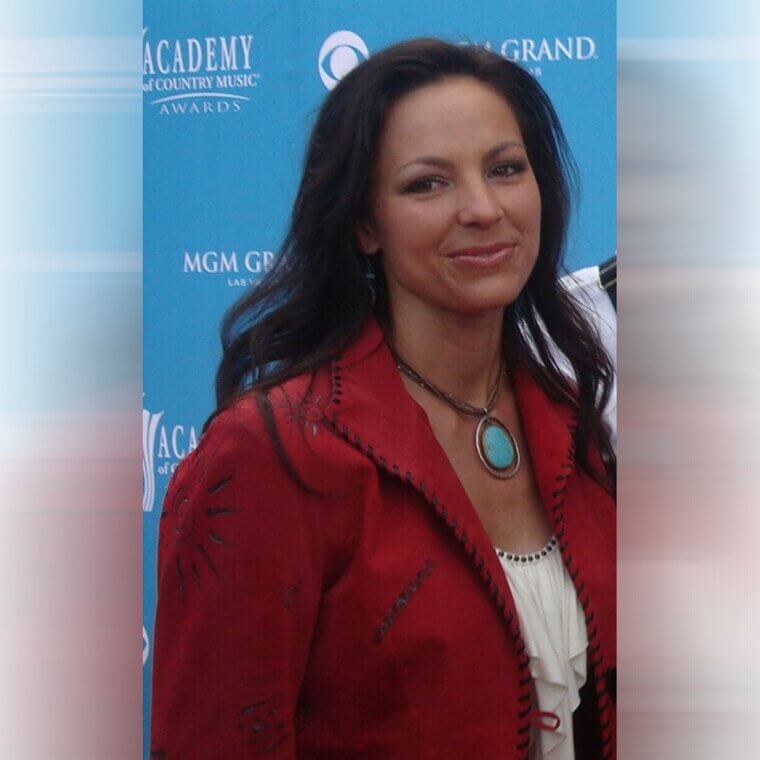
The couple reportedly documented their painful journey on a blog, transforming their tragedy into a message of unwavering faith. She passed away in 2016, leaving an enduring mark on the tight-knit Nashville community.
Hal Ketchum Retreated to Texas After Facing Early-Onset Dementia
Bringing an introspective, folksy edge to 1990s radio, this talented storyteller earned a deeply devoted following. Following years of consistent touring, audiences started noticing subtle struggles during his live acoustic performances. In 2019, his family shared the tragic explanation behind his difficulties, revealing he had been diagnosed with early-onset dementia. The progressive neurological condition hampered his cognitive function and memory, making it impossible to continue his life as a musician. He retired completely, returning to his Texas home to receive around-the-clock care from his loved ones.

He reportedly handled the loss of his abilities with remarkable grace. He passed away the following year, leaving behind a rich musical legacy.
Charlie Rich Shunned the Limelight for a Quiet Memphis Life
Known as the Silver Fox, this sophisticated performer delivered heavily orchestrated crossover hits throughout the 1970s. Despite achieving monumental commercial triumphs and widespread acclaim, he never felt entirely comfortable with the resulting fame. Possessing a naturally shy disposition, he found the intense media scrutiny and demanding concert schedules physically and mentally exhausting. By the 1980s, he made the deliberate choice to abandon the mainstream machine in favor of a semi-retired existence in Tennessee.
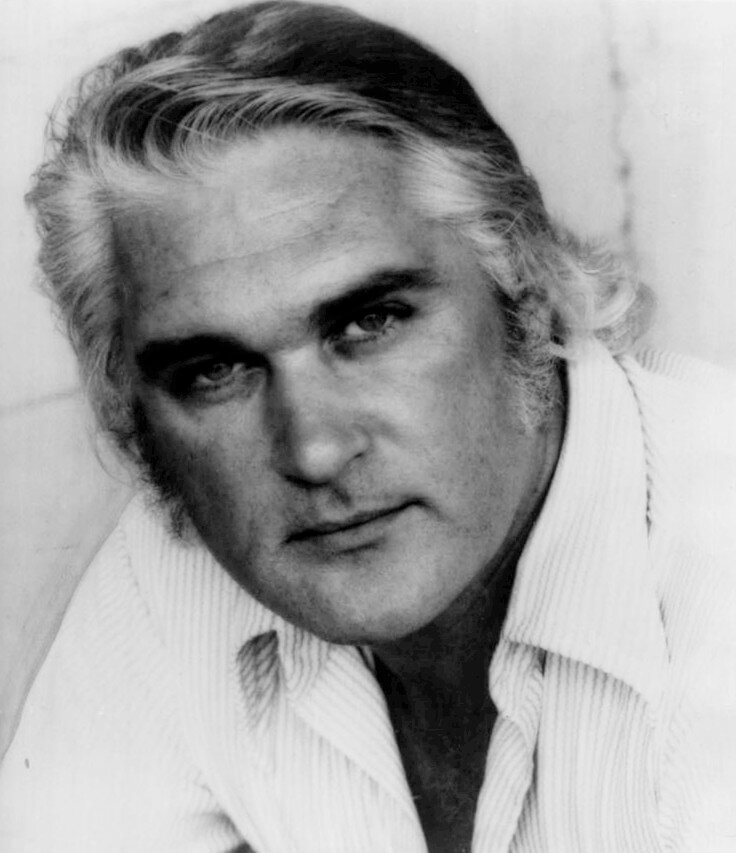
He reportedly preferred spending his days reading literature and playing the piano strictly for his own amusement. This lifestyle change allowed him to reclaim his privacy before his sudden passing in 1995.
Faith Hill Scaled Back Solo Music to Raise Her Children
Reigning as a top-tier female vocalist in the late 1990s, she shattered numerous chart records and headlined massive arena tours. As her 3 daughters grew older, she decided to drastically reduce her individual professional commitments to be a present parent. She stopped launching extensive solo tours and ceased releasing regular studio albums, shifting her focus to daily family life. She reportedly believed the fleeting years of her kids' youth were more important than maintaining a top spot on the charts.
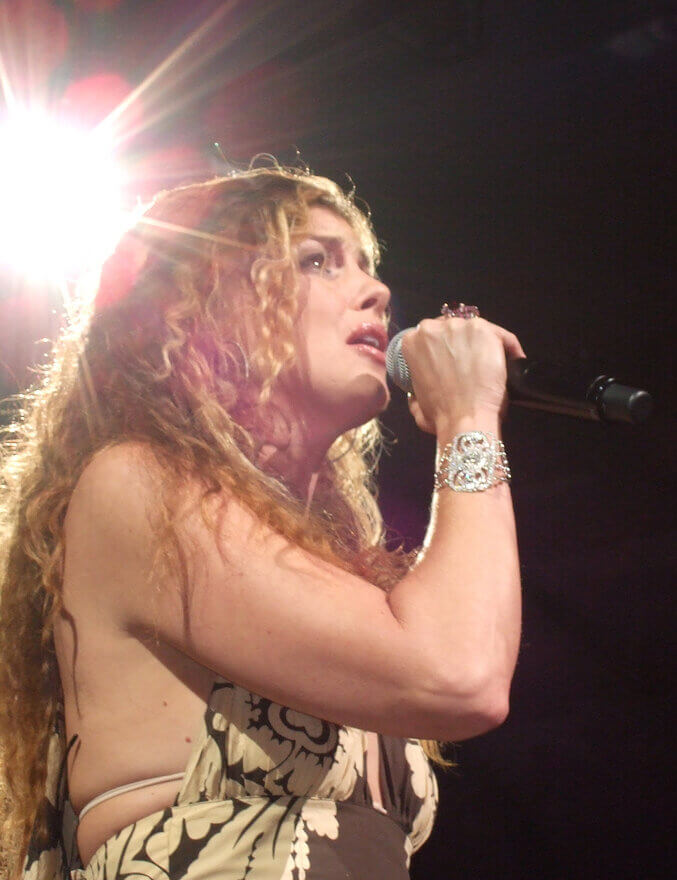
While she still occasionally participated in joint ventures with her husband, she prioritized select acting gigs that offered a more balanced schedule. Her decision gave her the space to thrive at home.
Marie Osmond Left the Touring Circuit for Television Stability
Growing up directly in the public eye, she established a successful solo country career and television presence at a young age. After spending years promoting chart-topping hits on the road, she gradually moved her focus away from standard Nashville concert routes. She wanted a predictable routine to raise her large family, finding that television production offered far more stability than touring. Pivoting to daytime talk shows and a Las Vegas residency, she managed to perform without the exhaustion of interstate travel.
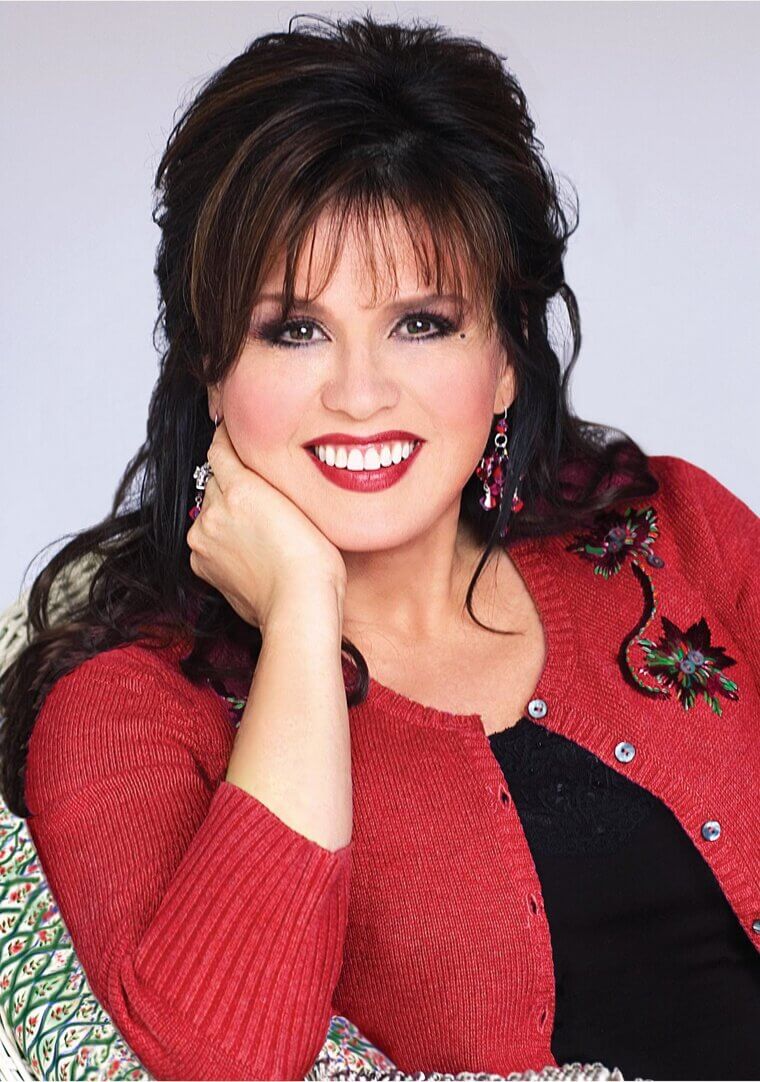
She reportedly cherished the ability to entertain crowds at night while still waking up in her own bed every morning. Her calculated career shift proved to be highly lucrative.
K. T. Oslin Slowed Her Pace Following a Major Heart Surgery
Breaking the traditional Nashville mold, she achieved incredible success in her 40s with sharp, relatable lyrics aimed at mature listeners. Her powerful reign on the late 1980s charts was relatively brief before she intentionally removed herself from the spotlight. In the 1990s, she underwent significant heart bypass surgery, a terrifying event that prompted her to reevaluate her daily habits. She reportedly lost all desire to endure the grueling, fast-paced reality of continuous radio promotion and concert travel.
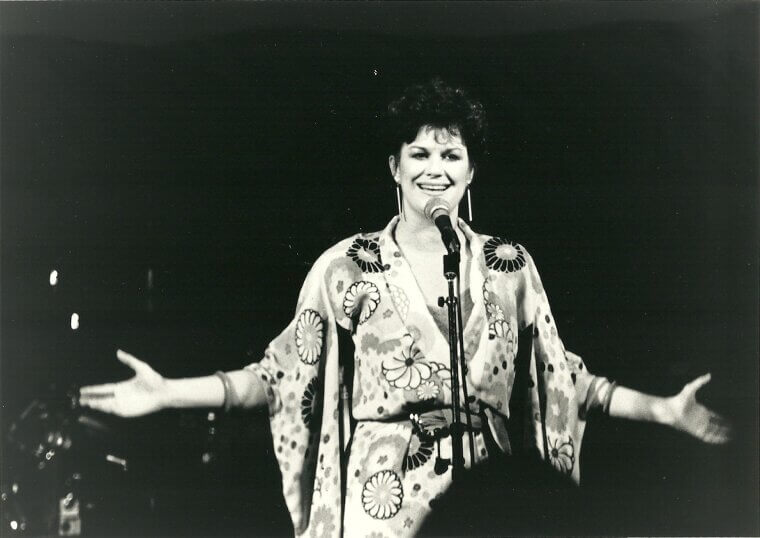
Instead, she embraced a relaxed lifestyle, only making sporadic musical appearances when she felt a genuine burst of inspiration. Prioritizing her physical health over lingering fame afforded her a peaceful, private retirement.
Donna Fargo Reduced Her Schedule While Battling Multiple Sclerosis
Known for her radiant personality and positive lyrics, this powerhouse singer-songwriter dominated the 1970s with self-penned hits. Her bustling career hit a sudden roadblock in 1978 when doctors diagnosed her with multiple sclerosis, a chronic neurological condition. The unpredictable and debilitating symptoms forced her to significantly slash her touring calendar and step away from the grueling demands of stardom. She reportedly redirected her creative focus toward writing inspirational books and greeting cards, sharing her unwavering optimism through different mediums.
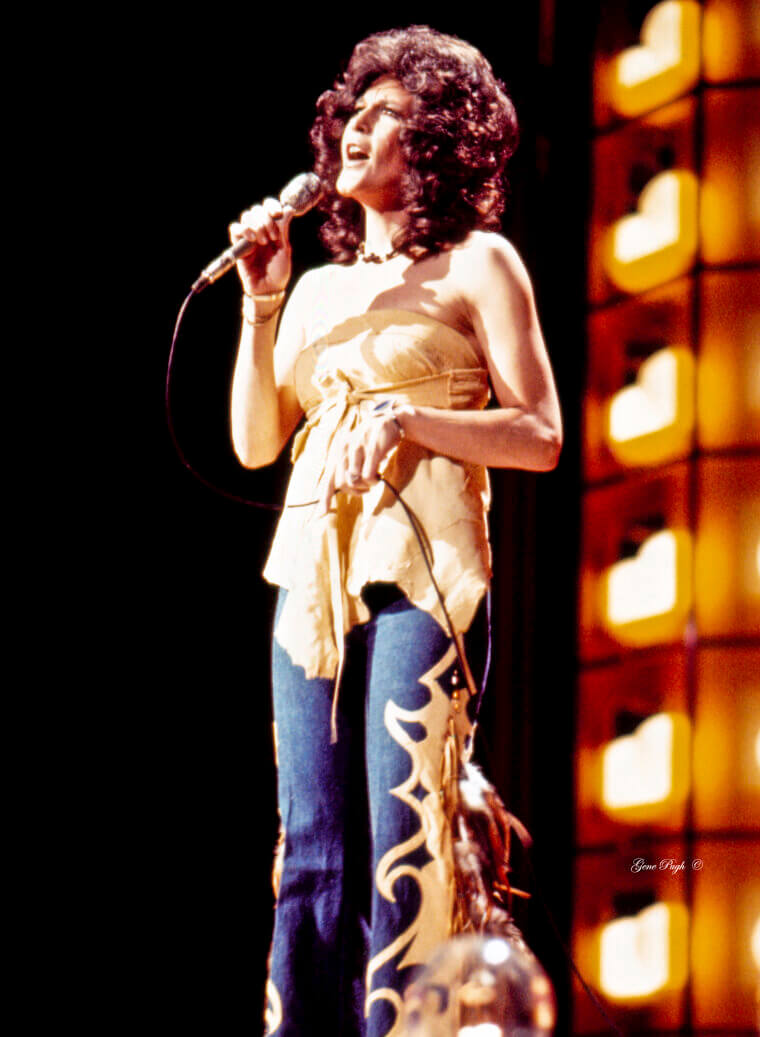
While her musical output naturally slowed down, she maintained a profound connection with her loyal supporters. Her graceful adaptation to a difficult diagnosis remains incredibly inspiring.
John Conlee Traded the Fast Lane for Agriculture and Family
Instantly recognizable by his rose-colored glasses, this traditionalist was a steady fixture on radio dials throughout the 1980s. While he never issued a formal retirement statement, he purposely stopped aggressively chasing mainstream commercial hits. He chose to scale down his promotional operations so he could dedicate significantly more time to his farm and loved ones. He reportedly found deeper satisfaction in the simple tasks of raising livestock than in dealing with modern industry politics.
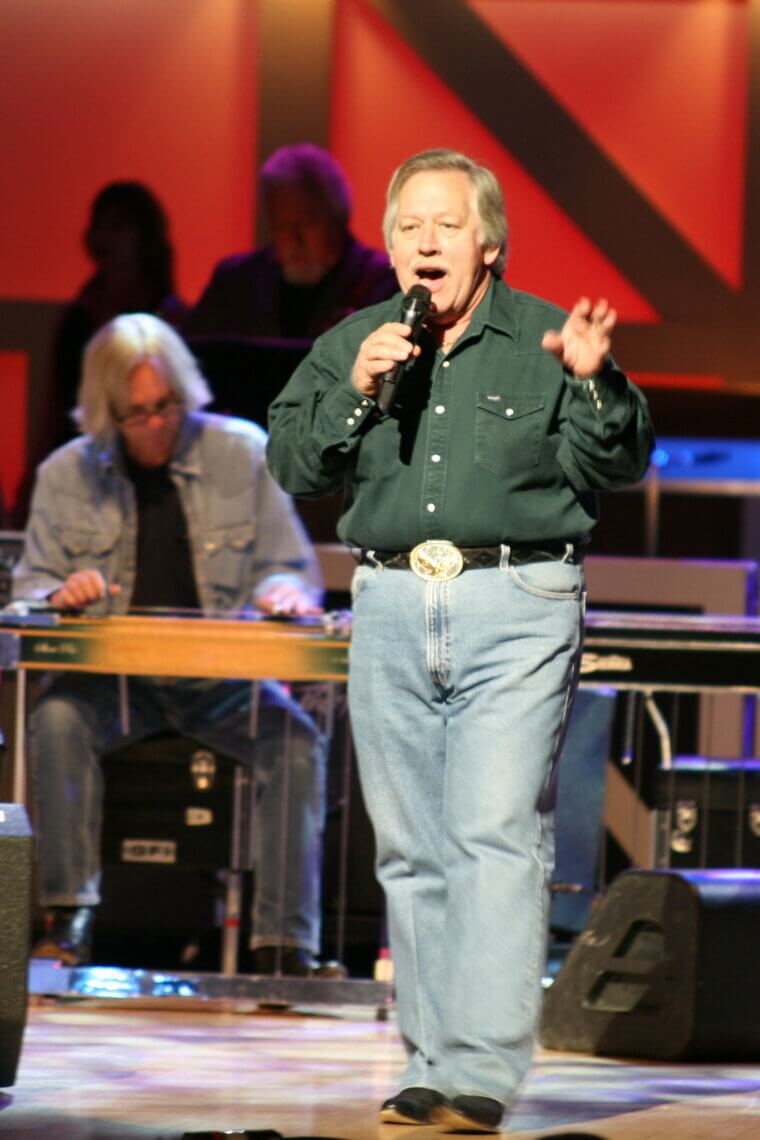
Continuing to play the Grand Ole Opry and occasional weekend shows, he struck a perfect balance between his art and his rural roots. He created a lasting musical legacy entirely on his own terms.
Ashton Shepherd Left a Major Label to Raise Her Kids
Emerging in the late 2000s, she offered a refreshing dose of authentic twang and sharp songwriting that captivated critics. After launching 2 well-received albums and scoring a few radio hits, she seemingly vanished from the national country scene. She made a conscious decision to walk away from her record deal and the exhausting promotional circuit to focus on her young children. She reportedly felt that constant travel distanced her from the rural Alabama lifestyle that fueled her creativity.

Choosing to prioritize her role as a mother, she began running a local business in her hometown. Fans still hope for new music, but she seems perfectly content.
Chely Wright Abandoned the Mainstream Machine for Advocacy Work
Winning prestigious awards and touring with the genre's biggest acts, this artist enjoyed massive mainstream success in the late 1990s. Behind the curtain, she struggled immensely with the crushing pressure of hiding her true identity in a conservative environment. After publicly coming out in 2010, she intentionally distanced herself from the traditional Nashville infrastructure that had controlled her early career. Relocating to New York City, she focused her energy on building a family, writing, and engaging in LGBTQ advocacy.
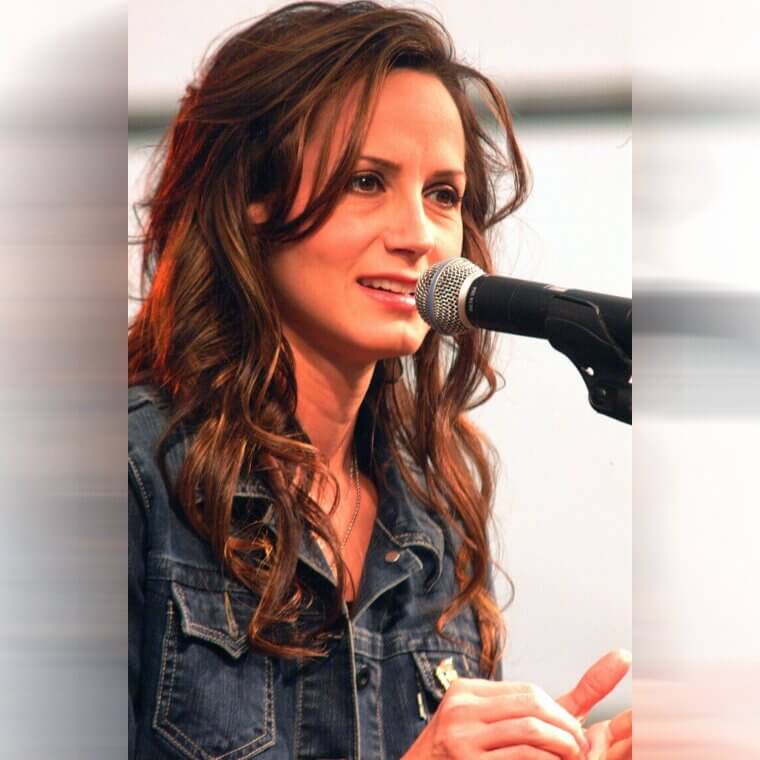
She reportedly experienced profound liberation by leaving the restrictive country spotlight in her rearview mirror. Her main priorities now center on her mental health, her wife, and raising their boys.
Mary Chapin Carpenter Changed Her Lifestyle After a Pulmonary Embolism
Renowned for her poetic lyrics and energetic concerts, she was a defining, prominent voice of 1990s radio. Her relentless career pace hit a brick wall in 2007 when she suffered a life-threatening pulmonary embolism. The terrifying medical emergency forced her to cancel an entire tour and take an extended period of strict bed rest. During her recovery, she reportedly experienced a massive shift in perspective, realizing she no longer wanted to maintain her previous grueling schedule.

She stopped chasing commercial trends, pivoting toward a much more relaxed, acoustic-leaning career path. Today, she records at her own unhurried pace, touring only when she feels physically and mentally ready.
Lee Ann Womack Left the Spotlight for Artistic Freedom
Achieving phenomenal crossover pop success in the early 2000s, she quickly became one of the industry's most recognizable vocalists. However, the immense pressure from executives to replicate that massive pop-leaning hit left her feeling creatively stifled. She deliberately walked away from the commercial limelight, stepping back from the heavy promotional machine to focus on raising her daughters. She reportedly refused to sacrifice her traditional roots just to secure fleeting radio airplay. When she finally returned to the studio, she released critically acclaimed roots albums tailored to a niche, appreciative audience.

Abandoning mainstream fame for genuine authenticity cemented her reputation as a true artist.
Suzy Bogguss Quit Major Labels to Release Independent Music
Charming audiences with her pristine vocals, she racked up a string of top 10 hits during the 1990s. As the industry began shifting heavily toward pop-infused tracks in the early 2000s, she found herself facing a difficult crossroads. Rather than battle to keep her spot on the changing charts, she decided to step away from restrictive major label contracts. Scaling back her demanding tour schedule, she spent more time at home with her husband and young son.

She reportedly loved the flexibility of operating independently, releasing folk-leaning projects directly to her dedicated fanbase. Her pivot away from fame provided a much healthier, sustainable lifestyle.
Patty Loveless Retired to Protect Her Voice From Further Strain
Widely regarded as one of the finest pure country singers of her generation, she dominated the charts for over a decade. Following years of non-stop touring and studio sessions, she started experiencing severe vocal cord issues that necessitated medical care. The physical toll of performing nearly every night severely impacted her overall well-being and threatened her signature sound. By the late 2000s, she made the difficult choice to step away from the business to preserve her voice and enjoy retirement.
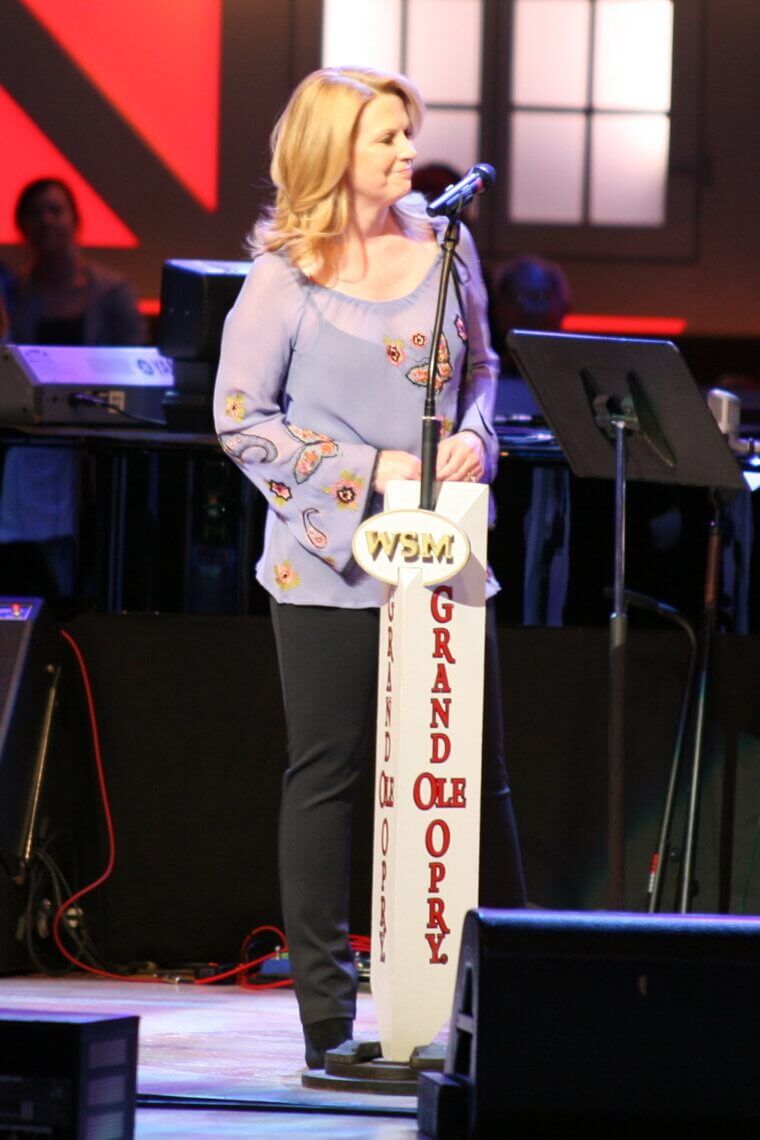
She reportedly retreated to her Georgia home, grateful to escape the constant, exhausting demands of public life. She now only emerges occasionally to sing background vocals for close friends.
Jo Dee Messina Halted Her Career to Battle Cancer
Known for her fiery, upbeat anthems, she was an unstoppable force on the radio during the late 90s and early 2000s. Her professional journey shifted dramatically as she navigated financial struggles and complex label disputes over the years. In 2017, she fully stepped away from the public eye after receiving a devastating, unexpected cancer diagnosis. She instantly canceled all her scheduled concerts to focus entirely on grueling medical treatments and being present for her 2 sons.

She reportedly leaned heavily on her faith to get through the terrifying health ordeal. After a quiet battle, she has only recently started booking select, low-pressure shows at her own pace.
Alison Krauss Paused Her Band's Tours Due to Vocal Spasms
Renowned for her ethereal voice and bluegrass mastery, she remains one of the most awarded artists in Grammy history. Her busy concert schedule came to a screeching halt in 2013 when doctors diagnosed her with vocal dysphonia. The frustrating ailment caused her vocal cords to spasm without warning, making it painful and nearly impossible to sing properly. She had to cancel multiple tours and step away from the stage to undergo rigorous vocal therapy.
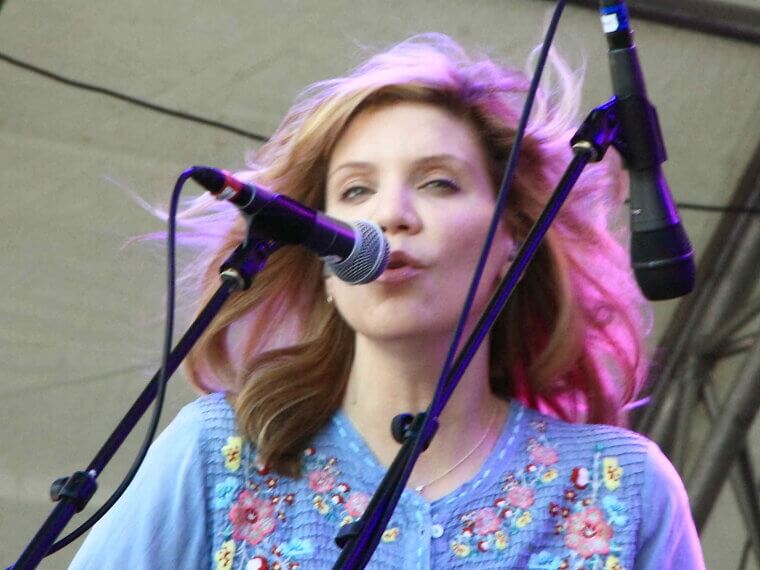
She reportedly found the hiatus incredibly stressful, worrying she might permanently lose her iconic singing abilities. She carefully manages her touring calendar now to prevent any further damage.
Rosanne Cash Took a Hiatus for Complex Brain Surgery
Forging her own unique path separate from her legendary father, she scored numerous chart-topping hits throughout the 1980s. Her recording career went on an indefinite hold in 2007 when doctors discovered a rare malformation in her brain. The severe condition required immediate, highly complex surgery and a grueling recovery period that kept her out of the public eye. While healing at home, she reportedly channeled her energy into writing a memoir and processing her life experiences.
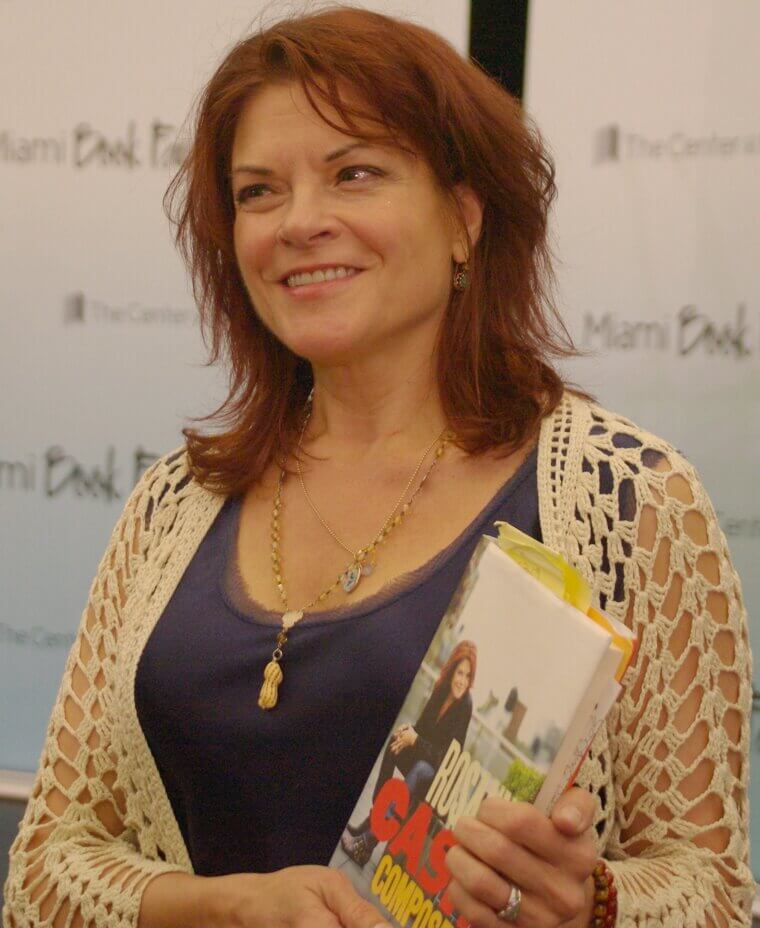
The terrifying ordeal altered her view on fame, prompting her to focus solely on deeply personal songwriting instead of commercial trends. Her courageous return eventually produced some of her finest work.
Alan Jackson Stopped Regular Touring Because of a Neurological Condition
Celebrated as a steadfast pillar of traditional country, this laid-back songwriter penned some of the genre's most enduring classics. His ability to perform live took a massive hit when he revealed a diagnosis of Charcot-Marie-Tooth disease to his fans. The inherited neurological disorder progressively damages nerves, severely affecting balance and muscle function in the arms and legs. As his symptoms worsened, he had to step away from standard touring because standing on stage became physically unsafe.

He reportedly accepted this difficult reality with grace, leaning on his strong family ties and enduring faith. Though his arena days are over, he remains a profoundly respected elder statesman.
Zac Brown Reduced His Band's Tour Dates for Family Balance
Building a massive grassroots following, this genre-bending frontman is famous for leading marathon, high-energy live shows. However, the grueling reality of living on a tour bus for most of the year eventually took its toll. Recently, he made the firm decision to significantly scale back his band's extensive, year-round touring schedule. He wanted to ensure he was fully present to raise his 5 children and maintain a healthy physical and mental state.
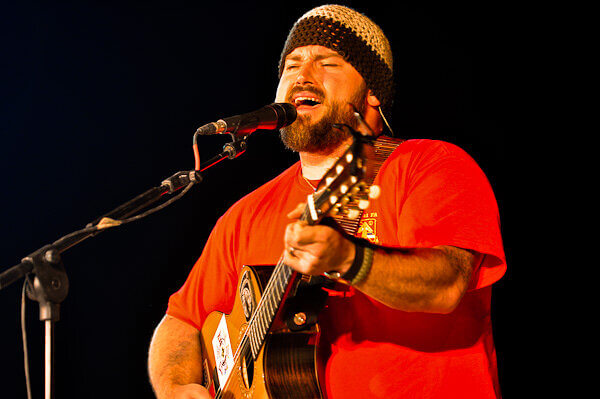
He reportedly realized that endlessly chasing revenue and attendance records wasn't worth sacrificing his personal relationships. Reducing their road time gave the entire band a renewed sense of creative energy.