
Country music is packed with incredible rags-to-riches stories that remind us where true grit comes from. Before they were selling out massive stadiums, these iconic artists survived incredible hardships and overcame the odds. Ready to be inspired? Check out their amazing journeys below!
Dolly Parton Grew Up In a One-Room Cabin With Eleven Siblings
Dolly Parton spent her earliest years in a rustic, single-room log cabin nestled in the Great Smoky Mountains of Sevier County, Tennessee. Sharing such limited living space with eleven brothers and sisters meant her family faced constant economic hardship, often struggling to secure adequate meals and basic necessities. Her parents worked tirelessly to support the large household, with her mother famously crafting warm garments out of scrap materials. That resourceful spirit inspired her classic song about a coat made of colorful rags.

Dolly learned to play a homemade guitar and sang at local venues, drawing rich inspiration from mountain folklore and church music. Her persistent determination transformed those mountain origins into an iconic career that spans decades. She remains celebrated for her exceptional storytelling, enduring philanthropy, and grounded nature, proving that humble beginnings can foster extraordinary greatness.
Loretta Lynn Was Raised in an Impoverished Coal Mining Camp
Loretta Lynn spent her formative years in the remote coal mining community of Butcher Holler, Kentucky. Her father worked long, arduous hours in the local mines to support his wife and eight children on meager earnings. The family lived in a tiny cabin that lacked modern amenities, relying on coal stoves for warmth during harsh Appalachian winters. To help make ends meet, her family canned fresh produce and patched worn clothes while carefully stretching every dollar. Loretta found comfort in singing alongside her radio, drawing inspiration from traditional mountain music.
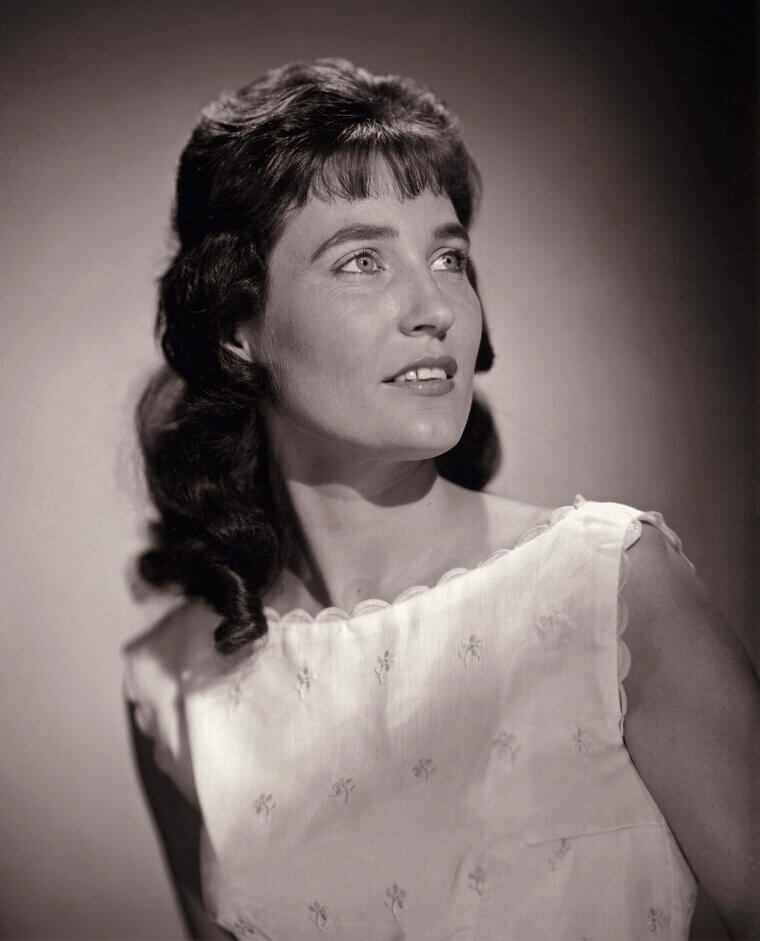
She married at a young age and began raising children before pursuing a professional career. Her vivid memories of rural poverty fueled powerful, honest lyrics that resonated with millions of listeners. Loretta's remarkable journey from Butcher Holler to the Grand Ole Opry remains an inspiring story of authentic resilience.
Johnny Cash Picked Cotton in a Struggling Depression-Era Colony
Johnny Cash spent his childhood in Dyess, Arkansas, a government-sponsored agricultural colony established during the Great Depression. His family worked long days under the hot sun, manually harvesting cotton to keep their small farm afloat. Financial stress was a constant burden for the household, especially when seasonal floods ruined vital crops. Young Johnny worked in the fields beside his family, finding comfort in gospel hymns and folk melodies that he sang to pass the time. Those early experiences taught him the stark reality of rural poverty and manual labor.
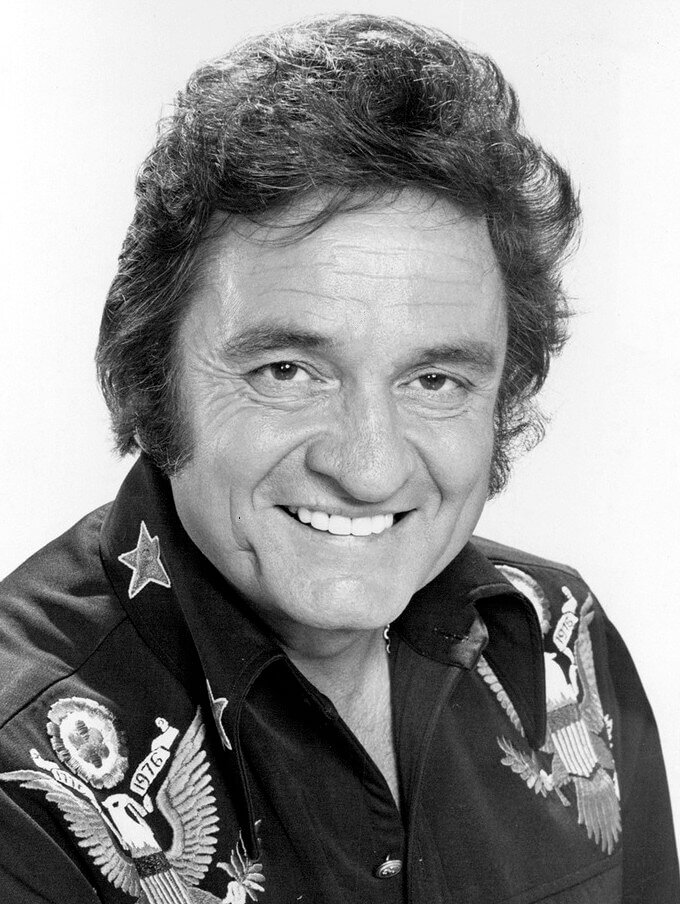
He later enlisted in the military before finding his path into the recording industry. His childhood memories directly influenced his dark, empathetic songwriting that championed working-class struggles. Johnny's legacy reflects how early hardships shaped one of the most distinctive voices in American music.
Shania Twain Often Went to School Hungry and Hunted for Her Own Food
Shania Twain experienced severe economic hardship while growing up in Timmins, Ontario. Her family struggled to afford daily groceries, which meant Shania frequently attended school without a proper lunch. To assist her family in obtaining food, she learned to track wild game and chop firewood in the cold Canadian climate. She began singing in local bars at eight years old, earning small amounts of money to help pay essential household bills. Despite the heavy responsibility resting on her young shoulders, she maintained a strong passion for music and creative writing.

She spent countless hours perfecting her vocal range and learning guitar chords. Her perseverance paid off as she eventually achieved global stardom with her infectious pop-country anthems. Shania's story demonstrates how determination can turn early adversity into a successful, record-breaking career.
Merle Haggard Spent His Childhood Living in a Converted Railroad Boxcar
Merle Haggard spent his youth in Oildale, California, residing in a remodeled wooden boxcar after his family migrated west during the Dust Bowl. His father converted the old train car into a simple residence to shelter the family during lean financial times. Following the sudden passing of his father when Merle was just nine years old, his mother worked long hours to maintain the household. Money was tight, and young Merle drifted into trouble before finding direction through his love for acoustic guitar and country music.

He taught himself to play by listening to records, finding comfort in traditional train songs and blues rhythms. His rough childhood provided a genuine foundation for his honest, plainspoken lyrics about working men and redemption. Merle ultimately became one of country music's most respected songwriters and performers.
Tammy Wynette Picked Cotton and Lived Without Indoor Plumbing
Tammy Wynette spent her early years on a cotton farm in Tremont, Mississippi, raised primarily by her maternal grandparents. The family lived in a basic farmhouse that lacked indoor plumbing, requiring them to haul water by hand and live frugally. As a child, Tammy spent long hours picking cotton under the Southern sun, earning modest wages to support her family's needs. She escaped the physical strain of field work by practicing musical instruments, teaching herself piano, guitar, and accordion. She eventually worked as a licensed hairdresser while raising her young children as a single mother.

Her personal sacrifices and memories of financial strain gave her vocal performances an unforgettable emotional vulnerability. Tammy went on to earn the title of the First Lady of Country Music, leaving behind an inspiring legacy of strength.
Lainey Wilson Spent Years Living in a Flagstaff Camper Trailer
Lainey Wilson moved from the small town of Baskin, Louisiana, to Nashville with a clear goal but very little money. To survive while chasing her musical ambitions, she lived in a twenty-foot Flagstaff camper trailer parked outside a local studio. She resided in the camper for three years, enduring hot summers and freezing winters without the space or luxuries of a standard apartment. Instead of letting financial limits discourage her, she focused her energy on songwriting, networking, and honing her distinctive stage presence.

She performed small gigs wherever possible and maintained a disciplined work routine. Her persistent effort paid off as her catchy melodies and authentic bell-bottom style captivated fans across the country. Lainey's journey shows how patience, grit, and sacrifice can turn a humble camper into a launchpad for award-winning success.
Willie Nelson Was Raised in the Harsh Realities of the Great Depression
Willie Nelson grew up in Abbott, Texas, raised by his grandparents during the challenging years of the Great Depression. Money was extremely scarce in the rural community, forcing his family to practice strict frugality to keep food on the table. To help generate extra income, Willie picked cotton in local fields alongside neighbor families during harvest season. His grandmother taught him music fundamentals, and he received his first guitar at six years old. He soon began performing in local dance halls and Bohemian halls, earning modest cash tips that aided his household.

Those early performances provided invaluable stage experience while teaching him the value of hard work. Willie later established himself as a legendary songwriter and iconic figure in American music. His life story proves that a grounded upbringing can build a career that stands the test of time.
George Jones Grew Up in a Public Housing Project and Played for Pennies
George Jones experienced significant poverty during his childhood in Saratoga and Beaumont, Texas. His family lived in modest housing, eventually moving into a public housing development when money became particularly tight. To help his family buy basic items, young George stood on street corners playing a small guitar and singing for spare change. Passersby often dropped pennies and nickels into his case, giving him his first taste of performing for an audience. His early life was filled with financial instability, which instilled a deep emotional gravity in his singing style.

He eventually secured radio appearances, which helped kickstart his professional recording career. George became recognized as one of the finest vocalists in country music history. His rise from singing on city streets to filling concert halls remains an extraordinary tale of raw musical talent.
Patsy Cline Moved Nineteen Times Before Age Fifteen Just to Survive
Patsy Cline endured a restless and uncertain childhood in Virginia during the tail end of the Great Depression. Her family relocated nineteen times before she reached fifteen, moving continuously to find lower rent and temporary employment. To help support her mother and siblings, Patsy made the difficult choice to leave high school early and work various jobs. She shined shoes, worked in a local poultry plant, and served drinks at a soda fountain to help pay household bills.

Despite exhaustion, she sang in local talent contests and on regional radio stations whenever an opportunity arose. Her rich, commanding voice quickly drew attention, opening doors to national television broadcasts and record deals. Patsy became a trailblazing female artist who redefined country music standards. Her legacy remains a timeless example of determination overcoming persistent childhood hardship.
Glen Campbell Was the Son of Struggling Sharecroppers Who Barely Scraped By
Glen Campbell was born in Billstown, Arkansas, as the seventh of twelve children born to a family of sharecroppers. His parents worked long, physically demanding days farming land they did not own, struggling to feed their large family. Young Glen spent long hours working in cotton fields, learning the value of manual labor from a very young age. He received a five-dollar guitar from a mail-order catalog when he was four years old, practicing constantly until he mastered it. His exceptional musical ear allowed him to play complex tunes without formal lessons.

He eventually moved to California, becoming a highly sought-after studio guitarist before launching his famous solo career. Glen's rise from a sharecropper's field to international television and music stardom remains a classic example of American success.
Charley Pride Picked Cotton as a Sharecropper's Son in the Deep South
Charley Pride grew up in Sledge, Mississippi, raised in a large family of tenant farmers. He spent his youth picking cotton in the fields, working from sunrise to sunset under difficult conditions for minimal earnings. The family lived in a modest home without luxury items, relying on sheer teamwork and resourcefulness to get by. Charley saved his hard-earned money to purchase a guitar from a mail-order catalog when he was fourteen years old. He initially sought a path out of farm work through professional baseball before focusing entirely on his singing voice.

His smooth vocals and natural warmth eventually earned him a spot on country radio and major record labels. Charley broke historic boundaries in country music, proving that talent and grace can triumph over humble origins.
Miranda Lambert Lived in a Dilapidated Farmhouse After Her Family Lost Everything
Miranda Lambert's family faced sudden financial hardship during her childhood in Texas when the local economy suffered a sharp decline. Her parents lost their private investigation business, leaving them without income or savings. The family moved into an abandoned farmhouse that needed extensive repairs and had no central heating. They grew their own vegetables, raised livestock, and relied on hunting to keep food on their dinner table. Miranda helped with farm chores and learned the practical skills needed to live resourcefully.

This rugged lifestyle heavily influenced her honest, grounded approach to writing country lyrics. She began performing in local venues as a teenager, gradually building a passionate regional fan base. Miranda turned that challenging period into artistic motivation, ultimately becoming one of country music's top headliners.
Jimmie Allen Slept in His Car While Trying to Make It in Nashville
Jimmie Allen faced serious financial struggles after moving from Milton, Delaware, to Nashville to pursue music. When his initial savings ran out, he could no longer afford rent and was forced to live out of his car. For several months, he slept in his vehicle, relying on gym memberships to shower and taking odd jobs to pay for gasoline. He worked at restaurants and corporate events, saving every dollar possible while writing songs during his free time. Despite the uncertainty and discomfort, he refused to abandon his musical goals or leave town.

His optimism and dedication eventually caught the attention of music executives who recognized his songwriting ability. He went on to earn chart-topping hits and major industry awards. Jimmie's experience is a powerful reminder that perseverance can turn temporary hardship into lifelong accomplishment.
Carl Perkins Was Raised in a Flimsy Shack on a Cotton Plantation
Carl Perkins grew up near Tiptonville, Tennessee, as the son of poor sharecroppers who worked on a cotton plantation. His family lived in a flimsy wooden shack that offered little insulation during cold winter months. Carl worked in the fields alongside his parents from an early age, picking cotton to help support the household. Because his family could not afford a real guitar, his father built him a simple instrument using a cigar box and broom handle.

He later acquired a used guitar with broken strings, learning playing techniques from a fellow farm worker named Uncle John. Those early musical lessons blended gospel, blues, and country influences into a unique rockabilly sound. Carl wrote world-famous songs that influenced generations of musicians. His story showcases how creativity can flourish even in severe poverty.
Jerry Lee Lewis Saw His Parents Mortgage Their Modest Farm for a Piano
Jerry Lee Lewis grew up in Ferriday, Louisiana, in a family that worked hard to overcome economic difficulties. When his parents noticed his natural musical gifts as a young boy, they made a major sacrifice to support him. Despite having very little money, his parents mortgaged their small family farm to purchase an upright piano. That financial risk placed heavy pressure on the household, but Jerry Lee practiced endlessly to honor their sacrifice. He developed a fiery, high-energy playing style that blended gospel rhythm with country blues.

He began performing at local venues, quickly drawing large crowds with his dramatic technique. His success in both country and rock music validated his family's incredible faith in his talents. Jerry Lee's rise underscores how family support can transform a modest upbringing into legendary achievement.
Kane Brown Experienced Homelessness and Slept in a Car Growing Up
Kane Brown experienced a turbulent childhood marked by severe financial insecurity and frequent housing changes. Raised by a single mother in Georgia and Tennessee, his family moved repeatedly as they searched for stable work and affordable rent. There were times when they lacked a permanent home and had to sleep in their car or stay with relatives. Navigating poverty and constant relocation made his school years challenging, but Kane found comfort in writing and music. He sang in high school choir and explored various musical genres before focusing on country music.

He began posting home-recorded cover videos online, which quickly attracted millions of views and led to a record deal. He converted those viral videos into arena-selling concert tours and chart-topping country singles. Kane's story illustrates that current obstacles do not define your long-term success.
Hank Williams Sold Peanuts on the Street to Help His Struggling Single Mother
Hank Williams spent his early years in Georgiana and Montgomery, Alabama, during the height of the Great Depression. After his father entered a veterans hospital, his mother worked long hours running boarding houses to keep the family fed. To help his mother pay for basic supplies, young Hank shined shoes and sold bags of peanuts on downtown streets. While working on the street corners, he met a local blues musician named Rufus Payne, who taught him guitar chords. That informal musical education profoundly shaped Hank's traditional songwriting style and emotional delivery.
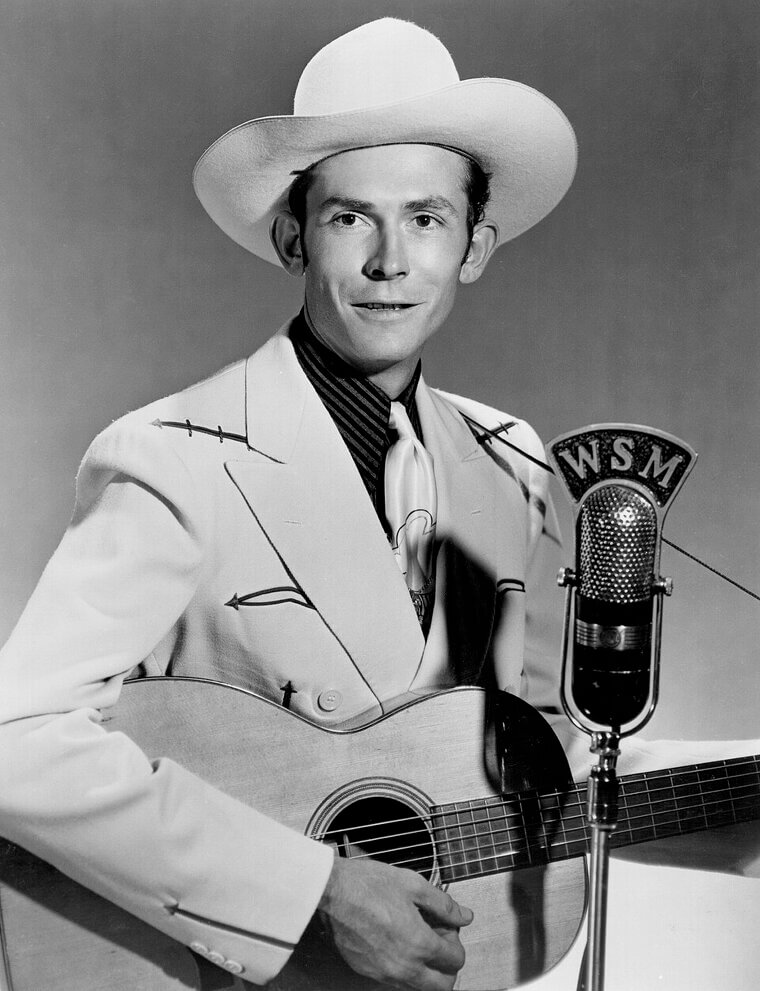
He began performing on local radio broadcasts as a teenager, quickly earning a loyal following across the region. Hank went on to write foundational country classics that remain world-famous today. His life story demonstrates how early struggles inspired timeless, heartfelt art.
Buck Owens Fled the Dust Bowl and Worked as a Migrant Crop Picker
Buck Owens spent his childhood experiencing the harsh effects of the Great Depression and Dust Bowl in Texas and Arizona. When severe dust storms destroyed their farm, his family packed their belongings into a trailer and traveled west. They lived as migrant agricultural workers, moving from farm to farm to pick crops for modest daily wages. Buck worked in the fields alongside his parents, learning firsthand the grueling nature of seasonal farm work. He saved money to buy a secondhand guitar and taught himself chords during evening hours after long work shifts.

He eventually settled in Bakersfield, California, playing guitar in local halls and developing a crisp electric sound. Buck built an empire in country music, co-hosting popular television shows and writing dozens of hit records. His journey from migrant crop fields to country royalty remains an iconic American success story.
Waylon Jennings Toiled as a Farm Laborer in a Dirt-Poor Texas Town
Waylon Jennings grew up in Littlefield, Texas, in a family that worked hard to survive on tight agricultural wages. He left school at an early age to help support his family, working in cotton fields and taking on various manual labor jobs. The relentless physical effort under the Texas heat made him determined to find a different career through music. His mother taught him his first guitar chords, and he quickly began performing on local radio stations as a teenager. He worked as a radio disc jockey and playing bass guitar for rock legends before pursuing a solo country career in Nashville.
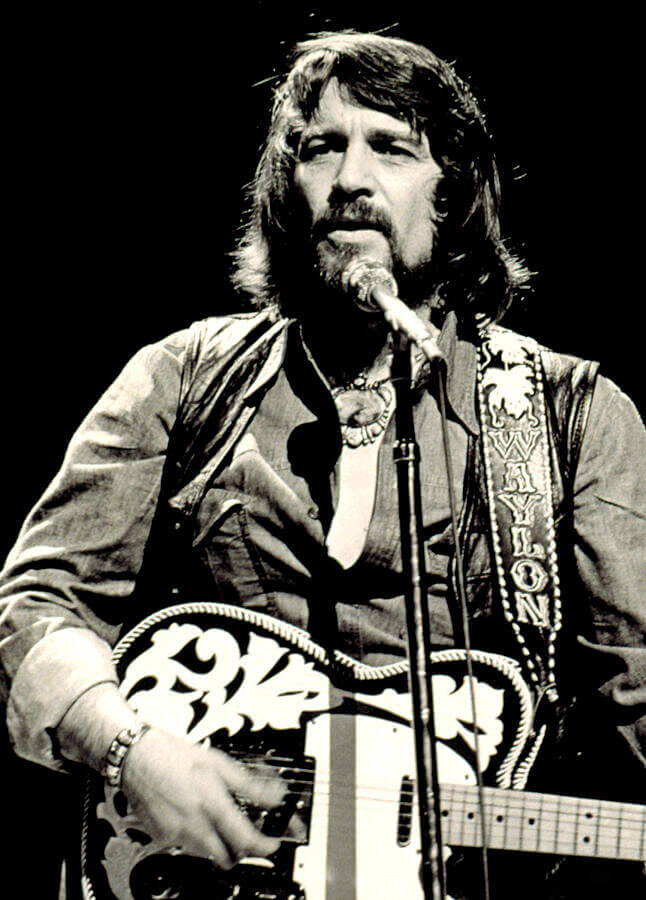
His gritty background gave him an independent spirit that rebelled against traditional studio rules. Waylon pioneered the outlaw country movement, leaving a lasting mark on the music industry. His career stands as a testament to hard work and staying true to oneself.
Naomi Judd Relied on Welfare to Feed Her Children Before Finding Fame
Naomi Judd experienced intense financial hardship while raising two young daughters as a single mother in Kentucky and California. She worked long hours to pay for basic necessities, often needing government assistance and food stamps to keep her family fed. Money was tight, requiring her to live in rustic houses without modern conveniences like television or telephone service. She encouraged her daughters to pursue creative outlets, spending evenings singing harmonies together around the house. Naomi went back to school to earn a nursing degree, working hospital shifts while managing her family's musical goals.

She persistently sought opportunities to share her duo's harmonies with music executives in Nashville. That dedication eventually led to a recording audition and multi-platinum record sales for The Judds. Naomi's life story is an uplifting demonstration of maternal sacrifice and unwavering determination.
Wynonna Judd Lived in a Modest Rural Home Lacking Basic Electricity
Wynonna Judd spent part of her childhood living in a secluded rural home in Morrill, Kentucky, where money was extremely tight. The house lacked basic modern conveniences, including electric lighting and phone service, forcing the family to live simply. Without electronic entertainment, Wynonna spent hours practicing her guitar and singing alongside her mother on the porch. Her family grew vegetables and cooked simple meals, keeping expenses minimal while focusing on music. This quiet lifestyle helped Wynonna develop a deep, soulful vocal tone that stood out from standard country performers.

When her family moved to Nashville, that unique sound quickly attracted the attention of major record labels. She achieved massive success both as part of The Judds and as a solo recording artist. Wynonna's career shows that simple beginnings can help foster extraordinary creative talent.
Alan Jackson Was Raised in a Tiny House Built Around a Simple Tool Shed
Alan Jackson grew up in Newnan, Georgia, living in a modest house built around a small tool shed. His father converted the simple wooden shed into living quarters for his family as their needs grew over time. Space was tight for Alan and his sisters, requiring them to share bedrooms and live with minimal personal belongings. His family lived frugally, focusing on strong values and listening to classic country broadcasts together. Alan worked various jobs as a young man, including driving a forklift and working in a shoe store, before moving to Nashville.

His unpretentious background directly influenced his traditional country sound and relatable songwriting. He wrote hit songs celebrating working-class life and simple everyday pleasures. Alan's rise to country stardom illustrates how staying connected to your roots can create a lasting legacy.
Marty Robbins Grew Up in a Cramped Desert Shack Without Basic Necessities
Marty Robbins spent his early years near Glendale, Arizona, growing up in a crowded desert shack. His family struggled significantly during the Great Depression, living in harsh conditions without electricity or running water. His father took temporary odd jobs, making household finances unpredictable from week to week. Marty found joy in listening to his grandfather tell stories and sing traditional western ballads. He served in the military during World War II, where he taught himself to play guitar while stationed in the Pacific.
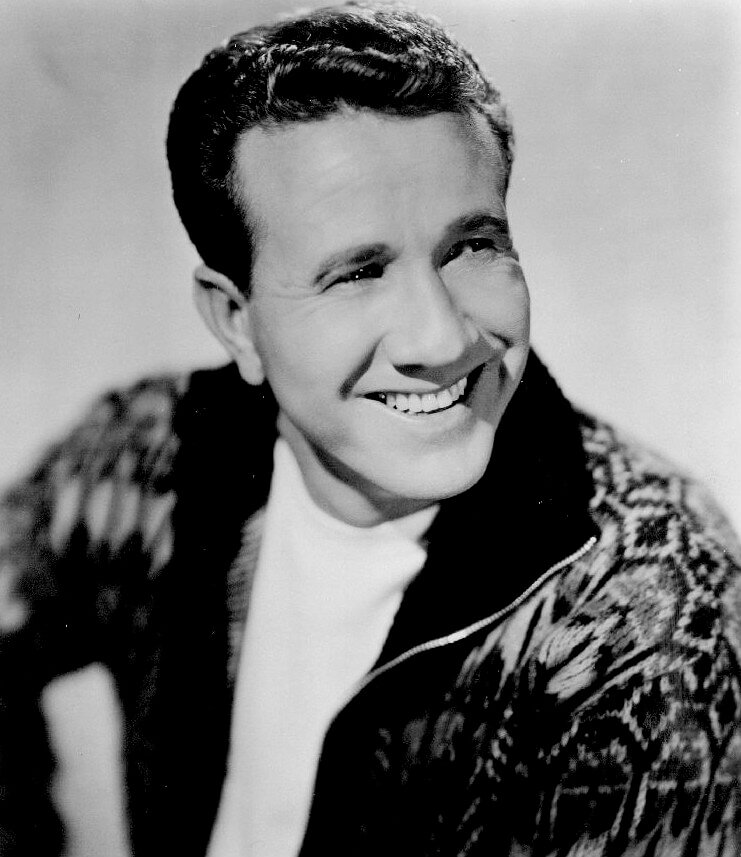
After returning home, he began singing in local radio stations and night clubs, earning praise for his smooth voice. He eventually signed with a major record label, producing classic story-songs and winning multiple awards. Marty's journey shows how storytelling and music can blossom out of a difficult desert childhood.
Tanya Tucker Lived in a Modest Trailer That Her Family Constantly Relocated
Tanya Tucker spent her childhood moving frequently across western states while her father worked various temporary construction jobs. Her family lived in a modest mobile trailer, traveling from town to town whenever new work became available. Living on a tight budget meant the family had to manage expenses carefully, but her parents strongly supported her musical talent. Her father recognized her vocal ability early on and arranged for her to perform at local fairs and events. Tanya worked hard to refine her singing voice, developing a distinctive raspy delivery at a young age.

Her family eventually moved to Las Vegas and Nashville to pursue record label opportunities for her. She achieved her breakthrough hit at just thirteen years old, launching a long and celebrated career. Tanya's story demonstrates how family support can help a young performer overcome an unstable early lifestyle.
Roy Acuff Was Raised in a Hardscrabble Tenant Farming Family
Roy Acuff was born in Maynardville, Tennessee, raised in a family of tenant farmers who worked hard to earn a living. His family managed small crops, facing constant financial uncertainty based on weather conditions and harvest yields. Roy initially focused on athletics, playing baseball with hopes of reaching professional leagues. However, severe sunstroke during training ended his sports ambitions and forced him to reevaluate his future plans. During his recovery, he learned to play the fiddle and began singing mountain folk songs with regional traveling shows.
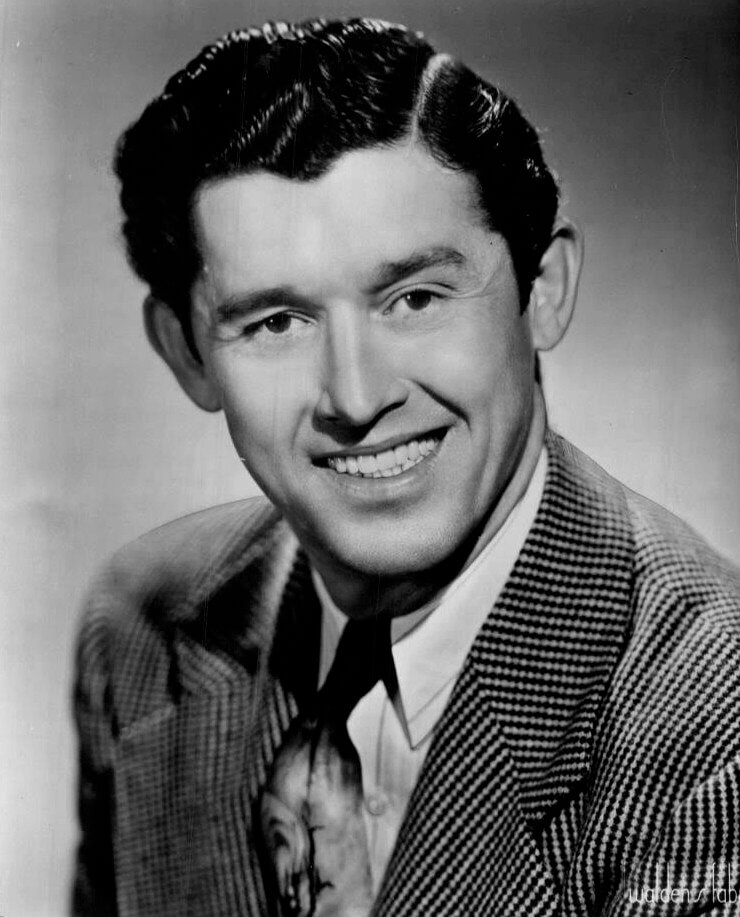
His passionate singing style resonated with audiences, leading to regular performances on the Grand Ole Opry. He eventually co-founded one of Nashville's first major music publishing companies, building a lasting business empire. Roy's life proves that unexpected setbacks can guide a person toward their true life calling.
Jimmie Rodgers Lived in Makeshift Railroad Camps While Doing Backbreaking Work
Jimmie Rodgers spent his youth near Meridian, Mississippi, taking on tough railroad jobs to earn a living. He worked as a water boy and brakeman on train lines, residing in temporary makeshift camps along the tracks. The physical work was exhausting and dangerous, exposing him to harsh weather and difficult living conditions. During breaks, Jimmie learned guitar techniques and work songs from fellow laborers of diverse musical backgrounds. He blended traditional blues, folk, and country styles with his signature yodeling technique to create a fresh sound.
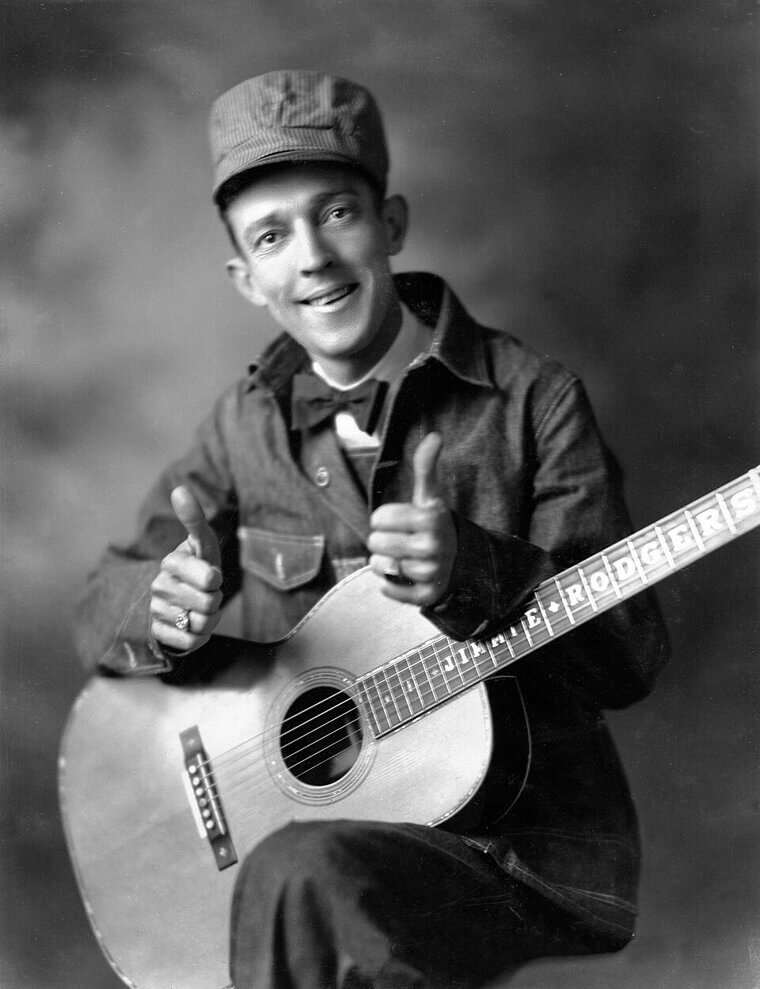
Despite facing severe health challenges, he recorded historic tracks that captured the imagination of working Americans. He became known as the Father of Country Music, setting artistic standards for future generations. Jimmie's legacy proves that genuine talent can emerge from the toughest industrial environments.
Reba McEntire Wore Modest Hand-Me-Downs on a Financially Strained Cattle Ranch
Reba McEntire grew up in Chockie, Oklahoma, raised on a working cattle ranch managed by her family. While the family had land, cash was frequently tight, requiring Reba and her siblings to wear modest hand-me-down clothes. She performed heavy farm chores daily, driving cattle and helping maintain the ranch alongside her parents. To pass the time on long drives to junior rodeos, her mother taught the children how to sing vocal harmonies. Reba formed a singing group with her siblings, performing at local rodeo events across Oklahoma.

Her solo singing of the national anthem at a major rodeo caught the attention of an established country artist. That discovery opened doors to a record contract and eventual international stardom across music, television, and theater. Reba's career illustrates how ranch work built the discipline needed for entertainment success.
Chris Stapleton Grew Up With the Modest Means of a Coal Miner's Family
Chris Stapleton was raised in Staffordsville, Kentucky, where his father worked as a hardworking coal miner. Growing up in an eastern Kentucky mining town meant living modestly, with family life centered around community and hard work. His family avoided unnecessary spending, instilling in Chris a grounded appreciation for simple living and honest effort. He listened to bluegrass and classic country records at home, discovering a deep affection for soulful vocalists. He initially studied engineering in college before deciding to move to Nashville to pursue professional songwriting.

Chris wrote dozens of hit songs for other top country performers before stepping into the spotlight himself. His powerful voice and raw acoustic style won over critics and audiences worldwide. Chris's journey demonstrates that authentic working-class roots can yield a deeply respected artistic career.
Garth Brooks Shared a Crowded House Where Money Was Always Extremely Tight
Garth Brooks grew up in Yukon, Oklahoma, as part of a large blended family with six children under one roof. Sharing a small house meant space was limited, and household finances required careful budgeting by his parents. His father worked as a draftsman while his mother had previously pursued singing, filling their home with musical encouragement. The family held weekly talent nights in their living room, where all the children were encouraged to sing or play instruments. Garth played sports in school and earned an athletic scholarship before focusing his energy on music.

He worked as a boots seller and played local college bars before making the move to Nashville. His dynamic stage performances eventually made him one of the highest-selling solo artists in history. Garth's rise proves that a supportive family environment matters far more than early wealth.
Randy Travis Worked Long Hours on a Struggling Farm Just to Get By
Randy Travis spent his youth in Marshville, North Carolina, growing up on a small family farm with six siblings. His family managed horses and cattle, requiring Randy to spend long hours doing physical labor before and after school. Farm income was unpredictable, and his family lived modestly while maintaining their agricultural workload. Randy found an escape from long farm days by playing guitar and listening to traditional country singers like Ernest Tubb. He began performing in local talent contests as a teenager, eventually moving to Charlotte and Nashville to sing.

He worked as a dishwasher and cook at a nightclub while waiting for his musical breakthrough. His traditional deep baritone voice helped spark a major revival of classic country music in the 1980s. Randy's career shows how early labor can build the discipline required to achieve lasting music industry success.
Luke Combs Sweated It Out Living Paycheck to Paycheck While Bouncing at Bars
Luke Combs experienced financial uncertainty while working his way through college and early music efforts in North Carolina. He lived paycheck to paycheck, taking on multiple jobs to cover basic rent and grocery expenses. He worked as a bouncer at a local bar, working late-night shifts to earn a modest income while watching bands perform on stage. During his off hours, he taught himself guitar chords and wrote original songs inspired by everyday working-class experiences. He performed small acoustic shows across the Southeast, selling self-funded CDs out of his trunk to pay for gas money.

His relatable lyrics and powerful vocals quickly built a loyal grass-roots fan base that supported his move to Nashville. He eventually signed a record contract and set historic chart records with consecutive debut singles. Luke's success confirms that steady effort and relatable songs can connect with millions of listeners.
Eric Church Scraped Together Pennies Playing Dive Bars Just to Afford Gas
Eric Church faced years of financial uncertainty after moving from Granite Falls, North Carolina, to Nashville. When he arrived in town, he struggled to convince record labels to support his non-traditional songwriting style. He spent years playing small, obscure bars across the region, making just enough tip money to pay for gas to the next gig. Finances were so tight that he repeatedly questioned whether he could afford to remain in the music business. Rather than changing his sound to fit current radio trends, he chose to maintain his gritty artistic identity.

He toured relentlessly, building a passionate fan base through high-energy live shows and authentic album tracks. His stubborn commitment paid off as he grew from small bar venues into stadium-headlining tours. Eric's career proves that staying true to your artistic vision can overcome years of financial struggle.
Lee Brice Took on Grueling Manual Labor Jobs to Simply Make Ends Meet
Lee Brice grew up in Sumter, South Carolina, learning the importance of hard work before pursuing a music career. When he moved to Nashville to work as a songwriter, his initial earnings were small and inconsistent. To keep up with rent and daily living expenses, he took on demanding physical labor jobs during his early years in town. He spent long hours doing heavy construction and manual work while writing songs during late evenings and weekends. Working physical jobs gave him a deep respect for working-class listeners and grounded his perspective on life.

He earned his first break when established stars began recording his compositions, leading to his own recording contract. He went on to release multiple top-charting singles praised for their honest emotion and relatable themes. Lee's path shows that willingness to work hard can sustain a creative dream through lean times.
Tim McGraw Was Raised in Extremely Modest Circumstances in Rural Louisiana
Tim McGraw spent his childhood in Start, Louisiana, raised in a modest home by his hardworking mother. His family lived frugally on tight finances, requiring them to stretch every dollar for groceries and household needs. Growing up in a small rural town, Tim spent his time playing sports and listening to regional country radio. He did not learn about his father's identity until his teenage years, growing up in standard working-class surroundings. He attended college on a sports scholarship before deciding to drop out, sell his belongings, and move to Nashville.

He worked minor gigs in printers and restaurants while trying to land a record label audition. His determination paid off when he signed his first deal, eventually becoming one of country music's biggest headliners. Tim's career stands as a testament to working hard and making the most of every opportunity.