
Even the biggest country music stars can lose their massive fortunes to bad investments, costly divorces, or unpaid taxes. Fortunately, many of these resilient artists found clever ways to bounce back. Click through to discover how these legends reclaimed their riches!
Willie Nelson's Epic IRS Standoff and Creative Comeback
Willie Nelson faced 1 of the most famous financial disasters in music history when the government handed him a staggering bill for unpaid taxes in the early 1990s. The revenue agency reportedly seized almost all of his assets, leaving him with highly limited resources to pay back the 32 million dollar debt. Instead of giving up, the iconic songwriter released a special double album specifically designed to generate funds to satisfy the federal authorities.

Supporters eagerly bought the record, allowing the legendary singer to slowly clear his massive financial hurdle over the next 3 years. He successfully rebuilt his expansive empire, proving that a dedicated audience and sheer musical talent can overcome immense obstacles. Today, his touring schedule remains active, showcasing his lasting appeal and undeniable star power across multiple generations of listeners.
Merle Haggard's Tax Woes and Subsequent Financial Recovery
Merle Haggard experienced severe monetary setbacks during the 1990s when changing industry trends and personal issues impacted his income. He reportedly filed for bankruptcy protection in 1992 after struggling with mounting debts and complex tax liabilities that threatened his estate. The celebrated vocalist had to restructure his entire business operation while continuing to perform live shows to generate steady revenue. Despite these daunting challenges, he never lost his passion for entertaining crowds and writing authentic songs about everyday struggles.
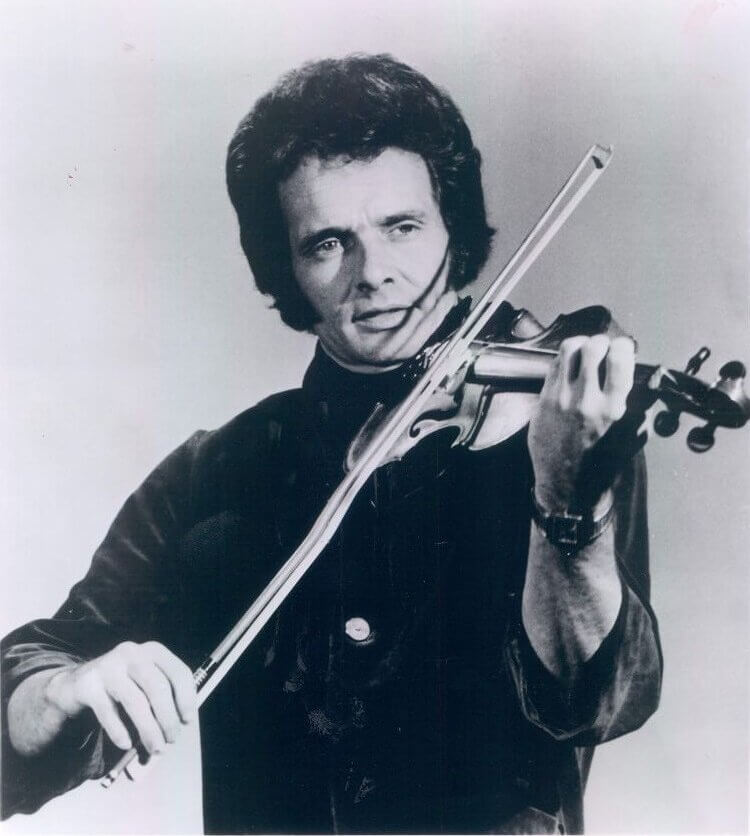
By managing his resources more carefully and touring extensively, he managed to regain his footing within a few years. His legacy remains untarnished by these temporary hardships, serving as a powerful reminder of his resilience and enduring influence within the entertainment community.
George Jones's Alimony Battles and Tour Absences
George Jones battled well documented personal demons that eventually led to a massive financial crisis in the late 1970s and early 1980s. He allegedly missed dozens of scheduled concert appearances, which resulted in costly lawsuits from furious promoters and venue owners. Furthermore, he faced substantial alimony payments and extensive legal fees following his high profile divorce, pushing him into bankruptcy in 1979. To turn his life around, the powerhouse vocalist sought treatment and rededicated himself to his recording career.
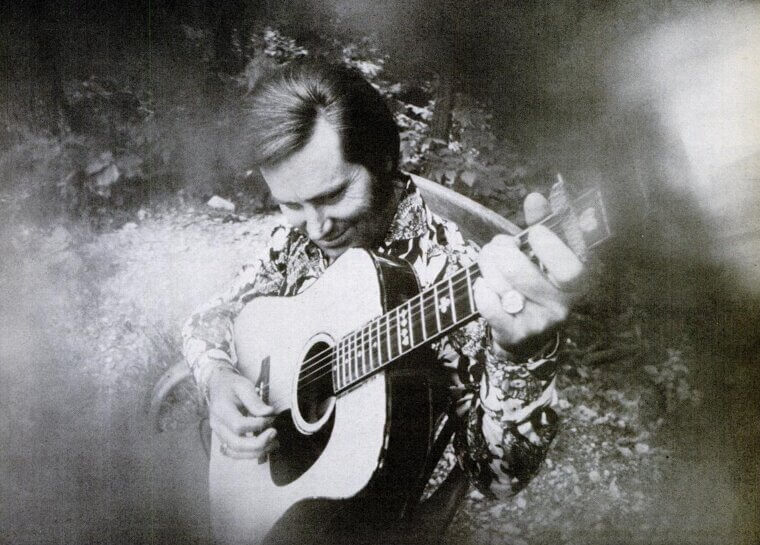
Releasing several massive hit singles in the following decade, he slowly paid off his creditors and restored his public image. His triumphant return to the top of the charts remains 1 of the most inspiring comebacks in modern musical history.
Waylon Jennings's Reported Mismanagement and Debt Crisis
Waylon Jennings faced major financial hurdles in the 1980s despite being one of the most successful pioneers of the outlaw movement. He allegedly suffered from poor financial management and extravagant spending habits that quickly drained his substantial royalties. The iconic guitar player found himself facing overwhelming debts, so he restructured his professional team and focused heavily on producing new material.
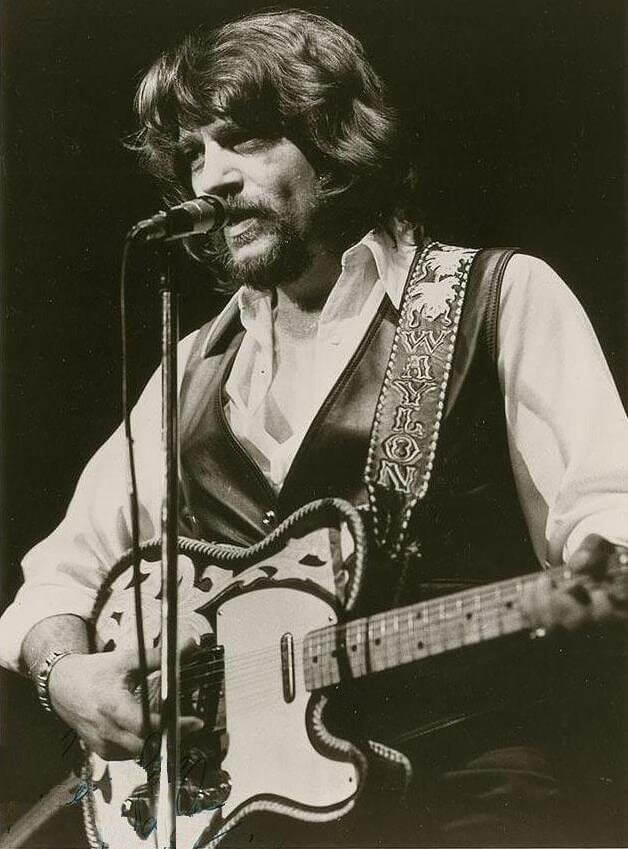
Through relentless touring and strategic collaborative projects with other artists, he systematically eliminated his financial burdens. His ability to navigate these turbulent waters allowed him to secure a comfortable future while leaving behind a legendary catalog of groundbreaking recordings.
Jo Dee Messina's Heartbreaking 2013 Bankruptcy Filing
Jo Dee Messina achieved massive success in the late 1990s, but she faced a devastating financial downturn just over a decade later. She reportedly planned to file for bankruptcy in 2013, citing overwhelming debts that exceeded 5 million dollars due to various professional setbacks. Her monetary struggles were allegedly exacerbated by a lack of steady touring income and changing dynamics within the recording industry. Rather than letting the situation define her legacy, the energetic performer launched a successful crowdfunding campaign to finance her independent music projects.

Her loyal fan base rallied behind her, providing the necessary capital to release new music on her own terms. This innovative approach allowed her to reclaim her independence and slowly rebuild her personal wealth over time.
Sammy Kershaw's 2007 Chapter 13 Financial Restructuring
Sammy Kershaw thrilled audiences with his traditional sound, yet he struggled significantly behind the scenes with various business ventures. He reportedly declared bankruptcy in 2007 after a series of failed investments, including a troubled restaurant franchise that drained his resources. The beloved vocalist allegedly owed millions of dollars to numerous creditors, forcing him into a complex financial reorganization process. Determined to correct his course, he dissolved his unprofitable business interests and returned his focus entirely to his musical roots.

By hitting the road for extended tours and connecting directly with his core audience, he steadily improved his economic situation. His dedication to his craft ultimately saved his career, proving that sticking to what you know best is often the smartest strategy.
Wynonna Judd's Alleged Tax Liens and Foreclosure Threats
Wynonna Judd reigned supreme on the charts for years, but she eventually encountered severe monetary turbulence during her solo career. She reportedly faced numerous tax liens and even the threat of foreclosure on her properties after a series of financial missteps. Her economic difficulties were allegedly tied to excessive spending and complex legal disputes that drained her extensive savings accounts. To bounce back, the powerhouse vocalist scaled back her lavish lifestyle and focused on rigorous touring schedules to generate immediate capital.

She also explored television opportunities and reality programming to diversify her income streams during challenging periods. Ultimately, her undeniable vocal talent and relentless work ethic allowed her to overcome these obstacles and stabilize her financial standing for the future.
Jerry Lee Lewis's Decades Long Battles With the IRS
Jerry Lee Lewis generated incredible wealth throughout his historic career, but his relationship with federal tax authorities was notoriously problematic. He reportedly accumulated millions of dollars in tax liens over several decades, leading to the seizure of various personal assets. The explosive piano player allegedly filed for bankruptcy in 1988 in an attempt to reorganize his massive debts and protect his remaining properties. Despite these monumental setbacks, he continued to draw massive crowds around the world, relying on his dynamic live performances to stay afloat.

By performing tirelessly well into his later years, he managed to satisfy many of his obligations and maintain a comfortable lifestyle. His enduring stage presence proved to be his greatest financial asset during his darkest economic times.
Tanya Tucker's Reported Spending Sprees and Lawsuits
Tanya Tucker experienced massive fame at a very young age, which unfortunately led to complex financial hurdles later in her life. She allegedly struggled with excessive spending habits and faced several costly lawsuits that significantly depleted her initial fortune. At 1 point, she reportedly owed substantial amounts to government tax agencies, forcing her to reevaluate her professional strategies. To reclaim her financial stability, the distinct vocalist embraced a rigorous touring schedule and released several critically acclaimed albums.
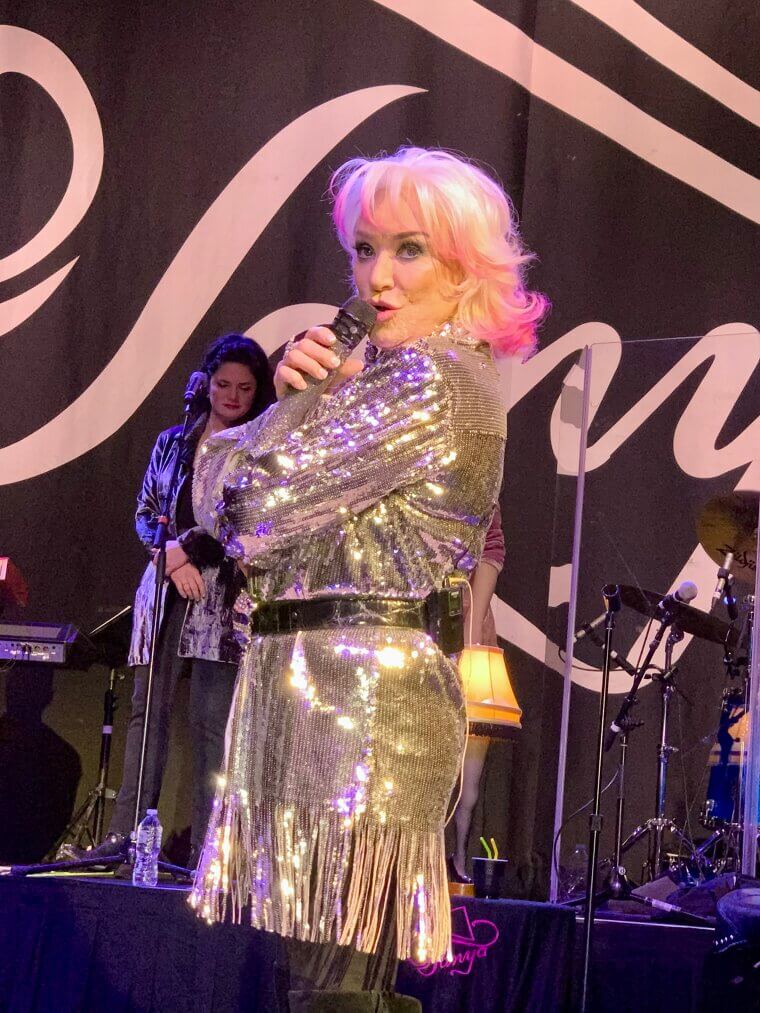
Her willingness to share her struggles openly endeared her to a new generation of listeners, boosting her marketability. Today, she enjoys a revitalized career and solid financial standing, having learned valuable lessons from her earlier economic misadventures.
LeAnn Rimes's Massive Lawsuit Against Her Own Father
LeAnn Rimes burst onto the scene as a teenage prodigy, but her massive early earnings became the subject of a bitter legal dispute. She reportedly sued her own father and former manager for 7 million dollars, alleging that they had grossly mismanaged her accumulated wealth. The highly publicized court battle dragged on for years, costing her significant amounts in legal fees and emotional distress. After eventually settling the matter out of court, she took full control of her business affairs and revamped her management team.

By diversifying her career into acting and continuing to release successful crossover hits, she managed to rebuild her fortune independently. Her courageous stance secured her financial future and established her as a savvy businesswoman in a tough industry.
Lorrie Morgan's Surprising 2008 Chapter 7 Bankruptcy
Lorrie Morgan captivated fans with her emotive voice, yet she faced a startling economic reality when she filed for bankruptcy in 2008. She reportedly listed millions of dollars in liabilities, stemming from a combination of unpaid taxes, legal fees, and personal loans. The talented singer allegedly struggled to maintain her lavish lifestyle as her radio airplay decreased and touring revenue began to fluctuate. To recover from this devastating blow, she downsized her living arrangements and focused on intimate acoustic tours that offered better profit margins.

By collaborating with other veteran artists and recording independent projects, she slowly restored her financial independence. Her journey highlights the importance of adaptability and perseverance when navigating the unpredictable nature of the entertainment business.
Travis Tritt's Management Disputes and Financial Hurdles
Travis Tritt enjoyed massive commercial success in the 1990s, but he later encountered significant monetary hurdles due to professional conflicts. He reportedly engaged in a prolonged and costly legal battle with his former management team over disputed commissions and contract terms. These extensive litigation expenses allegedly put a major strain on his finances, temporarily stalling his career momentum and reducing his liquid assets. Refusing to be sidelined, the southern rock influenced singer launched his own independent label to maximize his profit margins on future releases.

He also maintained a relentless touring schedule, performing hundreds of shows annually to generate steady, reliable income. His strategic business moves ultimately allowed him to regain his financial footing and maintain his status as a top tier performer.
Randy Travis's Costly Divorce and Business Setbacks
Randy Travis revolutionized the genre with his traditional approach, but his personal life eventually caused significant economic disruptions. He reportedly lost a massive portion of his fortune during a highly publicized divorce settlement that required the division of substantial assets. Additionally, he allegedly suffered major losses from various business investments that failed to yield the expected returns during the early 2000s. To bounce back, the iconic baritone focused entirely on his passion for performing and acting, taking on numerous film and television roles.
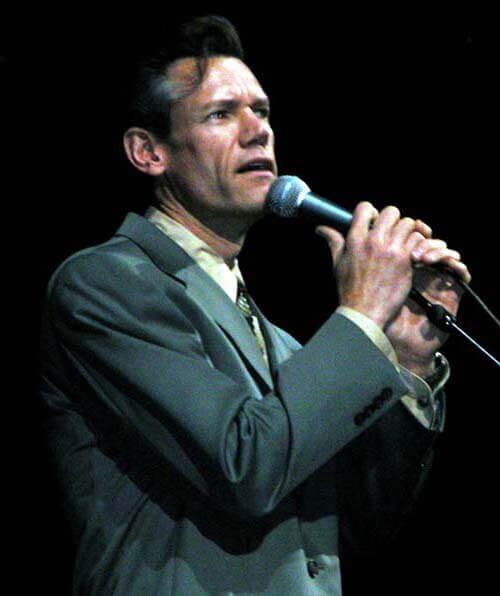
His pivot to gospel music also opened up entirely new revenue streams and introduced him to a dedicated new audience. These calculated career choices helped him rebuild his wealth before tragically suffering a massive stroke in 2013.
Shania Twain's Highly Publicized Split and Settlement
Shania Twain shattered sales records around the globe, yet her massive fortune took a significant hit during her heartbreaking personal crisis. She reportedly parted with a substantial portion of her accumulated wealth during her divorce from her long time producer and husband. The division of their extensive shared assets and international properties allegedly required complex legal negotiations that proved incredibly costly. After taking a hiatus to heal both emotionally and physically, the global superstar launched a highly lucrative residency in Las Vegas.

This strategic move provided a stable, massive income stream without the grueling demands of a traditional world tour. Her triumphant return to the stage ensured her financial security and solidified her status as an unstoppable force in entertainment.
Kenny Rogers's 1990s Real Estate Market Missteps
Kenny Rogers amassed an incredible fortune through decades of crossover hits, but his ventures outside of music weren't always successful. He reportedly lost millions of dollars during the 1990s due to a series of ill advised real estate investments and failed business concepts. The legendary entertainer allegedly poured massive amounts of capital into a restaurant franchise that eventually collapsed under heavy debt. To recover his losses, the seasoned vocalist relied on his unparalleled work ethic, embarking on massive global tours year after year.
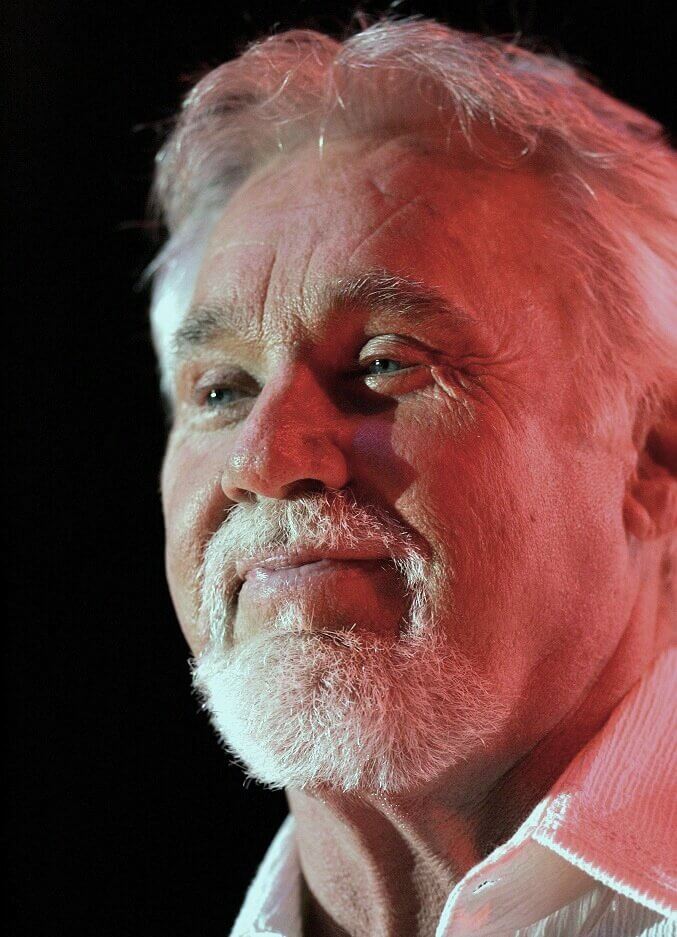
He also released several successful compilation albums and holiday records that generated consistent, reliable royalties. His ability to pivot back to his core strengths allowed him to easily recoup his losses and retire comfortably.
Garth Brooks's Historic Divorce Settlement Costs
Garth Brooks achieved unprecedented commercial heights, breaking tour records and selling millions of albums, but his personal life brought financial challenges. He reportedly paid 1 of the most expensive divorce settlements in the history of the genre, allegedly transferring over 125 million dollars to his former spouse. This massive payout significantly reduced his accumulated wealth right as he was beginning a self imposed retirement to raise his children. When he finally decided to return to the spotlight, he orchestrated a massive comeback tour that shattered previous attendance records.
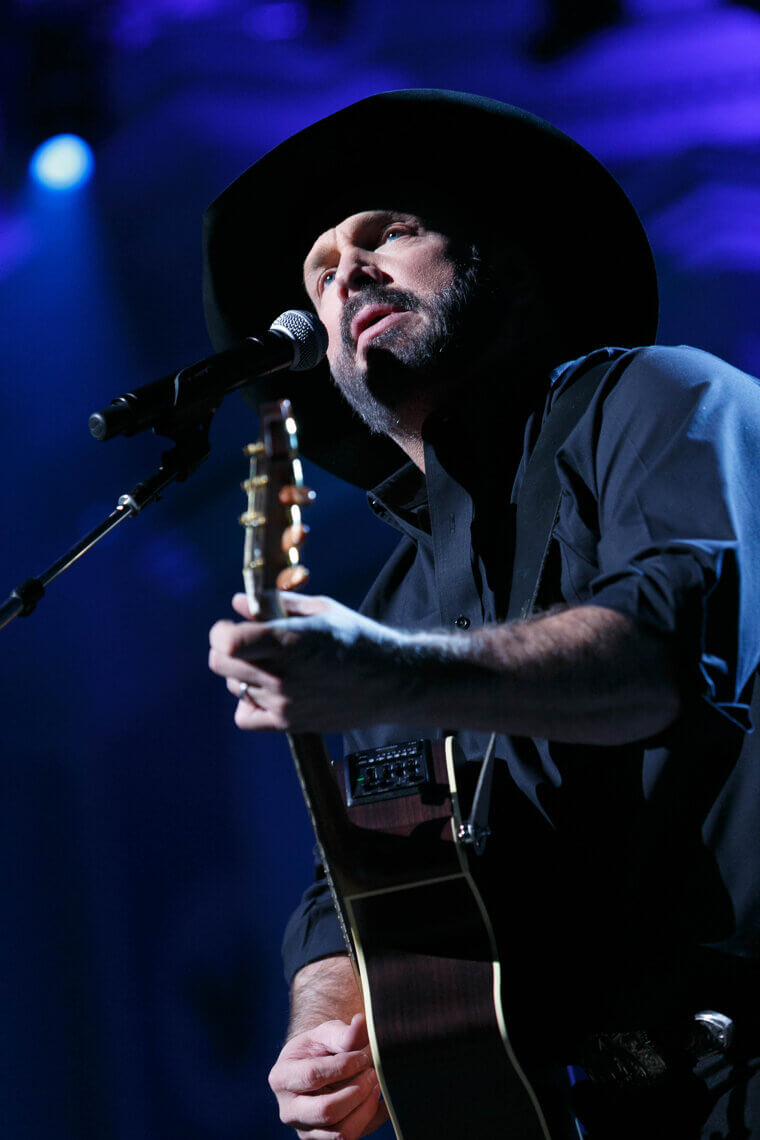
His strategic partnership with major retailers for exclusive album releases also generated unprecedented revenue. These brilliant business maneuvers quickly restored his status as 1 of the wealthiest musicians on the planet.
Glen Campbell's Reported 1980s Financial Mismanagement
Glen Campbell charmed audiences with his smooth vocals and guitar skills, but he faced serious economic turbulence during the 1980s. He reportedly struggled with severe financial mismanagement and excessive spending that rapidly depleted the massive fortune he earned in the previous decade. The talented musician allegedly faced mounting debts and substantial alimony payments from previous marriages that threatened his long term stability. Seeking a fresh start, he relocated and took greater control over his daily business operations, cutting unnecessary expenses.
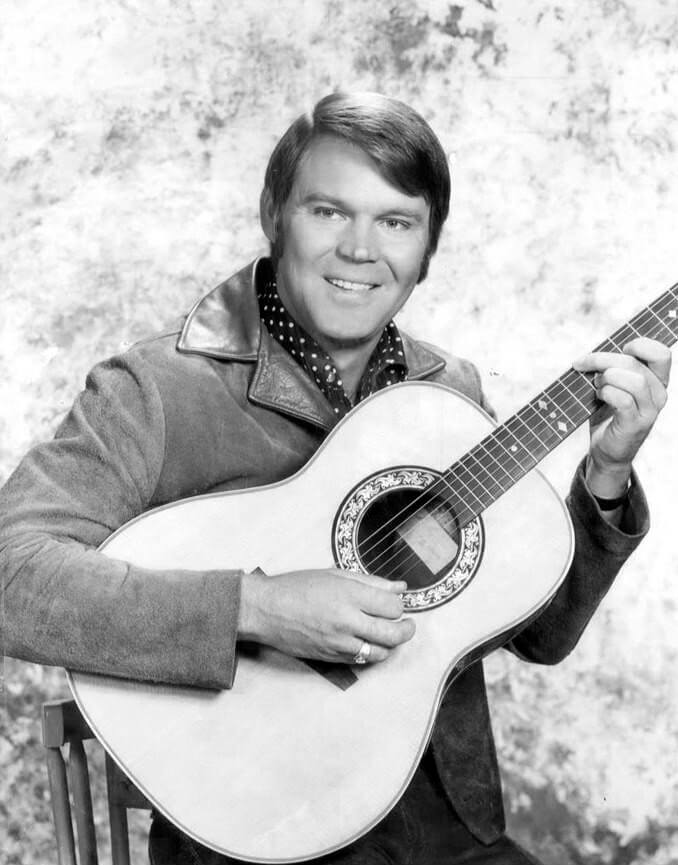
By focusing on his popular live shows in major theater venues, he secured a steady income stream that helped clear his obligations. His undeniable talent and renewed focus allowed him to enjoy a financially secure and artistically fulfilling later career.
Reba McEntire's Costly Restructuring and Split
Reba McEntire built a massive multimedia empire, but she faced a significant economic transition following a major personal upheaval. She reportedly underwent a costly financial restructuring after separating from her husband, who also served as her long time manager. Dividing their shared business assets and establishing an entirely new management infrastructure allegedly cost her millions in legal and operational fees. Showing her characteristic resilience, the legendary performer took complete control of her brand and expanded her reach into television and branded merchandise.

She also launched a highly successful residency program that provided massive guaranteed payouts without the exhaustion of traveling. Her savvy business acumen ensured that she emerged from the transition stronger and wealthier than ever before.
Tim McGraw's Multimillion Dollar Record Label Dispute
Tim McGraw consistently dominated the radio charts, but a bitter corporate conflict temporarily derailed his financial momentum. He reportedly became entangled in a massive breach of contract lawsuit with his longtime record label, which dragged on for several years. The legal battle allegedly prevented him from releasing new music, temporarily halting his primary source of income and draining resources through astronomical legal fees. Upon finally winning his freedom from the contract, he immediately signed a lucrative new deal that offered much better royalty rates.

He subsequently released a string of massive hits and embarked on record breaking stadium tours alongside his famous spouse. This decisive victory not only restored his bank account but also set a new standard for artist rights.
Dolly Parton's Early Television Production Losses
Dolly Parton is universally recognized as a brilliant businesswoman, but even she experienced major financial stumbles early in her diverse career. She reportedly lost a staggering amount of money on her ambitious television variety show in the late 1980s. The production was allegedly plagued by massive budget overruns and eventually failed to secure strong ratings, leaving her with significant debts to cover. Rather than retreating, the charismatic songwriter doubled down on her theme park investment and expanded her licensing deals.

She also continued to write and publish incredibly successful songs for herself and other major artists. Her diverse portfolio and relentless optimism ultimately transformed those early losses into a billion dollar empire that continues to grow today.
Mindy McCready's Legal Fees and Financial Hardships
Mindy McCready achieved double platinum success with her debut album, but her subsequent years were filled with intense financial and personal turmoil. She reportedly accumulated massive debts due to mounting legal fees from various court battles and highly publicized personal disputes. The talented singer allegedly lost her lucrative recording contracts, which completely halted her primary revenue streams and pushed her toward financial ruin. To attempt a recovery, she participated in several reality television programs that offered significant payouts and renewed public interest in her story.

She also attempted to independently release new music to bypass the traditional corporate gatekeepers. Though her story ended tragically, her efforts to rebuild her career demonstrated a fierce determination to overcome her financial and personal obstacles.
Doug Supernaw's Back Child Support and Bankruptcy
Doug Supernaw captured the hearts of traditional fans in the 1990s, but his career was soon overshadowed by severe economic distress. He reportedly struggled with massive child support obligations that he was unable to meet as his radio airplay began to decline. The authentic vocalist allegedly faced the garnishment of his royalties and eventually filed for bankruptcy to escape the crushing weight of his debts. Seeking a path forward, he stepped away from the mainstream spotlight to perform at smaller, independent venues across the southern states.

By reducing his overhead costs and connecting directly with his most loyal supporters, he managed to earn a modest living. His journey highlights the harsh realities of fluctuating income within the competitive entertainment landscape.
David Allan Coe's Alleged Tax Debts and Seizures
David Allan Coe cultivated a fierce outlaw persona, and his rebellious nature apparently extended to his dealings with federal tax agencies. He reportedly ignored mounting tax liabilities for years, which eventually led the government to seize his property and assets in 1990. The controversial songwriter allegedly lost his home and was forced to live out of his touring bus while attempting to satisfy the massive debt. Leaning entirely on his dedicated cult following, he played hundreds of shows in dive bars and small clubs to generate cash.

He also continued to sell massive amounts of independent merchandise directly to fans at his merchandise tables. This grassroots approach allowed him to survive his financial disaster and maintain his fiercely independent career.
Mark Chesnutt's Reported Medical Bills and Absences
Mark Chesnutt delivered dozens of classic honky tonk hits, but unexpected health issues caused significant disruptions to his earning potential. He reportedly faced substantial medical bills following serious surgical procedures that required him to cancel highly lucrative touring schedules. The traditional singer allegedly experienced severe cash flow issues as his primary source of income vanished during his required periods of vocal rest. To stabilize his finances, he focused on restructuring his tour dates to maximize profitability once he was cleared to perform again.

He also capitalized on the streaming resurgence of classic 1990s hits, which provided a steady influx of passive royalty income. His commitment to preserving his health eventually allowed him to return to the road stronger than ever.
Charlie Rich's Unfortunate 1970s Business Investments
Charlie Rich earned the nickname the Silver Fox and generated massive wealth, but his financial acumen didn't always match his musical talent. He reportedly lost a significant portion of his fortune due to ill advised agricultural investments and failed business partnerships in the 1970s. The soulful performer allegedly trusted the wrong financial advisors, leading to massive losses that threatened his comfortable lifestyle. To recoup his missing funds, he doubled down on his recording schedule and released several crossover pop hits that broadened his audience.
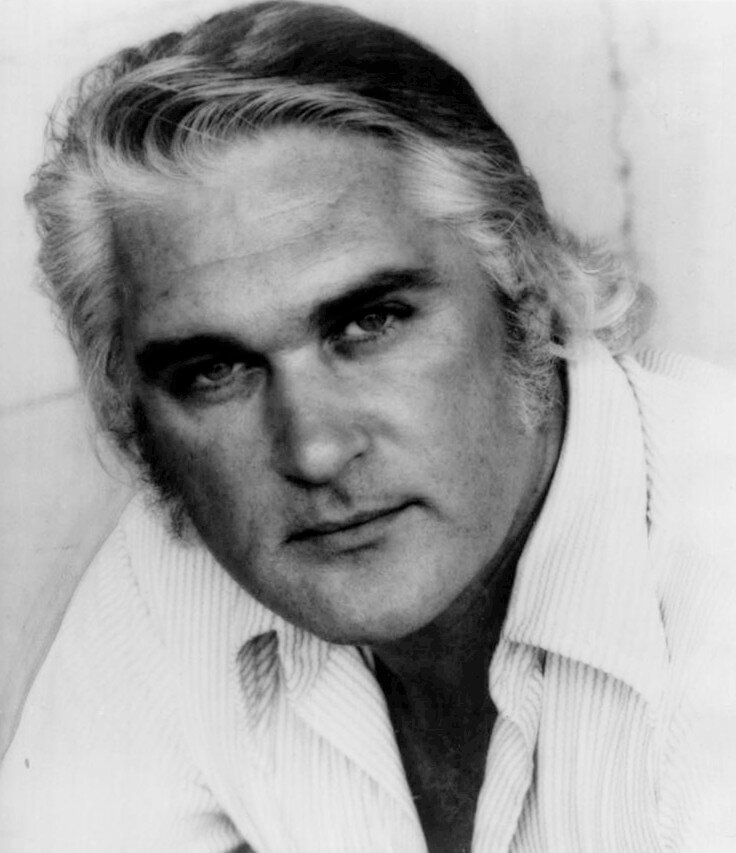
He also accepted highly paid residencies and corporate performances that quickly replenished his depleted bank accounts. By sticking to his unique musical style, he managed to overcome his poor investment choices and secure his family's future.
Tammy Wynette's Medical Expenses and Marital Setbacks
Tammy Wynette provided the soundtrack for a generation, but her personal life was fraught with costly medical and marital complications. She reportedly endured numerous expensive surgeries throughout her life, which generated massive medical bills that constantly drained her resources. Additionally, the legendary vocalist allegedly suffered financial setbacks from multiple divorces and complex property settlements that fractured her accumulated wealth. Despite these tremendous burdens, she maintained a rigorous touring schedule that kept her financially solvent.
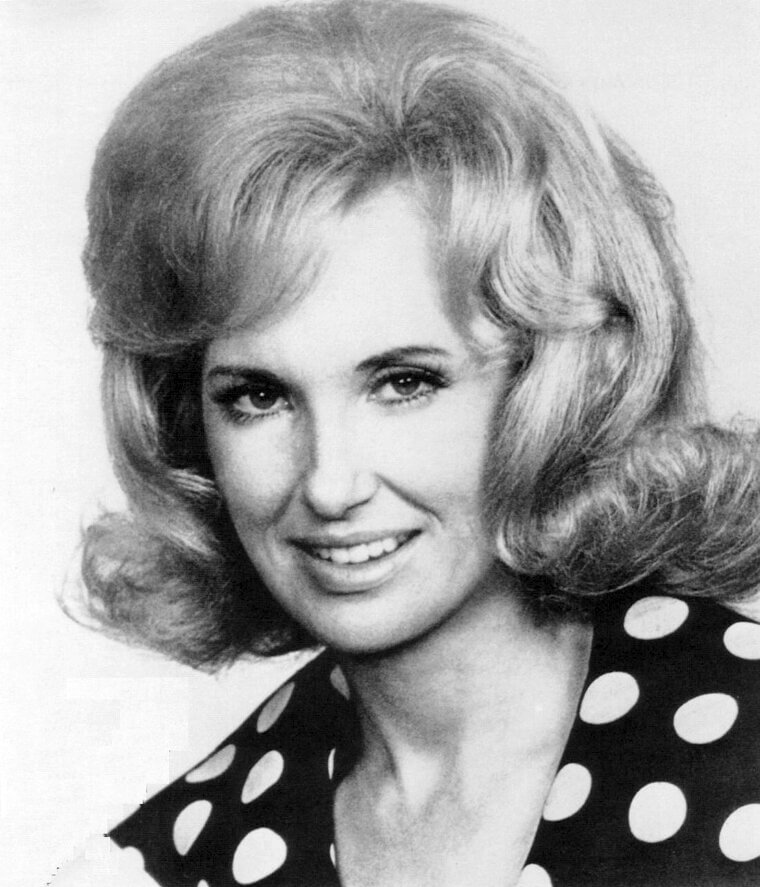
She also embraced lucrative collaborative projects with contemporary pop artists, which introduced her classic catalog to an entirely new demographic. Her undeniable work ethic and legendary voice ensured that she remained a highly paid performer until the very end of her life.
Buck Owens's Initial Radio Station Revenue Losses
Buck Owens pioneered the Bakersfield sound and built a massive empire, but his early business acquisitions were highly risky. He reportedly lost significant amounts of capital when he initially purchased several struggling local radio stations in the 1960s. The visionary performer allegedly poured his touring profits into these stations to keep them afloat during their difficult early operational years. His gamble eventually paid off brilliantly, as he transformed the stations into highly profitable entities that dominated their respective markets.
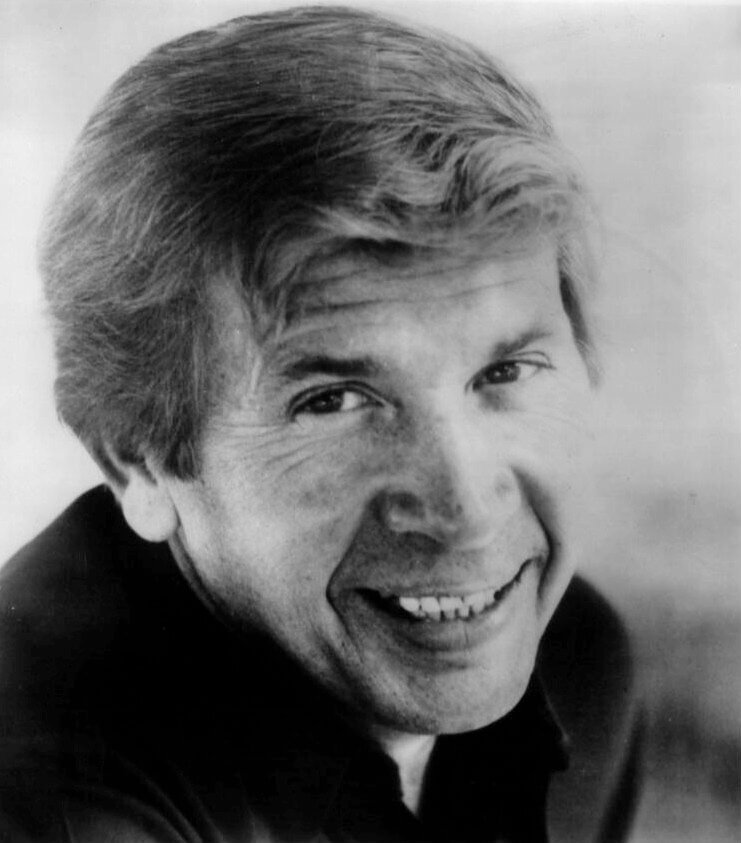
He also leveraged his television exposure on popular variety programs to drive traffic to his independent business ventures. Ultimately, his early financial losses transitioned into a massive fortune, proving his genius as both an artist and a corporate strategist.
Mel Tillis's Early Agricultural and Business Missteps
Mel Tillis was beloved for his incredible songwriting and comedic timing, yet he faced severe financial hurdles early in his journey. He reportedly made several poor agricultural investments and signed unfavorable publishing deals that severely limited his initial earning potential. The talented entertainer allegedly lost thousands of dollars on farming equipment and land that failed to produce any meaningful revenue. Realizing his mistake, he redirected his focus entirely toward his publishing catalog, eventually buying back the rights to his massive hit songs.

He also invested heavily in theater properties in tourist destinations, which provided incredibly steady returns. His strategic pivot away from farming transformed him into 1 of the wealthiest entrepreneurs in the entertainment community.
Ray Price's Costly Legal Disputes and Farm Debts
Ray Price changed the sound of traditional recordings, but his passion for farming eventually brought him face to face with financial ruin. He reportedly invested heavily in massive agricultural properties and expensive livestock, accumulating significant debt in the process. The legendary crooner allegedly faced multiple lawsuits from creditors and banks attempting to foreclose on his beloved ranch during tough economic times. To save his property, he returned to a grueling touring schedule, performing hundreds of nights a year well into his senior years.

His timeless vocal delivery ensured that fans consistently bought tickets, allowing him to slowly eliminate his agricultural debts. His unwavering dedication saved his land and solidified his reputation as a tireless working musician.
Hank Williams Jr's Legal Settlements and Alimony
Hank Williams Jr carved out a massive career completely separate from his father's legacy, but his personal life proved quite expensive. He reportedly paid out millions of dollars in legal settlements and alimony across several complex divorce proceedings over the decades. The outspoken performer allegedly saw his liquid assets significantly reduced during these prolonged legal battles, requiring him to generate immediate cash. Fortunately, his incredibly loyal fan base consistently purchased millions of concert tickets and massive amounts of branded merchandise.
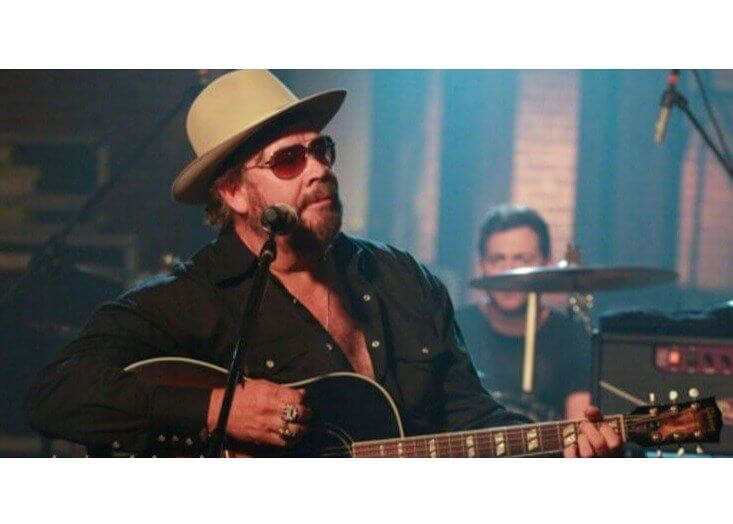
He also secured highly lucrative television contracts for sports broadcasting, which provided a massive influx of corporate money. These diverse income streams easily covered his legal obligations and kept his massive fortune largely intact.
Marty Stuart's Massive Memorabilia Collection Debts
Marty Stuart is widely respected as a brilliant musician and historian, but his passion for preservation almost cost him everything. He reportedly amassed massive debts while obsessively purchasing historically significant artifacts, stage wear, and instruments from legendary performers. The dedicated archivist allegedly spent well beyond his means, taking out significant personal loans to ensure these items were not lost to private collectors. To resolve his mounting financial pressures, he organized highly successful touring packages and secured lucrative photography publishing deals.

He also partnered with major cultural institutions to exhibit his collection, which generated substantial grants and public funding. His financial gamble ultimately paid off, resulting in a world class museum that celebrates the genre's rich history.
Johnny Paycheck's 1990 Bankruptcy During Legal Troubles
Johnny Paycheck recorded some of the most iconic working class anthems, but his own financial life was a complete disaster. He reportedly filed for bankruptcy in 1990 while dealing with massive tax debts and severe legal complications from an infamous barroom altercation. The gritty vocalist allegedly owed hundreds of thousands of dollars to federal agencies while simultaneously paying exorbitant criminal defense fees. Upon his release from a subsequent prison sentence, he immediately returned to the stage to begin paying down his massive debts.
He focused entirely on performing at smaller, regional venues where his cult following eagerly supported his comeback efforts. His perseverance allowed him to settle his financial affairs and end his career on a respectable note.
Lynn Anderson's Legal Battles and Resulting Woes
Lynn Anderson achieved international crossover fame, but her later years were marked by complex legal and financial difficulties. She reportedly spent hundreds of thousands of dollars defending herself in various highly publicized court cases regarding personal conduct. These mounting legal fees allegedly depleted her savings, forcing her to significantly alter her comfortable lifestyle and seek new revenue streams. To combat these losses, the talented equestrian capitalized on her enduring popularity in international markets, booking lucrative overseas tours.

She also released targeted gospel and bluegrass projects that appealed to specific, dedicated audiences who eagerly purchased physical copies. Her strategic musical choices provided the necessary funds to overcome her legal debts and maintain her artistic dignity.
Billy Joe Shaver's Significant Legal Defense Fees
Billy Joe Shaver was a foundational figure in the outlaw movement, but a controversial incident nearly ruined him financially. He reportedly accumulated staggering legal fees defending himself against serious charges following a highly publicized shooting incident in 2007. The legendary songwriter allegedly drained his entire life savings to hire top tier defense attorneys to secure his eventual acquittal. Following the trial, he capitalized on the massive media attention by releasing critically acclaimed new material and embarking on a triumphant tour.

Fans flocked to his shows to support him, resulting in a massive surge in merchandise and ticket sales. This outpouring of public support completely replenished his bank accounts and cemented his legendary outlaw status.
John Michael Montgomery's Financial Setbacks and Suits
John Michael Montgomery ruled the radio waves in the 1990s, but physical ailments and legal issues disrupted his financial trajectory. He reportedly lost substantial income when severe vocal issues and physical injuries forced him into a prolonged hiatus from touring. Furthermore, he allegedly faced costly legal disputes regarding business partnerships and management contracts that further strained his resources. To orchestrate a comeback, the smooth balladeer underwent extensive physical rehabilitation and gradually returned to the touring circuit with a renewed focus.

He successfully transitioned into performing at major outdoor festivals and casinos, which offered highly lucrative, lower impact performance opportunities. His careful management of his touring schedule ultimately restored his wealth and extended his incredible career.