
Ever wonder why your favorite country star skipped their biggest hit at a concert? Sometimes, the songs that build a career are the very ones artists grow to resent. From goofy novelties to painful memories, dive into the surprising reasons country legends refuse to play their most famous tracks!
Miranda Lambert - Over You
Miranda Lambert reportedly stopped playing this emotionally heavy hit on recent tours, though her reasons are highly understandable to anyone familiar with the backstory. The award-winning song is personal and tied to painful family memories that may be too difficult to revisit on a public stage every evening. Sometimes, an artist's refusal to perform a track has less to do with disliking the melody and more to do with protecting their own mental well-being.
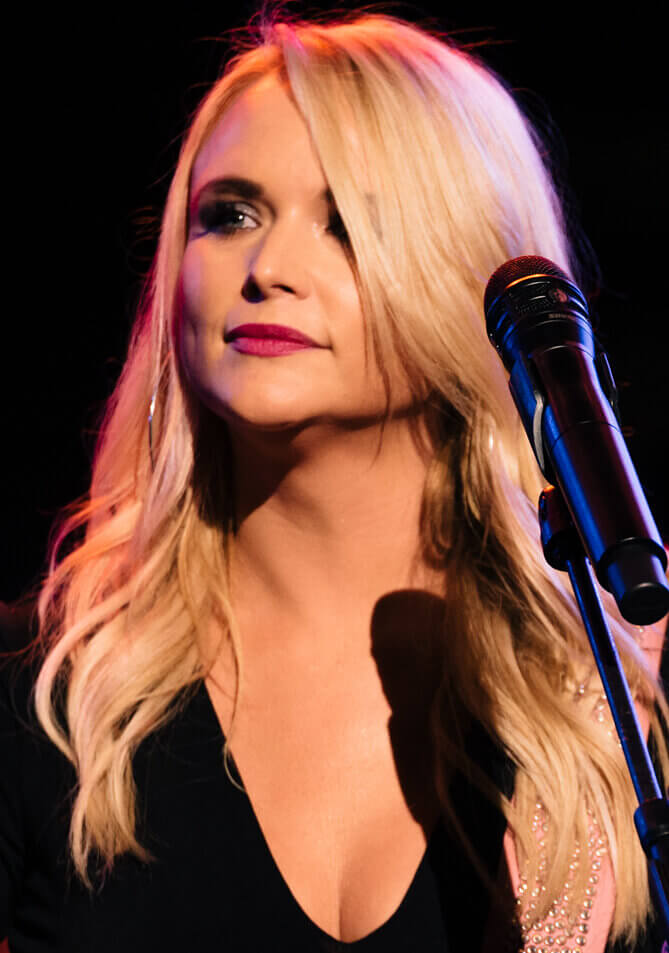
She allegedly discussed the immense emotional toll it takes to sing such a poignant story while trying to maintain a high-energy concert environment.
Blake Shelton - Austin
Blake Shelton owes his television and music career to this debut single, but there are whispers that the emotional weight sometimes makes it difficult for him to perform live. The nostalgic lyrics bring back early career struggles and memories that can be overwhelming for the veteran star. It remains a requested staple, but the toll of singing such a poignant story night after night is a burden many performers carry.

He reportedly rotates it out of his setlist occasionally to give himself a break from the heavy emotional lifting required to deliver it authentically.
Kenny Chesney - She Thinks My Tractor's Sexy
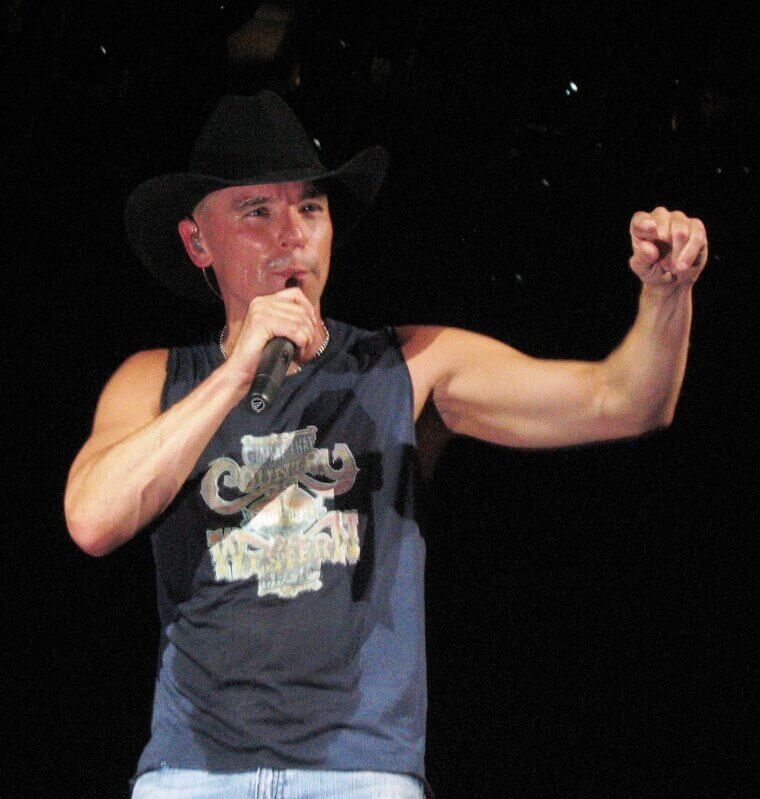
Kenny Chesney has long been vocal about his mixed feelings regarding this specific novelty hit from the late 1990s. While it is undeniably catchy and popular with tailgaters, he reportedly feels it fails to represent his true storytelling capabilities. He has often joked about the track's absurdity during interviews, showing a self-deprecating sense of humor while simultaneously distancing himself from the goofy subject matter. He allegedly tried to remove it from his stadium tours several times, but the loud audience backlash forced him to reluctantly add the farm-themed anthem back into the encore.
Toby Keith - Red Solo Cup
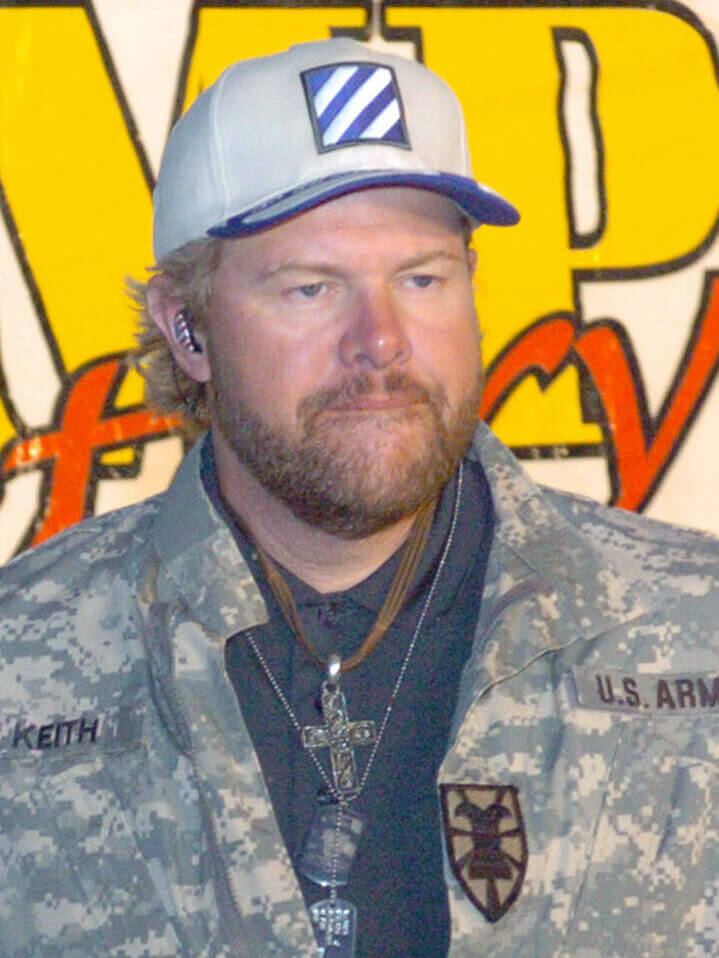
Toby Keith allegedly viewed this wildly successful party anthem as something of a joke recording rather than a serious musical endeavor. He recognized its massive appeal across different demographics but didn't take the frat-party lyrics seriously as a piece of art. The fact that such a silly, simplistic track became one of his biggest lifetime hits is a testament to the unpredictable nature of audience tastes. He reportedly laughed at the music video's low budget and often seemed amused that fans requested it more than his heartfelt, patriotic ballads during his extensive global tours.
Alan Jackson - Chattahoochee
Alan Jackson is rumored to have been initially hesitant about releasing this iconic upbeat track as an official single. He reportedly felt the lyrics were a bit too silly and didn't fit the traditional honky-tonk mold he preferred to cultivate for his brand. The track went on to become one of his signature tunes, proving that sometimes the recordings a musician is most unsure of end up being their biggest career definers.
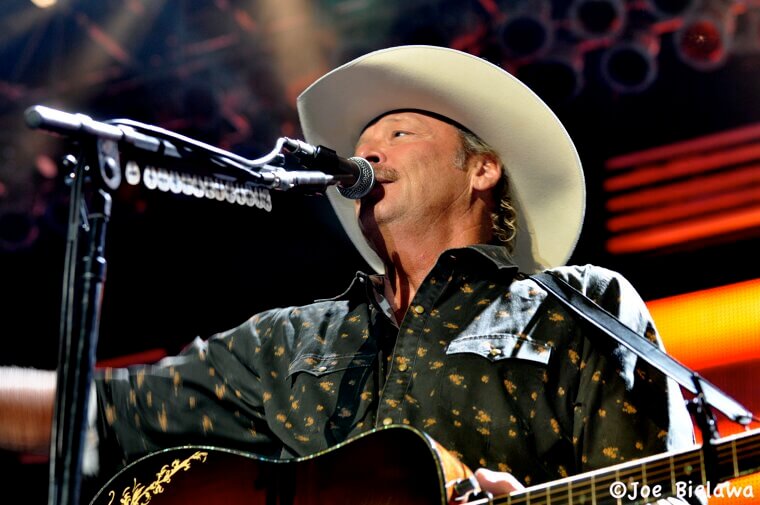
He allegedly grew to appreciate the song only after seeing how much joy it brought to concertgoers, though he still considers it an outlier in his catalog.
Tim McGraw - Indian Outlaw
Tim McGraw's debut hit generated immediate controversy upon release, and it remains a song he rarely performs today. The cultural insensitivity of the lyrics is something he has seemingly recognized and chosen to leave behind as his career matured. As society evolves, public figures often re-evaluate their early work and make conscious decisions to retire material that no longer aligns with current social values. He reportedly feels his catalog is strong enough that he doesn't need to rely on a divisive track to entertain a modern audience.
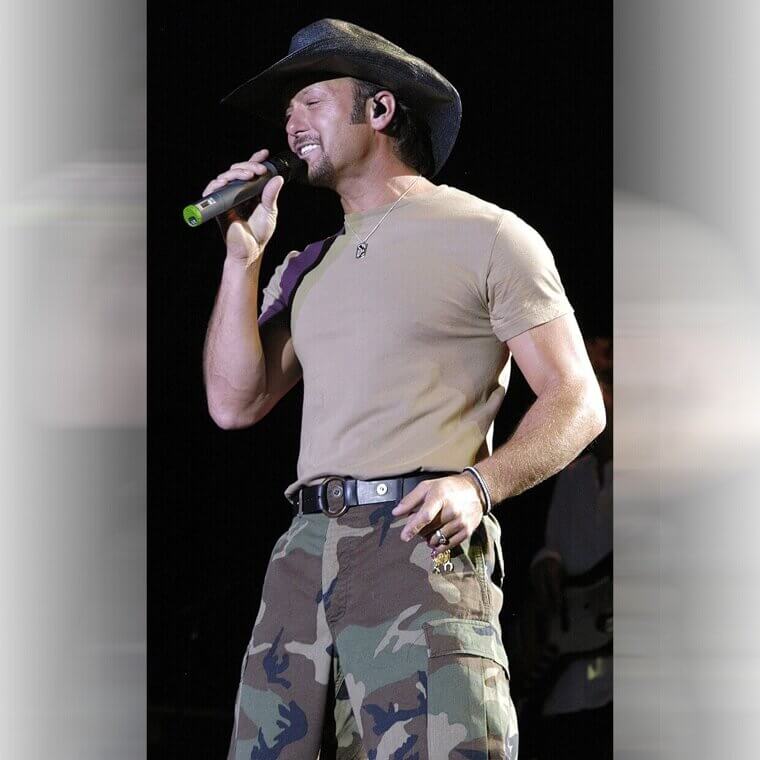
The decision reflects a broader trend of artists outgrowing their initial novelty singles.
Shania Twain - That Don't Impress Me Much
Shania Twain still performs this massive pop-crossover hit, but there have been persistent rumors that she occasionally tires of its demanding vocal runs. The sheer ubiquity of the track in the late 90s meant she had to sing it thousands of times across the globe. When a song reaches that level of global saturation, it is natural for the vocalist to feel a bit fatigued by the repetitive arrangement. She allegedly alters the melody slightly during live shows just to keep herself engaged.

Despite the occasional burnout, she remains visibly grateful for the immense success it brought her.
Waylon Jennings - Are You Sure Hank Done It This Way
Waylon Jennings was reportedly pitched this particular song simply because his own name appeared in the lyrics, which was apparently enough to convince him to lay down the vocal tracks. He admitted in his autobiography that he never actually cared for the upbeat tempo or the repetitive chord structure. The outlaw legend allegedly complained to his touring drummer about being forced to play the hit during every single live show.
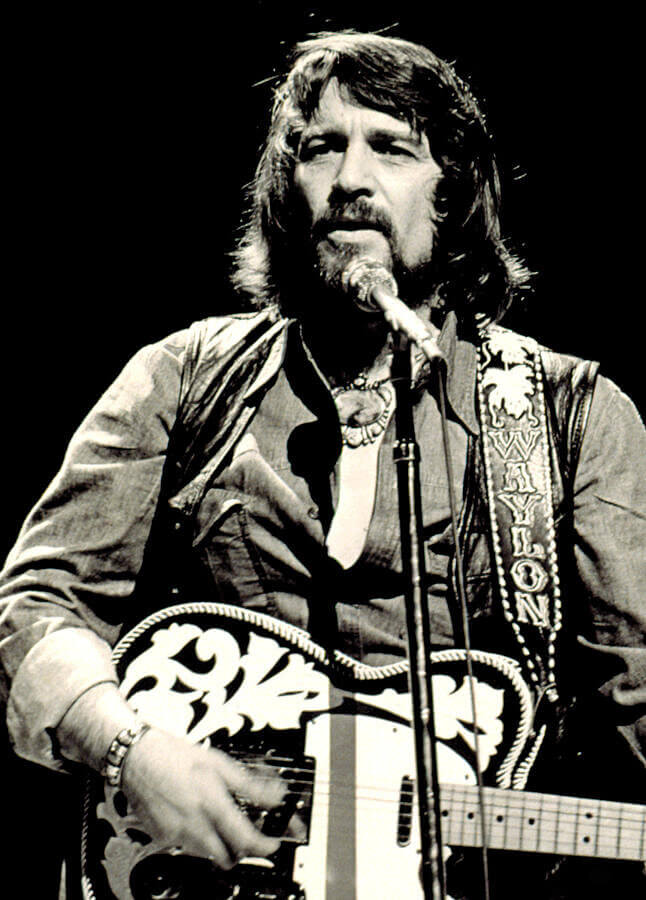
The constant demand served as a daily reminder for him to exercise more caution when selecting future radio singles. He eventually accepted its place in his expansive catalog, though he rarely hid his annoyance.
Reba McEntire - Fancy
Reba McEntire loves her signature story song, but it is rumored that she sometimes finds the emotional intensity exhausting to deliver night after night. The tragic storyline of poverty and survival requires a significant theatrical performance effort to execute properly. Despite the emotional toll, she continues to perform it masterfully, recognizing its crucial importance to her longtime fans. She allegedly structures her concerts carefully so she has time to recover vocally and emotionally after delivering the powerful climax.

The track remains a cornerstone of her legacy, even if it demands a lot from her physically.
Garth Brooks - Friends in Low Places
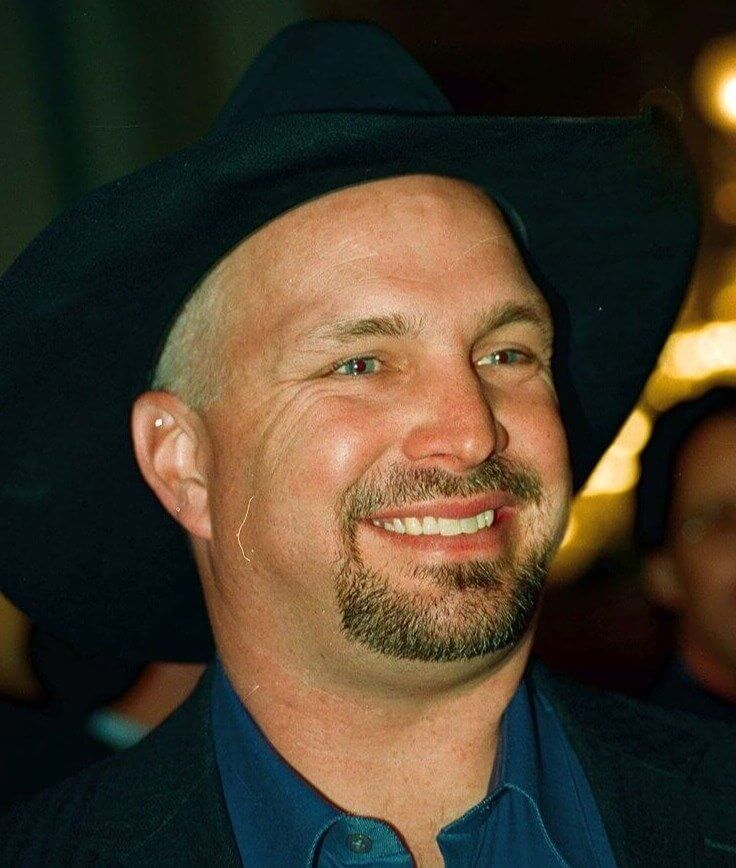
It is hard to imagine, but there are whispers that Garth Brooks sometimes feels overshadowed by the monumental success of this specific barroom anthem. The expectation to perform the hit flawlessly every night can be a heavy burden for the legendary entertainer. The energy of the stadium crowd usually takes over, ensuring the song remains a massive fixture in his live shows despite any private reservations. He reportedly worries that casual listeners only know him for this one drinking song, ignoring his extensive catalog of nuanced ballads and intricate storytelling tracks that he values highly.
Dolly Parton - I Will Always Love You
Dolly Parton has never hated this beautiful composition, but she reportedly found it challenging to perform after Whitney Houston released her monumental pop cover. The soaring vocals of Houston's version shifted the general public's expectation of how the song should sound on a grand stage. Dolly ultimately embraced the financial success of the cover, but navigating the shadow of such a massive pop culture moment was a unique challenge for the original songwriter.
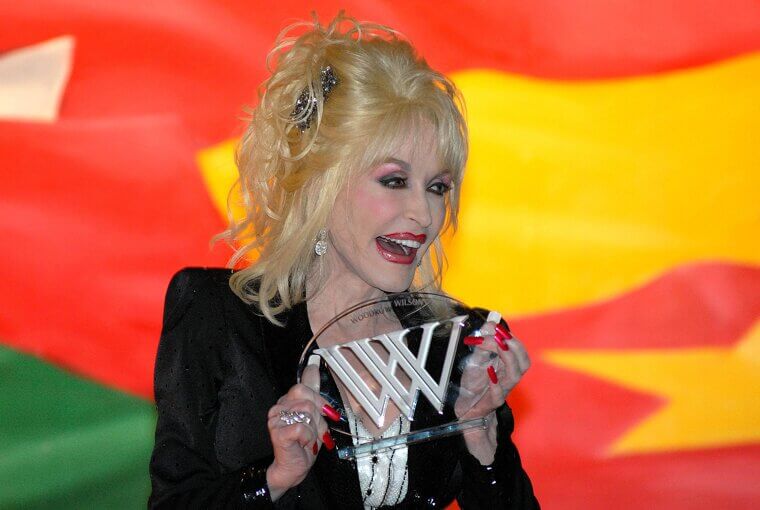
She allegedly reverted to performing it as a quiet acoustic number to differentiate her intimate version from the powerhouse cinematic rendition.
Gretchen Wilson - Redneck Woman
Gretchen Wilson allegedly had a complicated relationship with her signature empowerment song during the peak of her early fame. She initially fought against recording the rebellious anthem, though she eventually came to embrace the message it sent to working-class listeners. The overwhelming cultural success of the track defined her entire public persona, which can often make an artist resent the composition responsible for their lack of privacy. She reportedly felt pressured to maintain the tough, party-girl image portrayed in the lyrics.
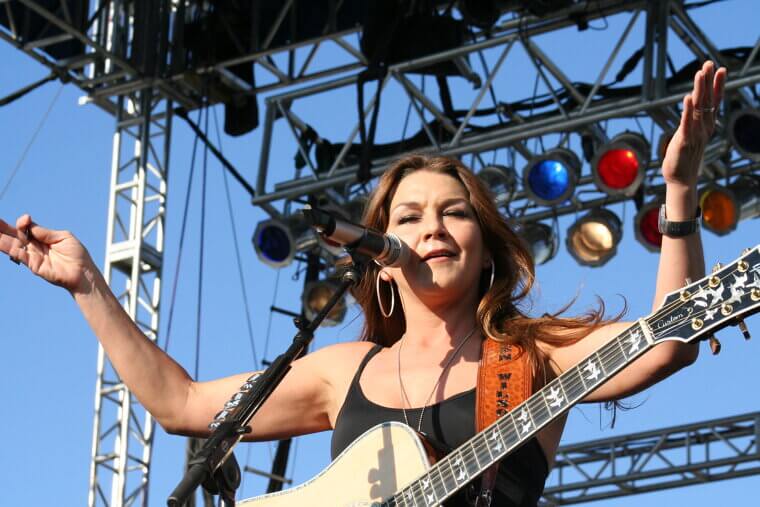
While she still performs it, navigating that level of sudden mainstream fame was a significant hurdle.
Johnny Cash - A Boy Named Sue
Johnny Cash famously recorded this Shel Silverstein-penned novelty song live at San Quentin prison without having rehearsed it thoroughly. While it was a huge commercial hit, he reportedly didn't take it very seriously and considered its success a bit of a fluke. The song's humorous nature contrasted sharply with his typical dark persona, leading to a somewhat ambivalent relationship with the famous track. He allegedly read the lyrics off a piece of paper during the iconic performance.
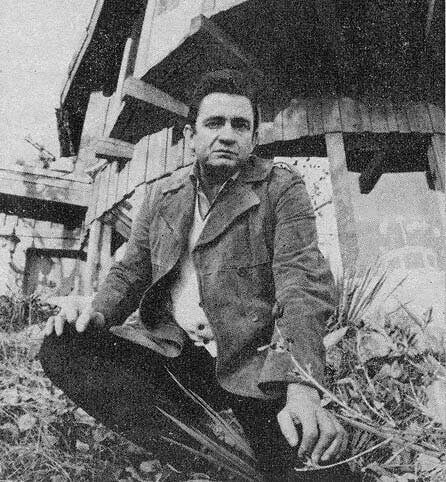
He rarely prioritized it in later years, preferring to focus on his gospel recordings and prison reform anthems.
Willie Nelson - To All the Girls I've Loved Before
Willie Nelson's unique duet with Julio Iglesias was a massive crossover success, but rumors suggest Willie occasionally found the pop-heavy production jarring compared to his roots. The collaboration was highly unusual for the era, and it remains a distinct outlier in his vast, stripped-down catalog. This difference in musical style perhaps explains any lingering ambivalence he might have towards performing it live without his duet partner. He reportedly agreed to the project mostly for the interesting cultural crossover experience.
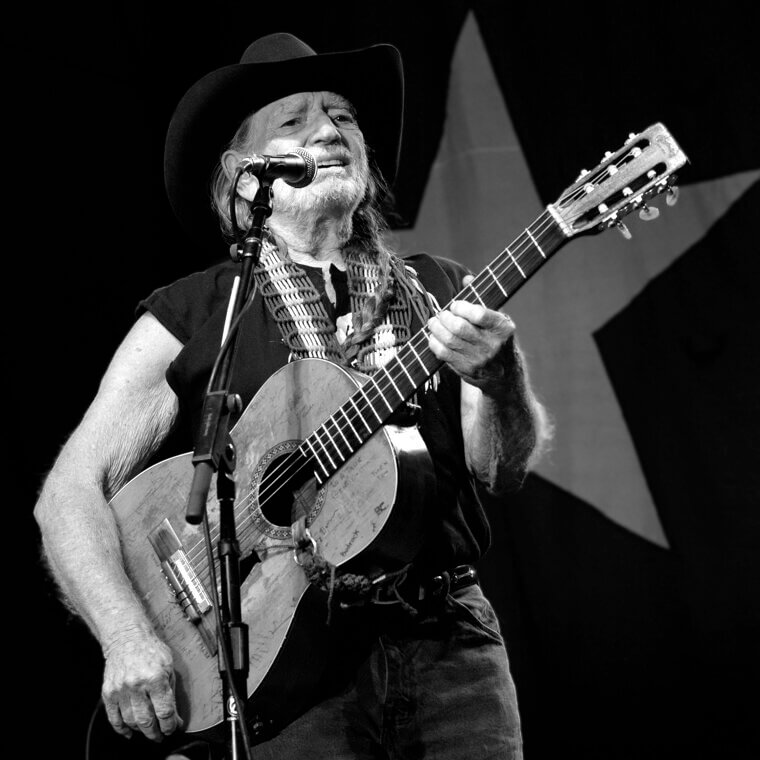
He rarely plays it with his own family band, sticking to his traditional outlaw standards instead.
Loretta Lynn - The Pill
Loretta Lynn faced significant radio backlash for this controversial song about reproductive freedom in the 1970s. While she stood firmly by the message, the constant need to defend the track to conservative programmers may have made it exhausting to perform at times. The song cemented her reputation as a fearless trailblazer, but the controversy it generated undoubtedly added stress to her touring schedule during that era. She allegedly received threats for refusing to remove it from her setlist.
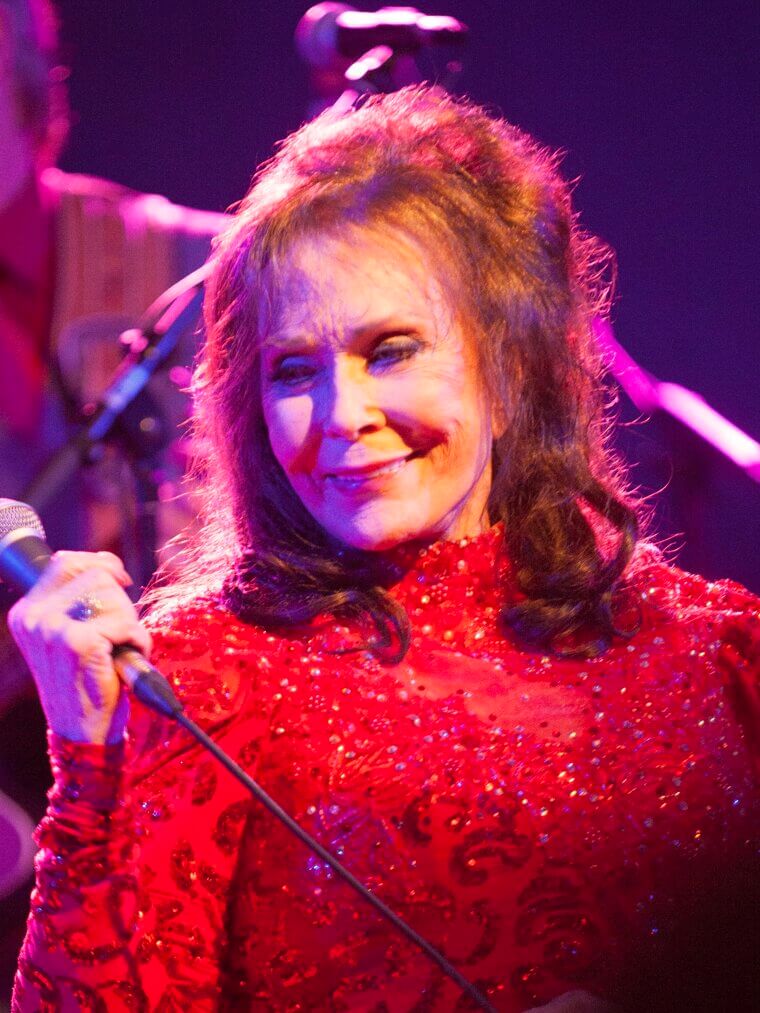
Despite the pushback, she maintained that rural women needed to hear the honest, groundbreaking lyrics.
George Jones - He Stopped Loving Her Today
George Jones famously hated this devastating ballad when he first recorded it, allegedly calling it morbid and predicting nobody would buy a copy. He was entirely wrong, as it quickly became his defining signature hit and won numerous awards. He eventually changed his tune and embraced the song's popularity, but his initial stubborn resistance remains a legendary piece of studio lore. He reportedly struggled to record the spoken-word section without laughing, frustrating his producer endlessly.
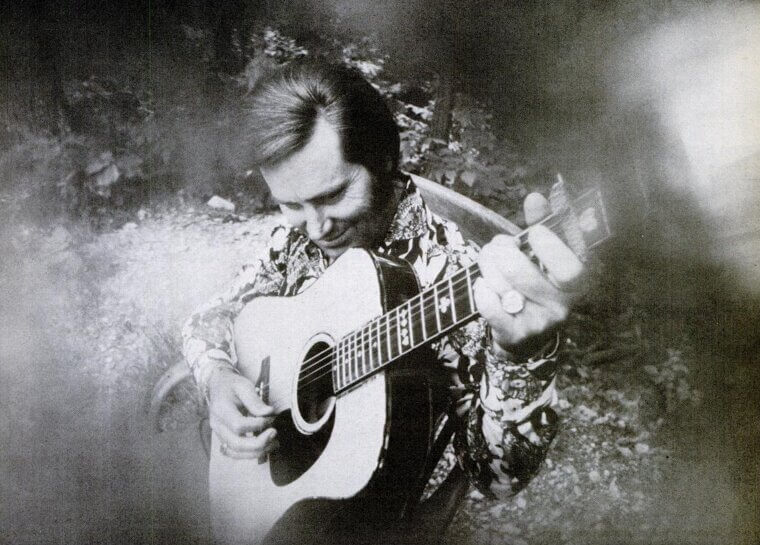
It went on to revive his slumping career, proving that artists aren't always the best judges of their own material.
Patsy Cline - Walkin' After Midnight
Patsy Cline was reportedly very unhappy with the pop-leaning arrangement of this early smash hit. She strongly desired to record traditional honky-tonk music and felt the upbeat style compromised her artistic vision for her debut releases. She was ultimately persuaded to record it by her label, and its success effectively launched her mainstream career. However, she allegedly complained to friends that it sounded too much like a generic pop tune.
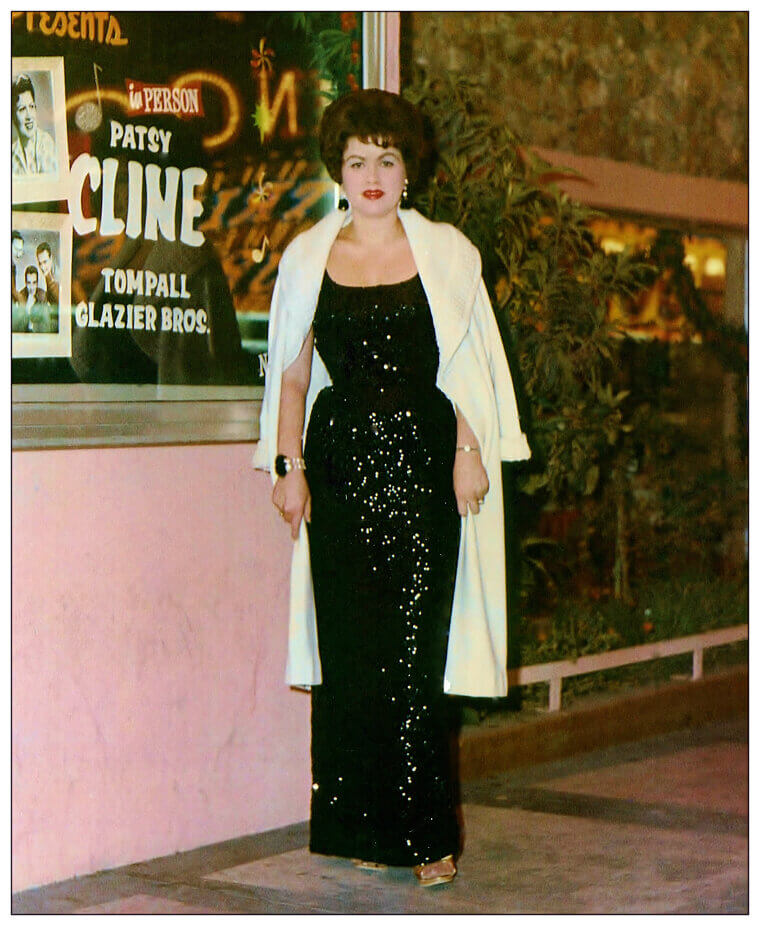
She always preferred her later, more traditional recordings, pushing her producers to allow more steel guitar and fiddle on her subsequent recording sessions.
Tammy Wynette - Stand By Your Man
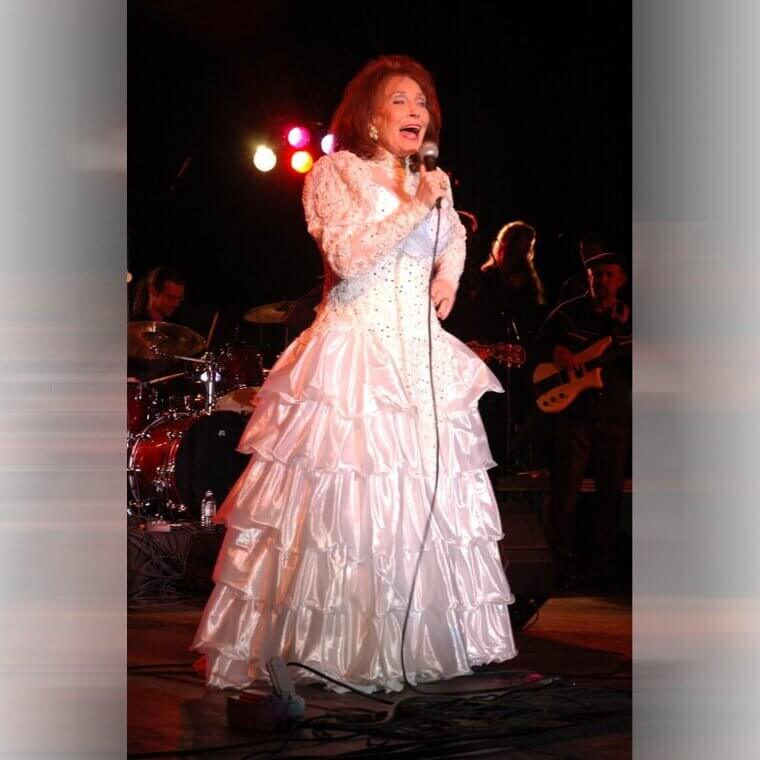
Tammy Wynette's signature song has been a frequent lightning rod for feminist criticism since its original release. She frequently had to defend the song's submissive-sounding lyrics in interviews, which likely led to a complicated personal relationship with the track over the decades. While she consistently defended her work as a song about forgiveness, the constant public debate surrounding the lyrics undoubtedly colored her experience performing it. She allegedly grew tired of journalists asking her to explain the political implications of a song she claimed was written in just 15 minutes.
Conway Twitty - Hello Darlin'
Conway Twitty reportedly viewed his signature spoken-word opening line as a bit of a cheesy gimmick, even though it became instantly recognizable. The intense pressure to always open his concerts with that specific greeting may have felt artistically restrictive over time. It became a beloved tradition for his dedicated fans, but performers often chafe against the expectations created by their most famous catchphrases. He allegedly tried dropping the spoken intro a few times, only to be met with loud confusion from the audience.
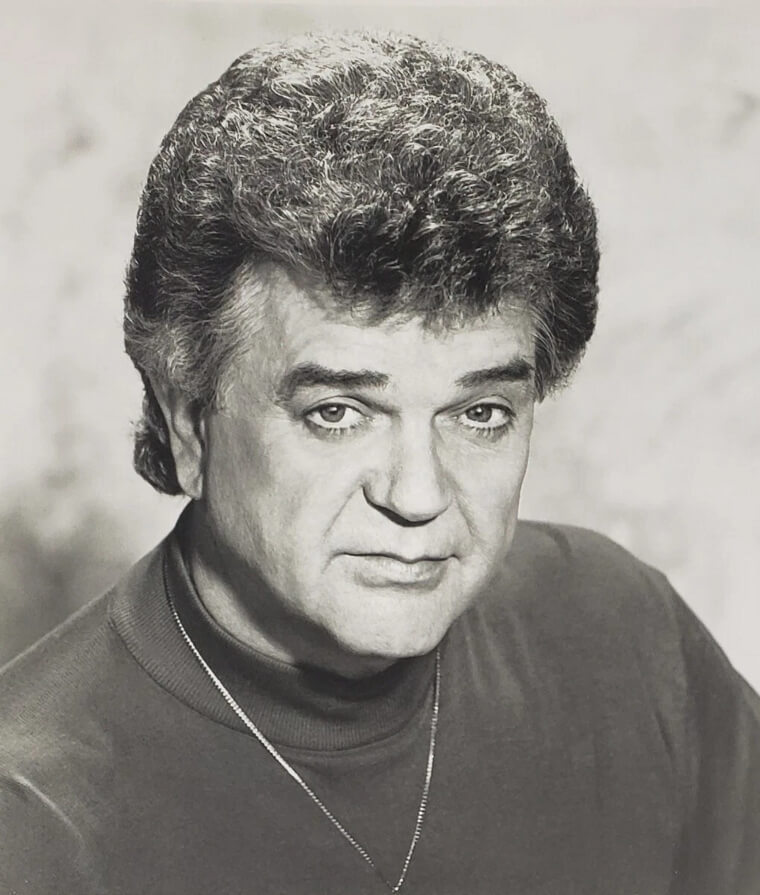
He eventually resigned himself to delivering the iconic greeting at every single show.
Marty Robbins - El Paso
Marty Robbins' epic western ballad is widely considered a storytelling masterpiece, but its extreme length reportedly made it a challenging song to program. Clocking in at over four minutes, it was highly unusual for the radio era and difficult to fit into live sets or tight television broadcasts. While he was intensely proud of the historical work, the logistical challenges it presented may have caused occasional frustration for the artist and his management team.
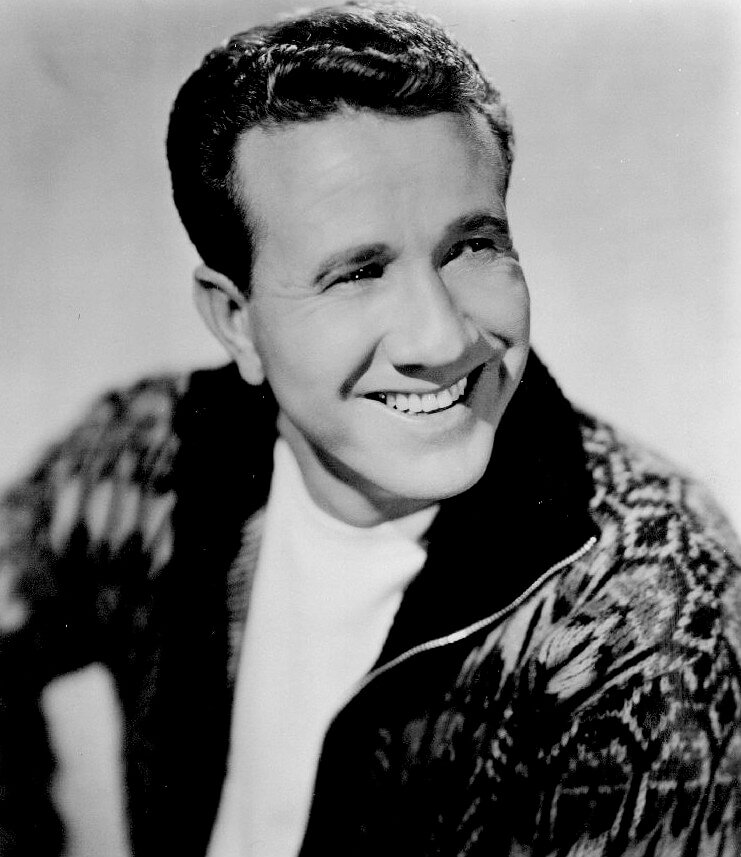
He allegedly had to fight his record label just to get the full, uncut version released to the public without edits.
Charlie Daniels Band - The Devil Went Down to Georgia
Charlie Daniels reportedly occasionally felt that this massive crossover hit overshadowed his extensive catalog of other southern rock work. The song's overwhelming global ubiquity made it difficult for him to showcase other intricate facets of his band's diverse musicianship. Despite this lingering frustration, he performed the fast-paced fiddle tune with incredible energy for decades. He allegedly recognized it as the defining song of his long career, even if it meant his lesser-known instrumental jams were often ignored.
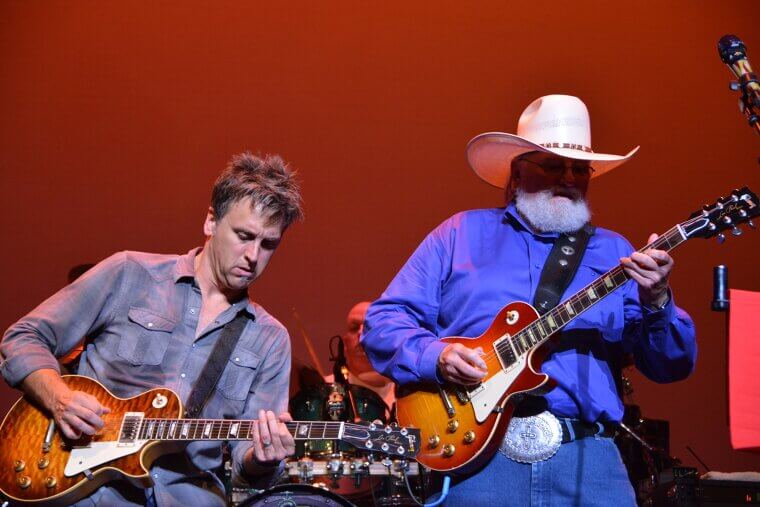
The physical toll of playing the rapid fiddle solo also became more difficult as he aged.
Sturgill Simpson - You Can Have The Crown
Sturgill Simpson has openly discussed his disdain for this specific track, which he originally penned as a sarcastic take on standard Nashville tropes. He reportedly wrote the lyrics to mock the predictable checklist often found in mainstream radio hits, such as tractors and rural stereotypes. After recording the tune, he immediately realized it was catchy enough that audiences would demand to hear it at every single performance. True to his prediction, the upbeat melody made it a fan favorite almost instantly.
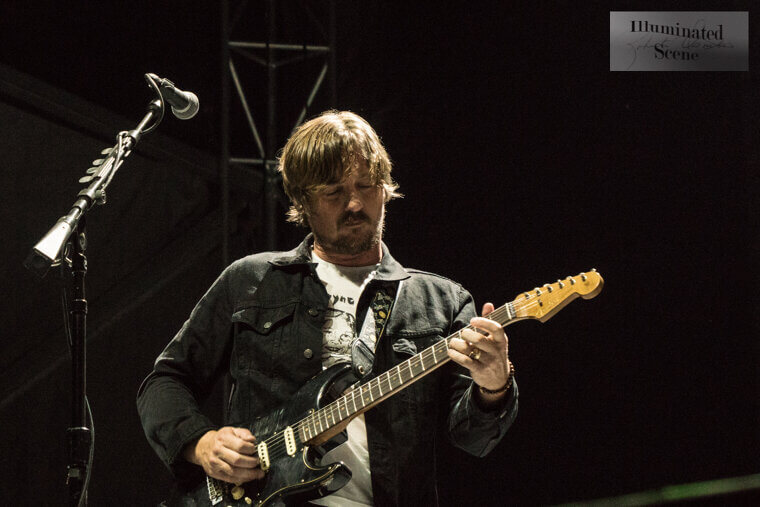
He eventually stopped playing it live, choosing to focus on his evolving artistic direction instead of repeating a joke he no longer found amusing.
Colter Wall - Original 16 Brewery Sessions Songs
Colter Wall has expressed discomfort watching his early acoustic performances, which garnered millions of views online before he released a full album. He feels the vocal delivery in those particular sessions was forced and unnatural compared to his current baritone style. The young artist is reportedly grateful for the initial exposure they brought his career, but he hopes listeners can accept his evolution. He no longer sings or plays guitar with that specific aggressive approach.
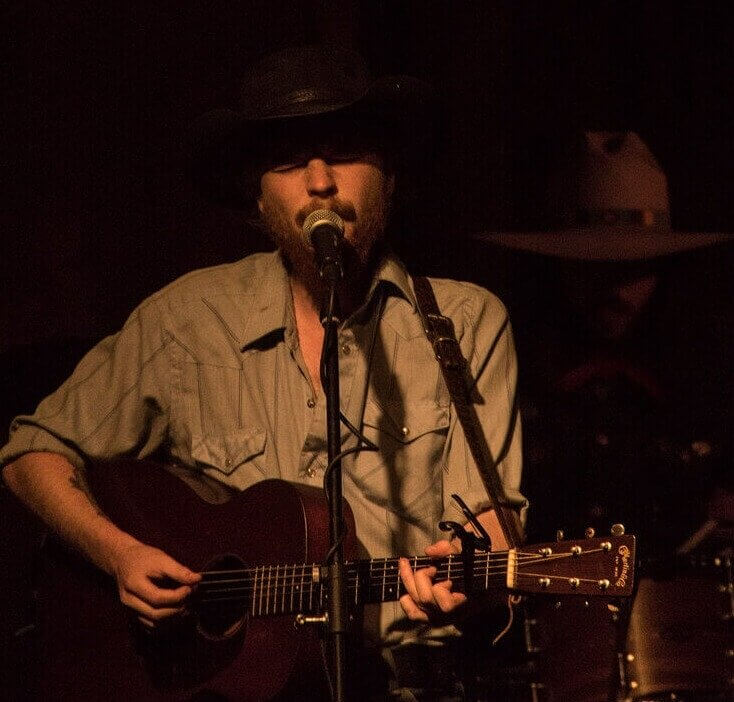
Moving forward, he prefers to highlight his traditional western sound rather than revisiting the raw recordings that initially put him on the map.
Koe Wetzel - February 28, 2016
Koe Wetzel has grown weary of performing this autobiographical track, which he wrote during his chaotic early twenties in Texas. He feels he has outgrown the immature subject matter now that he is navigating life in his thirties. Despite his strong desire to drop the anthem from his nightly setlist, his touring band and loyal concertgoers continually insist on keeping it in the rotation. This ongoing demand reportedly causes him significant frustration during tours.
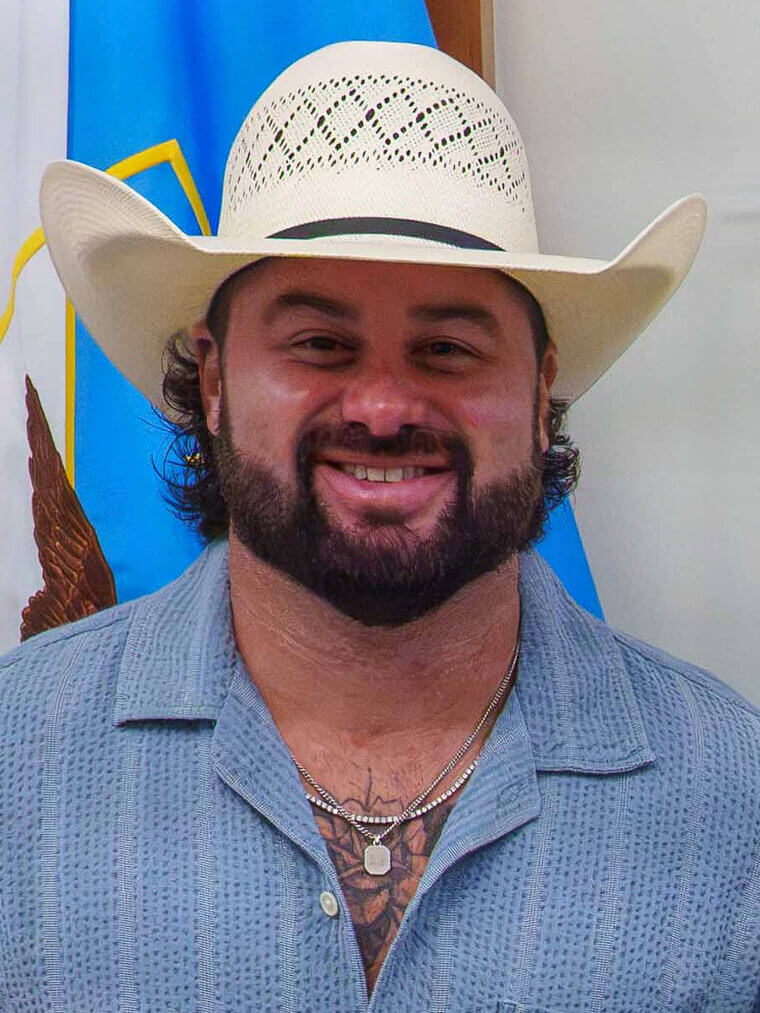
He has mentioned in interviews that singing about past bad decisions gets old, yet the crowd's energetic reaction makes it nearly impossible to retire the fan favorite.
George Strait - Ocean Front Property
The prominent co-writer of this classic, Dean Dillon, wasn't a fan of the composition even on the day they finished drafting it in the writing room. The tune still went on to become the title track of George Strait's 1987 studio album. Despite the initial reservations from its creators, the clever lyricism helped it soar to number 1 on the billboard charts. The catchy chorus remains a beloved staple in country music history for millions of listeners.
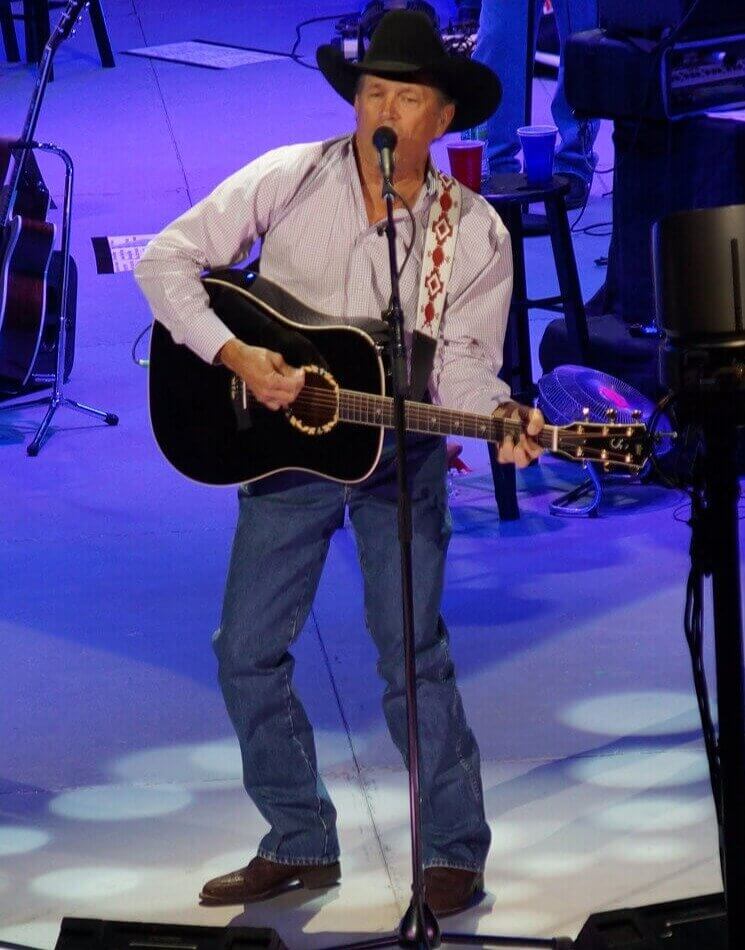
Strait himself has reportedly scaled back performing it at certain shows to make room for newer material, though it remains widely requested.
Kip Moore - Somethin' 'Bout A Truck
Rumors suggest that Kip Moore isn't overly fond of one of his biggest breakout hits from the early 2010s. The breezy summer anthem represents a bygone era and a commercial sound he feels he has moved past creatively. Musicians often struggle with early commercial successes that pigeonhole their public image, and this track serves as a prime example of a recording that no longer aligns with his current gritty rock direction.
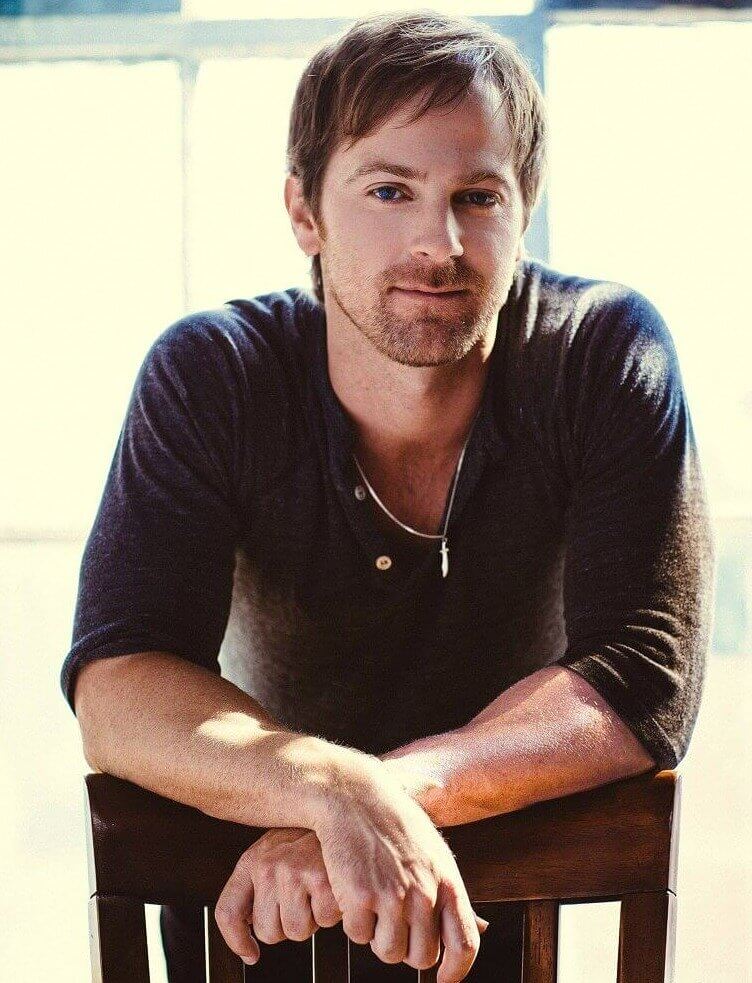
He reportedly prefers to showcase his recent, introspective songwriting during live concerts. The ongoing expectation to play the upbeat party anthem can be a point of contention for the serious songwriter.
Tyler Childers - Feathered Indians
There is widespread speculation that Tyler Childers no longer enjoys performing this massive fan-favorite track at his sold-out arena shows. It is a highly personal narrative from early in his career that he allegedly prefers to leave in the past for privacy reasons. While it remains one of his most streamed acoustic recordings on digital platforms, his evolving artistry often leads him to focus on gospel-tinged newer material. He has explicitly stated a desire to avoid being defined by a single viral hit.
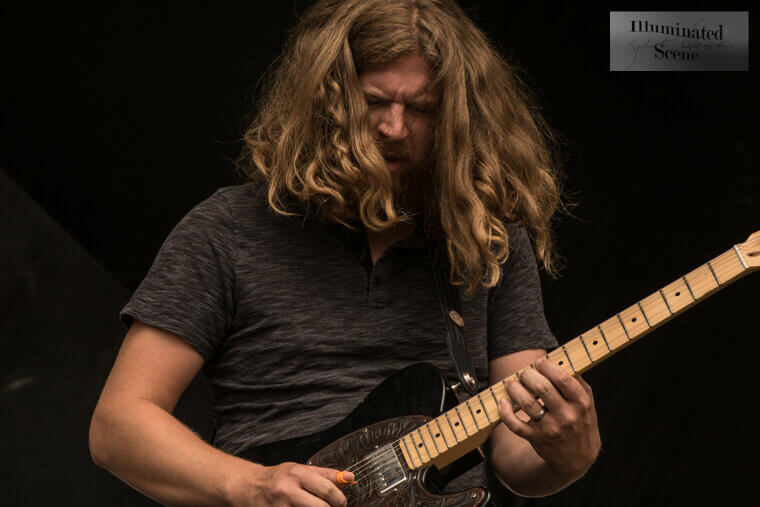
Consequently, fans attending recent festivals have noticed its frequent absence from his carefully curated setlists.
Eric Church - Love Your Love The Most
Eric Church is another renowned artist rumored to be less than enthusiastic about one of his early radio singles. The song's straightforward list-based style contrasts sharply with the complex, narrative-driven songwriting he is celebrated for today. As his stadium career progressed, he purposefully distanced himself from his more conventional material in favor of ambitious concept albums. He reportedly views the track as a necessary stepping stone that helped establish his presence on country radio.
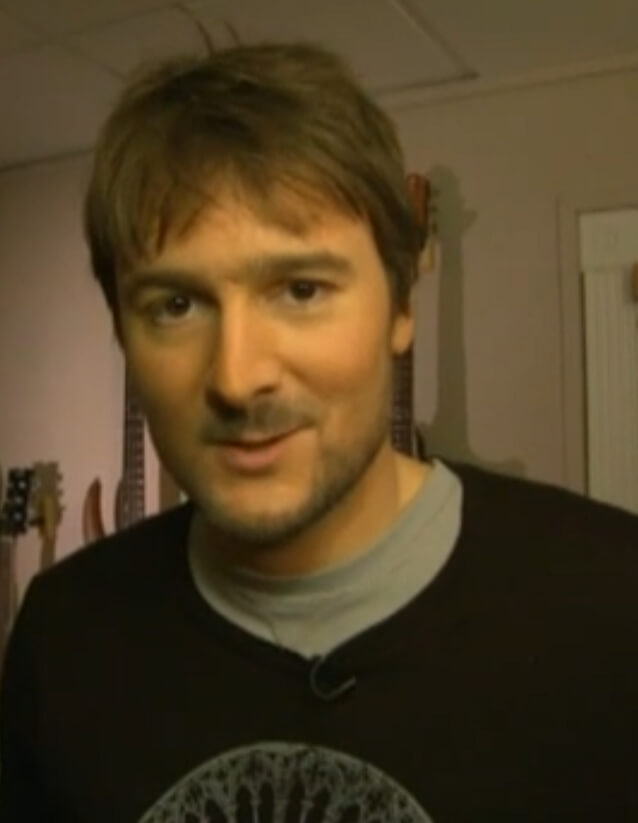
However, he rarely includes it in his marathon three-hour concerts, opting instead for darker, more musically intricate fan favorites.
Trace Adkins - Brown Chicken, Brown Cow
Trace Adkins reportedly regretted releasing this innuendo-heavy hit almost immediately after it hit the airwaves in 2011. He playfully blamed the persistent songwriters for convincing him it was a smart idea to record the novelty track. The silly lyrical nature and rapid fade from his typical setlists suggest he quickly realized it wasn't a strong fit for his long-term serious repertoire. He allegedly felt embarrassed by the accompanying music video, which featured literal farm animals.
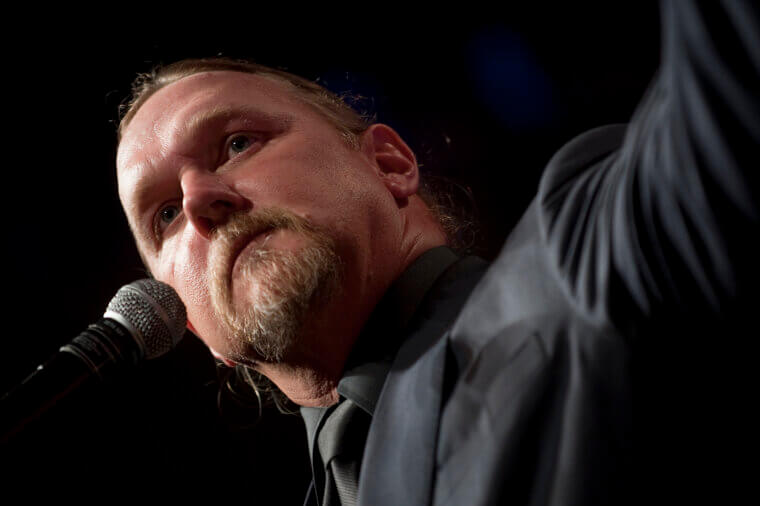
Today, he focuses on his patriotic anthems and emotional ballads, leaving the farmyard humor firmly in the rearview mirror.
Thomas Rhett - Crash and Burn
For a noticeable period of time, Thomas Rhett seemed to resent this massive crossover hit from his sophomore album. The frustration reportedly stemmed from the song's heavy pop-leaning production, which contrasted with the traditional instrumentation he originally wanted to feature on his records. Although he eventually found peace with the track's phenomenal commercial performance, the initial friction highlights the tension vocalists often experience between mainstream success and personal artistic vision.
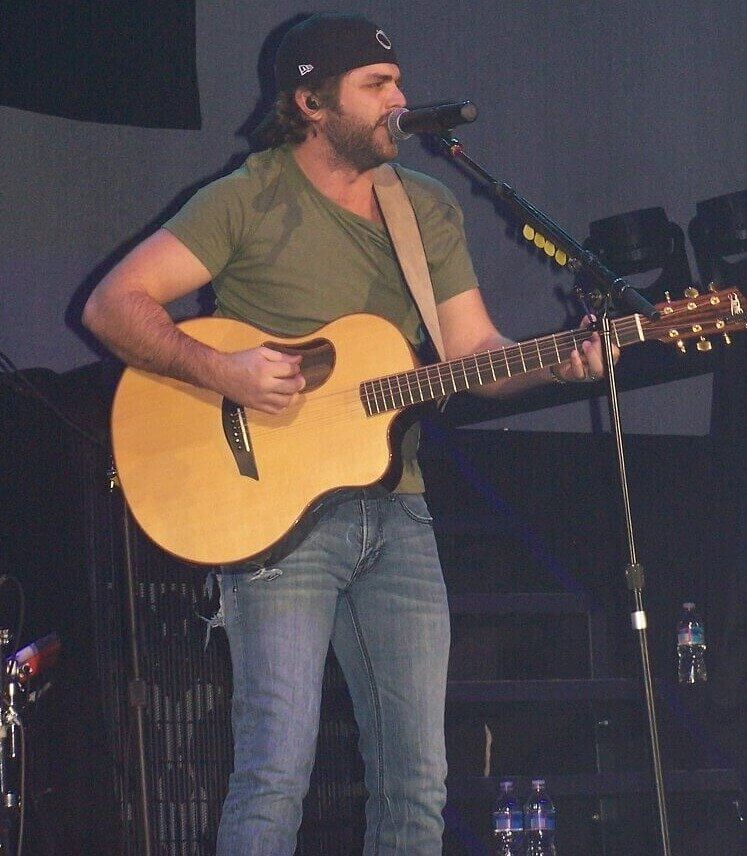
He allegedly pushed for his subsequent albums to feature more organic instrumentation to balance out the synthesized beats that made him a superstar.
Lonestar - Mr. Mom
The touring members of Lonestar are allegedly quite sick of performing this early 2000s hit about stay-at-home parenting. The novelty aspect of the humorous lyrics likely wore thin after two decades of repeated performances on the road. While it was a massive chart success and a crowd pleaser, playing a somewhat gimmicky tune night after night can easily lead to creative burnout for any veteran band. They reportedly try to rush through the track during live shows to get to their more serious love ballads.
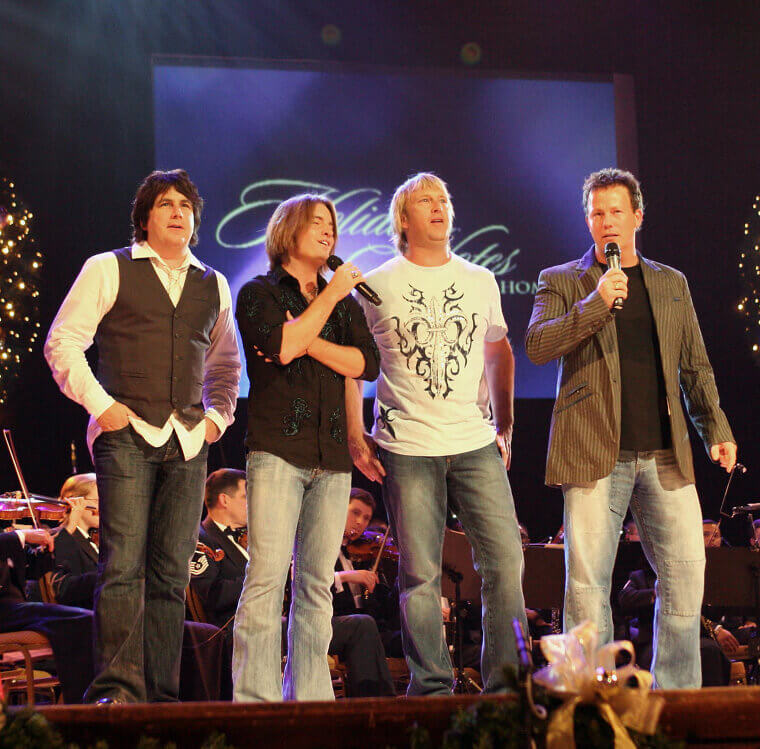
The cultural references in the song have also aged noticeably since its original release.
Justin Moore - Bait a Hook
Justin Moore is rumored to consider this particular single a sort of sacrificial offering to the demands of mainstream country radio. While it performed exceptionally well commercially, it might not be the track he is most proud of from a pure storytelling standpoint. Navigating the strict requirements of commercial broadcasting often requires performers to release songs they aren't passionate about. This industry reality can breed long-term resentment toward certain tracks.
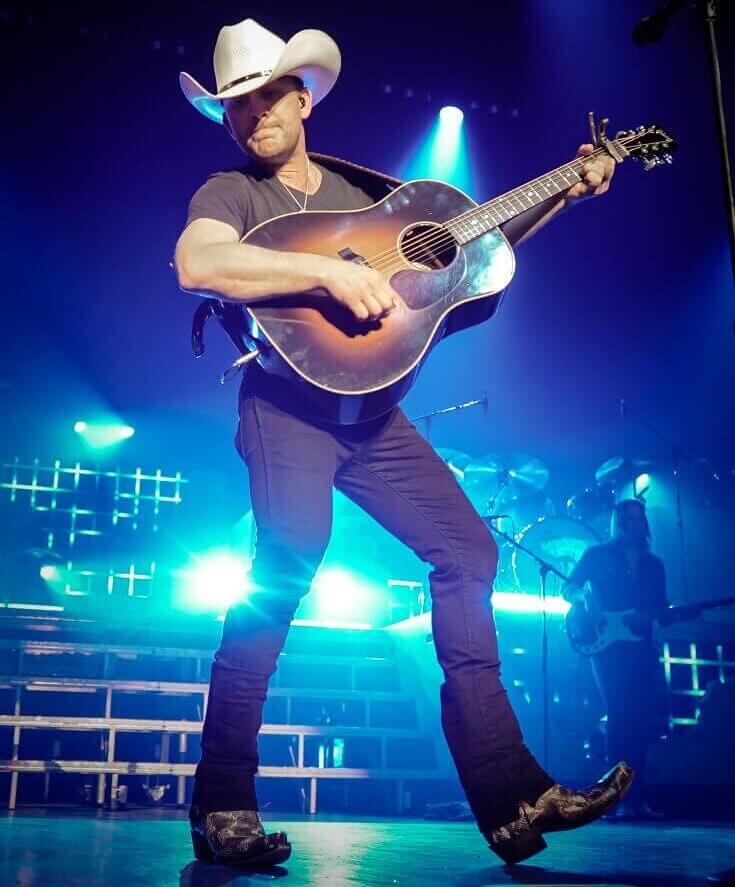
He allegedly prefers to play his traditional country tearjerkers over the upbeat, slightly comedic tunes that radio programmers typically favor.
Merle Haggard - Okie From Muskogee
Merle Haggard's relationship with this polarizing track was famously complex and shifting throughout his life. He initially wrote it as a lighthearted satire of small-town life, but many fans took it as a serious conservative political anthem. This widespread misunderstanding led to decades of mixed feelings for the legendary songwriter. He frequently altered the lyrics or the tone of his performance to reflect his own shifting views on the subject matter.
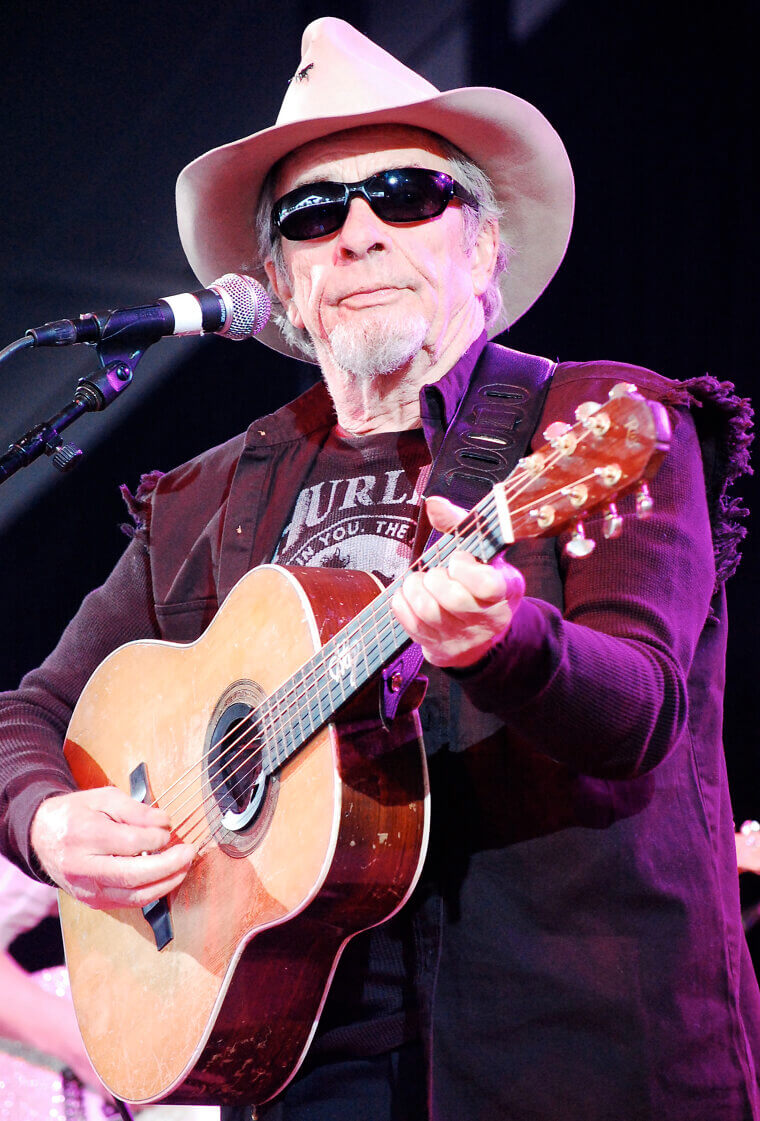
He reportedly felt trapped by the song's political legacy, wishing audiences would focus on his impressive catalog of prison ballads and working-class anthems instead.
Hank Williams Jr. - Family Tradition
Hank Williams Jr. has a notoriously complicated relationship with his legendary father's towering legacy, which is the central theme of this song. The constant public comparison to his famous dad may make the track feel like a double-edged sword during live performances. While it operates as a defiant anthem of his own independent identity, it inherently ties him right back to the very shadow he spent his youth trying to step out of.
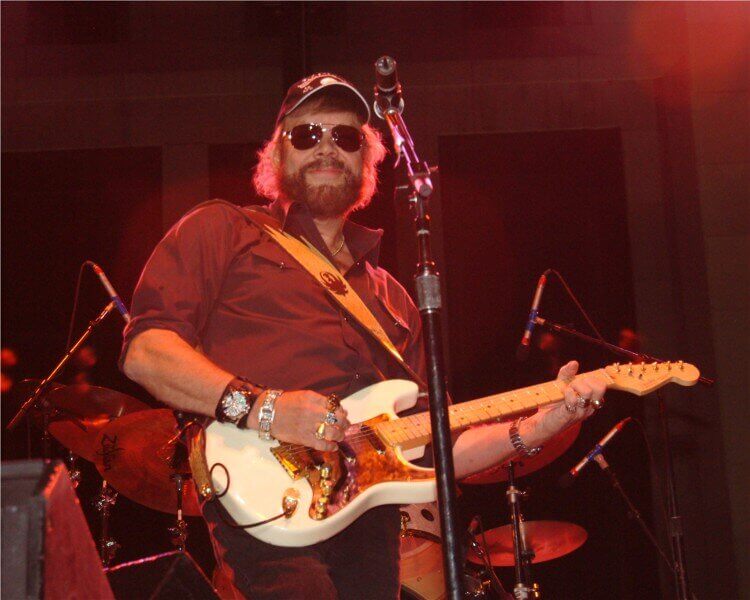
He allegedly goes through phases where he refuses to play it, wanting his modern fans to appreciate his current musicianship rather than his family tree.
David Allan Coe - The Ride
David Allan Coe's spooky hit about a spectral late-night encounter with the ghost of Hank Williams is a massive fan favorite. However, rumors suggest he sometimes tires of the spooky novelty aspect of the narrative track. The eerie storytelling is classic country, but novelty songs can often wear out their welcome with the artist long before the fans grow tired of singing along. He reportedly prefers to showcase his outlaw biker anthems rather than playing the role of a ghost storyteller.
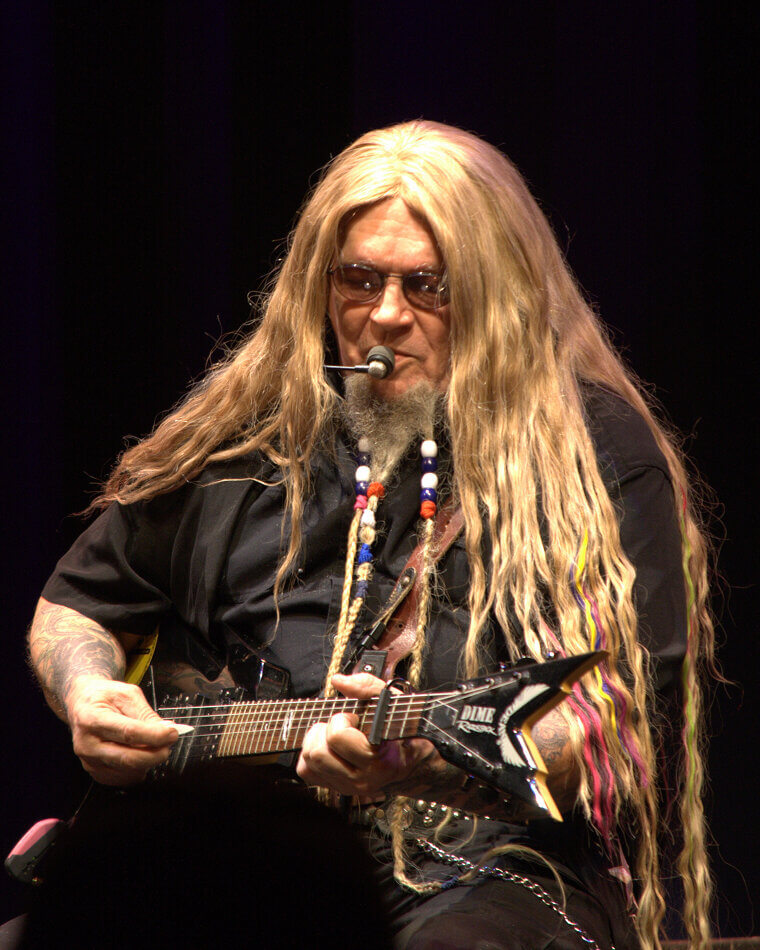
The demanding vocal structure of the song also makes it challenging to perform consistently on long tours.