
Country music isn't just about heartfelt ballads and pickup trucks; it's also home to some of the most dramatic, jaw-dropping disputes in entertainment history. Get ready to dive into the fiery clashes that shook Nashville.
Charlie Rich Set John Denver’s CMA Award on Fire Live on National Television
During the 1975 CMA Awards, an unprecedented moment of live television rebellion shocked the viewing audience. Charlie Rich stood at the podium to announce the winner for Entertainer of the Year, holding a lighter in his hand. When he read John Denver’s name, he allegedly set the envelope on fire right in front of the broadcasting cameras. Many industry insiders reportedly viewed this as a direct protest against pop artists crossing over into traditional music territories.
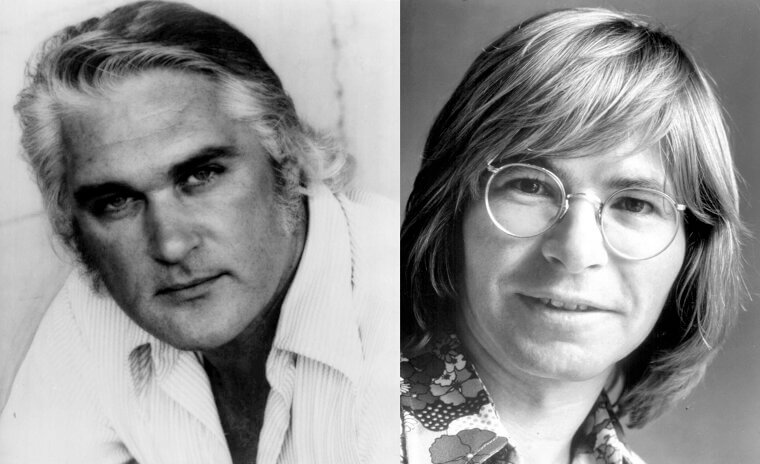
Denver accepted the award via satellite, oblivious to the fiery spectacle happening on stage in Nashville. This iconic display of defiance permanently marked the ongoing debate over what constitutes authentic roots music. Generations of traditionalists still point to this specific evening as a defining boundary line.
Zac Brown Called Luke Bryan’s Hit the 'Worst Song Ever' and Sparked a Bro-Country Brawl
A significant rift formed between 2 grand touring acts over the artistic direction of modern radio hits. Zac Brown openly criticized a highly successful single by Luke Bryan, reportedly calling the track the worst song he had ever heard. This blunt assessment sparked a significant conversation among industry professionals about the rising dominance of party anthems. Bryan allegedly responded by defending his work and expressing disappointment that a peer would publicly tear down a fellow artist.
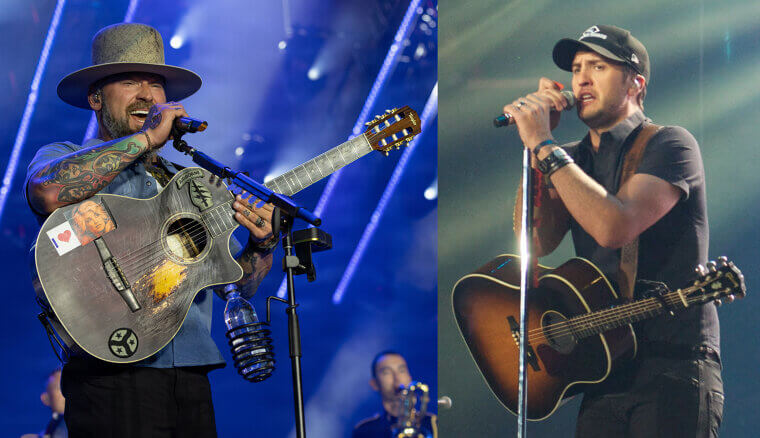
The verbal sparring forced audiences to examine the growing subgenre that celebrated tailgate parties and rural stereotypes. Both men eventually smoothed things over, but the initial clash remains a defining moment in the modern sonic shift. The confrontation forced writers to rethink their formulaic approaches to chart success.
Toby Keith and The Chicks’ Explosive Political War That Divided Country Fans Forever
The early 2000s saw an ideological divide emerge between these prominent stadium headliners. After a controversial statement was made overseas regarding the United States political climate, severe industry backlash followed. Toby Keith reportedly leaned into the heated atmosphere by projecting doctored images of the trio’s lead singer during his nightly concerts. The band responded by wearing shirts featuring derogatory acronyms aimed directly at him during televised appearances. This divide forced fans and fellow artists to pick sides in a publicized battle that dominated radio airwaves.

The tension lingered for years, permanently altering the career trajectories of everyone involved. It forever changed the landscape of modern media relations and audience expectations.
Dolly Parton Wrote a Classic Farewell Song and Porter Wagoner Sued Her for Millions
For years, this iconic duo dominated television screens and radio charts with their incredible vocal chemistry. However, behind the scenes, tensions steadily grew as the female star sought to establish an independent solo career. Porter Wagoner reportedly resisted Dolly Parton’s attempts to leave his syndicated television program, leading to intense professional friction. She famously wrote a legendary farewell song to express her gratitude while firmly insisting on her departure. Wagoner allegedly filed a significant lawsuit against her shortly after she left, seeking millions in breached contract claims.
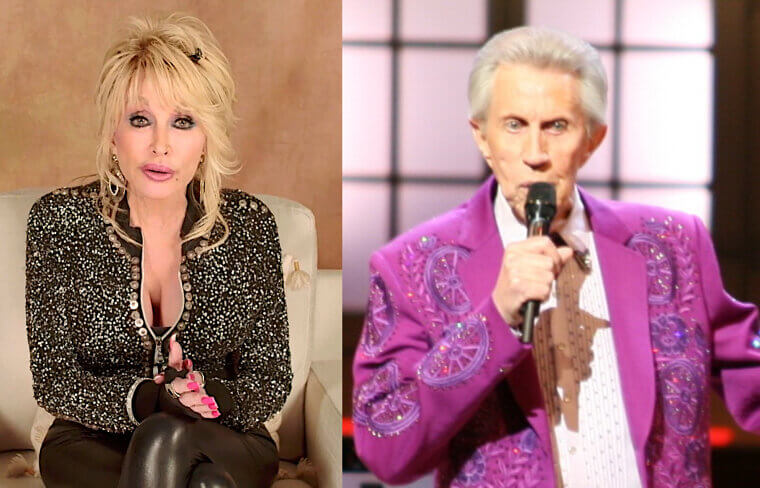
Although they eventually reconciled shortly before his passing, the bitter legal battle served as a dramatic chapter in both of their legendary careers. Their professional divorce remains a textbook example of complex industry partnerships.
Steve Earle Slammed Shania Twain as "a Back-Up Singer" in a Bitter Battle Over Authenticity
The late 1990s witnessed immense commercial success for artists blending twang with polished pop production. Shania Twain became a global phenomenon, but her reliance on elaborate music videos and arena tours drew criticism from roots purists. Steve Earle famously said Shania was just the "highest-paid backup singer in the world." He reportedly felt her polished image and production values distracted from the genre's core elements.

Twain largely ignored the critique, continuing to break sales records and pave the way for future crossover artists. The debate surrounding her success remains a critical turning point for how the industry measures authenticity. This conversation paved the way for modern pop-country hybrids.
Miranda Lambert and Blake Shelton’s Bitter Divorce Sparked Tabloid War and Dueling Hits
When the industry’s most recognizable power couple abruptly announced their separation, rumor mills went into overdrive. Miranda Lambert and Blake Shelton had spent years collaborating on music and dominating award shows before their sudden split. Tabloids aggressively speculated about alleged betrayals and professional jealousies, turning their private heartbreak into a unprecedented public spectacle. Shelton quickly moved on with a pop superstar he met on a reality television show, further fueling the gossip columns.

Lambert poured her emotional turmoil into a highly acclaimed double album that critics hailed as a masterpiece of vulnerability. The immense public scrutiny highlighted the unique pressures faced by prominent couples navigating fame and personal tragedy. Their separate musical paths continue to dominate industry headlines.
Eric Church Called Reality TV Judges 'Sellouts' and Ignited a War with Blake Shelton
A heated debate over artistic integrity erupted when a prominent singer criticized his peers for participating in reality singing competitions. Eric Church reportedly stated that joining a televised talent show as a judge was a significant sellout move. Blake Shelton, who had just revitalized his career on a profound network program, took the comments as a direct insult. Shelton aggressively fired back on social media, suggesting that Church was simply jealous of the significant exposure the platform provided.

Church eventually apologized for his harsh words, explaining that he merely wanted artists to focus on touring and songwriting. The clash showcased the differing perspectives on how musicians should build and sustain their careers in a changing media landscape. It proved that traditional paths to stardom were rapidly evolving.
Bill Monroe Refused to Speak to Lester Flatt and Earl Scruggs for 20 Years After Their 'Betrayal'
The founding father of a considerable acoustic movement felt fiercely protective of the musical style he helped invent. Bill Monroe reportedly viewed the departure of his star musicians, Lester Flatt and Earl Scruggs, as an unforgivable betrayal. The duo left to form their own highly successful group, taking the signature banjo roll technique with them. Monroe allegedly refused to speak to them for decades, viewing their major commercial success as a direct threat to his legacy.
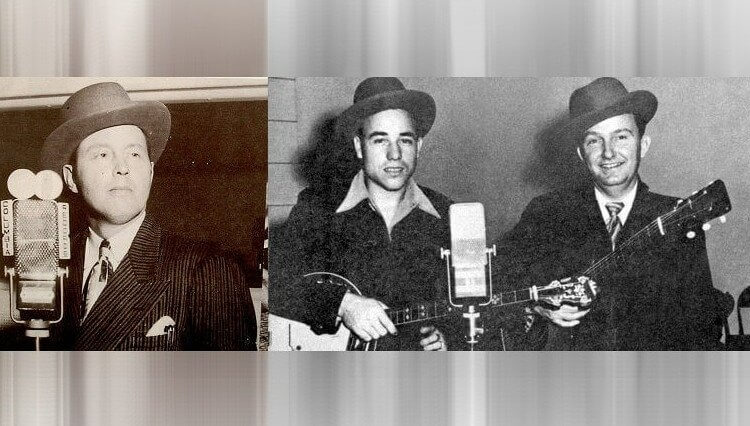
He even reportedly attempted to prevent them from securing a permanent spot on prestigious radio broadcasts in Nashville. The bitter feud lasted for 20 years before the men finally reconciled late in their respective careers. Their eventual reunion brought immense relief to generations of acoustic music historians.
Johnny Cash and Faron Young Got Into a Brutal Backstage Fistfight Over Tour Billing
Backstage areas at prominent performance venues often served as breeding grounds for intense interpersonal conflicts. Johnny Cash and Faron Young allegedly engaged in a major physical altercation in a dressing room during the late 1950s. Reports suggest that tensions boiled over regarding their respective slots on the evening’s broadcast schedule. Young reportedly confronted the Man in Black, leading to a scuffle that required other musicians to forcefully separate the 2 stars.
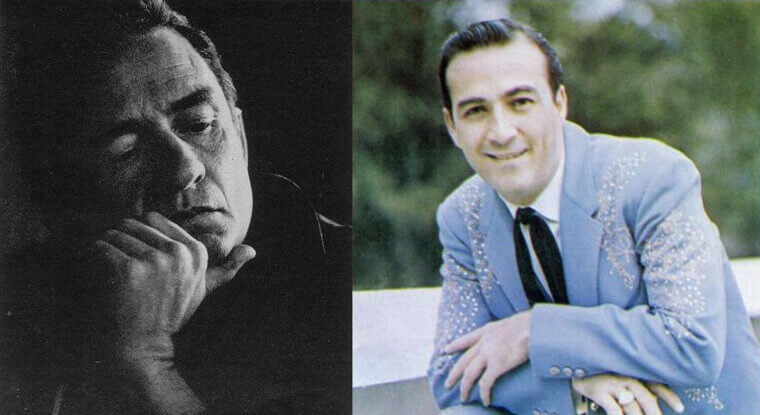
The incident showcased the intense competitive spirit and prominent egos that dominated the early days of the Nashville establishment. Both men eventually moved past the conflict, but the legendary brawl remains a popular piece of backstage lore. It serves as a stark reminder of the intense pressures early pioneers faced.
Dolly Parton Refused to Let Elvis Presley Record Her Song After His Manager Demanded Half
Protecting intellectual property often requires artists to make extremely difficult decisions regarding their most prized creations. Dolly Parton penned a widespread hit song and received an offer from Elvis Presley to record a cover version. However, Presley’s controversial manager demanded half of the publishing rights before allowing the recording session to proceed. Parton reportedly cried all night but ultimately refused the major financial compromise, choosing to retain full ownership of her work.
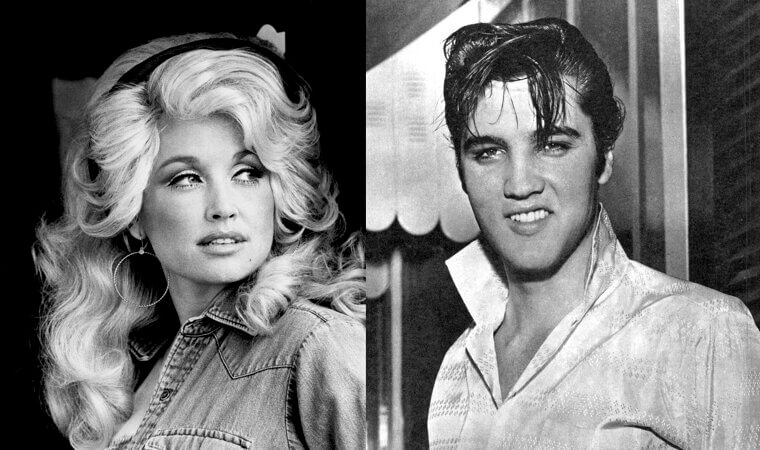
Decades later, a massively successful pop cover of the track validated her difficult decision and secured her financial legacy. The bold negotiation tactic demonstrated her incredible business acumen in an industry notorious for exploiting young songwriters. It remains a legendary example of an artist defending her creative sovereignty.
Naomi and Wynonna Judd Screamed at Each Other Backstage Before Singing Flawless Harmonies
Mixing family dynamics with huge professional responsibilities often creates a highly volatile working environment. Naomi and Wynonna Judd achieved unprecedented success as a duo, but their behind-the-scenes relationship was notoriously combative. Wynonna reportedly felt overwhelmed by her mother’s dominant personality and strict control over their public image. The pair allegedly engaged in widespread shouting matches in dressing rooms right before stepping on stage to sing perfect harmonies. Their incredible ability to compartmentalize their personal grievances for the sake of the performance remains a legendary industry feat.
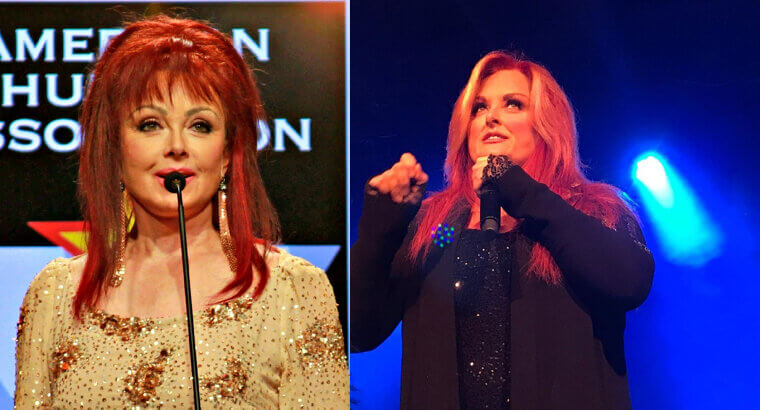
The complex combination of fierce maternal love and deep professional resentment fueled their captivating stage presence. This turbulent partnership remains a fascinating case study in family business operations.
Hank Snow Was Secretly Screwed Out of Millions Managing a Young Elvis Presley
Before becoming a global icon, a young rockabilly star found himself caught in a grand management dispute. Hank Snow initially partnered with Colonel Tom Parker to manage the early career of Elvis Presley. However, Parker reportedly orchestrated a cunning maneuver to edge Snow out of the lucrative management contract entirely. Snow allegedly felt greatly betrayed, as he had used his established industry connections to secure Presley’s initial television appearances. The veteran singer never forgave the controversial manager for the deceitful business tactics used to sever their partnership.
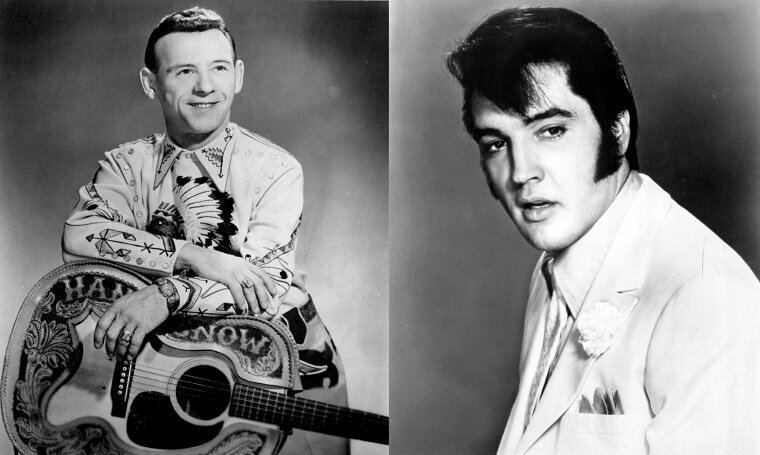
This behind-the-scenes power struggle highlighted the ruthless nature of talent management during the early days of the modern music business. Snow remained a legendary figure, but the lost opportunity haunted his financial legacy.
Marie Osmond Shamed Shania Twain’s Revealing Outfits and Triggered Fan Backlash
Award ceremonies frequently provide unscripted moments that generate large media attention and lingering resentment. During a prominent broadcast, Marie Osmond allegedly made an offhand comment about Shania Twain’s midriff-baring stage costumes. Osmond reportedly suggested that true talent did not require excessive skin exposure to secure immense record sales. Twain’s fiercely loyal fans aggressively attacked the veteran entertainer, viewing the commentary as a considerable display of unwarranted jealousy. The brief media firestorm highlighted the intense scrutiny female artists face regarding their wardrobe choices and physical presentation.
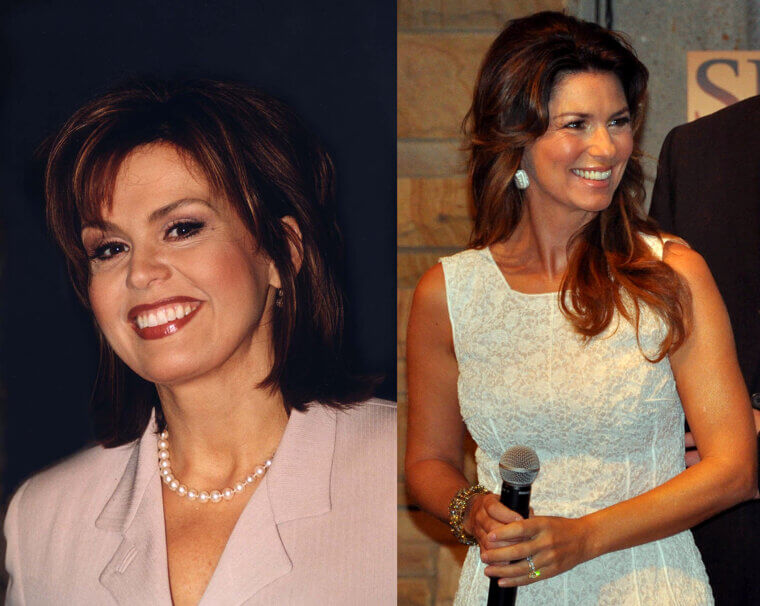
The incident remains a peculiar footnote in the history of unexpected celebrity clashes. It perfectly illustrated the rapid evolution of visual aesthetics in late 1990s television broadcasting.
Blake Shelton Called Traditionalists 'Old Fogies' and Ray Price Tore Him Apart
A fiery war of words ignited when a modern superstar made controversial comments about older generations of music fans. Blake Shelton reportedly referred to traditionalists as old fogies, suggesting that the genre needed to evolve to survive. Legendary crooner Ray Price took immense offense to this characterization and quickly fired back through a lengthy social media post. Price allegedly condemned the modern singer for disrespecting the pioneers who built the Nashville establishment from the ground up.
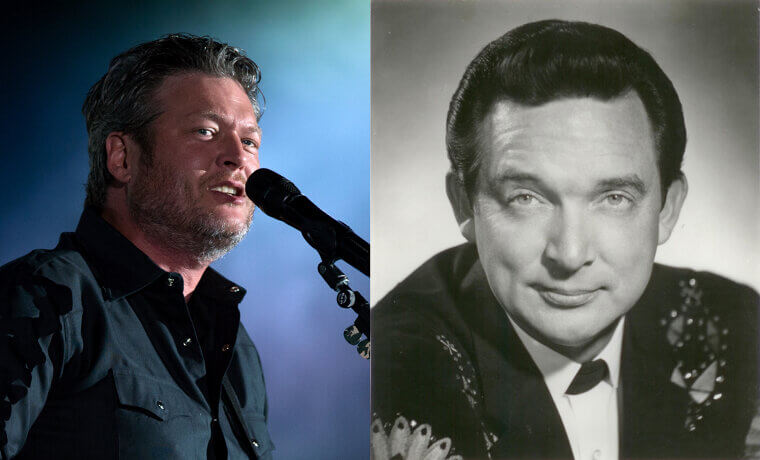
Fans immediately flooded message boards to debate the merits of classic instrumentation versus modern production techniques. The generational divide highlighted a persistent tension between preserving historical legacy and pursuing mainstream radio success. Both sides eventually stated their peace, but the argument remains legendary.
Lil Nas X Was Banished from Country Charts Until Billy Ray Cyrus Jumped On the Track
A substantial cultural conversation ignited when an unknown artist independently released a viral track blending trap beats with acoustic guitars. Lil Nas X saw his hefty hit initially placed on the country charts, only to have it abruptly removed by industry executives. Billboard reportedly claimed the song lacked sufficient musical elements to warrant inclusion in the genre’s official rankings. The decision sparked widespread allegations of gatekeeping and racial bias within the Nashville establishment.
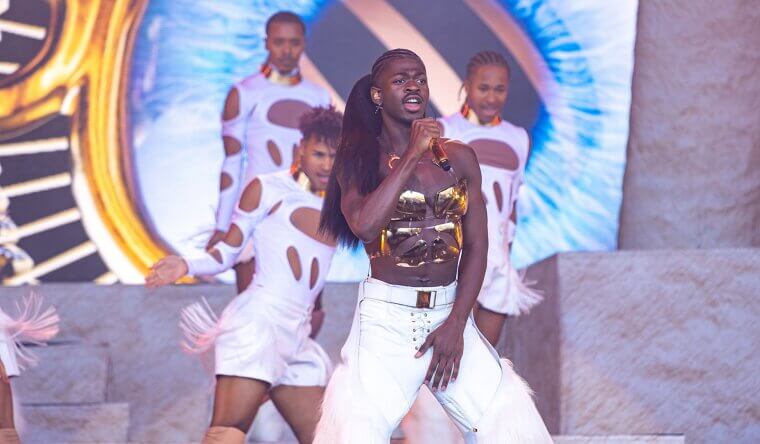
Billy Ray Cyrus famously intervened, recording a large remix that forced the industry to acknowledge the track’s unprecedented cultural impact. The controversy fundamentally challenged the rigid boundary lines separating modern musical categories. This historical chart battle permanently shifted how hybrid genres are categorized and celebrated.
Reba McEntire Was Caught in the Middle of Kelly Clarkson’s Messy Family Divorce
A unique dynamic existed between these 2 powerhouse vocalists after they became legally connected through marriage. Reba McEntire served as a sweeping mentor to Kelly Clarkson long before Clarkson married McEntire’s former stepson. When the younger singer initiated a highly publicized divorce, rumors circulated about how the family matriarch would handle the fallout. McEntire reportedly maintained a neutral public stance, stating that she loved both individuals and refused to take sides.
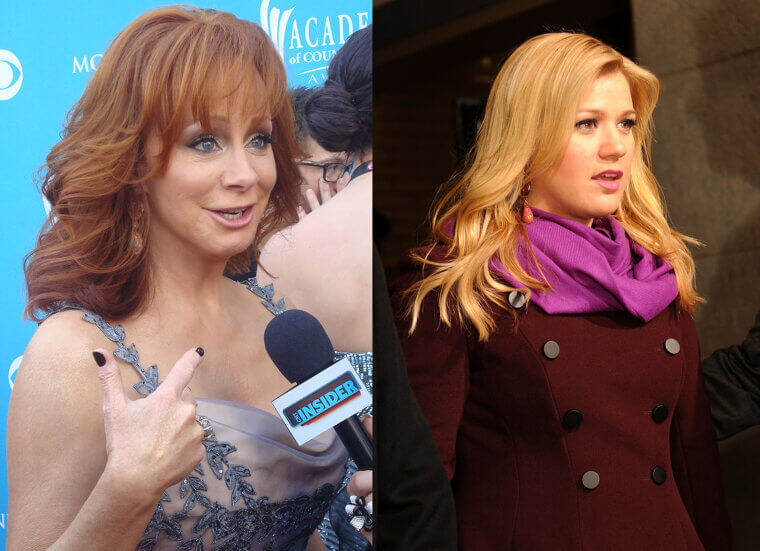
However, tabloid speculation suggested hefty behind-the-scenes tension regarding the division of family assets and management duties. The complicated intersection of professional mentorship and fractured family ties created a delicate situation for everyone involved. Both women have since navigated the complex transition with remarkable public grace.
Travis Tritt Trashed 'Achy Breaky Heart' and Billy Ray Cyrus Fired Back at the CMAs
The considerable crossover success of a catchy line-dance anthem in 1992 triggered a vocal backlash from a traditionalist peer. Travis Tritt reportedly criticized Billy Ray Cyrus, suggesting the hit single reduced the genre to a frivolous novelty act. This public critique caused a significant stir, as Cyrus found his track actively breaking sales records across multiple demographics. Cyrus famously responded during an award show acceptance speech by tapping his trophy and dedicating it to those who did not appreciate his style.

The conflict underscored a fundamental disagreement about whether commercial viability should ever supersede artistic credibility. Both performers continued to enjoy prominent careers, though their differing philosophies remained a point of public fascination. This era marked a turning point for commercial marketing strategies.
Loretta Lynn and Tammy Wynette Battled for the 'Queen of Country' Crown in a Tabloid Frenzy
During the golden era of female pioneers, the media frequently exaggerated rivalries between the biggest stars. Loretta Lynn and Tammy Wynette were vast hitmakers constantly vying for the top spot on the sales charts. Tabloids allegedly fabricated stories about fierce jealousy and backstage sabotage to capitalize on their concurrent considerable success. In reality, the 2 women reportedly shared a quiet mutual respect and understood the unique difficulties of navigating a male-dominated industry.
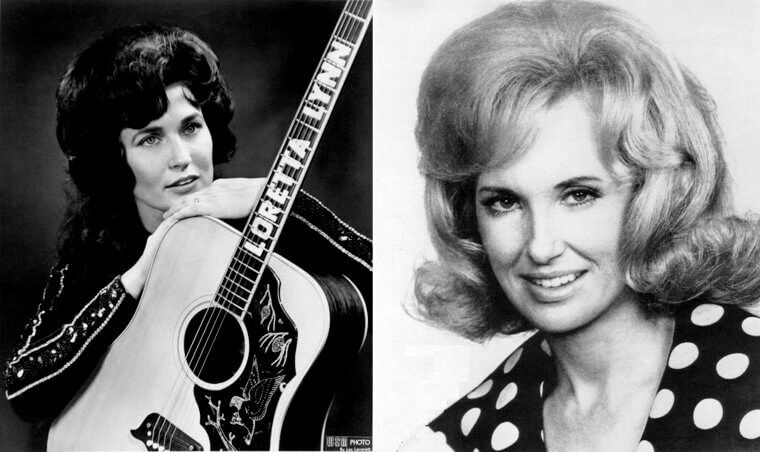
However, their fiercely loyal fan bases frequently clashed, arguing over who truly deserved the definitive royal title of the genre. The perceived friction served as a brilliant marketing tool that kept both artists in the national spotlight. They ultimately helped pave the way for generations of future female headliners.
Hillary Clinton Dissed Tammy Wynette on National TV and Triggered a Firestorm
A legendary song title became the center of a immense political controversy during a highly publicized presidential campaign. Hillary Clinton famously defended her marriage during a television interview by stating she was not simply a little woman standing by her man like Tammy Wynette. The legendary singer reportedly took considerable offense to the comparison, feeling that her signature ballad had been outright misrepresented. Wynette allegedly demanded a public apology, arguing that the song was about major strength and loyalty, not subservience.
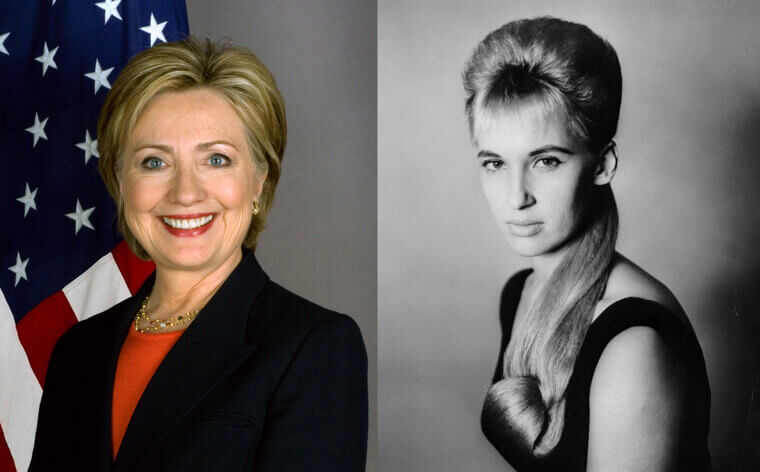
Clinton eventually issued a formal apology, acknowledging the profound cultural impact of the beloved entertainer. The incident perfectly illustrated the huge collision between popular culture and national political discourse. It proved the enduring relevance of classic songwriting in modern debates.
Carrie Underwood and Jessica Simpson’s Alleged NFL Love Triangle Feud Exploded in Tabloids
Tabloid magazines frequently invent or exaggerate conflicts between prominent female artists navigating high-profile relationships. Carrie Underwood and Jessica Simpson found themselves pitted against each other due to their shared romantic history with a famous quarterback. Media outlets aggressively pushed a narrative that the 2 singers harbored prominent resentment toward one another. Simpson reportedly felt targeted by subtle lyrical changes Underwood made during live performances of her biggest hits. Despite minimal direct interaction between the 2 women, the press capitalized on the manufactured drama to sell millions of magazines.
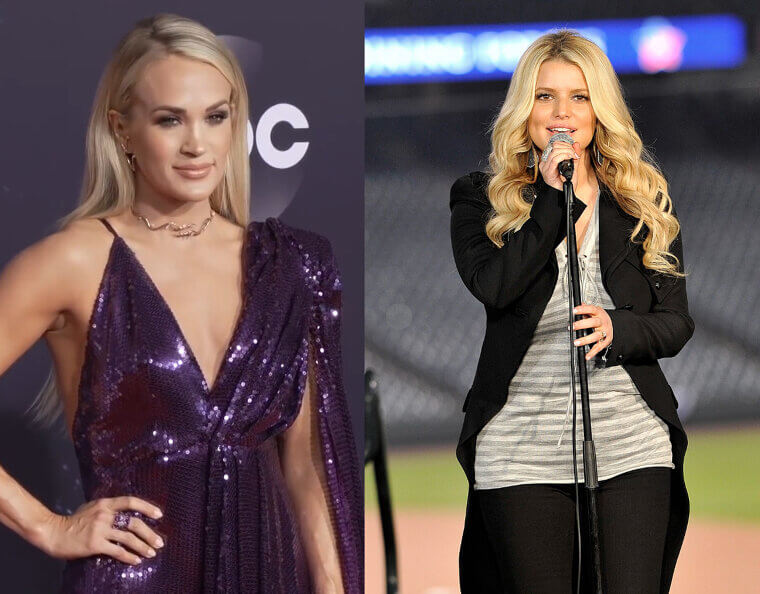
The situation highlighted the invasive nature of celebrity journalism and the constant pitting of women against one another for public consumption. Both stars eventually moved on to highly successful marriages of their own.
Waylon Jennings Called Garth Brooks 'Overrated' and Shattered a Young Legend's Heart
As the 1990s ushered in a new era of arena-ready entertainers, older outlaws expressed significant skepticism about the changing landscape. Waylon Jennings reportedly referred to Garth Brooks as the most overrated artist in the history of the genre. He allegedly felt that the newer generation prioritized flashy stage theatrics over genuine storytelling and musical grit. Brooks, who idolized older legends, reportedly felt hurt by the harsh assessment from a pioneer he respected.
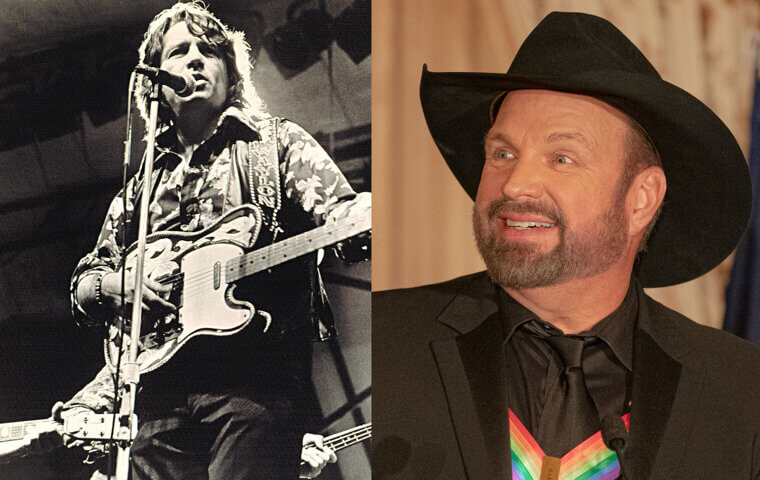
The commentary reflected a broader anxiety among veterans who feared their raw, unpolished style was being replaced by sanitized commercial products. This ideological clash illustrated the constant push and pull between rough-hewn authenticity and polished mainstream entertainment. It remains a classic example of generational guard-changing friction.
Alan Jackson Staged a Defiant On-Air Protest When the CMAs Dissed George Jones
Award show politics often create vast friction between artists and television producers seeking higher ratings. In 1999, the Country Music Association allegedly refused to give George Jones enough time to perform his nominated song in full. Upset by the perceived disrespect toward a living legend, Alan Jackson decided to stage a quiet but powerful rebellion. During his own scheduled performance, Jackson suddenly stopped his band and transitioned directly into a rendition of Jones’s hit song.
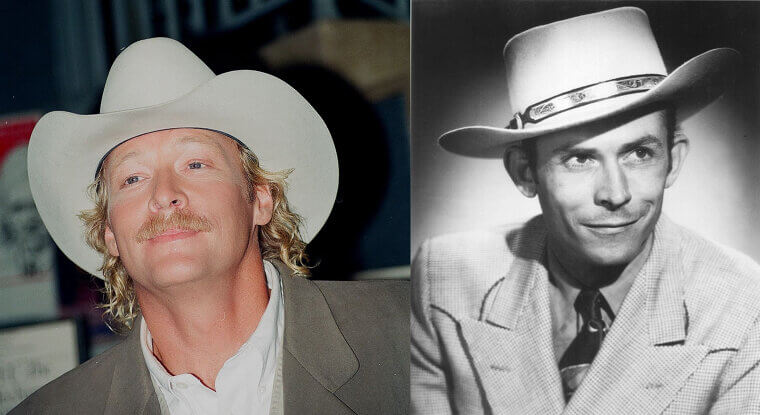
The crowd immediately stood up in roaring approval, recognizing the spontaneous tribute as a bold statement of solidarity. This defiant moment cemented Jackson’s reputation as a fierce defender of the genre’s foundational pioneers. The broadcast captured a rare moment of genuine, unscripted industry loyalty.
Tyler Hubbard and Brian Kelley Unfollowed Each Other as Florida Georgia Line Fractured
After spending a decade redefining the modern radio landscape, a hefty hitmaking duo suddenly found themselves at a crossroads. Tyler Hubbard and Brian Kelley began pursuing solo projects, sparking significant speculation about underlying personal tensions. Reports suggested that ideological differences during a highly polarized election cycle contributed significantly to their professional estrangement. The pair allegedly unfollowed each other on social media, leading fans to investigate the subtle clues indicating a formal breakup.

Although they honored their remaining touring commitments, the palpable distance between them on stage became a major talking point. The dissolution of this massively successful partnership marked the end of an era for the booming party anthem movement. Fans continue to hold out hope for a future reunion tour.
Sturgill Simpson Called Out Luke Bryan in an Unfiltered Attack on Corporate Country
Independent artists often find themselves at odds with the significant corporate machinery operating behind mainstream radio. Sturgill Simpson made headlines when he openly criticized the Nashville establishment for prioritizing superficial hits over substantial songwriting. He reportedly targeted Luke Bryan as an example of the slick, repetitive formula dominating the airwaves at the time. Bryan allegedly brushed off the comments, noting that he was simply making music his vast fan base enjoyed.

Simpson later clarified that his frustration was aimed at the system itself rather than any specific individual performer. The situation highlighted the growing chasm between critically acclaimed independent roots musicians and commercially viable radio stars. This ideological divide continues to shape modern roots music discussions.
Jason Isbell Accused Dierks Bentley’s Parody Band of Disrespecting Nashville Royalty
Social media provides a quick platform for artists to voice opinions, which often leads to unintended public feuds. Jason Isbell sparked a significant controversy when he criticized a comedic track released by Dierks Bentley’s parody band. Isbell reportedly felt the song mocked the genre’s history and cheapened the efforts of serious songwriters working in Nashville. Bentley allegedly defended the project as a lighthearted homage meant to entertain fans without causing any harm.

Fans immediately divided into camps, arguing over whether the genre needed to maintain strict seriousness or embrace playful self-awareness. The brief digital skirmish underscored the delicate balance between honoring musical traditions and allowing room for comedic interpretation. Both writers eventually moved past the heated online exchange.
Kelsea Ballerini and Morgan Evans Blasted Each Other Through Dueling Breakup Albums
A seemingly perfect musical marriage unraveled publicly when these 2 artists announced their divorce. Kelsea Ballerini and Morgan Evans initially kept the details private, but the fallout eventually bled into their respective songwriting. Evans released a vulnerable acoustic track documenting his confusion and heartbreak over the sudden end of their relationship. Ballerini countered with a highly publicized extended play that detailed her own perspective on the emotional disconnect they experienced.

Fans actively analyzed the contrasting lyrics, piecing together the timeline of a relationship that slowly deteriorated behind closed doors. The musical back-and-forth provided a raw, unfiltered glimpse into the painful realities of a highly scrutinized celebrity breakup. Their dueling artistic statements remain a fascinating study in therapeutic songwriting.
Carly Pearce Channeled Her Devastating Divorce from Michael Ray into a Masterpiece
A whirlwind romance between 2 rising stars quickly turned into one of the most talked-about divorces in recent memory. Carly Pearce and Michael Ray married after a brief courtship, only to announce their separation less than 1 year later. Pearce allegedly channeled her profound devastation into a critically acclaimed concept album that explored every facet of the breakup. Ray largely remained silent on the specifics, though he reportedly faced vast backlash from fiercely loyal fans supporting his ex-wife.

The raw honesty of Pearce’s songwriting turned a painful personal failure into a extensive career breakthrough. Their brief union and subsequent fallout remain a cautionary tale about the pressures of maintaining a relationship in the public eye. Both artists have since focused entirely on rebuilding their independent careers.
Maren Morris and Jason Aldean Ignited an Unapologetic Culture War That Split Nashville
A highly publicized clash of ideologies erupted when prominent artists clashed over social issues and small-town values. Maren Morris publicly criticized comments made by Jason Aldean’s wife regarding cultural issues, sparking a hefty online confrontation. Aldean reportedly stood by his spouse, while Morris released merchandise featuring the insults hurled at her during the digital spat. The conflict escalated further when Aldean released a controversial music video that Morris and others claimed promoted exclusionary rhetoric.

The situation exposed a large cultural divide within the genre, forcing listeners to reckon with the changing political landscape of modern entertainment. Both artists entrenched themselves in their positions, highlighting the difficulty of bridging opposing viewpoints in a highly polarized climate. The feud permanently altered their respective audience demographics.
George Jones and Tammy Wynette Sang Romantic Duets While Harboring Bitter Resentments
The tumultuous marriage between 2 iconic vocalists produced some of the greatest duet recordings in music history. George Jones and Tammy Wynette experienced a highly volatile relationship fueled by widespread professional pressures and personal struggles. Wynette allegedly endured years of unpredictable behavior from her husband before finally filing for divorce in 1975. Despite their bitter separation, industry executives pushed the pair to continue recording and touring together to satisfy fan demand.
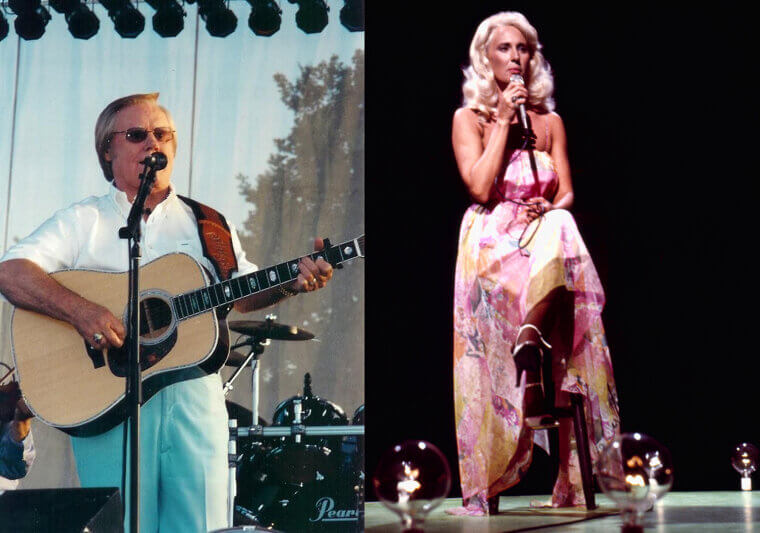
The awkward dynamic of singing romantic ballads while harboring profound personal resentments created a palpable tension on stage. Their enduring professional partnership alongside their fractured personal lives remains one of the most fascinating paradoxes in entertainment history. Fans continue to analyze their duets for subtle hints of their real-life animosity.
Kacey Musgraves Called Out Male-Dominated Country Radio After Stations Boycotted Her Music
Critically acclaimed artists often struggle to find unprecedented support from traditional broadcast platforms. Kacey Musgraves released a groundbreaking album that won the industry's highest accolades, yet she struggled to secure meaningful radio airplay. She reportedly voiced frustration over the restrictive programming algorithms that favored male-driven party anthems over her nuanced songwriting. Station directors allegedly claimed her sound was too slow or lacked the necessary commercial punch to retain casual listeners.
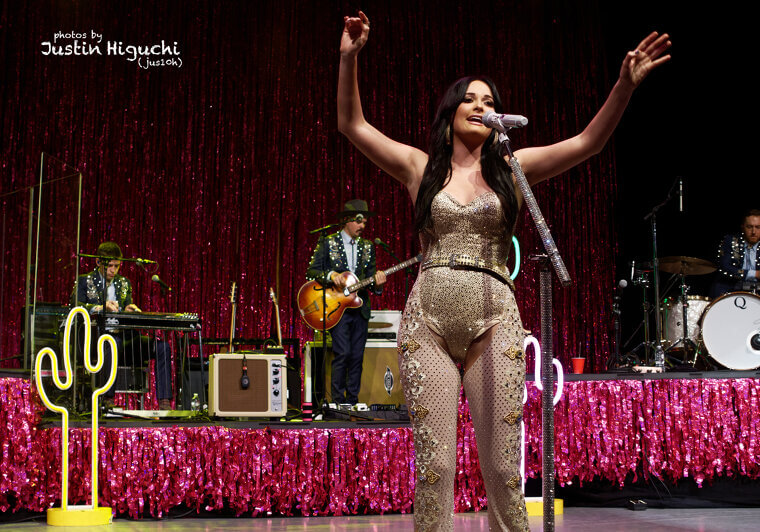
Musgraves eventually leaned into her outsider status, building a substantial international touring fan base entirely independent of radio support. The ongoing standoff exposed the widening gap between critical artistic merit and the rigid formulas dictating mainstream broadcast success. Her independent triumph proved that terrestrial airwaves are no longer the sole gatekeepers.
Jason Isbell Publicly Blasted Jake Owen for Changing the Lyrics to His Personal Song
Differences in artistic interpretation often lead to public disagreements among songwriters and performers. Jason Isbell recorded a highly specific, emotional song about his rural upbringing that gained major critical acclaim. Jake Owen later released a slightly altered version of the track, tweaking the lyrics to fit his own vocal style. Isbell reportedly expressed significant irritation on social media, suggesting the changes ruined the precise narrative structure of the composition. Owen allegedly apologized, explaining that he simply loved the melody and wanted to share the track with his larger commercial audience.

The brief squabble highlighted the intense emotional connection writers maintain with their original lyrical creations. It served as a powerful reminder of the delicate ethics surrounding cover performances.
Kix Brooks and Ronnie Dunn Stopped Speaking as Exhaustion Tore Country's Biggest Duo Apart
Even the most successful collaborative partnerships occasionally buckle under the major weight of relentless touring schedules. Kix Brooks and Ronnie Dunn dominated the industry for 2 decades before suddenly announcing their retirement as a duo. Reports surfaced indicating that widespread creative differences and personal exhaustion had unreservedly eroded their working relationship. The pair allegedly needed significant time apart to pursue individual projects and escape the rigid expectations of their large fan base.
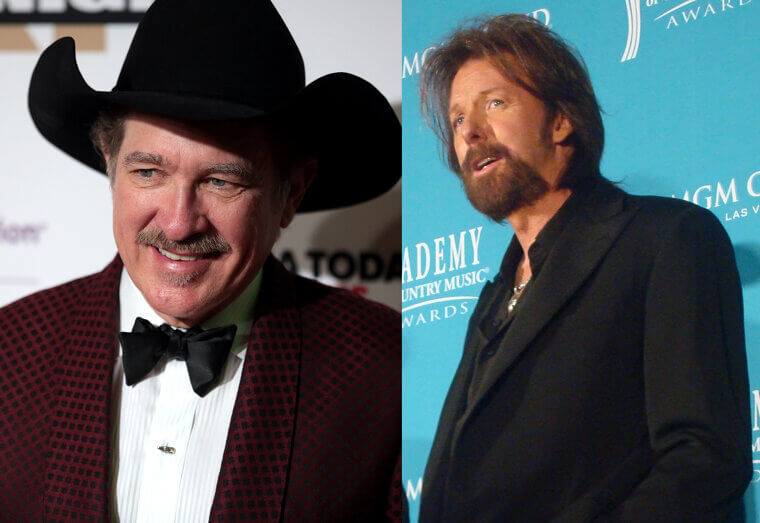
Fortunately, the separation proved temporary, and they eventually reunited for a unprecedented Las Vegas residency and subsequent tours. The break allowed them to repair their friendship and return to the stage with renewed energy and appreciation. Their reunion stands as a rare success story in a business filled with permanent breakups.
Garth Brooks Fought a Bitter Legal Battle Against His Early Team to Own His Empire
Early career business decisions can often lead to profound legal headaches as an artist ascends to superstardom. Garth Brooks signed a management contract early in his career that ultimately became a significant point of contention. As his record sales reached unprecedented heights, Brooks reportedly felt the original agreement heavily favored his early handlers. He allegedly engaged in a unprecedented legal effort to restructure his business operations and gain total control over his significant empire.
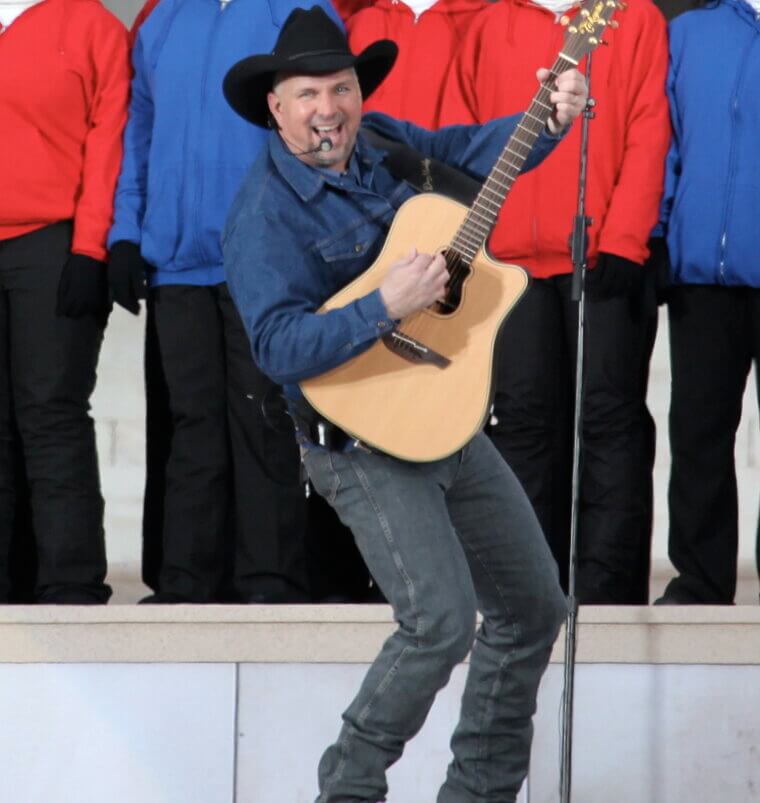
The transition required delicate negotiations and caused significant friction within his original team of advisors. The move ultimately established a new standard for how significant stadium acts manage their own lucrative enterprises. It remains a legendary cautionary tale for newly signed recording artists.
David Allan Coe Released a Brutal Diss Track Claiming Jimmy Buffett Stole His Vibe
The laid-back atmosphere of coastal Florida once hosted a legendary clash between 2 fiercely independent songwriters. David Allan Coe reportedly accused Jimmy Buffett of stealing his tropical aesthetic and capitalizing on the relaxed island lifestyle. Coe allegedly released a substantial diss track aimed directly at the sweeping tropical rock superstar, claiming authentic ownership of the Key West sound. Buffett largely ignored the aggressive musical attacks, continuing to build his vast commercial empire and devoted fan base.

The bizarre rivalry showcased the prominent egos involved in claiming ownership over a specific regional musical subgenre. It provided endless entertainment for locals who witnessed the bizarre cultural standoff firsthand. The dispute remains a hilarious footnote in coastal music history.
Johnny Cash Smashed the Grand Ole Opry Footlights with a Mic Stand and Got Banned
Even the most revered institutions occasionally clash with their most iconic performers over erratic behavior. Johnny Cash famously struggled with hefty personal demons during the peak of his early television fame. During a highly publicized performance at the Ryman Auditorium, Cash allegedly used a microphone stand to unreservedly shatter the stage footlights. The unprecedented destruction outraged the conservative management team, who reportedly banned the superstar from returning to the sacred stage.
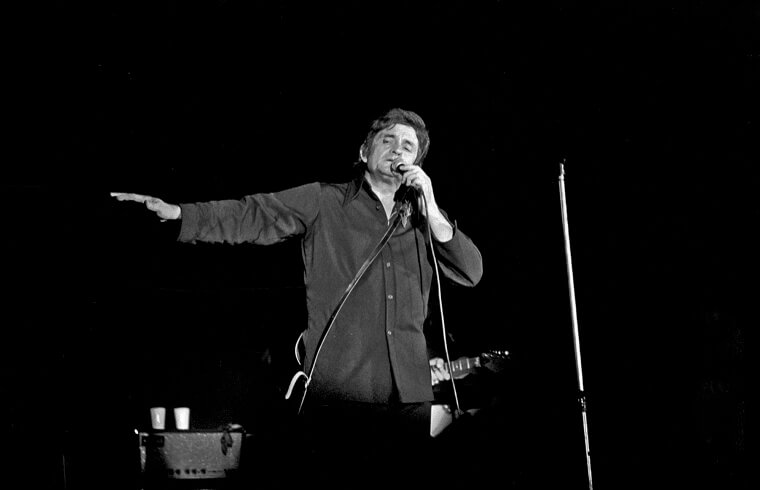
Cash eventually achieved significant sobriety and restored his relationship with the historic venue years later. The fiery incident remains a testament to the large rebellious streak that defined the outlaw movement. His triumphant return to the stage solidified his legacy as an irreplaceable genre icon.