
Even the biggest names in Nashville occasionally miss the mark. From surprising genre pivots to controversial lyrics, these ambitious projects left fans confused and critics divided. Ready to explore the biggest missteps in country music history?
Garth Brooks in the Life of Chris Gaines, Garth Brooks, 1999
When a prominent superstar decides to adopt an alternative rock alter ego, the music industry typically watches with a mixture of curiosity and skepticism. This project was originally intended as a soundtrack for a movie that never actually made it to production, leaving fans confused by the sudden change in musical direction and visual style. The artist swapped his signature cowboy hat and boots for a dark wig and soul patch, stepping far outside the genre that made him famous. Many loyal listeners struggled to understand the concept, leading to significantly lower record sales compared to his previous diamond-certified releases.
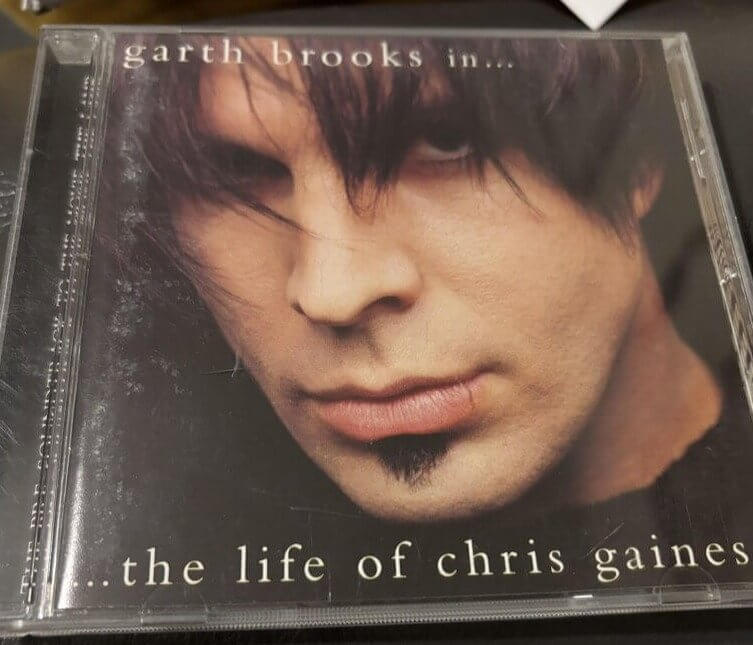
Despite the initial confusion and commercial disappointment, the record has developed a surprising cult following over the past 20 years. Some critics now view the ambitious experiment as a fascinating moment in modern music history.
Wheelhouse, Brad Paisley, 2013
Known for his exceptional guitar skills and clever songwriting, this artist took a significant creative risk with his 9th studio album by tackling complex social issues. He produced the entire record himself, aiming to push the boundaries of conventional radio themes and spark meaningful conversations among his audience. Unfortunately, certain tracks missed the mark with both critics and listeners, generating controversy rather than the thoughtful dialogue he allegedly hoped to inspire. The backlash was swift, with many reviewers questioning the execution of the more serious songs and wondering if he had lost touch with his core fanbase.
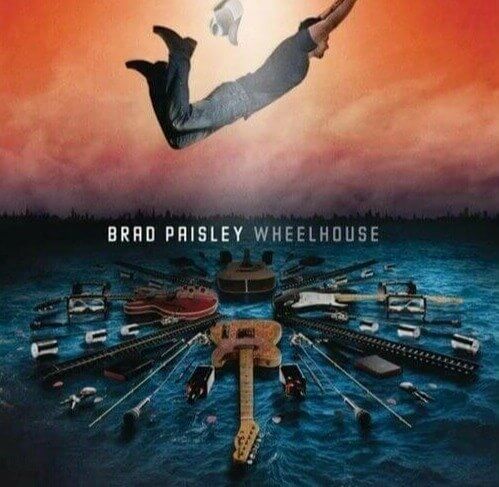
The controversy surrounding the record impacted its longevity on the charts, marking a rare commercial stumble for the usually reliable hitmaker. He eventually returned to his more traditional, lighthearted country sound on subsequent projects to rebuild momentum.
The Owl, Zac Brown Band, 2019
Blending traditional acoustic roots with pop, electronic, and hip hop influences, this release marked a drastic departure for a group celebrated for their organic instrumentation. They collaborated with mainstream pop producers in an attempt to evolve their sound and reach a wider demographic, but the stylistic pivot alienated many longtime supporters. Tracks featuring heavy synthesizers and programmed drum beats felt out of place to listeners who preferred their signature vocal harmonies and fiddle-driven melodies. The dramatic shift in style resulted in a disjointed listening experience that failed to capture the magic of their earlier, more cohesive musical efforts.
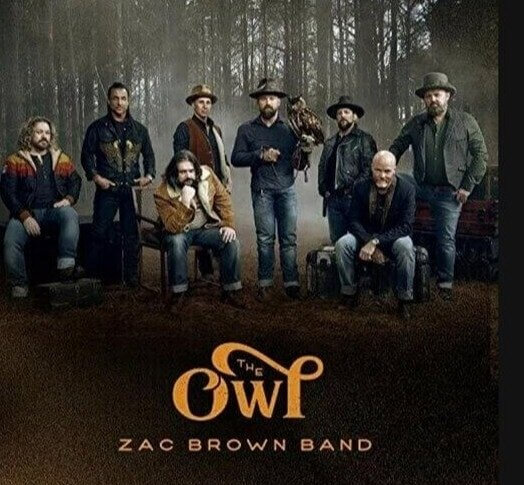
The experimental approach resulted in lackluster chart performance and tepid reviews from country music purists. Realizing the misstep, the band quickly pivoted back to their beloved signature sound on their very next studio release.
Like Red on a Rose, Alan Jackson, 2006
This legendary traditionalist teamed up with a renowned bluegrass artist for a project that leaned heavily into adult contemporary and jazzy ballads. While the vocal performances were undeniably smooth and the production was pristine, the subdued tempo and lack of upbeat honky-tonk anthems left many radio programmers unsure of how to categorize the music. Fans who expected standard steel guitar and fiddle arrangements were surprised by the heavily orchestrated, moody atmosphere that dominated the tracklist. The record was undeniably a beautiful piece of art, but it struggled to find a steady place on mainstream country radio playlists.
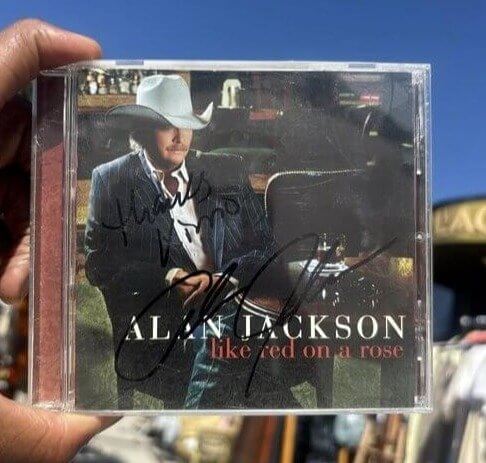
Despite receiving critical acclaim for its sophisticated musicality, the album experienced a notable dip in overall sales compared to his standard multi-platinum releases. He quickly reassured his fanbase by delivering a classic traditional country record shortly after.
Rainbow, Dolly Parton, 1987
Attempting to capitalize on crossover success, this beloved icon released a purely pop record filled with synthesizers and heavily produced dance tracks. She actively pursued a contemporary 80s sound, working with pop-centric songwriters and producers to craft something far different from her Appalachian roots. The polished tracks stripped away the familiar twang and storytelling charm that originally endeared her to millions of country music listeners. While her vocal talent remained as strong as ever, the overwhelming electronic instrumentation overshadowed the emotional depth she usually brought to her classic country recordings.
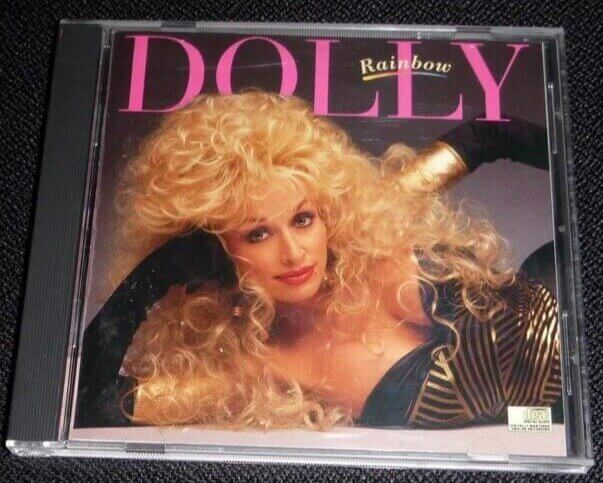
The project proved to be a commercial disappointment, failing to resonate with both pop and country audiences at the time of its release. She famously returned to her acoustic, traditional roots soon after, restoring her status in the genre.
Spitfire, LeAnn Rimes, 2013
Released during a period of intense public scrutiny regarding her personal life, this highly autobiographical album served as a raw and emotional confession. The artist co-wrote the majority of the tracks, pouring her real-life struggles and publicized controversies directly into the lyrics. While critics praised her vocal delivery and the undeniable honesty of the songwriting, the accompanying media circus overshadowed the actual music. Many mainstream country radio stations chose not to play the singles, reportedly due to the ongoing tabloid drama surrounding the singer's high-profile relationships and personal decisions.

With limited radio support and a distracted public, the record experienced poor sales and quickly fell off the charts. It remains a fascinating, critically appreciated project that unfortunately marked a steep decline in her commercial country radio presence.
Cry, Faith Hill, 2002
After achieving massive crossover success, this superstar leaned fully into mainstream pop and R&B influences for her highly anticipated follow-up project. The record featured elaborate vocal runs, sweeping orchestral arrangements, and a distinct lack of traditional country instrumentation. While her powerful voice easily handled the challenging material, the dramatic shift away from her original country sound alienated the loyal fanbase that had supported her early career. Many country music purists felt abandoned by the slick, arena-ready production and argued that the project belonged strictly on contemporary pop stations.
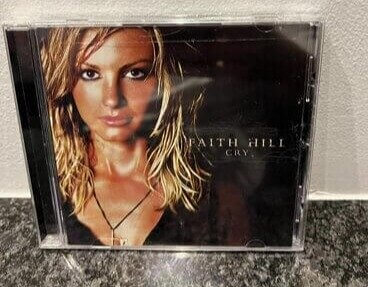
Although the album still sold millions of copies globally, it severely damaged her relationship with country radio and traditional listeners. The noticeable backlash prompted her to return to a more organic, roots-oriented sound on her subsequent releases.
Just a Little Love, Reba McEntire, 1984
Before she became the undisputed queen of the genre, this artist struggled to find her footing with a record heavily influenced by the fading countrypolitan sound. The label reportedly pushed her to record polished, pop-leaning tracks with lush string arrangements that masked her distinct vocal twang. She felt creatively stifled by the song choices and the overly smooth production style, which failed to showcase her true emotional range and authentic country spirit. The resulting music sounded dated almost immediately upon release, failing to generate any significant momentum on the charts.
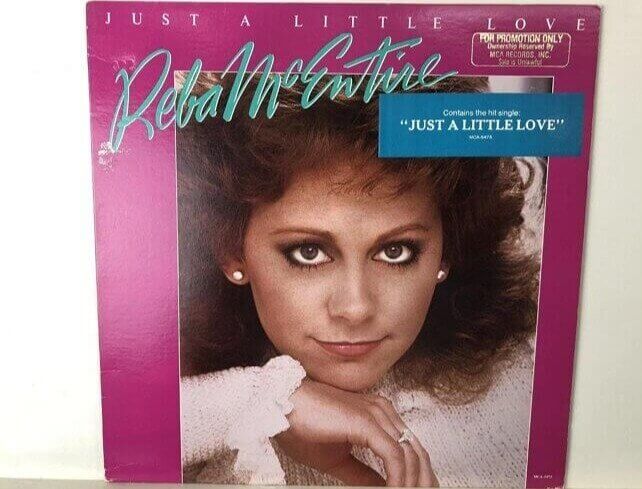
The frustrating experience actually became a crucial turning point in her long career. She subsequently demanded creative control, resulting in her legendary traditional country breakthrough that finally secured her superstar status.
D'lectrified, Clint Black, 1999
In an era dominated by high-energy stadium country, this prominent hitmaker decided to release a heavily acoustic, unplugged-style album. He relied on jazzy chords, complex acoustic arrangements, and a laid-back vocal approach that sharply contrasted with the aggressive sound of late 90s radio. While the musicianship was undeniably top-notch, the mellow atmosphere and lack of driving percussion caused many tracks to get lost in the shuffle. The experimental project featured several unexpected cover songs and guest appearances that confused listeners who were hoping for more of his signature Texas honky-tonk anthems.

The creative detour resulted in sluggish record sales and a noticeable loss of radio momentum for the artist. It served as a stark reminder that straying too far from a successful formula can sometimes alienate a dedicated audience.
The Mystery of Life, Johnny Cash, 1991
During a difficult career slump, this music legend released a largely forgotten record that suffered from uneven production and a lack of clear artistic direction. The album consisted mostly of leftover tracks and re-recorded material from earlier sessions, resulting in a disjointed collection of songs that lacked his usual gravitas. The 1980s and early 90s were famously challenging for traditional artists, and the label seemingly put very little promotional effort behind this particular release. His legendary baritone voice sounded noticeably weary on several tracks, reflecting his growing frustration with an industry that had largely moved on to younger performers.
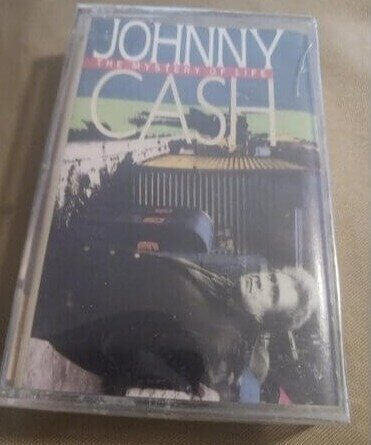
The release barely made a blip on the commercial radar, becoming one of the lowest-selling projects of his extensive catalog. Thankfully, his career was spectacularly revitalized just a few years later through his historic collaboration with a renowned rock producer.
Back to Us, Rascal Flatts, 2017
Attempting to reclaim their early 2000s glory, this popular trio released a project that ironically struggled to connect with modern audiences. The band allegedly wanted to return to their roots, focusing on the tight vocal harmonies and emotional ballads that originally made them famous. However, the musical landscape had shifted drastically towards a more rhythmic, hip-hop-influenced sound, making their slick pop-country anthems feel slightly out of touch. Despite their best efforts to deliver radio-friendly hooks, the singles failed to gain significant traction, signaling a decline in their decades-long dominance of the genre.
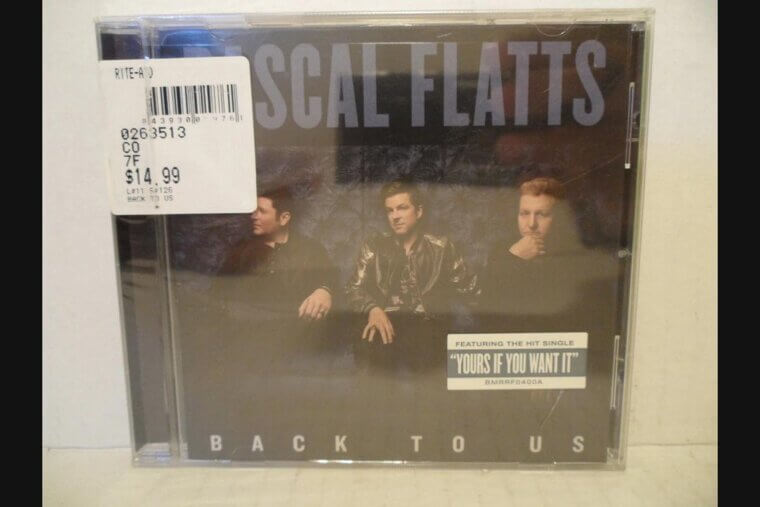
The disappointing performance of the record highlighted the challenges older acts face in a rapidly changing industry. The group eventually announced a farewell tour not long after, closing the chapter on their incredible run.
Star-Crossed, Kacey Musgraves, 2021
Following massive critical success, this talented songwriter released a conceptual divorce album that leaned heavily into atmospheric pop and psychedelic soundscapes. She mostly abandoned the acoustic guitars and clever country wordplay that defined her early work, opting instead for synthesizer-driven melodies and melancholic, introspective lyrics. The record was structured as a modern tragedy in 3 acts, exploring the painful dissolution of her marriage with raw honesty. While many music critics praised the bold artistic evolution, country radio programmers found the ethereal sound highly incompatible with their standard upbeat formats.

The project ignited a fierce debate about genre classification when it was controversially excluded from major country music award categories. The resulting commercial performance within the country market was noticeably muted compared to her previous triumphant releases.
Life Rolls On, Florida Georgia Line, 2021
Once the undisputed kings of the modern bro-country movement, this high-energy duo released their fifth studio project to a surprisingly lukewarm reception. The album heavily recycled the same party themes, electronic beats, and nostalgic lyrics that had brought them massive success a decade earlier. Unfortunately for the pair, audience tastes had begun shifting back toward more traditional, narrative-driven songwriting, leaving their specific brand of music feeling slightly stale. Internal tensions between the 2 artists reportedly surfaced during this period, casting a shadow over the release and affecting their promotional efforts.
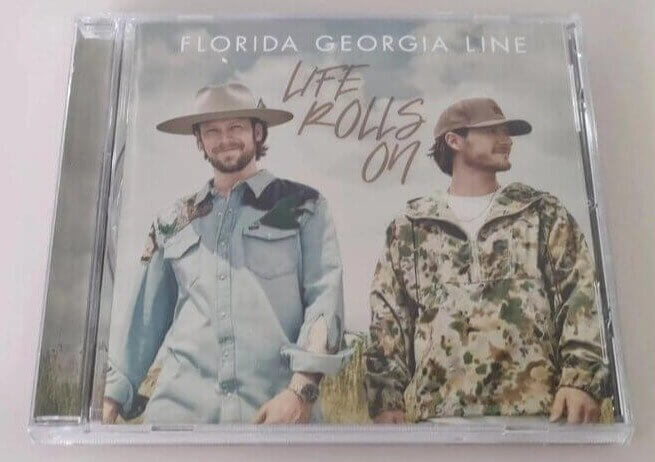
The record failed to produce the massive multi-platinum singles they were previously known for, marking a clear turning point. The duo officially went on an indefinite hiatus shortly after, allowing both members to pursue independent solo careers.
Water & Bridges, Kenny Rogers, 2006
Attempting a late-career comeback, this veteran storyteller released a deeply personal collection of songs that focused heavily on themes of aging, regret, and mortality. The production was clean and respectful, allowing his weathered, iconic voice to take center stage on tracks that tackled complex adult emotions. While the material was universally praised by reviewers for its emotional depth and maturity, the heavy subject matter proved to be a tough sell for mainstream listeners. Younger audiences were largely unfamiliar with his legendary catalog, and traditional radio stations had already moved on to the next generation of stars.
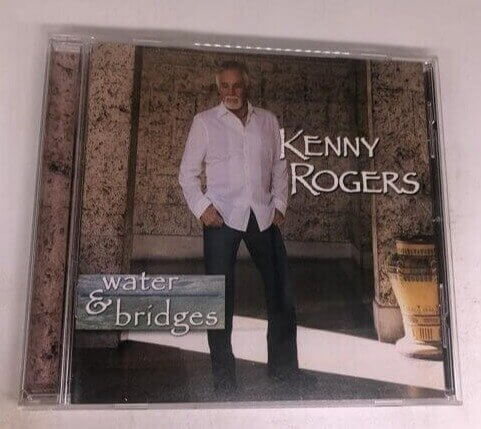
Despite securing a respectable debut on the charts, the album lacked the necessary momentum to sustain long-term commercial success. It stands as a brilliant artistic achievement that unfortunately served as a quiet conclusion to his mainstream radio career.
Everlasting, Martina McBride, 2014
Known for her powerhouse vocals and dramatic country ballads, this acclaimed artist decided to release a full album of classic R&B and soul covers. She assembled a massive backing band complete with a horn section, tackling iconic hits from legendary 1960s soul singers. While her impressive vocal range allowed her to easily hit all the demanding notes, the stylistic departure was jarring for her core country audience. Many fans felt the project sounded more like a high-end wedding band recording rather than a vital, original release from one of the genre's greatest contemporary voices.

The ambitious cover project struggled to find a clear target audience, alienating country listeners while failing to capture true soul aficionados. The experiment resulted in some of the lowest commercial numbers of her otherwise stellar recording career.
Bigger, Sugarland, 2018
After a lengthy hiatus to pursue solo endeavors, this dynamic duo reunited to release a project that failed to capture their original spark. The record heavily incorporated adult contemporary pop elements, stepping away from the infectious, twang-infused energy that defined their biggest hits. While their vocal chemistry remained intact, the songwriting lacked the quirky charm and emotional resonance that fans had originally fallen in love with. Listeners found the production overly polished, resulting in a collection of songs that felt surprisingly safe for a group known for their theatrical flair.
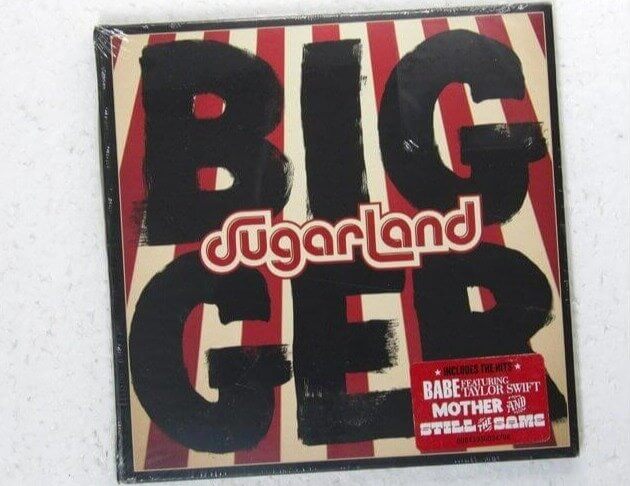
The reunion record debuted to modest sales and quickly faded from mainstream country radio playlists. The underwhelming response proved that recreating past magic after a long break is a difficult task for even the most talented acts.
Texoma Shore, Blake Shelton, 2017
Despite being a major television personality, this seasoned vocalist experienced a noticeable commercial dip with a record that felt slightly repetitive to many critics. The album leaned heavily on familiar themes of rural life and romance, failing to push his sound in any new or exciting directions. While it contained a few catchy radio singles, the overall tracklist blended together, lacking the standout anthems that usually anchored his multi-platinum releases. Fans seemed less eager to purchase the full project, perhaps signaling a growing fatigue with his established formula during a changing musical landscape.
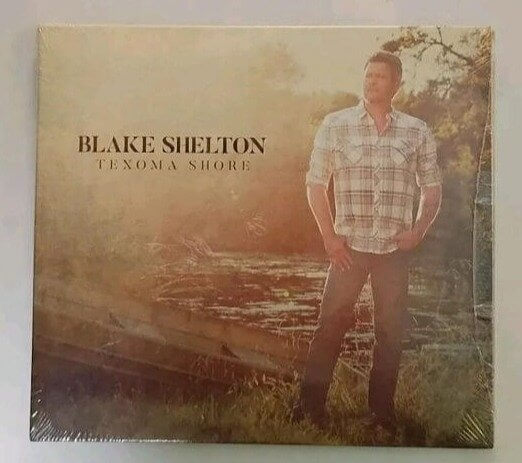
The record still achieved solid chart positioning due to his immense celebrity status, but its long-term impact was minimal. It forced him to reevaluate his song choices and seek out more dynamic material for future recording sessions.
9, Jason Aldean, 2019
Releasing his ninth studio album, this arena-rocking country star delivered a 16-track project that struggled to stand out in a crowded market. The record heavily relied on his signature blend of hard rock guitars and hip-hop drum loops, offering very little variation from his previous 3 releases. Critics noted that the lyrical content felt recycled, focusing on the same dirt roads and small-town tropes he had been singing about for over a decade. While his core audience appreciated the consistency, the lack of innovation prevented the project from reaching the massive crossover heights of his earlier work.
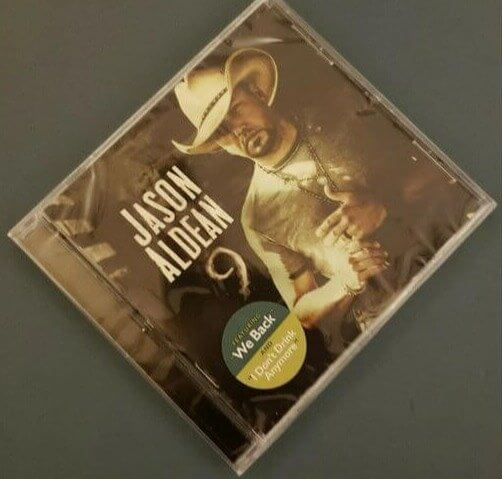
The album experienced a faster decline on the charts than expected, indicating a slight waning in his usual commercial dominance. It served as a clear sign that even the most reliable hitmakers eventually need to evolve their sound.
Born Here Live Here Die Here, Luke Bryan, 2020
Navigating a major shift in the country music landscape, this perennial entertainer released a project that felt somewhat trapped in the past. The album was delayed several times, and by the time it finally arrived, its breezy party anthems felt slightly out of sync with the cultural moment. While he attempted to include a few mature ballads, the bulk of the record relied on the same tailgates and tan lines imagery that defined the 2010s. The repetitive themes failed to excite reviewers, who felt the artist was playing it far too safe at this stage in his career.
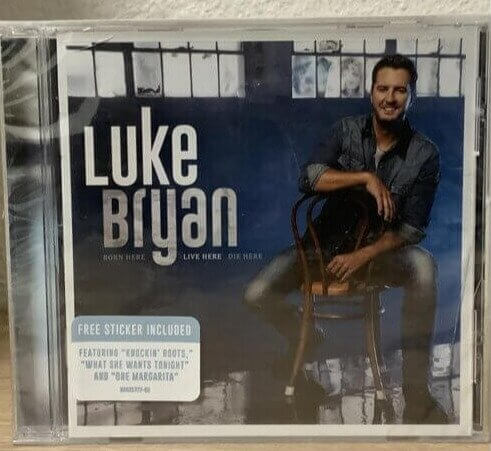
Although it still managed to produce radio hits, the overall album sales were noticeably lower than his peak era. The project suggested that the sun-drenched party country trend was finally beginning to lose its widespread appeal.
Port Saint Joe, Brothers Osborne, 2018
Following a highly successful debut, this sibling duo retreated to a Florida beach house to record a deliberately raw and unpolished sophomore album. They prioritized a gritty, live-band sound over slick studio perfection, resulting in a blues-heavy record that showcased their phenomenal musicianship. While critics universally praised the authentic approach and stellar guitar work, mainstream country radio found the lengthy instrumental jams difficult to program. The lack of standard pop-country hooks alienated casual listeners who were accustomed to the bright, predictable sound dominating the airwaves at the time.
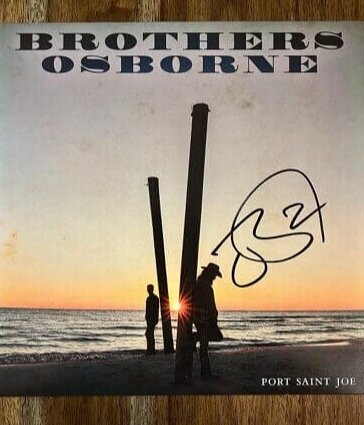
The uncompromising artistic vision earned them immense respect within the industry, but it severely limited their commercial radio airplay. They prioritized artistic integrity over chasing trends, a decision that cemented their legacy among discerning fans.
Perfectly Clear, Jewel, 2008
This famous 90s pop-folk singer attempted a formal transition into the country music market by releasing a straightforward, Nashville-produced record. She enlisted prominent studio musicians and relied on traditional storytelling tropes, hoping to seamlessly integrate into the genre. However, many country music purists viewed the pivot with skepticism, feeling that the project lacked the organic authenticity required to resonate with long-time fans of the format. The songs often felt like calculated attempts to check off standard country music boxes, missing the unique lyrical perspective that originally made her a global pop star.
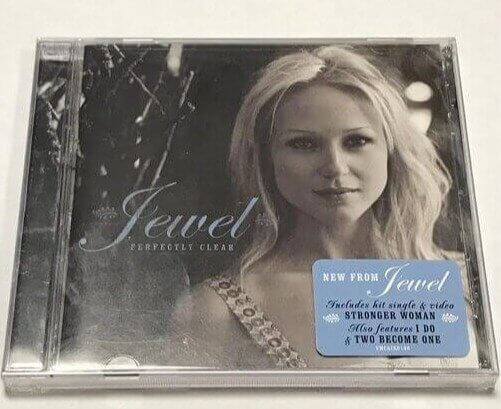
Despite debuting well based on name recognition, the album failed to produce lasting hits or secure her a permanent spot in the genre. She eventually returned to her folk-pop roots on subsequent independent releases.
Southern Voice, Tim McGraw, 2009
Amidst behind-the-scenes label disputes, this veteran superstar released a remarkably uneven project that struggled to find a cohesive sonic identity. The record bounced randomly between breezy pop-country tunes and overly serious, philosophical ballads, leaving listeners unsure of the overall message. The ongoing legal battles reportedly distracted from the promotional campaign, resulting in a disjointed rollout that failed to generate significant buzz. While the title track performed reasonably well, the rest of the album quickly faded into obscurity, marking a rare commercial lull for the usually dominant chart-topper.
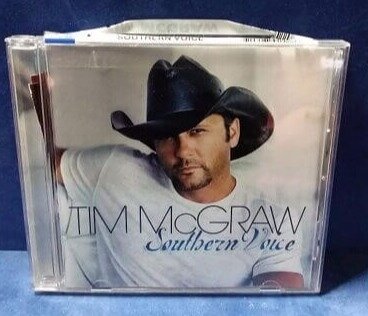
The frustrating era officially ended his long-standing relationship with his original record label. He eventually signed a new deal and released a highly successful comeback project that restored his commercial momentum.
Hope on the Rocks, Toby Keith, 2012
Known for his boisterous patriotic anthems and drinking songs, this seasoned artist delivered a surprisingly somber and reflective collection of music. The record leaned heavily into classic country themes of heartbreak and loss, featuring slower tempos and traditional instrumentation. While it showcased a deeper, more mature side of his songwriting, the muted energy failed to connect with fans who expected his usual high-octane stadium rockers. The lack of an undeniable, catchy single severely hampered the promotional cycle, leading to a surprisingly weak debut on the sales charts.
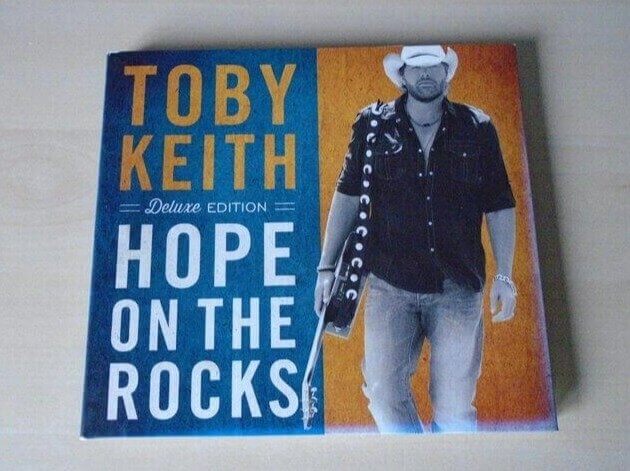
The project represents one of the lowest commercial points of his modern career, struggling to maintain any lasting radio presence. He quickly course-corrected by returning to more upbeat, humorous material on his next studio effort.
Next Big Thing, Vince Gill, 2003
This highly respected vocalist and guitar virtuoso decided to self-produce a lengthy, 17-track album that showcased his diverse musical interests. He explored everything from western swing and blues to standard country ballads, resulting in a sprawling project that lacked a concise commercial focus. The lack of an outside producer reportedly allowed the record to become overly indulgent, with long instrumental solos that were ill-suited for radio play. Younger artists were beginning to dominate the charts, and this eclectic mix of styles failed to capture the attention of the modern country audience.

The ambitious record failed to generate any top 10 hits, signaling the end of his peak commercial radio era. However, it earned critical praise and solidified his reputation as a master musician unconcerned with trends.
Cowboy's Back in Town, Trace Adkins, 2010
Riding high on recent television appearances, this deep-voiced traditionalist released a project that leaned far too heavily into novelty songs and macho clichés. The record was packed with aggressive, heavy-guitar anthems that felt slightly forced and unnatural for a singer usually known for his steady baritone delivery. Critics argued that the material lacked substance, relying on predictable lyrics about trucks and toughness rather than genuine emotion. The aggressive posturing failed to translate into major radio success, alienating listeners who preferred his earlier, more nuanced storytelling.
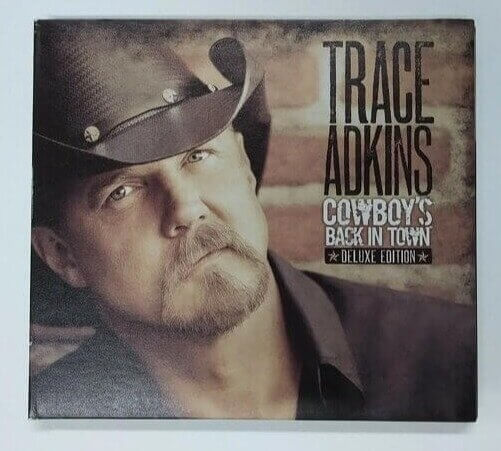
The album experienced a rapid decline in sales and failed to sustain momentum for his career. It served as a clear misstep in an otherwise remarkably consistent and successful discography.
Right for the Time, Waylon Jennings, 1996
During the twilight of his storied career, this legendary outlaw released an album that unfortunately went largely unnoticed by the modern country establishment. The record featured solid songwriting and his trademark rugged vocals, but it sounded distinctly out of place amidst the polished pop-country dominating the mid-90s airwaves. The production was stripped-down and traditional, a deliberate choice that appealed to older fans but guaranteed zero support from mainstream radio stations. He reportedly recorded the project on a smaller independent label, resulting in a severe lack of promotional funding and distribution.
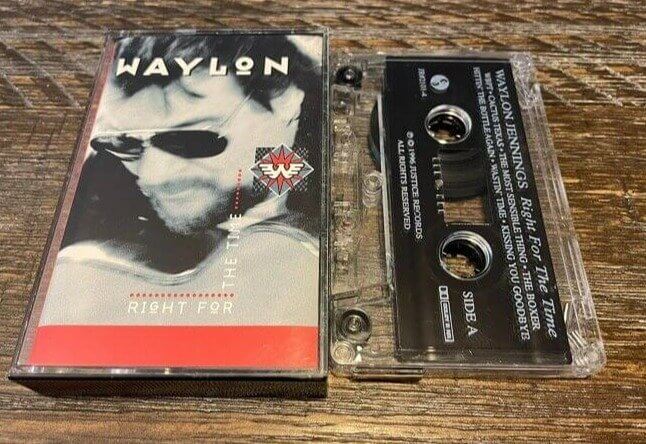
The release barely registered on the commercial charts, serving as a quiet release for a giant of the genre. Nevertheless, the music itself remains a testament to his unwavering dedication to authentic, uncompromised artistry.
Lone Wolf, Hank Williams Jr. , 1990
Entering a new decade, this rowdy entertainer attempted to adapt his aggressive Southern rock sound with a remarkably uneven and uninspired record. The album relied heavily on synthesized drums and dated 80s production techniques, which instantly diluted the raw energy that usually defined his music. The lyrical themes felt repetitive and tired, lacking the rebellious spark that made his earlier releases so compelling to his massive fanbase. As traditional country music began its massive resurgence in the early 90s, this polished, rock-leaning project felt remarkably out of touch with the changing times.
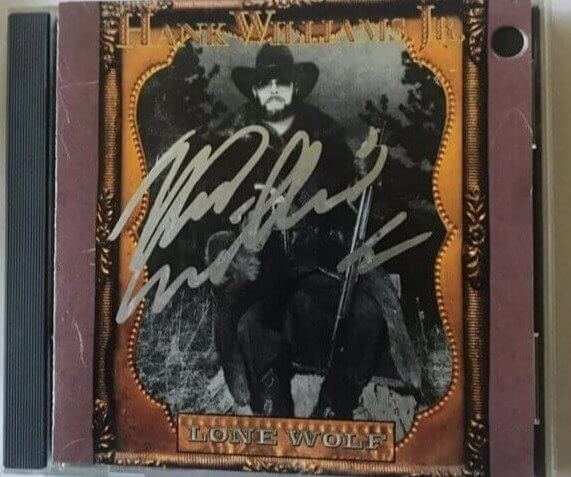
The record failed to produce any significant hits, marking the beginning of a noticeable commercial decline for the artist. It demonstrated the difficulty of transitioning a specific, era-defining sound into a brand new decade.
Hits I Missed... And One I Didn't, George Jones, 2005
Late in his legendary career, this iconic vocalist released a unique concept album consisting of famous songs he had previously passed on recording. While the premise was intriguing, the execution felt somewhat lackluster, with the aging singer struggling to bring fresh energy to heavily established classics. The production leaned toward a safe, generic sound that failed to elevate the material or showcase the nuanced phrasing he was famous for. Reviewers felt that covering modern hits from other artists did a disservice to his legacy, making the project feel more like a novelty than a serious artistic statement.
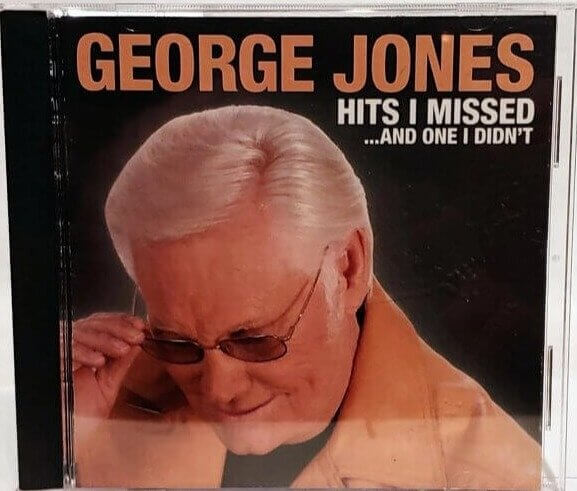
The concept album generated very little commercial interest and vanished quickly from the charts. It remains a strange, mostly forgotten footnote in the catalog of the greatest voice in country music history.
Sweet and Wild, Jewel, 2010
In her second attempt to conquer the country music market, this singer-songwriter delivered a surprisingly generic project that lacked her usual lyrical depth. She leaned heavily into upbeat, radio-friendly pop-country production, clearly aiming for mainstream acceptance rather than artistic innovation. The resulting tracks felt incredibly safe, relying on predictable rhymes and standard genre tropes that failed to distinguish her from established Nashville stars. Critics noted that her distinctive vocal quirks were noticeably smoothed out, leaving the record feeling devoid of the unique personality that originally brought her global fame.

The album underperformed significantly, failing to secure a strong foothold at country radio. The lukewarm reception seemingly concluded her brief, heavily publicized foray into the mainstream country music industry.
The Weight of These Wings, Miranda Lambert, 2016
Following a highly publicized divorce, this fiery superstar released a massive, 24-track double album that was moody, introspective, and deliberately uncommercial. She largely abandoned her signature upbeat, revenge-themed anthems in favor of sparse, acoustic-driven ballads that explored profound grief and vulnerability. The sheer length and heavy emotional weight of the project proved challenging for casual listeners and mainstream radio programmers alike. While critics hailed it as a masterpiece of modern songwriting, the lack of traditional radio hooks resulted in surprisingly low numbers for an artist of her immense stature.
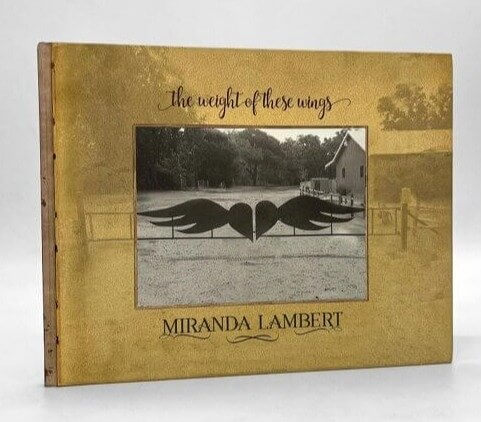
The artistic gamble cost her some commercial momentum, but it ultimately elevated her status as a serious songwriter. The record won widespread critical acclaim and remains a career-defining artistic triumph.
Denim & Rhinestones, Carrie Underwood, 2022
Attempting to blend 80s pop influences with modern country, this powerhouse vocalist released a heavily stylized project that struggled to resonate with her core audience. The record featured prominent synthesizers, drum machines, and glossy production that felt out of place next to the roots-oriented sound trending at the time. While her vocal acrobatics were as impressive as ever, the retro-pop aesthetic failed to produce the massive, culturally resonant anthems she was previously known for. Fans seemed slightly confused by the visual and sonic shift, resulting in a relatively weak debut compared to her usual blockbuster releases.

The album experienced a rapid drop on the charts, marking a rare commercial underperformance for the former reality show winner. It highlighted the risk of chasing retro trends in a constantly evolving musical landscape.
Subject to Change, Kelsea Ballerini, 2022
Navigating her transition from a young pop-country star to a mature songwriter, this artist released an album that struggled to find a solid commercial footing. The record heavily leaned into breezy, 90s-inspired country-pop, but the lyrical content felt caught between youthful exuberance and adult introspection. Despite aggressive promotional efforts and critical praise for her honest songwriting, the singles failed to gain necessary traction on traditional radio formats. The project debuted to lower-than-expected sales, indicating a slight disconnect between her evolving artistic vision and the expectations of the mainstream audience.
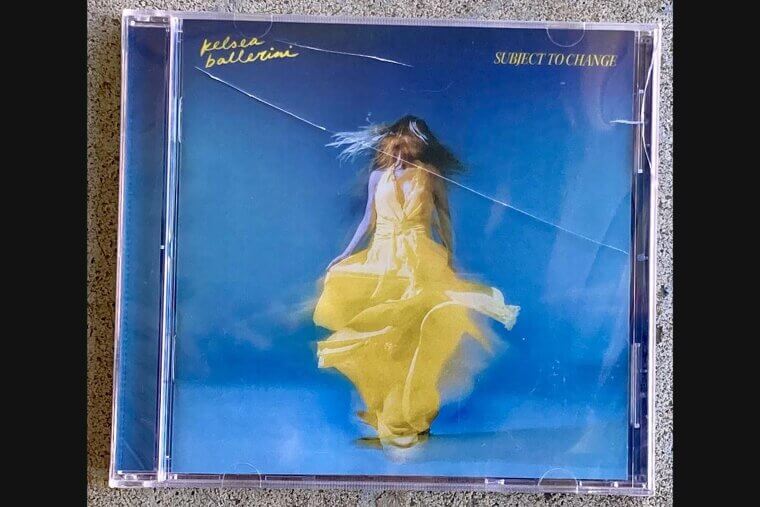
The relatively soft performance of the record served as a transitional hurdle in her career. She gracefully pivoted shortly after by releasing a highly acclaimed, emotionally raw EP that successfully redefined her public image.
Where We Started, Thomas Rhett, 2022
Known for his reliable string of chart-topping hits, this amiable star released a massive 15-track album that ultimately felt overly familiar to listeners. The record leaned heavily on his standard formula of mid-tempo love songs and nostalgic reflections, offering very little sonic variation from his previous multi-platinum efforts. Critics noted a distinct sense of creative fatigue, arguing that the polished pop-country tracks lacked the immediate, undeniable hooks that usually anchored his releases. The sheer volume of material caused the standout moments to get lost, resulting in a project that blended into the background.
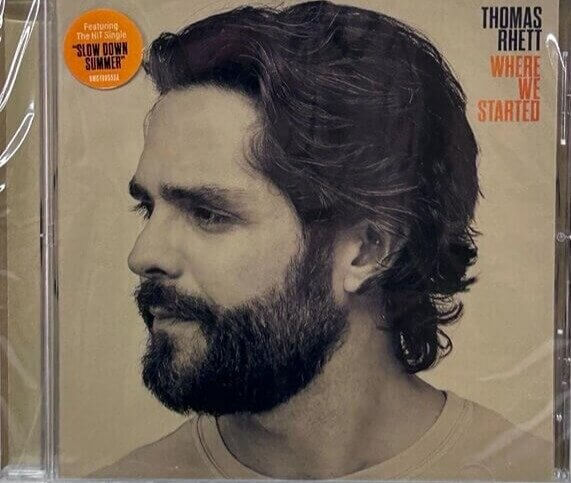
While it still generated a modest radio presence, the album failed to sustain the massive cultural impact of his earlier work. The lukewarm reception signaled a need for a fresh creative direction in future recording sessions.
Southside, Sam Hunt, 2020
Following a massive, record-breaking debut album, this genre-blurring artist took an unprecedented 6 years to release his highly anticipated sophomore project. By the time the record finally arrived, the musical landscape had shifted, and his unique blend of R&B and country no longer felt quite as revolutionary. The tracklist heavily relied on songs that had already been released years prior, leaving fans disappointed by the lack of genuinely new material. The disjointed rollout and reliance on older tracks made the project feel more like a compilation than a cohesive new artistic statement.
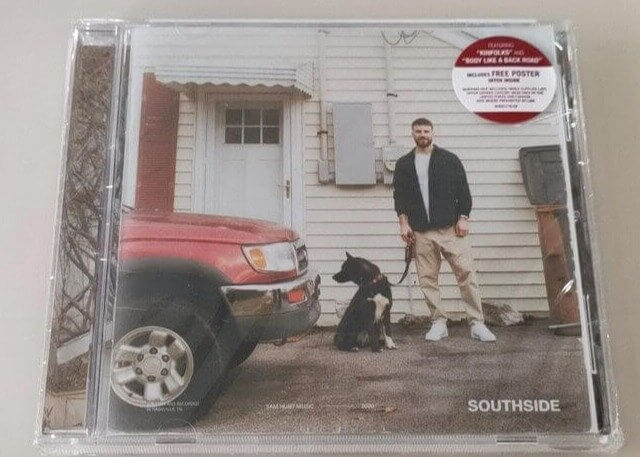
The lengthy delay severely hampered the album's overall commercial impact upon its eventual release. It served as a cautionary tale about the dangers of losing momentum in a fast-paced, modern music industry.
Now, Shania Twain, 2017
Returning from a 15-year hiatus caused by vocal cord issues and personal turmoil, this legendary global icon released a remarkably divisive comeback album. She bravely wrote every track herself, resulting in a deeply personal but sonically disjointed record that lacked the sleek, arena-ready production of her peak years. The vocal delivery was noticeably different, reflecting her medical struggles, which proved jarring for fans expecting her classic powerhouse sound. The eclectic mix of reggae, pop, and acoustic elements failed to capture the infectious energy that originally made her the best-selling female artist in history.

Despite debuting at the top of the charts based on immense anticipation, the record experienced a historic drop in sales during its second week. It ultimately failed to generate any lasting radio hits or cultural momentum.