
Saddle up for a wild ride! We’ve rounded up some of the most fascinating, scandalous, and bizarre behind-the-scenes secrets from your favorite classic TV Westerns. Grab your hat and boots, and read on to uncover these shocking frontier tales today!
Michael Landon Wore Huge Lifts In His Shoes On "Bonanza"
The beloved actor who portrayed Little Joe Cartwright was notoriously insecure about his height compared to his much taller castmates. Dan Blocker and Lorne Greene were both large, imposing men who naturally commanded attention whenever they stepped onto the Ponderosa set. To compensate for his shorter stature, Landon reportedly wore custom-made shoes featuring lifts that added nearly 4 inches to his frame. This wardrobe secret required him to practice walking carefully on the uneven outdoor terrain to avoid stumbling during action sequences and horseback riding scenes.
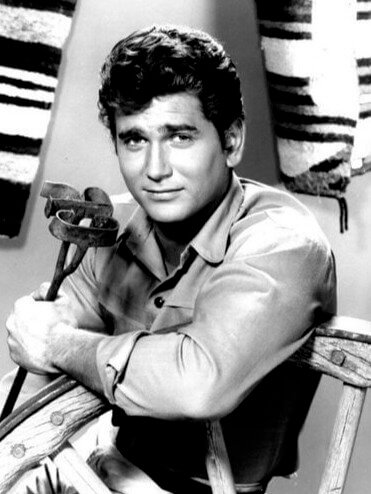
The production crew often accommodated his requests to stand on small platforms or apple boxes during tight close-ups with the rest of the Cartwright family. Fans rarely noticed the visual tricks utilized to keep the beloved family looking balanced on screen.
Clint Eastwood Reportedly Despised His Equine Co-Star On "Rawhide"
Playing the young and eager Rowdy Yates on the long-running cattle drive series made him a household name, but his relationship with his primary mode of transportation was allegedly quite strained. The actor frequently clashed with the production team over the specific animal assigned to him for filming, claiming the gelding was stubbornly uncooperative and difficult to manage during complex maneuvers. Crew members recalled several instances where the frustrated star threatened to find a replacement mount himself if the wranglers could not improve the situation before the cameras rolled.
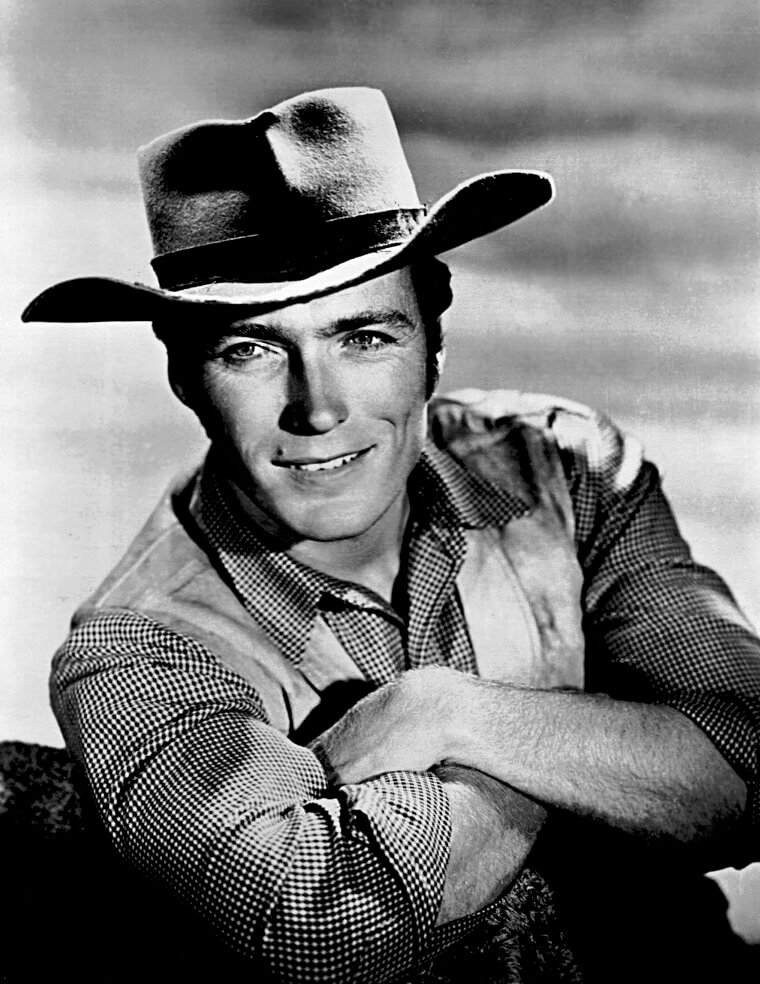
He eventually learned to tolerate the creature just enough to complete his contractual obligations without causing major production delays. The tense dynamic between man and beast remained a quiet running joke among the crew throughout his tenure on the program.
Barbara Stanwyck Insisted On Doing Her Own Stunts For "The Big Valley"
Portraying the fierce matriarch Victoria Barkley required a delicate balance of elegant grace and rugged frontier toughness that few actresses could naturally pull off. Already an established cinematic legend by the time she joined the cast, she shocked the production crew by flatly refusing to step aside for professional stunt doubles during action sequences. Whether she was being dragged by runaway horses, trapped in burning barns, or engaging in intense physical altercations, the dedicated star fearlessly threw herself into the grueling physical demands of the role. Directors reportedly begged her to reconsider for safety reasons, but she ignored their pleas. Unfortunately for Barbara, however, insurance companies had the last say and she had to let her stunt doubles do their job.
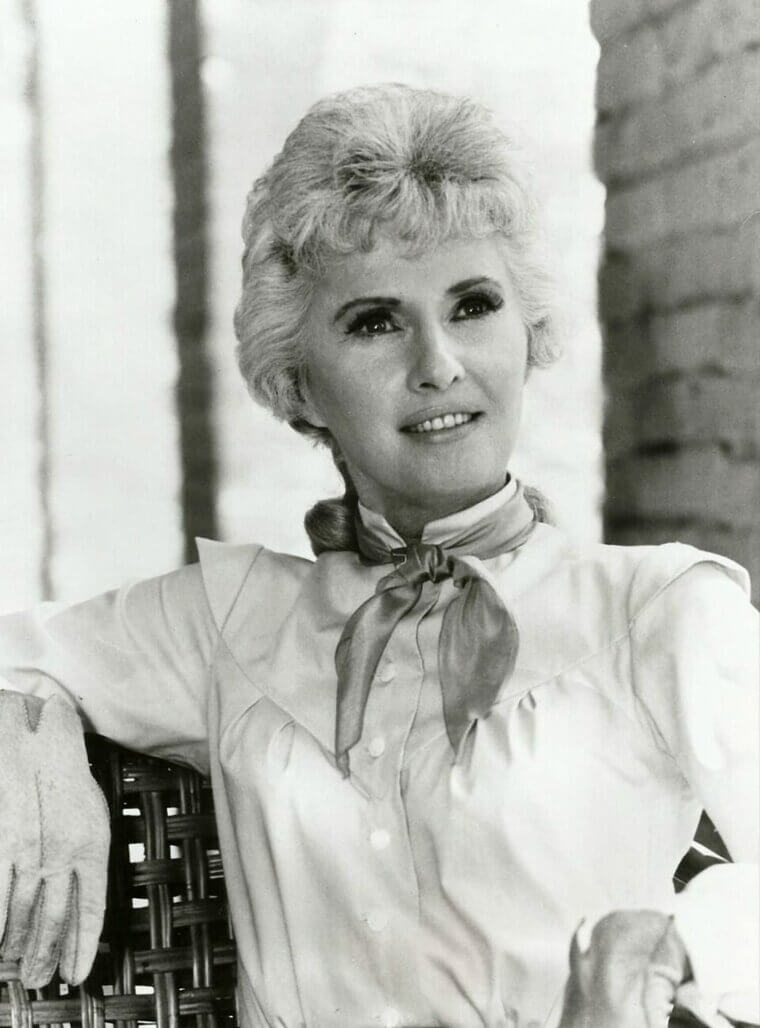
Her fearless commitment to authenticity inspired the younger cast members to step up their own game during difficult outdoor shoots. She earned widespread respect from veteran stunt coordinators who rarely saw such bravery from established Hollywood royalty.
James Garner Sued The Studio Over "Maverick" Profits
The charismatic actor won millions of devoted fans playing the smooth-talking gambler Bret, but his behind-the-scenes relationship with Warner Bros executives was notoriously combative. When a writers strike halted production, the studio opportunistically suspended his contract without pay, prompting him to file a massive breach of contract lawsuit in response. He aggressively argued that they were hiding millions of dollars in syndication profits and merchandising revenue that rightfully belonged to him under his original agreement. The bitter legal battle raged on for months, effectively ending his successful run on the lighthearted gambling adventure series permanently.
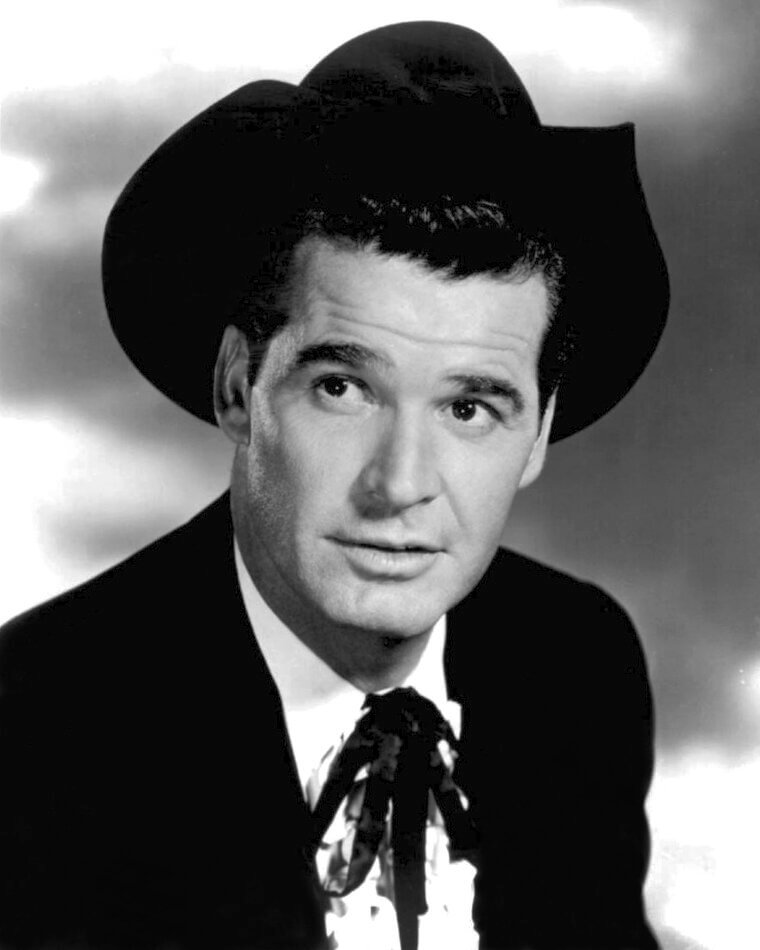
He ultimately emerged victorious in court, setting a major precedent for television actors seeking fair compensation for their artistic contributions. The bold move proved he was just as fearless negotiating in real life as he was at the poker table.
Clayton Moore Was Temporarily Replaced On "The Lone Ranger"
The masked hero riding a magnificent white stallion became an instant cultural phenomenon, largely due to the dignified gravitas the lead actor brought to the mysterious vigilante character. When a fierce contract dispute regarding salary increases and merchandising royalties reached a boiling point, executives shockingly fired him and hired John Hart to wear the famous mask for 52 episodes. Audiences strongly rejected the sudden casting change, bombarding the network with angry letters demanding the immediate return of the original star they had grown to love. The studio eventually admitted their colossal mistake and quietly negotiated a new deal to bring him back.
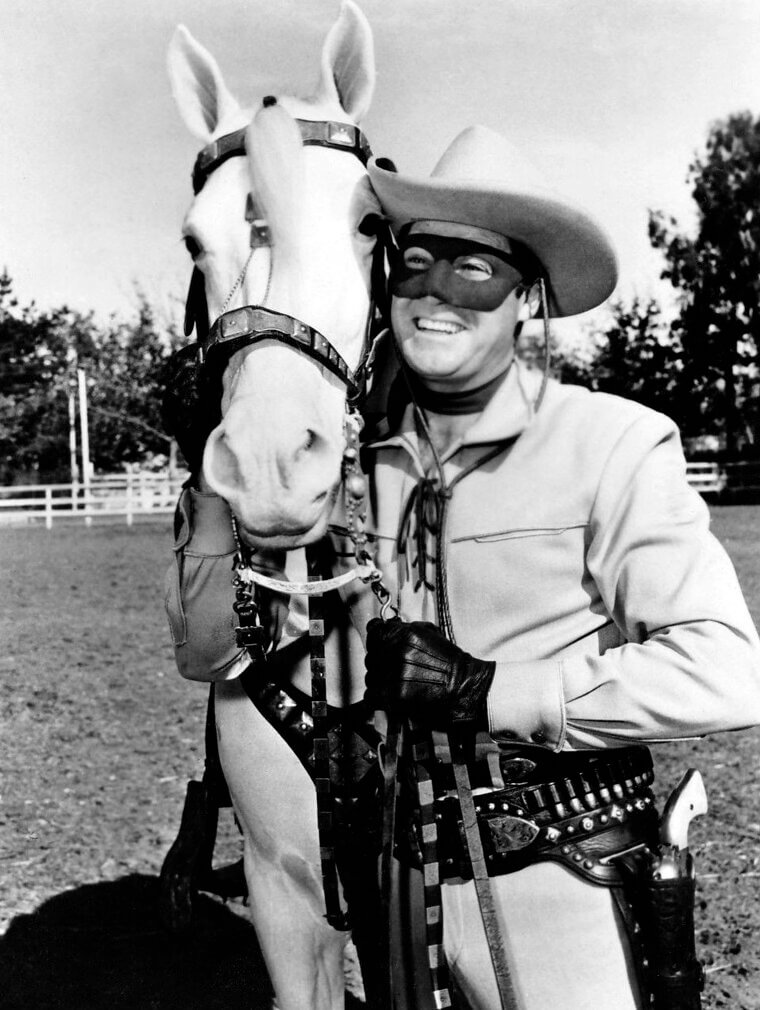
Fans rejoiced when he returned to the saddle, ignoring the fact that another performer had ever uttered his famous catchphrase. He continued making personal appearances in the iconic costume for decades after the program finally ended.
Amanda Blake Kept An Actual Lion After "Gunsmoke"
The fiery actress who brought saloon owner Miss Kitty Russell to life developed a profound and unexpected passion for exotic animal welfare during her time in Hollywood. After leaving the legendary series, she and her husband established an extensive breeding program dedicated to preserving endangered feline species in captivity. She famously kept a large African lion named Kemo as a personal companion, frequently bringing the massive predator to local community events to raise awareness for her conservation efforts. Her dedication to these magnificent creatures allegedly cost her a significant portion of her accumulated acting fortune over the ensuing decades.
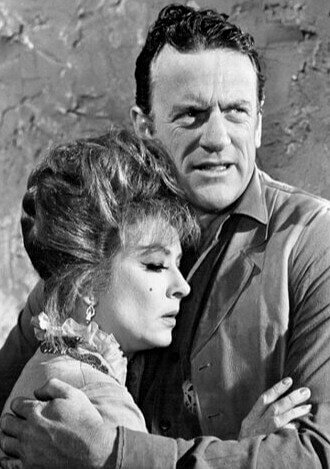
The sprawling compound she built in Arizona eventually became a respected sanctuary for numerous displaced wildlife residents. Her pioneering animal rights advocacy remains just as inspiring as her unforgettable performances at the Long Branch Saloon.
Milburn Stone Never Missed A Day Over 20 Seasons Of "Gunsmoke"
Playing the crusty but lovable Doc Adams required immense dedication, and the veteran character actor delivered a level of reliability that remains unmatched in modern television history. While other cast members took extended vacations or negotiated lighter schedules to pursue outside film projects, he proudly maintained perfect attendance on the busy soundstage. He only missed a brief handful of episodes late in the run because he required emergency heart surgery, yet he aggressively pushed his doctors for an early release so he could return to work. His unwavering work ethic served as a guiding example for every single guest star who arrived.
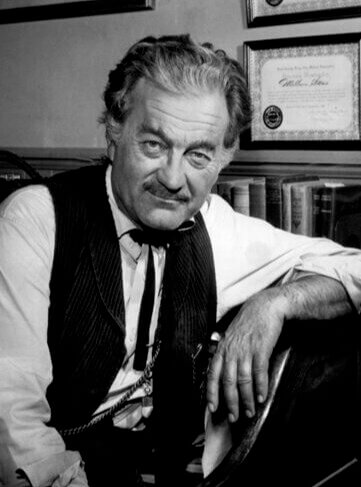
The beloved actor famously kept a detailed journal documenting the daily routines and changing production techniques he witnessed across two decades. His enduring legacy represents the golden standard of professionalism during the most prolific era of network broadcasting.
Gene Barry Was Reportedly Terrified Of Horses On "Bat Masterson"
Playing a dapper, cane-wielding lawman known for his impeccable fashion sense perfectly suited the urbane actor, largely because he strongly disliked traditional frontier activities. Unlike his rugged contemporaries who spent their weekends practicing roping and riding, he allegedly possessed a deep-seated fear of the large equestrian animals required for standard cowboy scenes. Directors frequently had to utilize tight camera angles and stunt doubles whenever the script specifically called for his character to gallop across the open plains at high speeds. He heavily leaned into his character's preference for train travel and customized carriages to avoid interacting with the unpredictable beasts as much as possible.
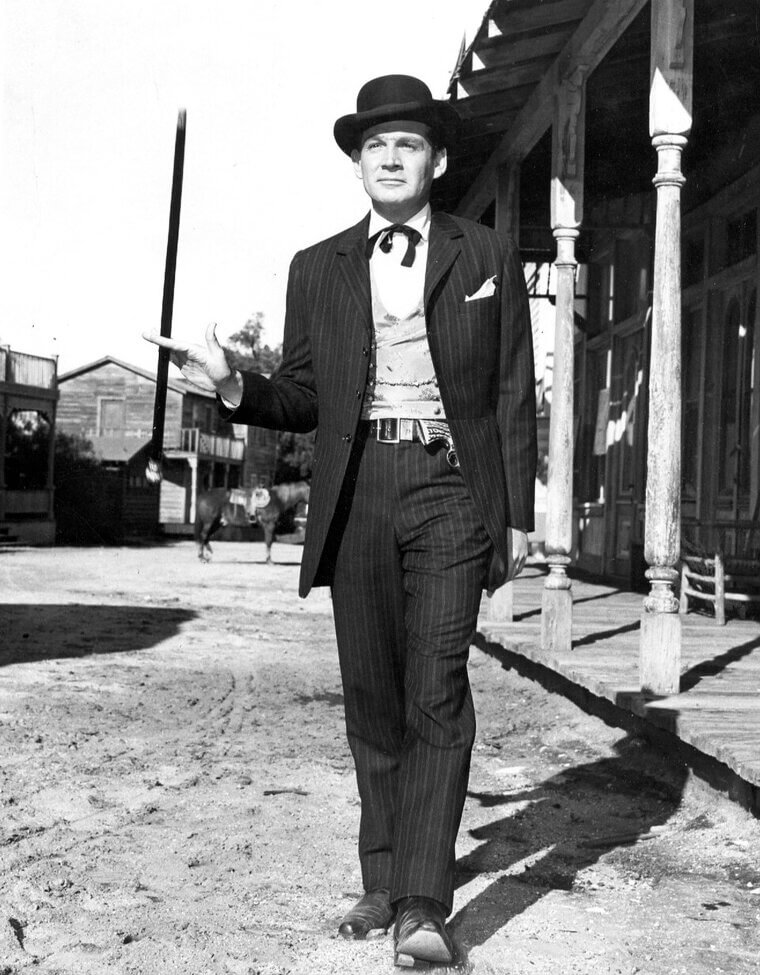
The wardrobe department loved working with him because his custom tailored suits rarely returned covered in sweat and trail dust. His sophisticated portrayal provided a refreshing contrast to the typical rough-and-tumble heroes dominating the airwaves.
Pete Duel Tragically Died While Starring In "Alias Smith and Jones"
The lighthearted series about two charming outlaw cousins trying to earn a governor's amnesty was steadily building a massive audience when unthinkable tragedy struck the tight-knit production. The talented young actor who played Hannibal Heyes struggled with severe depression and alcohol dependency behind his cheerful on-screen persona. Fans and colleagues were heartbroken when he took his own life in 1971, right as the show was reaching its creative and commercial peak on the network. Executives made the highly controversial decision to recast the role with narrator Roger Davis almost immediately, barely giving the grieving crew time to process the devastating loss.
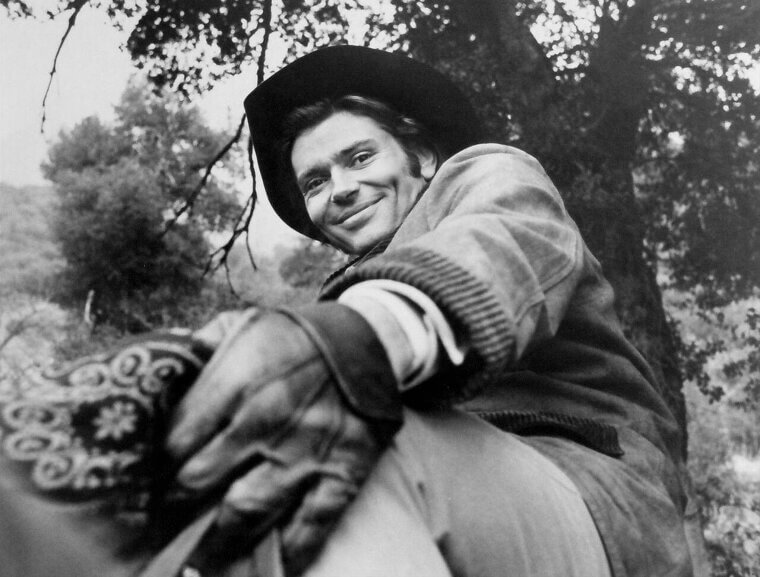
The abrupt change forever altered the delicate comedic chemistry that made the original partnership so special to watch. His immense untapped potential remains one of the saddest unresolved chapters in television history.
Clint Walker Went On Strike For Better Compensation On "Cheyenne"
The physically imposing leading man stood at 6 feet 6 inches tall and single-handedly carried the first hour-long television western to massive ratings success for the network. Frustrated by a restrictive contract that demanded a massive cut of his personal appearance fees and offered meager residual payments, he staged a highly publicized walkout protesting the unfair financial conditions. The studio arrogantly assumed they could simply replace him with another muscular unknown actor, briefly bringing in Ty Hardin to lead a slightly retooled version of the program. Ratings immediately plummeted as loyal viewers aggressively boycotted the obvious attempt to replace their favorite wandering hero.
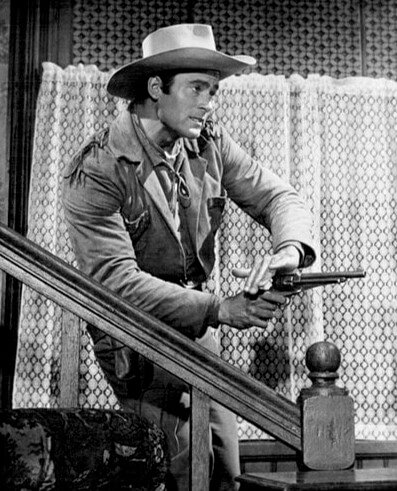
Executives were forced to swallow their pride and offer substantial financial concessions to bring the original star back into the fold. His successful rebellion empowered dozens of other television stars to demand better working conditions from notoriously frugal network bosses.
Steve McQueen Carried A Highly Illegal Firearm In "Wanted: Dead or Alive"
The intensely charismatic actor played bounty hunter Josh Randall, who famously carried a custom-cut Winchester repeating rifle affectionately nicknamed the Mare's Leg. The unique prop weapon featured a sawed-off barrel and stock that technically classified it as an illegal firearm under strict federal regulations governing short-barreled rifles at the time. Studio prop masters had to quickly obtain special permits and pay hefty registration taxes to the government just to legally transport the non-functioning pieces of metal between different filming locations. Law enforcement officials allegedly visited the set several times to inspect the armory and ensure the customized props could not actually fire live ammunition.
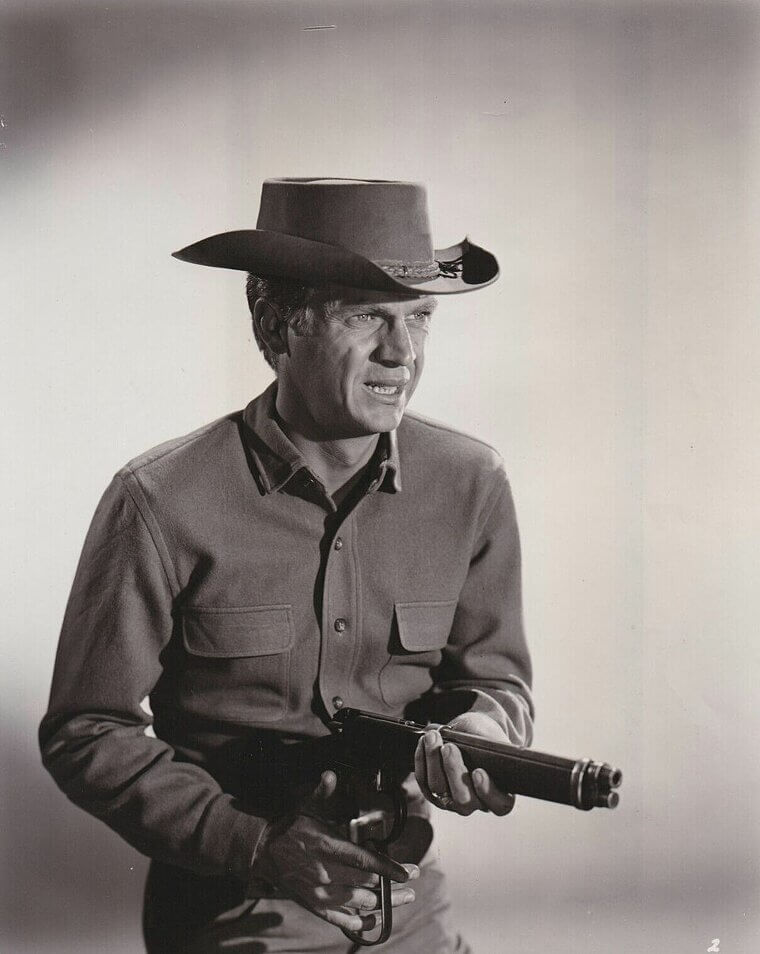
The weapon became instantly iconic, sparking a massive surge in toy replicas that flooded department stores across the entire country. The unique silhouette helped him stand out in an crowded landscape of traditional six-shooter carrying cowboys.
Nick Adams Was Exceptionally Close Friends With Elvis Presley During "The Rebel"
The intense young actor who portrayed wandering confederate veteran Johnny Yuma ran in some famous social circles during the height of his television fame. He developed a deep, brotherly bond with the king of rock and roll, frequently visiting Graceland and accompanying the legendary singer on wild motorcycle rides across the country. The two charismatic stars reportedly bonded over their shared love of firearms, fast cars, and rebellious attitudes that constantly frustrated traditional studio executives. Their highly publicized friendship helped draw millions of younger viewers to the gritty western series who might normally have ignored the historical drama.
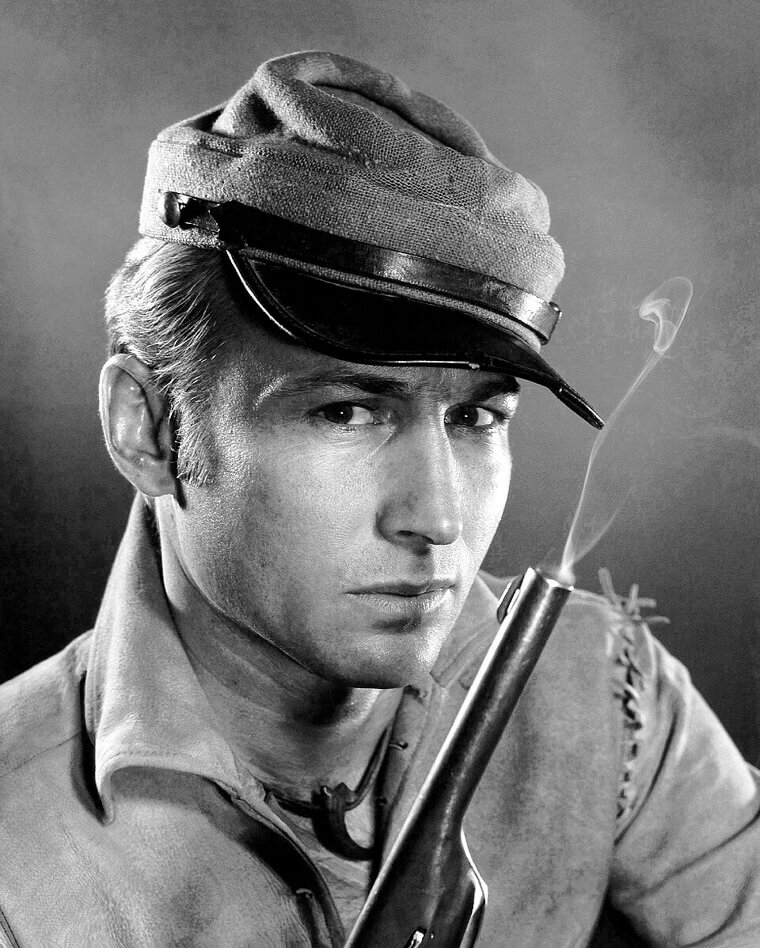
The musician even allegedly requested a custom tailored replica of the famous confederate uniform jacket his friend wore on the program. The tragic early deaths of both men added a profound layer of sadness to their fascinating Hollywood connection.
Gail Davis Was A Phenomenal Sharpshooter In Reality For "Annie Oakley"
As the very first female star to lead a network action series, she had an immense amount of pressure to prove she belonged in the male-dominated genre. Fortunately, she possessed extraordinary marksmanship skills that rivaled any of the famous stuntmen working on the studio lots during that era. She frequently performed her own incredible trick shots on camera, including shooting small glass targets while riding a galloping horse at full speed. Legendary singing cowboy Gene Autry actually discovered her and personally financed the groundbreaking television production because he was so mesmerized by her authentic talents with a specialized revolver.
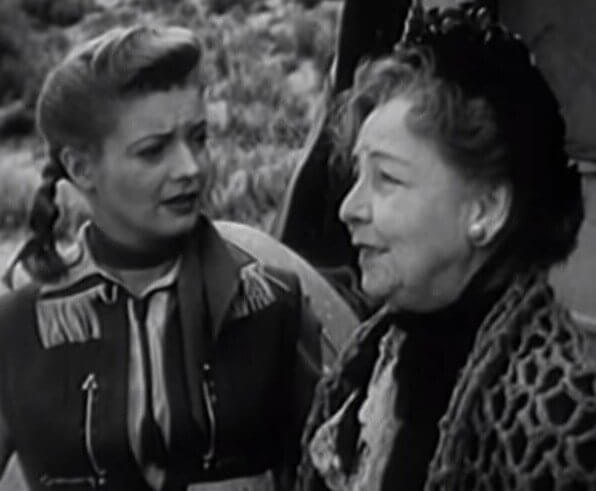
She spent her summer hiatuses touring the country with wild west shows to demonstrate her breathtaking accuracy to massive live audiences. Her pioneering efforts paved the way for generations of strong female action heroes to follow.
Robert Fuller Was A Genuine Working Cowboy Before "Laramie"
Portraying the hot-headed drifter Jess Harper required an actor who could believably handle themselves in a gritty frontier brawl, and producers found the perfect candidate with real-world experience. The talented performer actually grew up working on massive cattle ranches, spending his formative years mastering the exhausting daily chores of mending fences and breaking wild broncos. He reportedly hated how pristine and perfectly tailored the standard wardrobe costumes looked, frequently dragging his clothes through the dirt before rolling cameras to achieve a more authentic appearance. His genuine rodeo background allowed him to perform dangerous mounting techniques that specialized stunt coordinators usually handled for major stars.
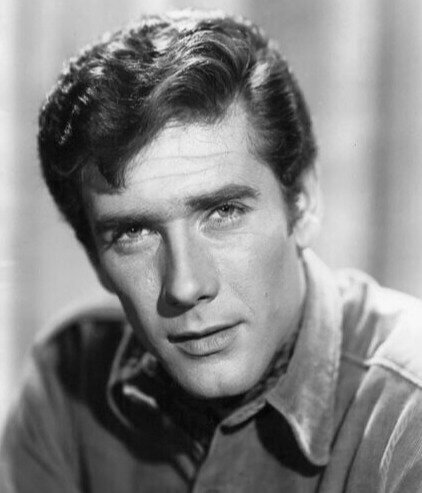
He remained fiercely dedicated to the western lifestyle long after the cameras stopped rolling, participating in professional roping competitions on weekends. Fans constantly praised his rugged authenticity and effortless swagger in every single episode.
Ward Bond Passed Away Suddenly While Filming "Wagon Train"
The rugged veteran actor commanded respect as Major Seth Adams, leading pioneers across the dangerous western landscape week after week. Fans were devastated when news broke that he suffered a massive heart attack in 1960 right in the middle of production for the highly rated program. Writers and producers had to scramble to explain his sudden absence without giving the character a formal on-screen farewell, which was highly unusual for the era. The network decided to simply introduce a new trailmaster played by John McIntire to keep the profitable series moving forward.
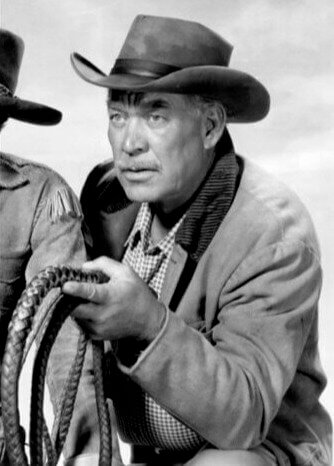
Despite the tragic loss of its beloved central star, the ensemble cast rallied together to maintain the massive viewership for several more years. His legacy as the tough but fair wagon master remains a defining pillar of classic television history.
Pernell Roberts Willingly Walked Away From "Bonanza"
The talented stage actor who brought Adam Cartwright to life quickly grew disillusioned with the simplistic morality tales presented on the family-friendly western drama. He openly criticized the writing staff for relying on repetitive tropes, allegedly referring to the scripts as low-brow junk that insulted the intelligence of adult viewers. Despite earning a massive salary and enjoying unprecedented global fame, he made the stunning decision to leave the highly rated program after just 6 seasons to return to theatrical productions. Network executives were baffled by his refusal to accept more money to simply smile and ride horses on camera.
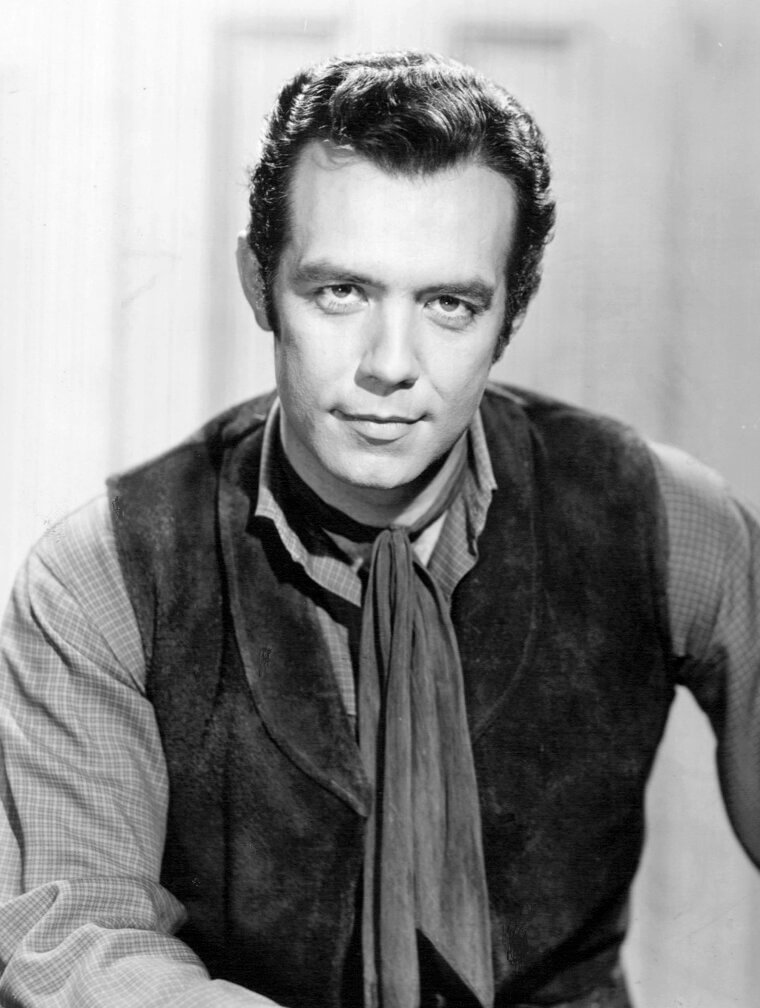
The writers abruptly sent his character to live elsewhere, leaving a noticeable void in the familial dynamic that fans never fully accepted. He never publicly expressed any regrets about leaving the lucrative franchise behind to protect his artistic integrity.
James Drury Played Relentless Pranks On The Set Of "The Virginian"
Behind the serious exterior of the nameless Shiloh Ranch foreman was a mischievous performer who delighted in keeping his exhausted coworkers on their toes during grueling 90-minute episode shoots. He was notorious for hiding dead snakes in the dressing rooms of unsuspecting guest stars and replacing the prop coffee with terrible tasting liquids right before the cameras rolled. Directors reportedly had to firmly scold him on multiple occasions when his elaborate practical jokes delayed expensive exterior setups as the crew struggled to stop laughing. His playful antics were allegedly a necessary coping mechanism to handle the immense pressure of carrying such a massive production.
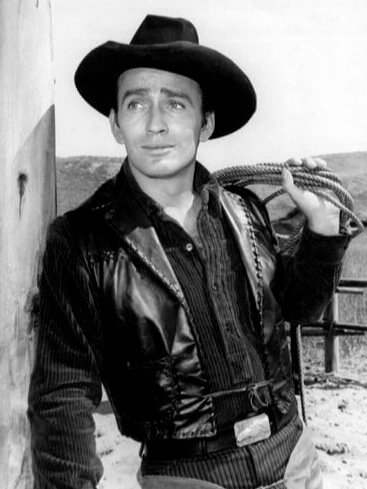
The lighthearted atmosphere he cultivated helped forge strong bonds among the core ensemble cast that lasted long after the final season wrapped. Colleagues remembered his infectious laughter just as fondly as his intense dramatic performances.
Robert Horton Refused To Wear A Cowboy Hat On "Wagon Train" as It Would Cover up His Beautiful Face
Playing the ruggedly handsome frontier scout Flint McCullough made him a massive heartthrob, but he had some very peculiar demands regarding his character's iconic wardrobe. The actor strongly believed that wearing a traditional wide-brimmed stetson ruined his carefully styled hair and hid his best facial features from the camera lenses. He formally negotiated a bizarre clause in his contract stating he would never be required to cover his head during scenes, regardless of how intense the fictional weather conditions supposedly were. The glaring lack of proper headgear in the blistering desert sun became a running joke among historical purists who watched the program.
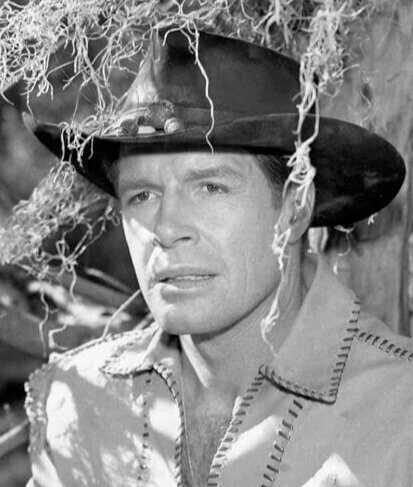
His vanity ultimately worked in his favor, as his glorious head of hair became a major selling point for fan magazines across the country. He eventually left the series to pursue a lucrative career in musical theater.
Ronald Reagan Made His Final Acting Appearance On "Death Valley Days"
Long before he moved into the oval office as the commander in chief, the charismatic politician served as the genial host and occasional star of this long-running historical anthology program. His natural storytelling abilities and comforting presence perfectly suited the nostalgic tone of the series, which focused on true stories from the pioneer era. He officially stepped away from the lucrative gig in 1965 when he made the monumental decision to launch a serious campaign for the governorship of California. The network had to hastily replace him with fellow actors Robert Taylor and John Payne to keep the profitable syndication machine running smoothly.
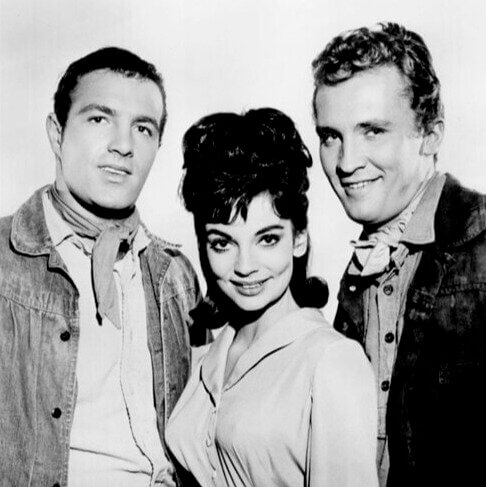
His final dramatic performance on camera featured him playing a determined frontier lawman fighting against corrupt local officials. It served as an oddly fitting thematic bridge between his celebrated Hollywood past and his monumental political future.
Dennis Weaver Invented His Own Signature Limp For "Gunsmoke"
When he initially auditioned for the role of Deputy Chester Goode, the talented young performer realized he needed a distinct physical trait to separate himself from the imposing shadow of the leading man. He spontaneously decided to incorporate a stiff-legged walk into his performance, claiming the character had suffered an unspecified injury during the violent civil war years. The creative choice impressed producers so much that they immediately offered him the job, but it ended up causing him severe physical discomfort over the next 9 years. Maintaining the awkward posture for hours on end allegedly led to chronic back pain that required regular physical therapy sessions.
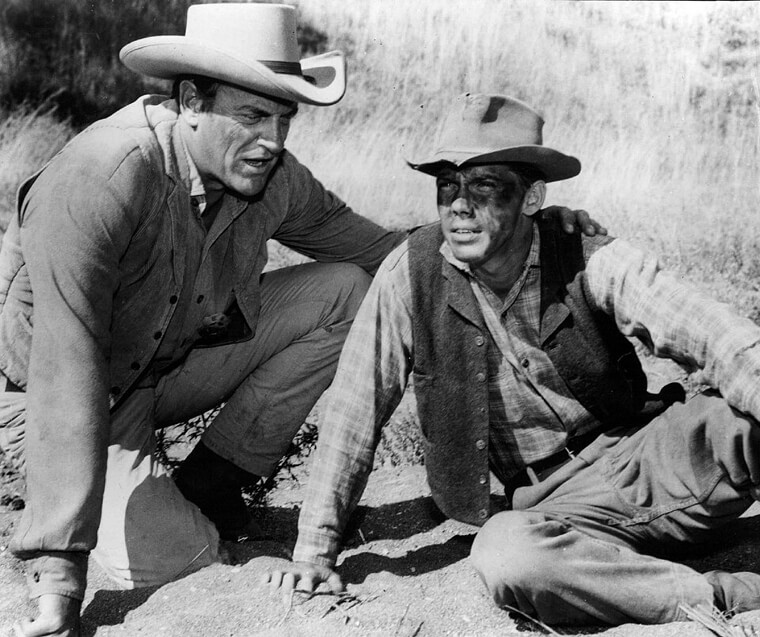
He eventually asked writers to let the character depart the series simply because his body could no longer handle the grueling daily physical strain. The iconic limp remains a masterclass in committed character acting that modern performers still study today.
Dale Robertson Owned The Magnificent Horse He Rode On "Tales of Wells Fargo"
The handsome actor who played special agent Jim Hardie was widely considered one of the finest natural equestrians working in the entertainment industry. Unlike most performers who simply rode whatever trained animal the studio wranglers provided for the day, he insisted on utilizing his own personal livestock for the demanding production schedule. He frequently brought his beloved quarter horse named Jubilee to the set, claiming the intelligent animal responded to subtle knee commands better than any professionally trained movie mount ever could. This deep bond allowed directors to film complex tracking shots without worrying about the horse suddenly getting spooked by loud camera equipment.
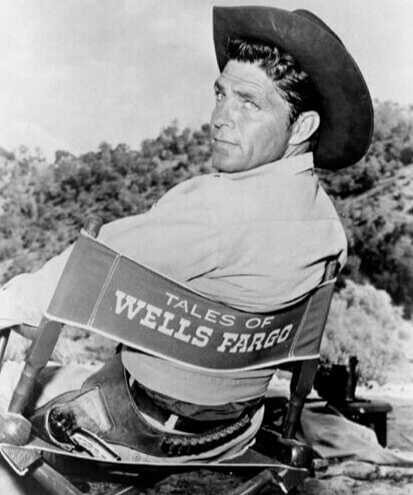
His vast knowledge of animal husbandry eventually led him to establish a highly successful breeding ranch after he retired from regular broadcasting. He remained a passionate advocate for proper equine care throughout his entire life.
John Wayne Allegedly Recommended James Arness For "Gunsmoke"
When television producers were looking for the perfect actor to play Marshal Matt Dillon, rumors swirled that they initially wanted legendary movie star John Wayne for the part. Film actors rarely transitioned to the small screen during that era, so he reportedly declined the offer gracefully. However, he did not leave the casting directors empty-handed, as he enthusiastically recommended his good friend James Arness for the iconic role instead. Arness had the towering physical presence and quiet demeanor that perfectly matched the gritty tone producers envisioned for the pioneering adult western series.
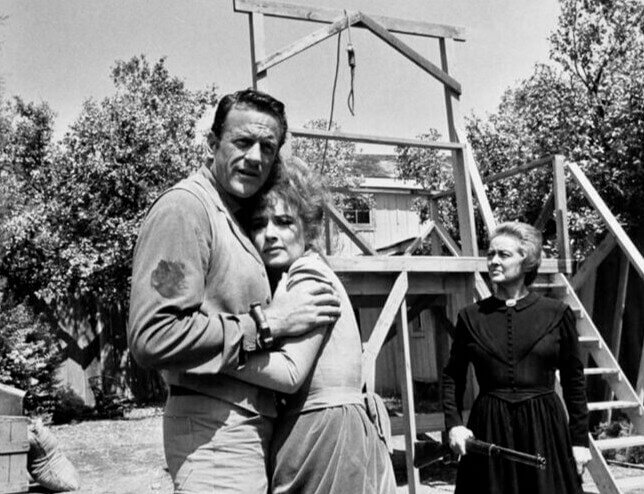
The recommendation paid off handsomely, leading to a 20-year run that cemented Arness as a television legend. Wayne even filmed a special on-camera introduction for the very first episode to show his unwavering support.
Chuck Connors Brought Professional Baseball Skills To "The Rifleman"
Before he stepped into the dusty boots of homesteader Lucas McCain, the towering leading man spent time playing professional sports at the highest possible levels. He was one of the rare athletes to play for both the Boston Celtics in professional basketball and the Brooklyn Dodgers in major league baseball. Producers realized his incredible hand-eye coordination made him uniquely qualified to handle the custom-modified Winchester rifle that served as the centerpiece of the drama. They specifically designed the signature rapid-fire opening sequence to showcase his natural athleticism and impeccable physical timing.
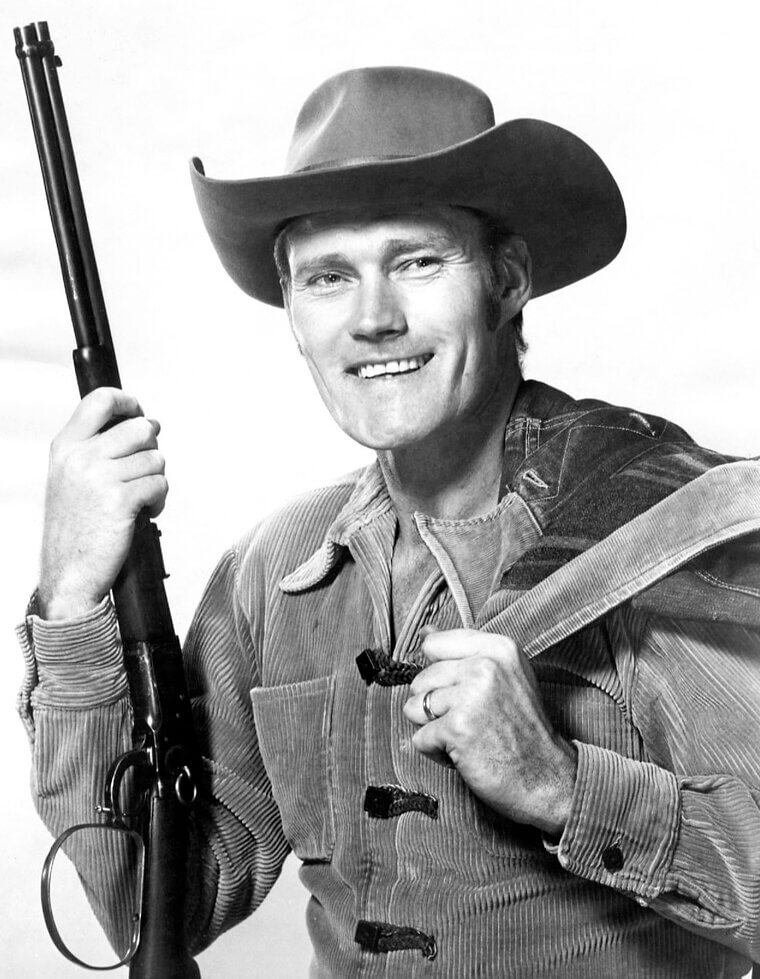
His sports background also gave him the stamina required to endure grueling 12-hour days filming under the scorching California sun. The seamless transition from stadium fields to Hollywood soundstages proved that true talent often crosses over into unexpected professional territories.
Lorne Greene Recorded A Number One Music Single During "Bonanza"
While millions tuned in every week to watch him dispense fatherly wisdom as Ben Cartwright, the dignified Canadian actor unexpectedly launched a massively successful recording career on the side. He utilized his deep, resonant speaking voice to perform a dramatic spoken-word ballad called Ringo, detailing the tense story of a western lawman and a notorious local gunfighter. The strange musical experiment shocked everyone in the recording industry when it rapidly climbed the charts and eventually hit the number 1 spot on the billboard hot 100 in 1964. He even performed the unusual track on several popular variety shows while dressed in full western attire.
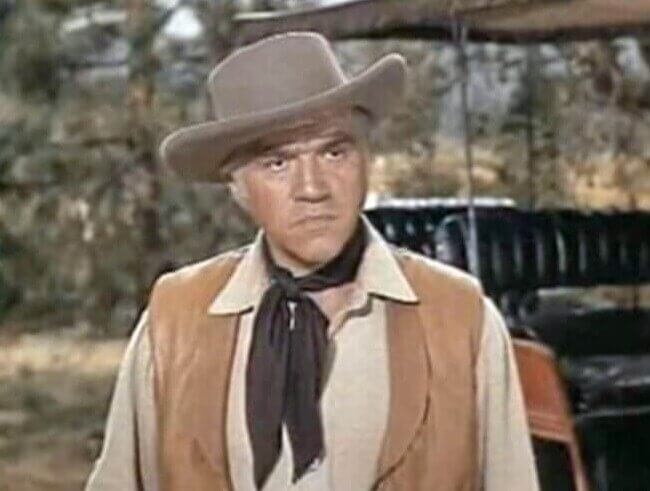
The incredible crossover success led to him releasing several full-length albums featuring frontier-themed stories and traditional folk songs. His booming baritone remains one of the most recognizable and comforting sounds of the classic television era.
John McIntire Replaced Two Different Lead Actors On Separate Shows
The veteran character performer held a highly unusual and remarkably specific distinction in the competitive world of classic network broadcasting during the 1960s. Whenever a beloved program suddenly lost its main leading man to tragedy or contract disputes, producers inevitably called him to step in and save the day. He seamlessly took over the reins of "Wagon Train" following the unexpected death of Ward Bond, earning immediate respect from the grieving cast and crew. Several years later, he performed the exact same miracle by replacing Charles Bickford as the strong patriarch on "The Virginian" without missing a single beat.
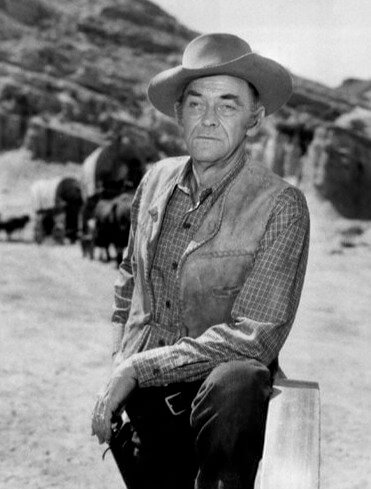
His quiet dignity and effortless natural authority made him the perfect soothing presence for audiences dealing with abrupt casting changes. He essentially became the ultimate relief pitcher for an entire genre of serialized storytelling.
Johnny Crawford Was An Original Mouseketeer Before "The Rifleman"
Long before he captured the hearts of viewers playing young Mark McCain, the talented child star began his entertainment career dancing alongside Annette Funicello on a very different network. He was carefully selected as one of the original 24 cast members for the popular Mickey Mouse Club, showcasing his impressive musical abilities and tap dancing skills. When he eventually transitioned to dramatic acting, producers were thrilled to discover he could easily handle complex emotional scenes involving heavy themes of grief and frontier justice. His musical background frequently came in handy during special episodes where he was allowed to sing and play the guitar.
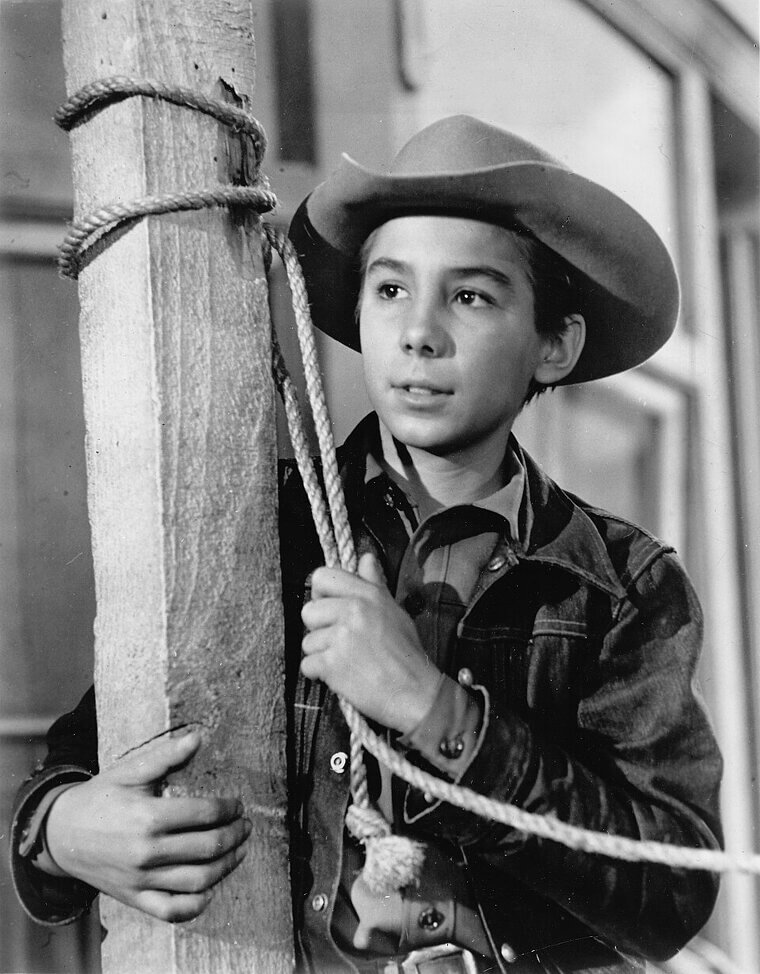
The exposure launched him into a highly successful teen idol phase, complete with hit pop records and screaming crowds at local malls. He managed the difficult transition from child star to adult performer with remarkable grace and humility.
Ken Curtis Played A Serial Killer Before Becoming Festus On "Gunsmoke"
The beloved comedic actor is universally remembered for his hilarious portrayal of the unwashed, heavily accented deputy who constantly bickered with Doc Adams. However, most casual fans are unaware that he actually guest-starred on the series years earlier playing a chillingly dark and different character. He portrayed a ruthless, cold-blooded murderer who terrorized the citizens of Dodge City, utilizing his natural speaking voice and a clean-shaven appearance that makes the old episodes jarring to watch today. Producers were so impressed by his immense versatility that they eventually invited him back to develop the iconic comedic sidekick role from scratch.
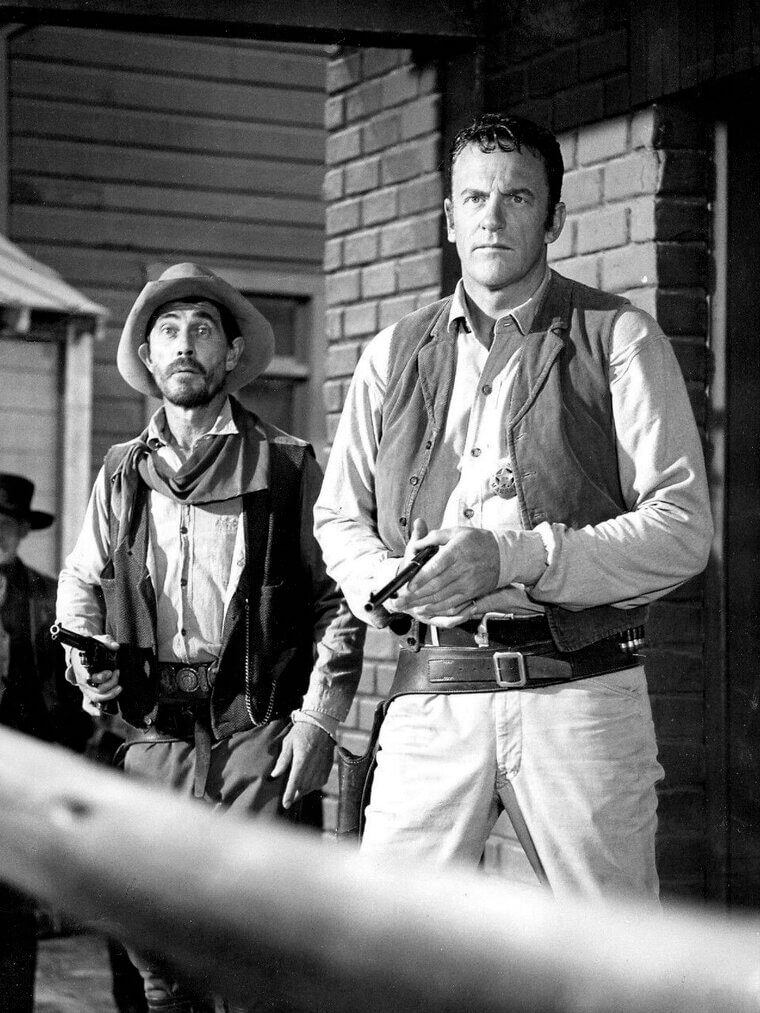
His background as a smooth-voiced singer in the Tommy Dorsey band made his transformation into the scruffy frontiersman even more remarkable. He truly inhabited the beloved role until the series finally concluded its historic broadcast run.
Jay Silverheels Was A Professional Lacrosse Star Before "The Lone Ranger"
The dignified actor who broke major racial barriers playing the loyal companion Tonto was an gifted athlete long before he ever rode onto a Hollywood studio lot. Born on the Six Nations reserve in Ontario, he competed fiercely in professional indoor lacrosse leagues across North America during the 1930s under the name Harry Smith. His exceptional speed and agility caught the attention of comedian Joe E. Brown, who allegedly encouraged the young athlete to move to California and pursue a career in motion pictures. He parlayed his physical prowess into stunt work before finally landing the career-defining role that made him an international icon.
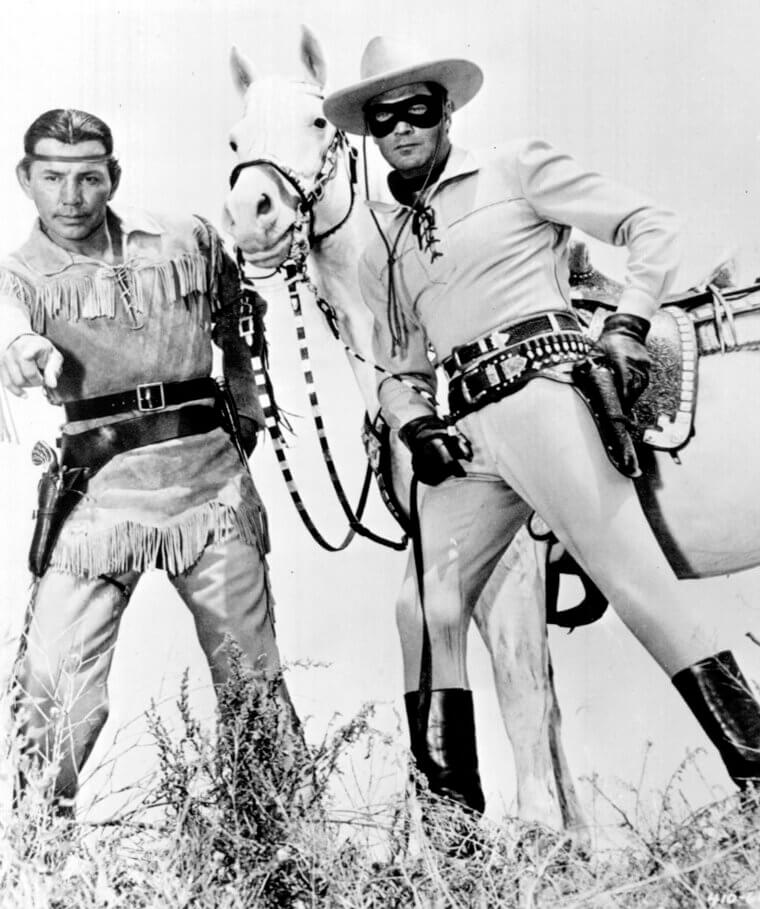
He spent his later years founding specialized workshops to help other Native American performers secure better representation in the entertainment industry. His athletic discipline remained a core part of his quiet strength and enduring legacy.
Guy Williams Was A Master Swordsman Off-Camera On "Zorro"
The dashing leading man who brought the masked Spanish vigilante to life did not have to rely on camera tricks to look impressive during intense dueling sequences. He had actively studied traditional fencing for years prior to landing the highly coveted role, bringing a level of authentic technical skill that dazzled the production team. He insisted on using real, unblunted heavy steel swords during close-up combat scenes to ensure the distinct metallic clashing sounds were genuine. His primary stunt double allegedly complained that it was difficult to keep up with his lightning-fast parries and aggressive thrusts during the exhausting rehearsal periods.
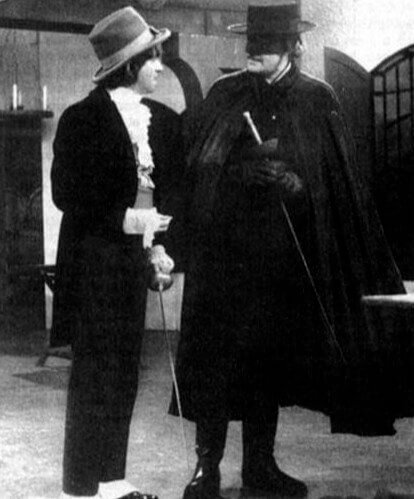
The resulting action choreography remains some of the finest swordplay ever captured on standard broadcast television. His effortless physical grace inspired countless children to pick up sticks and pretend to carve a letter Z into their living room walls.
Dan Blocker's Death Forced "Bonanza" To Write A Tragic Farewell
The massive, lovable actor who brought Hoss Cartwright to life was universally adored by both the cast and the millions of viewers who tuned in every Sunday night. When he died suddenly from a pulmonary embolism following routine surgery in 1972, the devastating loss shattered the close-knit production family. Network television programs typically ignored the real-life passing of actors during that era, but producers realized the character was simply too important to replace or quietly write off without proper explanation. They made the groundbreaking decision to directly address the tragedy on screen, creating an emotional episode dealing with the family mourning his sudden passing.
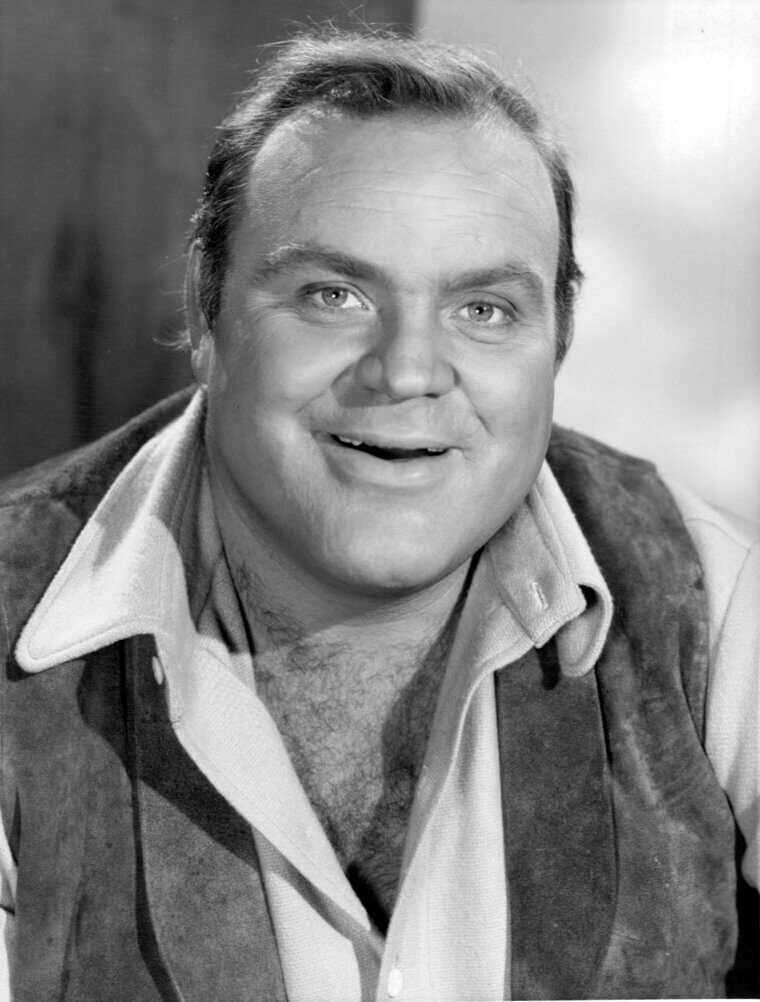
The poignant tribute marked a major shift in how episodic television handled real-world grief and character continuity moving forward. The series simply could not survive the heartbreaking loss of its gentle giant and was canceled shortly afterward.
Clint Eastwood's Theme Song For "Rawhide" Became A Massive Global Hit
While the dusty cattle drive series launched the incredible cinematic career of its young leading man, its musical legacy is equally fascinating and culturally significant. The catchy, whip-cracking opening theme song performed by Frankie Laine was originally designed simply to set an appropriately gritty tone for the weekly western adventures. However, the propulsive melody and memorable lyrics resonated so strongly with audiences that the track exploded into a commercial success across international radio stations. It has been covered by countless diverse musical artists over the decades, ranging from the legendary Blues Brothers to heavy metal bands seeking a uniquely aggressive sound.
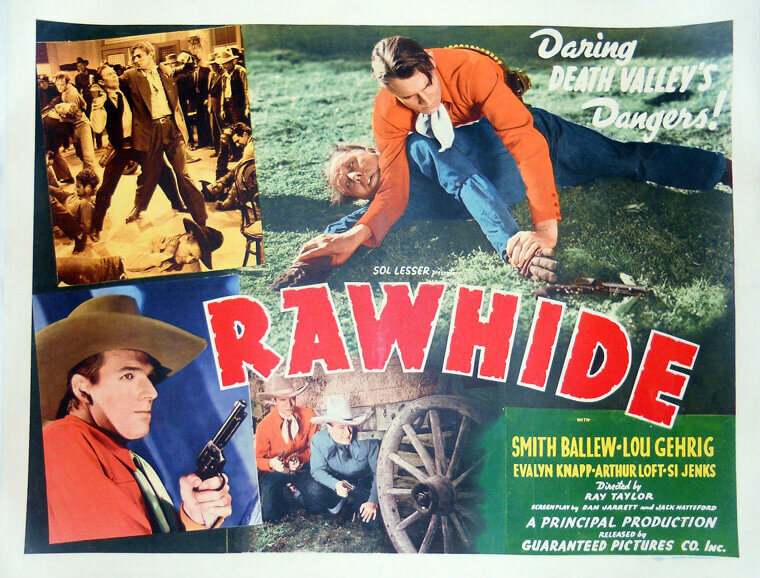
The driving rhythm perfectly encapsulated the exhausting endless momentum of pushing a massive herd across unforgiving terrain. It remains arguably the most instantly recognizable piece of instrumental music ever composed for standard network television.
Chuck Connors Shattered A Backboard In Professional Basketball Before "The Rifleman"
The physically imposing actor is largely remembered for spinning his modified Winchester rifle, but his incredible athletic strength resulted in a truly legendary moment in sports history. During his brief tenure playing for the Boston Celtics in the late 1940s, he accomplished a feat that nobody had ever witnessed during a professional game before. While participating in a pre-game warm-up routine, he aggressively slammed a practice shot against the glass backboard with such immense force that the entire structure shattered into thousands of dangerous pieces. The astonishing display of raw power temporarily delayed the match while arena workers desperately scrambled to install a replacement hoop.
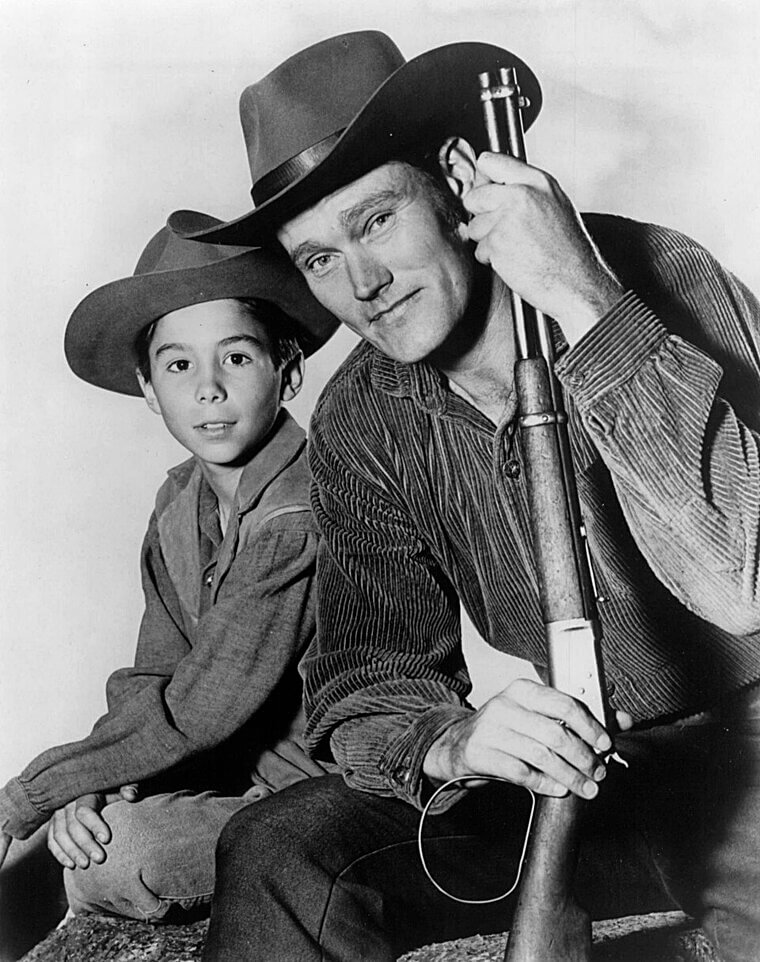
This historic milestone proved just how powerful the man truly was long before he started breaking jaws in Hollywood bar fight scenes. His legendary physical strength translated perfectly into his intimidating screen presence.